Tesla’s supervised self-driving system often misreads speed limits, Belgian safety group finds
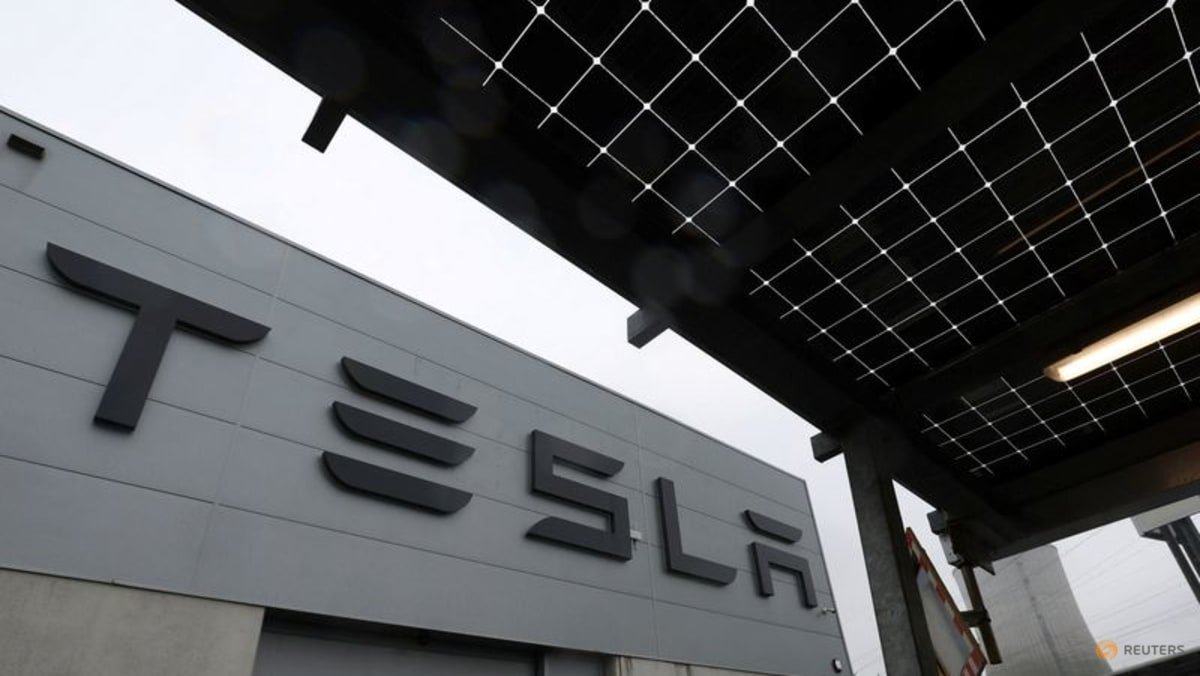
The logo of Tesla is seen outside a Tesla dealership in Drogenbos, Belgium April 24, 2025. REUTERS/Yves Herman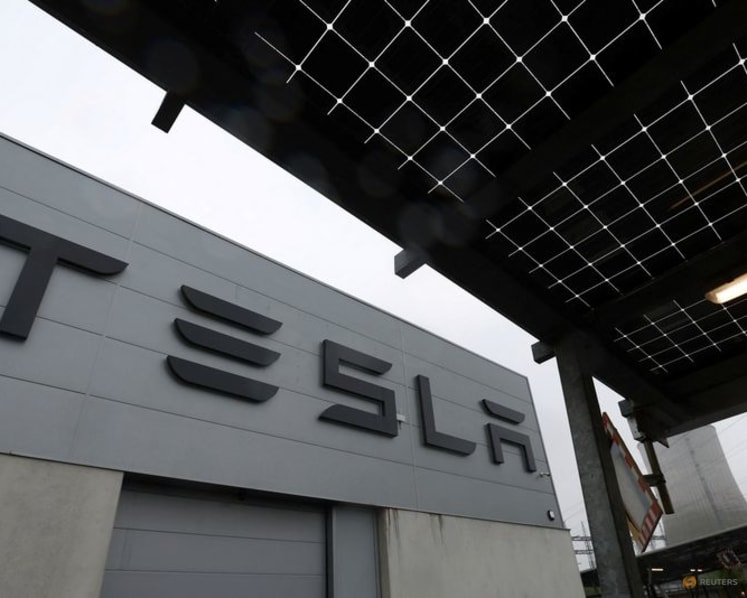
Read a summary of this article on FAST.
Get bite-sized news via a new
cards interface. Give it a try.
Click here to return to FAST
Tap here to return to FAST
FAST
Sept 24 : Tesla’s FSD automated-driving system frequently exceeded speed limits and attempted to overtake cyclists on streets where it’s prohibited, a road-safety advocacy group said, citing tests it conducted in Belgium.
The Belgian group Johanna.be – which advocates for pedestrian and cyclist safety – tested Tesla’s system over three days in July, covering about 400 km (249 miles). It found that FSD often exceeded speed limits in 20 km/h and 30 km/h zones, and incorrectly displayed higher speed limits to drivers, potentially misleading them about how fast the vehicle should travel.
Tesla’s FSD driver-assistance feature can perform most driving tasks but requires drivers to pay strict attention. Dutch regulator RDW approved the system in April, with Belgium and a handful of other countries following suit. An EU-wide vote could happen on October 6.
Several EU countries, including Sweden, have expressed concerns about FSD exceeding speed limits, while countries that approved it say drivers remain responsible for complying with traffic laws.

Guess Word
Crack the word, one row at a time

Buzzword
Create words using the given letters

Mini Sudoku
Tiny puzzle, mighty brain teaser

Mini Crossword
Small grid, big challenge

Word Search
Spot as many words as you can
Tesla and RDW did not respond to Reuters requests for comment.
Tesla released a study earlier this month saying that FSD-enabled Teslas do not speed excessively and drive at speeds matching surrounding traffic.
Xavier Lesenne, spokesperson for the Flemish government’s transportation ministry, which approved FSD in Belgium earlier this year, said it is “a learning system that continuously processes new and additional information” and adapts over time. Lesenne said the driver “remains 100 per cent responsible” and must be ready to intervene “should the system make an error or fail to correctly apply a traffic rule.”
Lesenne said data from Tesla shows the technology “holds significant potential for accident prevention today.”
Johanna.be found that FSD exceeded the limit in the majority of the tested 30 km/h road segments around Brussels, averaging 44 km/h.
Even though the vehicle’s screen showed the system recognised 30 km/h speed-limit signs on the roadside, it often displayed an incorrect speed limit of 50 km/h.
“It is akin to a passenger constantly reassuring the driver that the speed limit is 50 km/h in nearly every 30-zone through which they pass,” the report said.
Videos collected by the group show the FSD-enabled Tesla attempting to overtake cyclists on streets where doing so is not allowed.
The European Transport Safety Council has previously raised concerns about whether FSD can comply with differing road rules across Europe.
The Johanna.be report also noted positive aspects of the system, saying it “behaved cautiously and courteously around pedestrians and cyclists, often yielding proactively.”
But those benefits “do not offset the documented failures to comply with speed limits and cycle-street regulations.”
The NGO said it sent the report to the Flemish ministry and RDW, urging both to reassess the approvals.
Source: Reuters
Sign up for our newsletters

Get the CNA app
Stay updated with notifications for breaking news and our best stories
Get WhatsApp alerts
Join our channel for the top reads for the day on your preferred chat app

Get bite-sized news via a new
cards interface. Give it a try.
Click here to return to FAST
Tap here to return to FAST
FAST