Skip NavigationChristina Locopo
Every generation faces economic and social “shocks,” as David Blanchflower describes era-defining crises like the Great Recession, 9/11 and the Vietnam War.
But no generation in the U.S. since the Silent Generation, which includes people currently aged 81 to 98, has suffered quite as much shock as Gen Z, and the viability of their American Dream is at stake, says Blanchflower, a Dartmouth College labor economist and lecturer.
Gen Zers, those currently aged 14 to 29, have seen their education and social growth stunted by the Covid-19 pandemic, and those who’ve graduated high school or college have entered a volatile workforce, only to find an out-of-reach housing market and gaining inflationary pressures.
Older Gen Zers who’ve landed “good jobs” struggle with worry, stress and depression, says Blanchflower. The traditional U-shaped curve of happiness has flattened, with young people becoming increasingly unhappy over the course of their lives, according to an August 2025 study he co-led.
DON’T MISS: The communication skill that can help you accelerate your career growth
The viability of the American Dream, popularized during the country’s post-World War II era, has dwindled, says Mark Rank, an author, professor and researcher of the American Dream at Washington University in St. Louis.
Since the Baby Boomers came of age in the 1970s, each successive generation has fared worse than the last, some researchers say. The maxim that says “if you work hard and you play by the rules, you should do OK economically,” doesn’t hold anymore, adds Rank. “This bargain is eroding.”
Still, some historians and economists are optimistic about young people’s ability to rebound and find a new path forward. It just may not resemble the same American Dream their parents once had.
Understanding the erosion
Economically speaking, the American Dream started slipping with globalization, as companies put downward pressure on American wages by moving out of the U.S. and hiring foreign labor, Rank says. “What male full-time workers are earning today is right about the same as they were earning in 1973, controlled for inflation,” he notes.
Gen Xers then entered the workforce right around the same time as the labor market embraced corporate downsizing and mass layoffs, driving wages down further and making jobs more competitive, says Lindsey Pollak, an author and speaker whose research focuses on how different generations interact with each other at work. Millennials experienced harder versions of the same challenges as they graduated college into an economy rocked by the dot-com tech crash and the Great Recession.
“For children born in the 1940s, about 90% earned more than their parents, compared with about 50% for children born in the 1990s,” says economist and Harvard University professor Raj Chetty.
Gen Zers are even more dissatisfied with their opportunities, Blanchflower says, amid factors like underemployment, the Covid-19 pandemic, war, trade tariffs, artificial intelligence, automation and job-hugging. Forty-two percent of Gen Zers say the American Dream isn’t achievable for everyone, only some people, according to a new CNBC and SurveyMonkey American Dream Pulse Survey. Similarly, in 2026, a Gallup poll found that 49% of Americans surveyed were satisfied with the opportunities for people to get ahead in the U.S. if they work hard, down from 76% in 2001, according to data reviewed by CNBC Make It.
The drop was disproportionately driven by younger respondents, who may be frustrated that some traditional pathways to success for young people are falling short, says Gallup senior editor Jeff Jones. Earning a college degree isn’t a clear path to getting a stable job, and entry-level pay pay may not be enough to cover the rising cost of basic necessities like housing and healthcare, not to mention make a dent in the ballooning college debt crisis.
And while millennials and Gen Zers are poised to eventually receive trillions of dollars from their parents in wealth transfers, some housing researchers say the inheritances will come too late for many of them to change their financial trajectories when it can make the biggest impact — in early adulthood.
Instead, today’s youngest generations are likely to do what young people do best: make the best of their circumstances, reconfigure their goals and make incremental progress on what they can change.
Redefining the American Dream
The future of American socioeconomic mobility depends largely on people getting more support from their community and policymakers at varying levels of government, which all play a role in “economic connectedness” and expanding opportunity, says Chetty.
Chetty points to the quality of schools, neighborhoods and social networks as starting points for investment. Artificial intelligence could further reshape young people’s access to upward mobility in somewhat unpredictable ways, he adds.
But hope springs eternal. Even when younger Americans no longer believe in their own potential for socioeconomic mobility, they still largely share a very human instinct — and a core American value, Rank says — to be optimistic about a better future. “I’ve done lots of interviews with people, particularly folks [who are] lower-income and [in] poverty, and I’ll tell you this: The last thing to go for people is hope,” says Rank.
Maybe the American Dream is to stay agile and to find things that are meaningful to you.Lindsey PollakWorkplace researcher
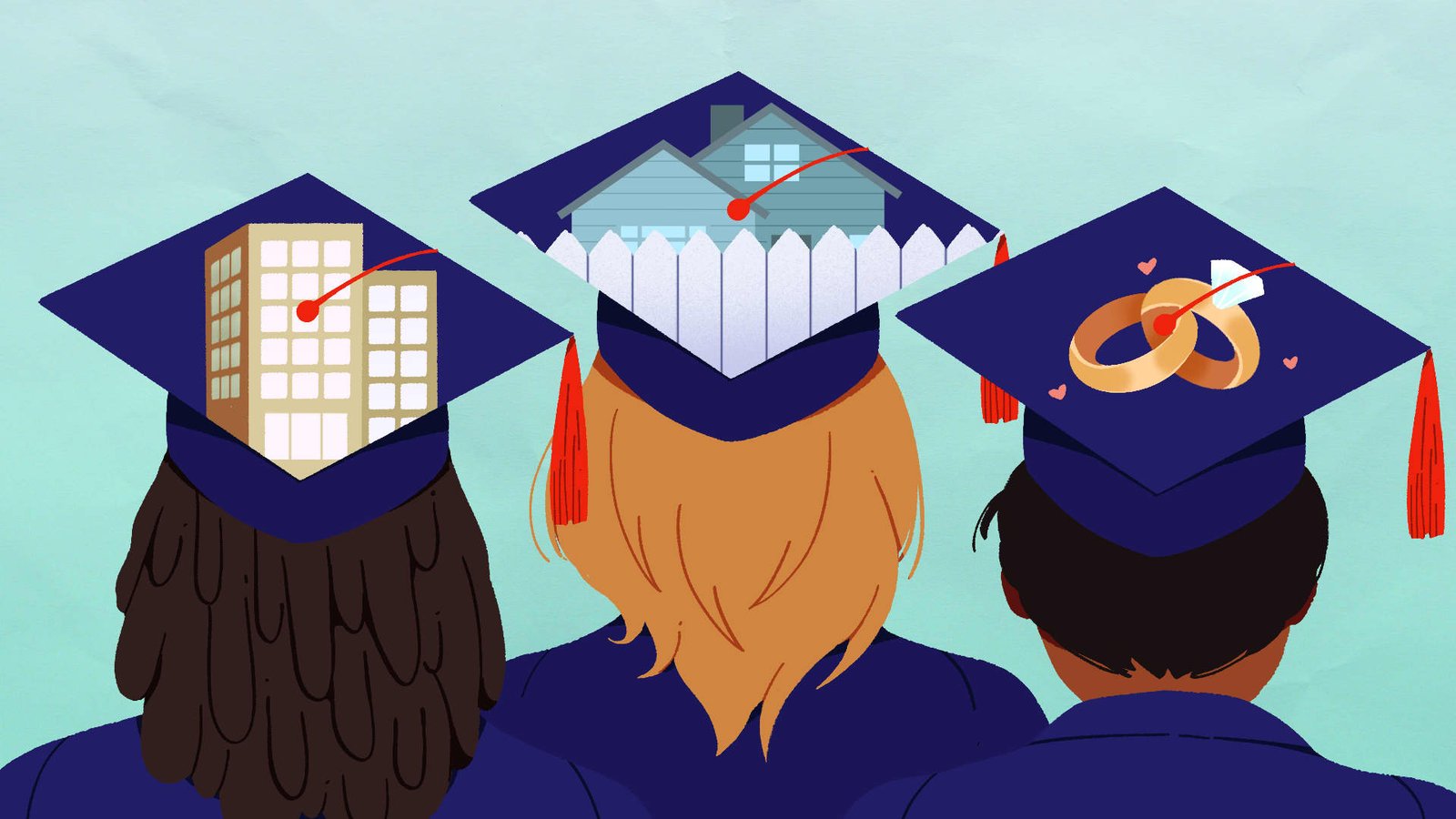
Hope can drive people to redefine success entirely. Many millennials, Gen Zers and the even-younger Gen Alpha no longer aspire to achieve what their parents did, says Pollak. Instead of building their aspirations around their real-life role models, like family and community members, and what they see in movies or TV shows, they’re seeing “so many different ways that people are living and can live” online, she says.
Americans today might wait longer to get married, have kids or buy a home, if at all, data shows. They could trade a corporate career to work in the trades or move abroad for a spell. People who want “the life that their parents had … can’t always have it anymore,” says Pollak.
But Americans still see opportunity, she adds: “Maybe the American Dream is to stay agile and to find things that are meaningful to you [in your career]. It’s not one job, one company for a whole life.”
Want to get ahead at work? Then you need to learn how to make effective small talk. In CNBC’s new online course, How To Talk To People At Work, expert instructors share practical strategies to help you use everyday conversations to gain visibility, build meaningful relationships and accelerate your career growth. Sign up today!
 VIDEO01:42Redefining the American DreamSquawk Box
About The Author