


49 minutes agoShareSaveAdd as preferred on GoogleRichard KagoeBBC Africa, Nairobi

 Getty Images
The Ugandan government says at least 16 people have died from hunger in recent weeks in the north-eastern region of Karamoja due to a prolonged drought.
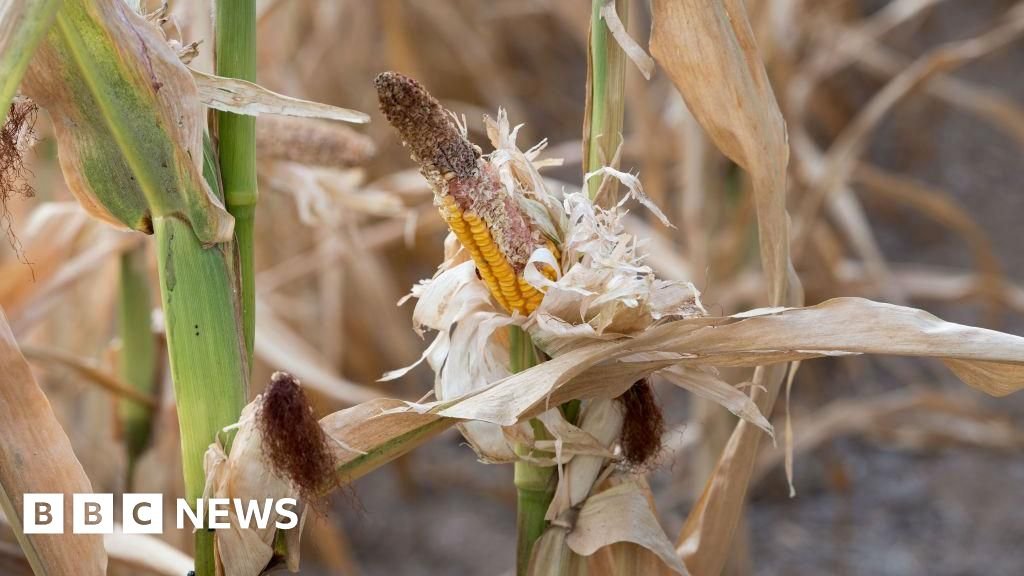
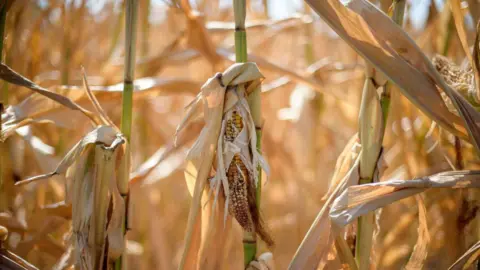
Farmers say they’ve lost crops because the area received little or no rain since April – the beginning of the planting season.
Experts warn the region’s recurring shortages are caused by climate change, poor rainfall, deforestation, overgrazing and crop pests. Together, they leave communities increasingly vulnerable to hunger.
Prime Minister Robinah Nabbanja says thousands of families have been left without food as the dry spell has destroyed crops, and her office is to seek cabinet approval on Monday to buy more supplies for affected areas.
The government says it has started distributing emergency food aid.
Large areas of maize, sorghum and soybeans have withered, shattering hopes of a bumper harvest.
Experts are calling for better forecasting, investment in irrigation and drought‑resistant crops.
Uganda’s semi-arid north-east has been struck by catastrophic food shortages before.
In 2022, more than 2,200 people died of starvation and related illnesses in north-east Uganda, a report by an official human rights body said.
Despair turned to disbelief when the then-foreign minister, Henry Okello Oryem, called those who had died of hunger “idiots”, arguing that Uganda had favourable climate and fertile land so people should be able to grow food for themselves.

Go to BBCAfrica.com for more news from the African continent.
Follow us on Twitter @BBCAfrica, on Facebook at BBC Africa or on Instagram at bbcafrica







