Google’s YouTube settled a lawsuit brought by a Florida teen who alleged that the platform’s addictive design impacted his mental health, his lawyers said on Tuesday.
The terms of the lawsuit were not disclosed.
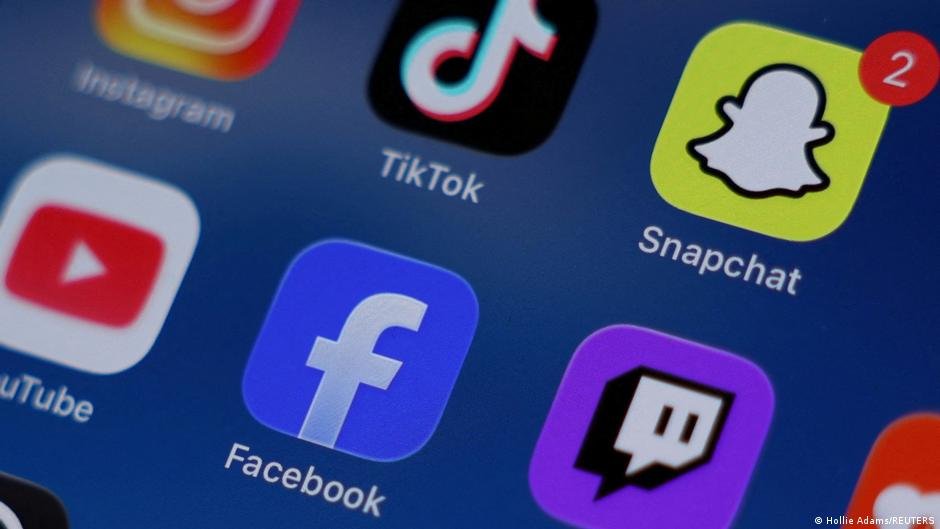
The lawsuit also named Meta’s Instagram, Snap Inc’s Snapchat and ByteDance’s TikTok who are scheduled to face trial in July.
Mental health struggles due to social media addiction
According to court filings, a 16-year-old boy from Florida, identified by his initials R.K.C., said that he was addicted to social media after being introduced to it when he was eight.
He particularly blamed features such as infinite scroll and autoplay, driving compulsive usage. R.K.C. said he lost sleep and suffered from depression and anxiety due to his addiction.
His attorneys said YouTube’s decision to resolve the case instead of facing a jury “speaks for itself.”
Google spokesperson Jose Castaneda said the focus of the company is on “building age-appropriate products and parental controls that deliver on that promise,” adding that the lawsuit was cordially resolved.
To view this video please enable JavaScript, and consider upgrading to a web browser that supports HTML5 video
Social media companies claim safety measures implemented
Thousands of lawsuits in the US are accusing social media companies of designing platforms to maximize engagement at the expense of young users’ wellbeing.
Many countries around the world have banned teenagers from social networks, or are considering doing so.
The companies deny the allegations and say they have implemented extensive safety measures.
In March, a landmark trial against Meta and YouTube in California ended with a jury finding the social media companies liable for designing their platforms to be addictive without concerns for young users’ well-being.
A 20-year-old plaintiff had alleged her mental health was harmed due to using social media as a child and growing addicted to it.
A jury found the companies negligent and ordered Meta to pay $4.2 million (€3.69 million) in damages and Google to pay $1.8 million.
Edited by: Dmytro Hubenko
Don’t let the algorithm hide the news. If you rely on our team for trusted reporting, please take a moment to select us as your Preferred Source on Google by clicking here and hitting the “star” or “preferred” button, so you’ll always see our verified news first.
About The Author