Why Ningxia may be China’s most underrated destination
Home to stretches of the Great Wall, a tranquil section of the Yellow River and landscapes shaped by the ancient Silk Road, Ningxia offers a side of China that many international travellers never see.
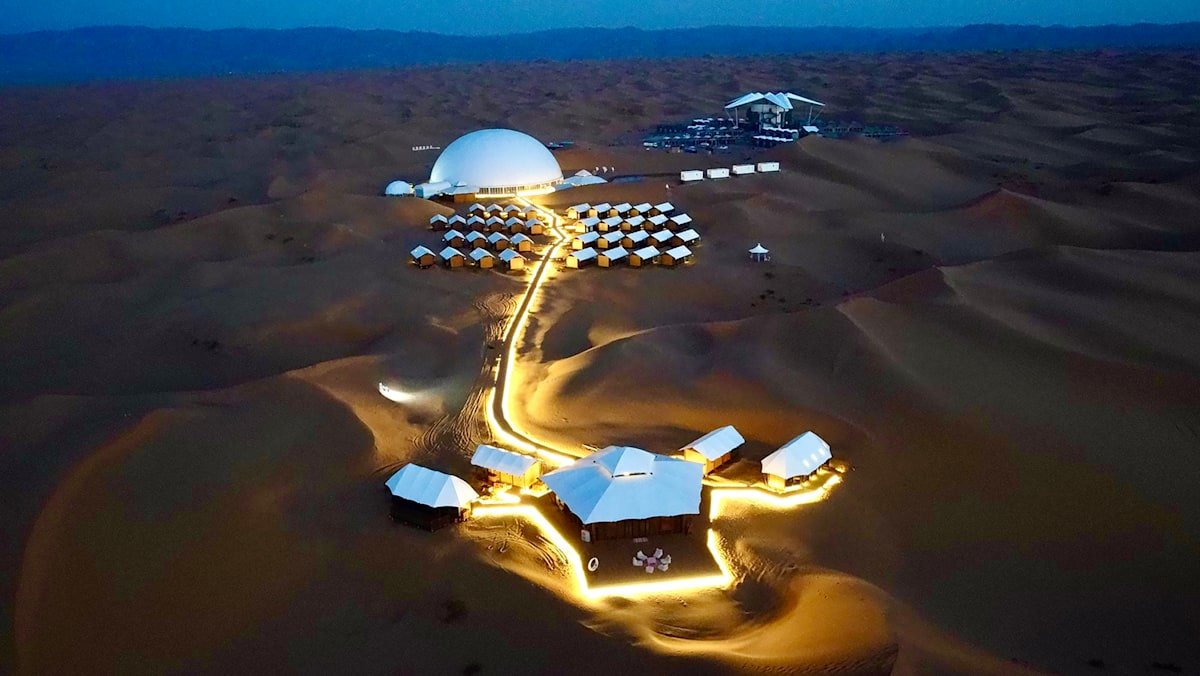
From desert adventures and lambskin raft rides to ancient tombs and vineyard tours, Ningxia offers a surprising variety of experiences. (Photo: Desert Star Hotel)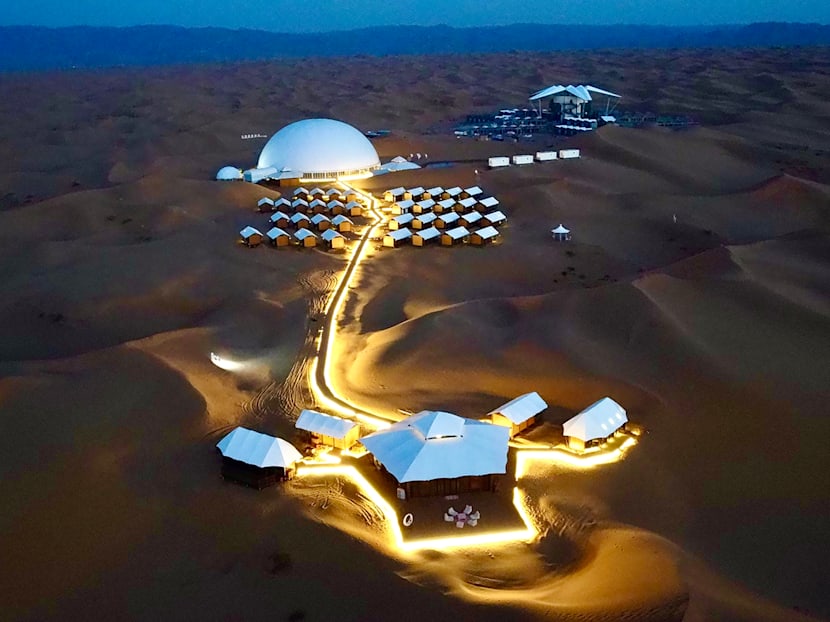
New: You can now listen to articles.

This audio is generated by an AI tool.

By
Read a summary of this article on FAST.
Get bite-sized news via a new
cards interface. Give it a try.
Click here to return to FAST
Tap here to return to FAST
FAST
Few places in China offer the Great Wall, the Yellow River and the ancient Silk Road within a single province. Ningxia is one of them.
The Ningxia Hui Autonomous Region rarely features on lists of China’s best-known travel destinations. Yet this remote province in northwestern China, one of the country’s smallest, is home to stretches of the Great Wall, the Yellow River and the Silk Road.
Together, they give Ningxia an appeal that far exceeds its modest size.
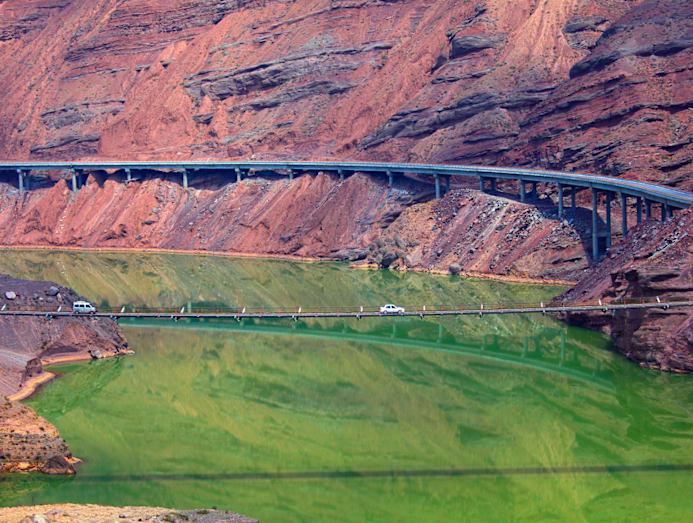
Travelling across the 66,400 sq km province, visitors encounter remnants of the Ming Dynasty Great Wall, a relatively tranquil stretch of the Yellow River and mountain and desert landscapes that evoke the Silk Road’s heyday during the Tang Dynasty.
Ningxia is unlikely to feature on most first-time China itineraries. For travellers who have already visited the country’s major cities, however, it offers something increasingly rare – a destination that still feels relatively undiscovered.
Another draw is that Ningxia is highly Muslim-friendly. The Hui ethnic group, distinct from the Han majority, account for about one-third of the region’s 7.3 million residents and are predominantly Muslim.
Prayer facilities and halal dining options are easy to find. According to our local guide, about 80 per cent of food and beverage outlets in Ningxia are halal. Beef and mutton feature prominently in local cuisine, and the region’s prized Tan sheep are so highly regarded that they are served at official state banquets.
During our four-day visit to Ningxia in May 2026, we sampled the local mutton. The meat was tender and flavourful, with a generous amount of fat but none of the gaminess often associated with sheep. Because of animal health import restrictions, Tan sheep are rarely found outside China, making them a speciality worth seeking out while in Ningxia.
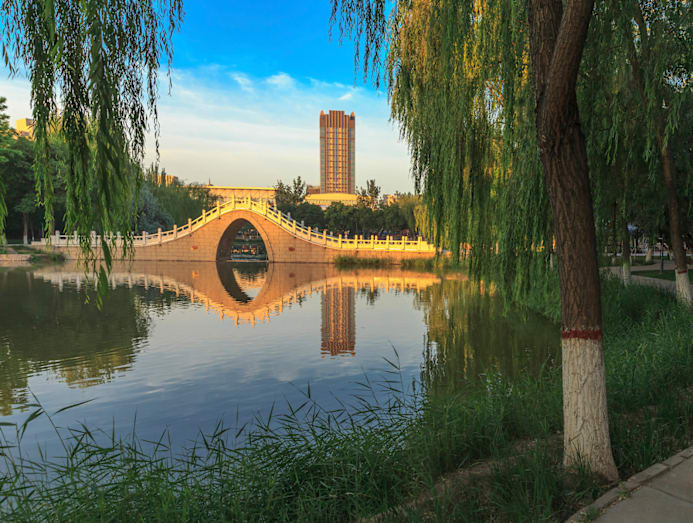
Ningxia’s capital, Yinchuan, is a compact Tier 3 city characterised by modern mid-rise buildings, wide boulevards and remarkably clean streets. Traffic is noticeably lighter than in China’s larger Tier 1 and Tier 2 cities. There is also a certain frontier quality to the city, underscored by occasional glimpses of the Helan Mountains in the distance.
FROM VINEYARDS TO DESERTS
Those mountains were, in fact, where we were headed.
Or at least, the foothills.
The range forms a natural border with neighbouring Inner Mongolia. Along the fertile plains beneath it, nourished by the Yellow River, lie more than 200 wineries producing award-winning wines that remain little known outside wine enthusiast circles.
Over the next few days, our journey would take us through vineyards and mountains, past steppe and desert landscapes. The scenery readily evokes images of Mongol cavalry crossing the plains on their way towards Chang’an (modern-day Xi’an), or Silk Road caravans traversing the desert en route to cities such as Samarkand.
If these scenes sound familiar from your favourite C-dramas or films, you’ll be pleased to know that Ningxia is home to a number of film studios, including facilities used for productions such as Zhang Yimou’s Red Sorghum (1987) and Stephen Chow’s Journey to the West (2013).
From desert adventures and mountain vineyards to centuries-old history and distinctive local cuisine, Ningxia offers far more variety than many visitors might expect. Here are five experiences that showcase the province at its best.
5 THINGS TO DO IN NINGXIA
Best for families: Shapotou Scenic Area
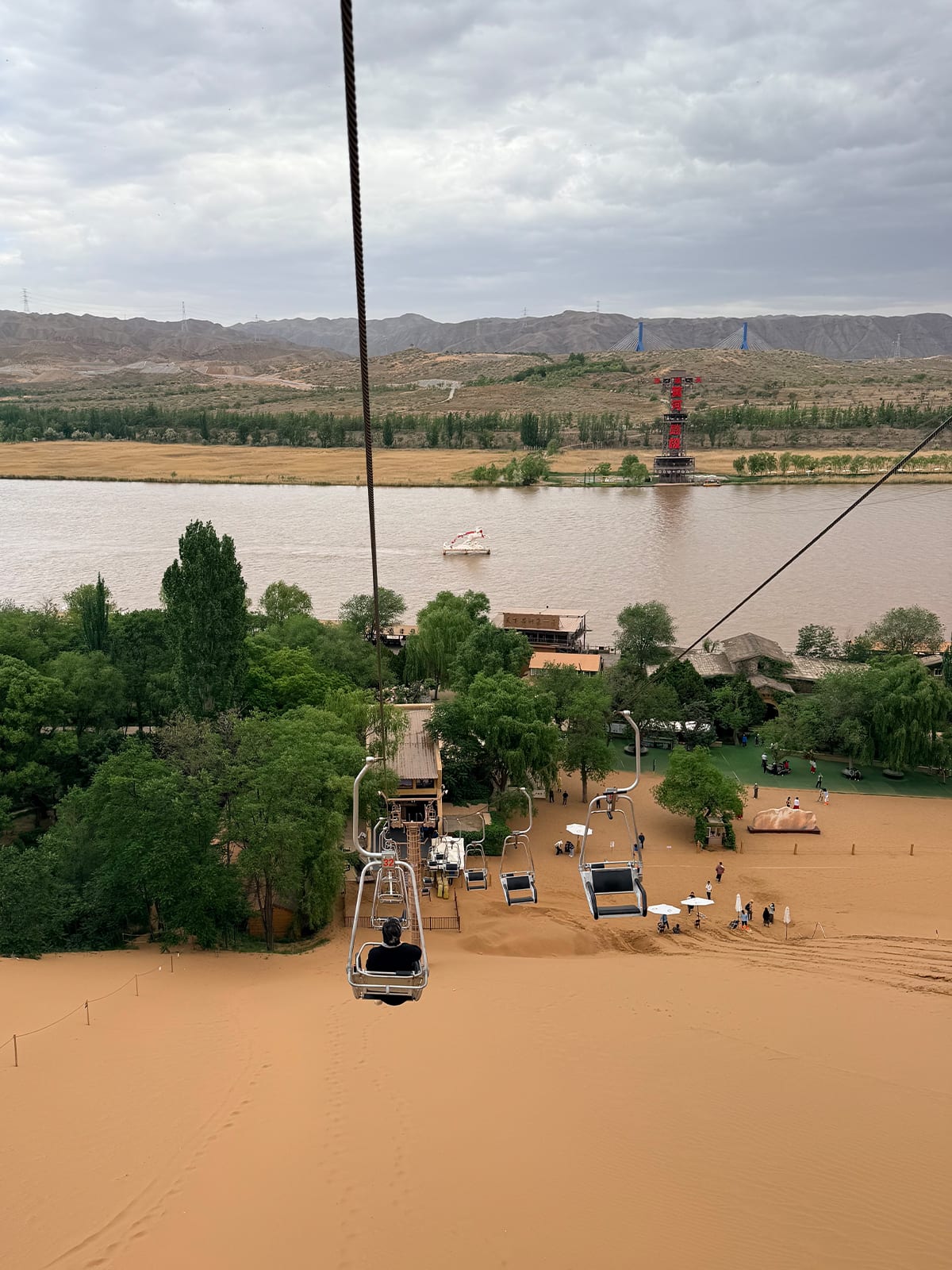
The vast Tengger Desert extends into Ningxia, creating a landscape of sculpted dunes that feels far removed from most travellers’ perceptions of China.
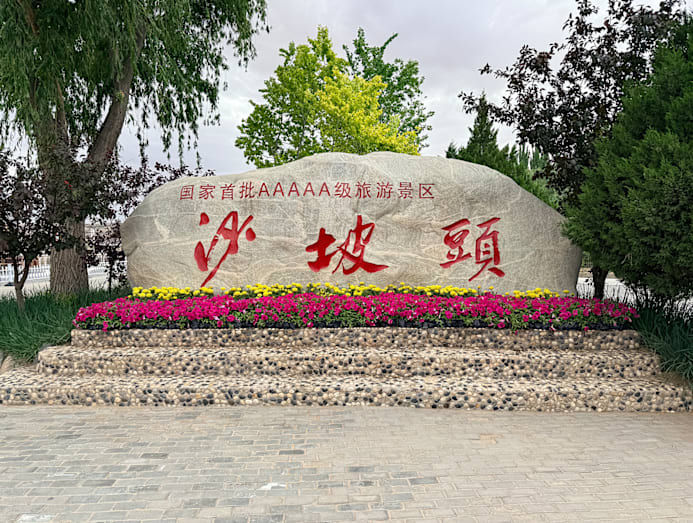
About two-and-a-half hours southwest of Yinchuan, Shapotou Scenic Area combines sand dunes, a stretch of the Yellow River, accommodation options, a stargazing observatory and a theme park.
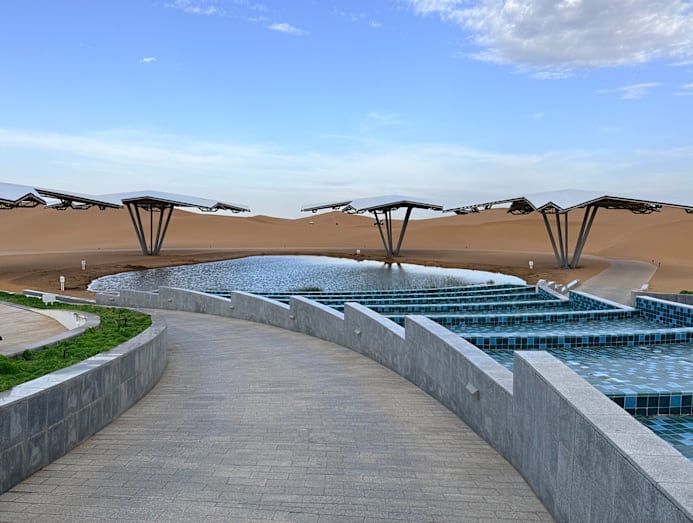
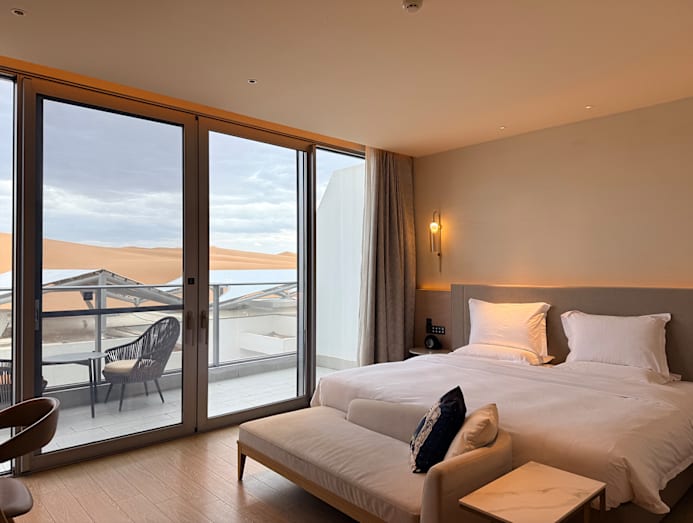
We stayed at Desert Star Hotel, a resort-style property with a swimming pool. Accommodation in Shapotou ranges from basic tents to high-end suites, catering to different budgets and travel styles.
Rooms are equipped with amenities including Kohler bathroom fittings, Dyson hairdryers and L’Occitane toiletries. Families with young children will appreciate thoughtful touches such as child-sized toilet seats, dental kits, footstools and slippers.
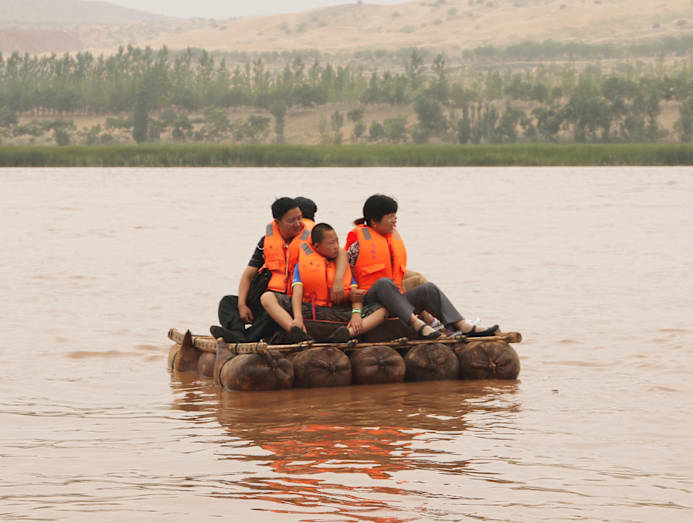
A shuttle bus connects the hotel to the main activity area along the Yellow River. Visitors can choose from a range of paid activities, including sand tobogganing, taking a cable car down a steep dune slope, ziplining across the river, crossing a glass-bottomed bridge and cruising downstream on a traditional lambskin raft.
One of the most memorable experiences was the lambskin raft ride, a traditional mode of transport constructed from inflated sheepskins and bamboo strips. As the raft drifted down the Yellow River, the oarsman sang in the local dialect, adding to the sense of place.
Best for adrenaline seekers: Hooke Park
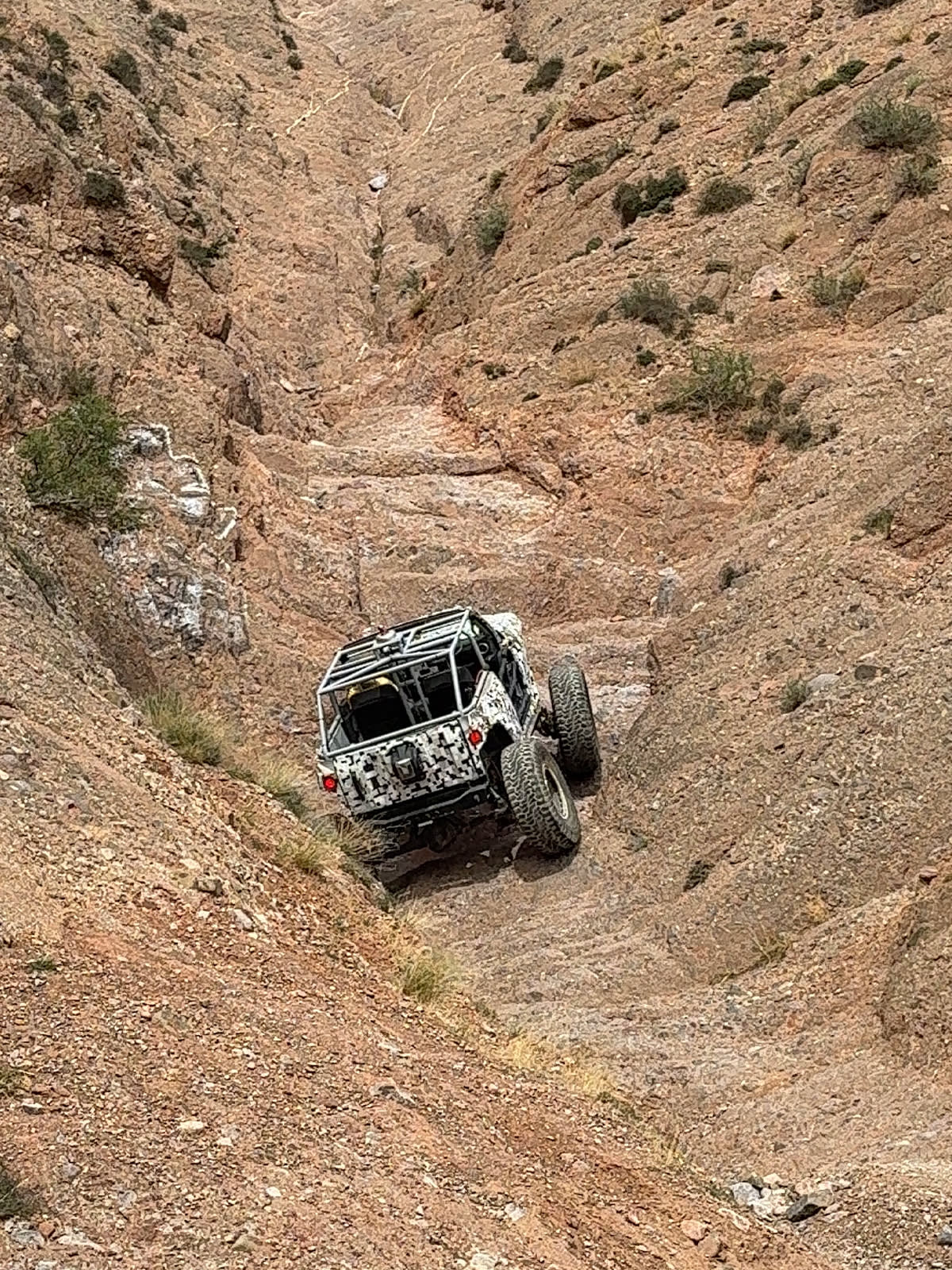
About 90 minutes from Yinchuan, near the border with Inner Mongolia, lies Hooke Park (also known as Hooke Trail), a 100 sq km mountain adventure park featuring 88 off-road trails across a stark, almost lunar landscape.
Established in 2015 by a Chinese off-road enthusiast, the park attracts visitors seeking outdoor adventure in one of Ningxia’s most rugged environments.
Visitors can explore the park by four-wheel-drive vehicle with a guide, traversing rough terrain while spotting stretches of the Great Wall, Ming Dynasty beacon towers, semi-wild herds of horses and sheep, and artworks created from repurposed scrap materials.
One of the park’s most unusual features is a small settlement built almost entirely from recycled materials. Accommodation, a restaurant, a bar and a grocery shop have all been fashioned from old shipping containers, buses and other industrial remnants, creating an atmosphere reminiscent of a post-apocalyptic film set.

The landscape has also served as a filming location for productions including Treasure Hunter (2009), starring Jay Chou and Lin Chi-ling, and Battle of Defense (2020).
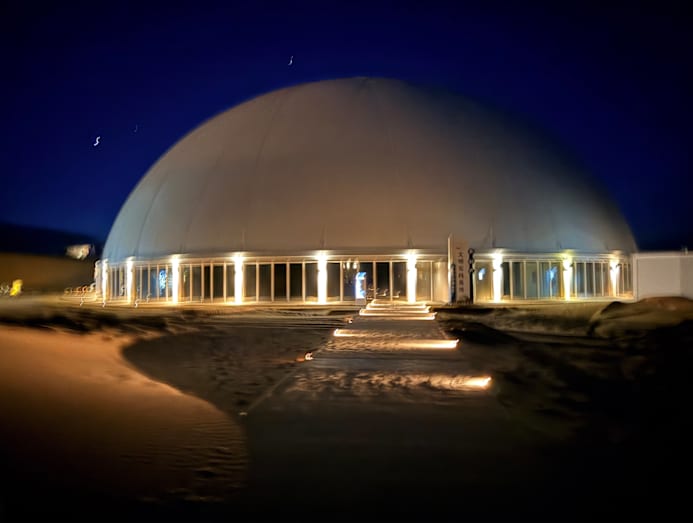
Guests can stay overnight in the converted structures, which offer one of the more unconventional accommodation experiences in the region.
According to park staff, visitors are drawn by the opportunity to drive off-road vehicles, stargaze and attend occasional outdoor events. Just note that there is no Wi-Fi, although some travellers may see that as part of the appeal.
Best for wine lovers: The Helan Mountain vineyards
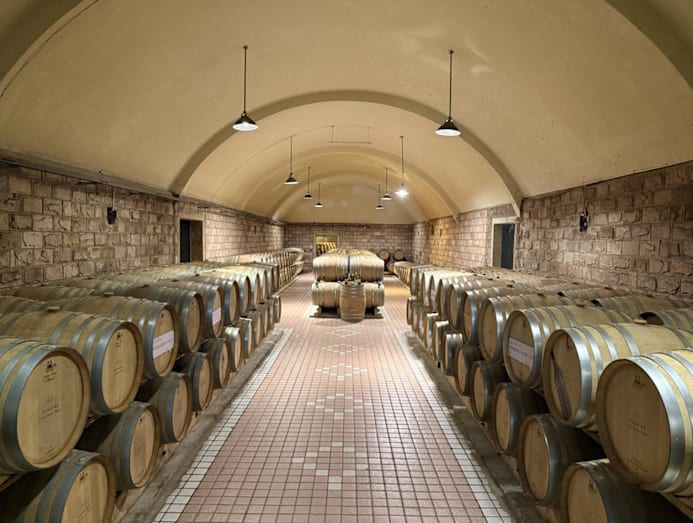
Ningxia – and China more broadly – remain little known internationally as wine-producing regions. Yet some of the province’s leading wineries have been collecting prestigious awards, helping to put both Ningxia and China on the global wine map.
Winemaking began to take off in earnest around three decades ago, aided by large-scale environmental rehabilitation efforts and a push to develop the Helan Mountains area into a wine-growing region.
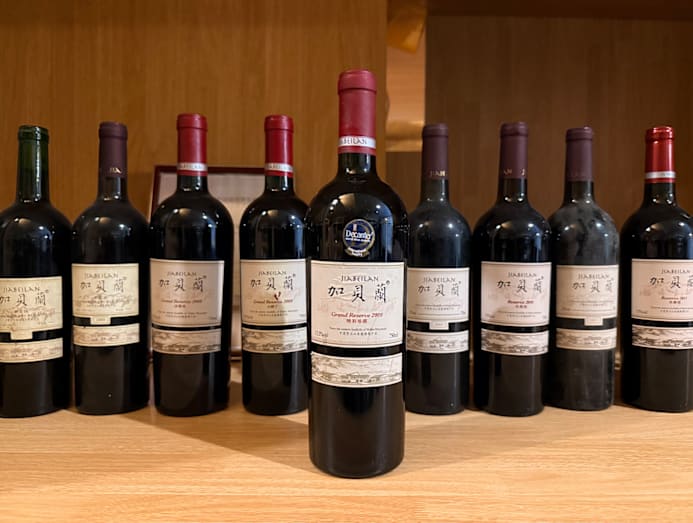
Today, around 200 wineries operate across the foothills of the Helan Mountains. Travellers exploring the region’s vineyards may wish to stay at properties such as Amnor Hotel (listed as Yinchuan Helan Anmo Hotel on Trip.com), where we based ourselves during our visit.
The 176-key luxury resort has a Singapore connection. The property was designed by local architecture firm Eco-ID and features a Moroccan-inspired aesthetic.
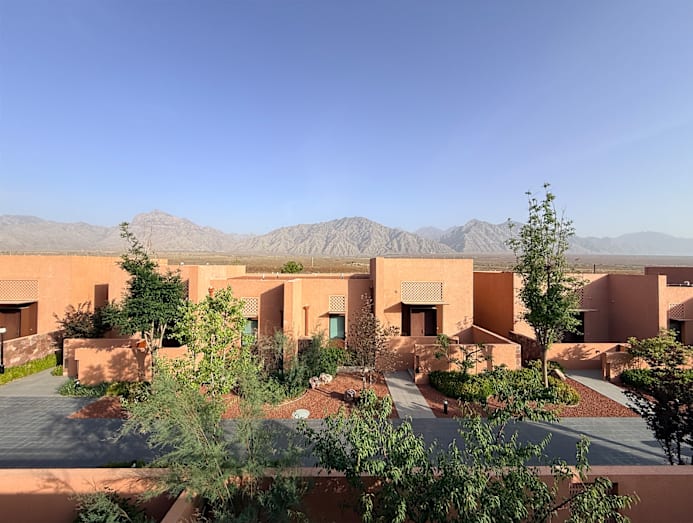
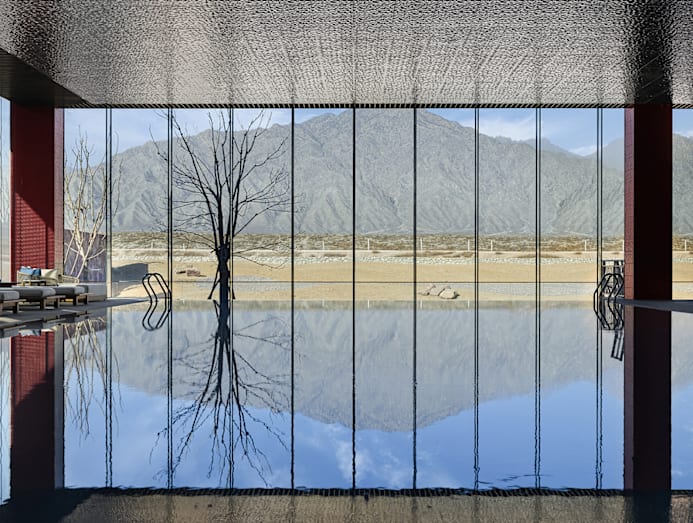
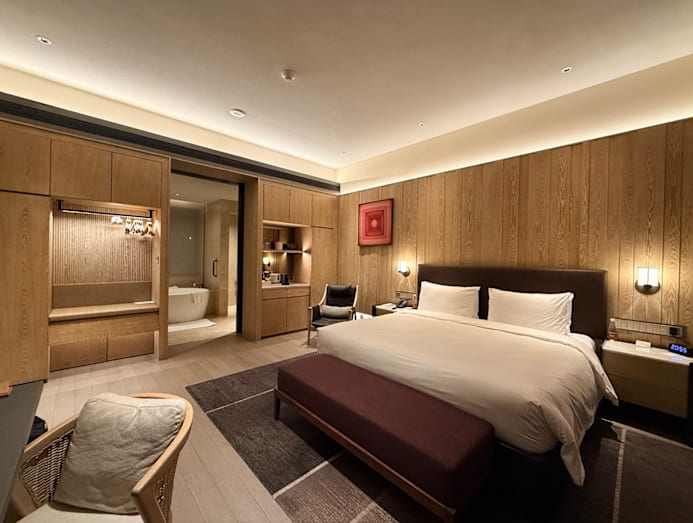
Wine is never far away. Amnor forms part of the Ningxia Turandot Wine Town estate, which includes three wineries, among them the award-winning Chateau Dulaan.
Beyond the hotel, a must-visit is Helan Qingxue Winery, one of the region’s pioneering producers. Established in 2005, it made history in 2011 when its Jia Bei Lan label became the first Chinese wine to win a major trophy at the Decanter World Wine Awards.
For a more immersive experience, consider arranging winery visits, tastings and meetings with owners, founders and winemakers through a local guide. Hearing their stories adds valuable context to the wines and offers insight into the challenges and ambitions that have shaped Ningxia’s wine industry.
Best for food lovers: Local flavours
Ningxia’s cuisine remains relatively little known outside the region, which is unfortunate given the quality and variety of its food.
Beef and mutton feature prominently in local cooking, whether lightly boiled and served with potatoes or simmered in rich stews with bell peppers, onions and chillies.
Poultry and seafood appear less frequently, while lightly sauteed vegetables are a staple of many meals. Family-style dining is common, and meals often include five or more vegetable dishes, making the cuisine surprisingly accommodating for vegetarians.
Carbohydrates typically come in the form of small flatbreads served alongside sauteed green chillies. Think coin prata, but flatter – an excellent accompaniment to the smoky, spicy chillies. White rice is less common and often has to be requested separately.
Local wines pair naturally with many of the region’s dishes. Ningxia is best known for Bordeaux-style reds made from grape varieties such as Cabernet Sauvignon, Merlot and Malbec, while Marselan has emerged as one of the region’s signature grapes.
Many Ningxia reds are medium to full-bodied and structured, with ripe fruit characteristics shaped by the region’s abundant sunshine and significant differences between daytime and nighttime temperatures.
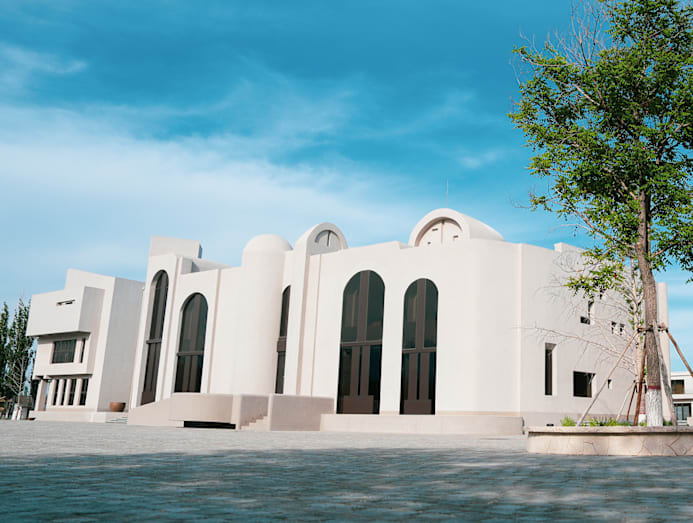
For a deeper look at one of Ningxia’s best-known agricultural products, visit Bai Rui Yuan (Goji Manor), which operates a 100-hectare goji berry plantation. Goji berries have been cultivated in Ningxia for around 600 years.
The estate features low-slung whitewashed buildings arranged around a central reflecting pool, lending it an atmosphere that feels closer to the Mediterranean than northwestern China.
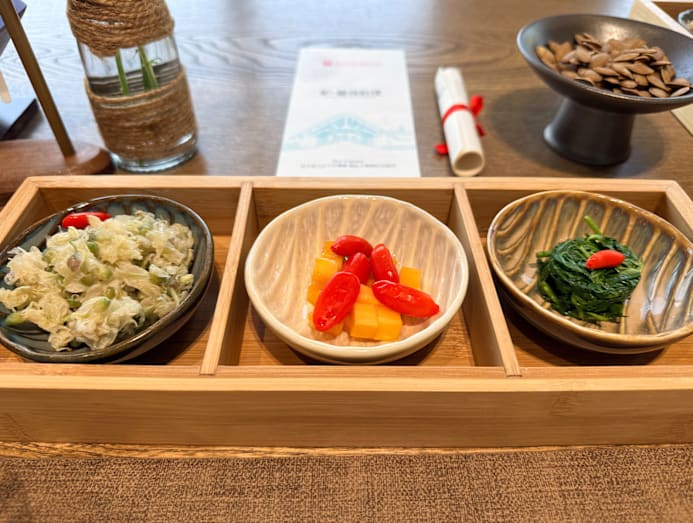
The company itself is more than 20 years old, but the estate only opened to visitors in 2023. The restaurant’s nine-course degustation menu, inspired by the Silk Road, was among the most memorable meals of our trip, with each dish drawing influence from destinations historically linked by the ancient trade route.
Thoughtful presentation, strong technical execution and high-quality ingredients combine to create a dining experience that is well worth seeking out.
Best for history buffs: Western Xia culture
Situated along the historical frontier between Chinese dynasties and the peoples of Inner Asia, Ningxia has long been shaped by cultural exchange, trade and conflict.
Ningxia and its surrounding regions were once home to the Tanguts, a people of Tibetan Plateau origin whose Western Xia Empire reached its height during the 11th and 12th centuries, making it a contemporary of China’s Song Dynasty.
The civilisation was largely destroyed during the Mongol campaigns of the 13th century. Archaeologists have since uncovered tombs, artefacts and remnants of daily life that offer valuable insight into this once-powerful kingdom.
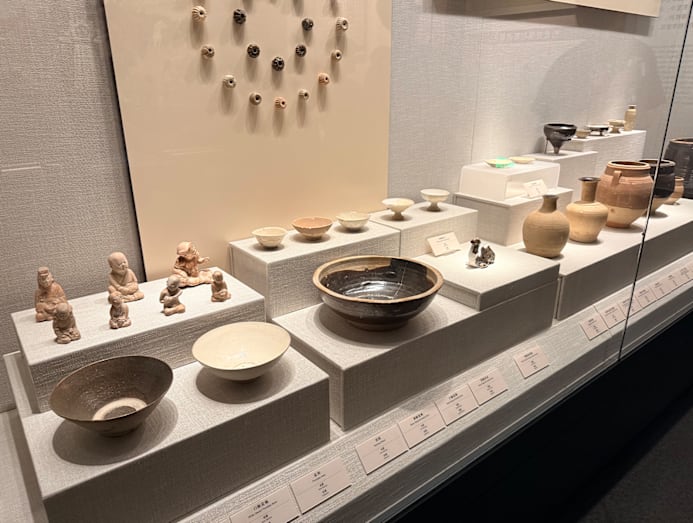
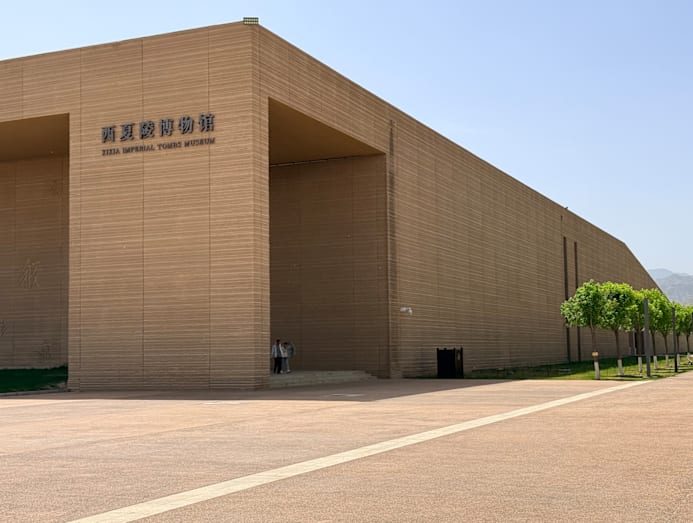
Many of these discoveries are showcased at the Xixia Imperial Tombs Museum and the nearby mausoleum complex.
Start at the museum, which opened in 2019 and serves as the main interpretive centre for the Xixia Imperial Tombs. Its galleries trace the rise and fall of the empire, exploring Tangut society, culture and governance.
The Tanguts also developed their own writing system, one of the most complex scripts of the medieval world. Examples of the script, alongside artefacts recovered from archaeological sites, help illustrate the sophistication of the civilisation.
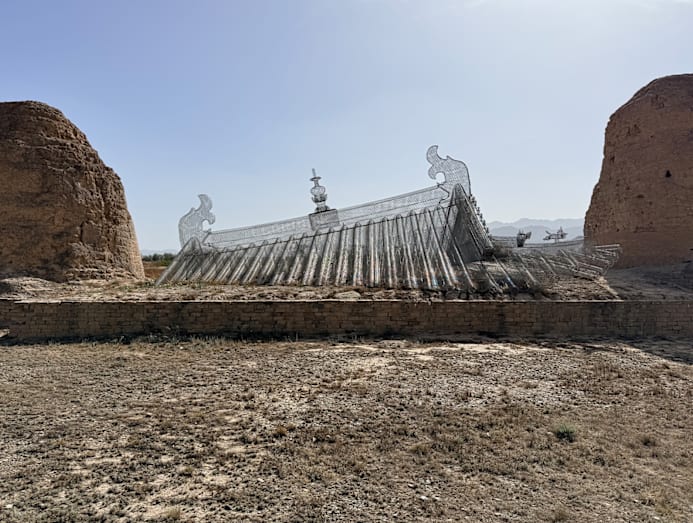
From the museum, visitors can take a shuttle bus to the mausoleum complex, which contains nine imperial mausoleums – including the tomb of the first Western Xia emperor – as well as more than 270 subordinate tombs.
Unlike the mausoleum of Emperor Qin Shi Huang and its famous terracotta army, the Xixia Imperial tombs are not open for entry. Visitors can, however, walk around the site, view the structures from designated areas and gain a sense of the scale and significance of the empire.
Be prepared for the elements. The climate can be hot, windy and dusty, and there is a fair amount of walking involved. Sun protection, comfortable footwear and plenty of water are strongly recommended.
PLAN YOUR VISIT
When to go, how to get there and how long to stay
If you do decide to visit, consider engaging an experience-led travel agency such as Charlotte Travel, a 25-year-old Hong Kong-based company that recently established a presence in Singapore. On our trip, the agency arranged for local English-speaking guide Cecilia Wu to lead the tour.
Wu, who is of Hui heritage, provided valuable insights into local culture, customs and history throughout the journey.
May is a particularly pleasant time to visit Ningxia, which has an arid continental climate. Daytime temperatures generally range from 12ºC to 32ºC, while the landscape remains green and relatively lush.
Most international visitors arrive via Yinchuan Hedong International Airport, the region’s main aviation gateway. There are no direct flights from Singapore or Kuala Lumpur, so travellers will need to connect through cities such as Kunming, Beijing or Shanghai.
We recommend setting aside at least five or six days to experience the region at a comfortable pace.
Source: CNA/bt
Get bite-sized news via a new
cards interface. Give it a try.
Click here to return to FAST
Tap here to return to FAST
FAST