Travelling to Europe in a heat wave? Here’s what to know
Residents and summer travellers alike are searching for ways to stay safe and cool as the continent swelters amid a heat wave. Here are some tips.
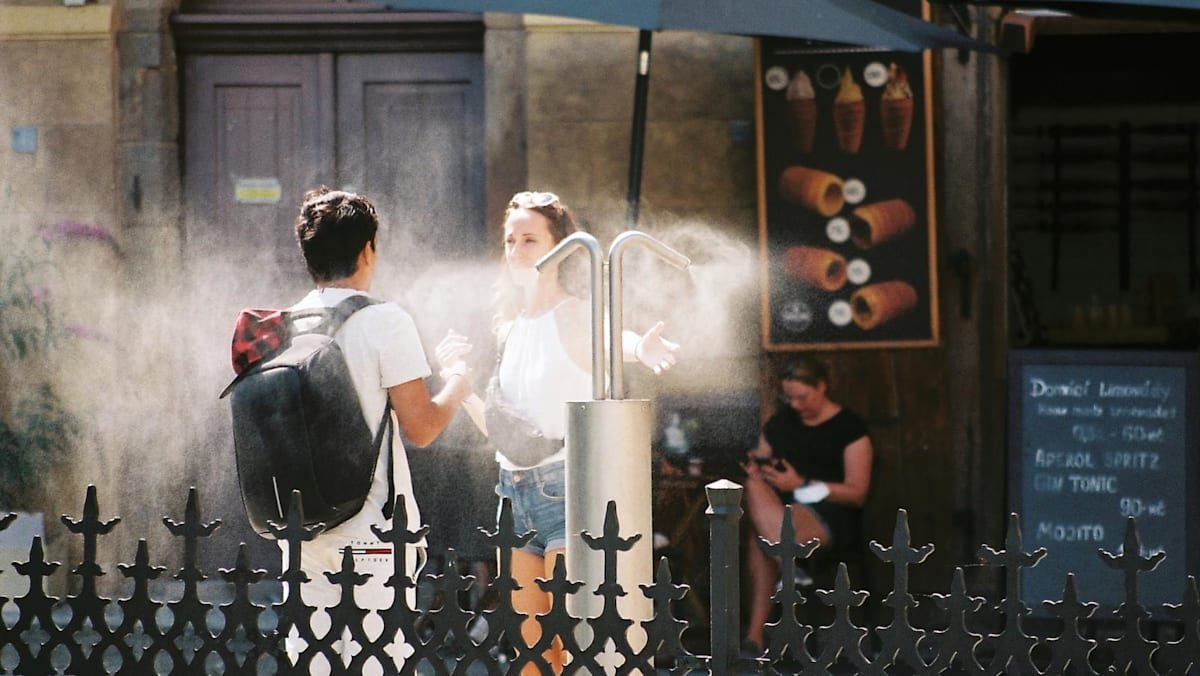
When summer temperatures become intense, shaded public spaces and cooling stations can provide a practical way to cool down. (Photo: iStock/Krystof Sasek)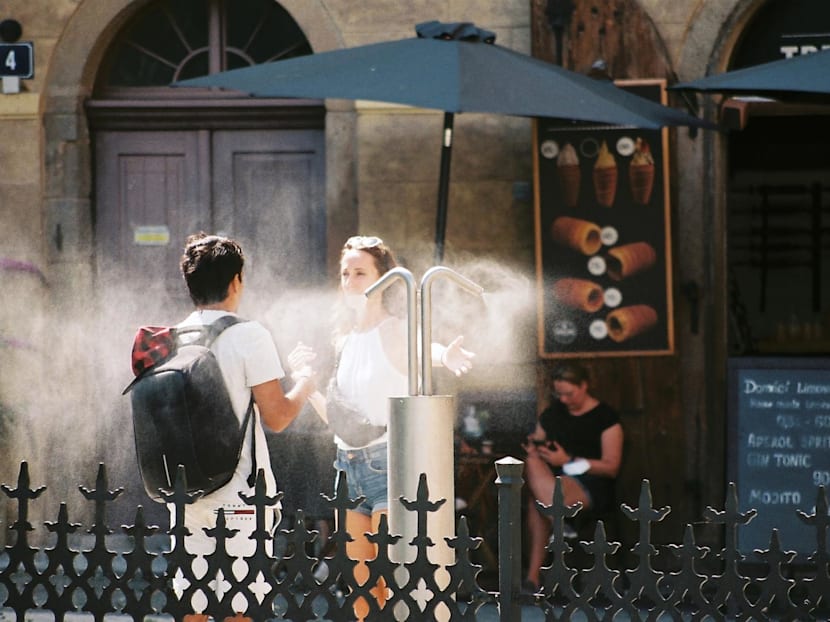
Read a summary of this article on FAST.
Get bite-sized news via a new
cards interface. Give it a try.
Click here to return to FAST
Tap here to return to FAST
FAST
European residents and summer travellers alike are searching for ways to stay safe and cool as the continent swelters amid a historic heat wave, its second in just two months.
Urgent heat warnings have been issued in more than a dozen countries. The heat has disrupted rail lines in Britain, forced popular sites like the Louvre and the Eiffel Tower to close early, and caused power grid failures in France, leaving more than 68,000 homes without electricity.
France recorded its hottest days ever on Jun 23 and Jun 24, according to the country’s weather agency, Meteo-France. The agency compared the heat wave’s severity to that of August 2003, when a 16-day hot spell caused 70,000 deaths across Europe.
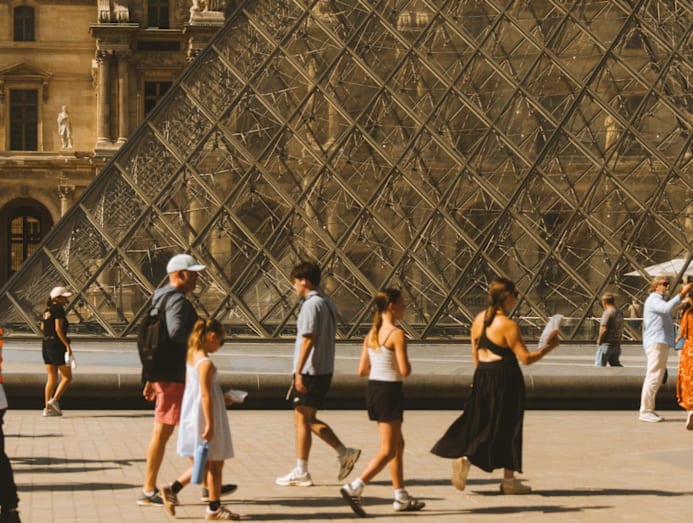
Residents throughout the continent are suffering in this extreme heat, further exacerbated by a lack of air conditioning in some European countries. At least 40 people, many of whom were teenagers, drowned in France, leading officials to warn against swimming in unsupervised areas.
Forecasters say that temperatures across Western Europe are expected to gradually return to more seasonal levels beginning on Jun 26, as Eastern Europe prepares for a scorching weekend. But the peak summer travel season in Europe typically isn’t until July and August, when temperatures generally rise even higher than in June.
Tourists, accustomed to widespread air conditioning in places like the United States, Japan and the UAE, may be even less prepared to cope with the temperatures than locals. Here’s what to know when planning a trip.
TRY TO FIND A ROOM WITH AIR-CONDITIONING
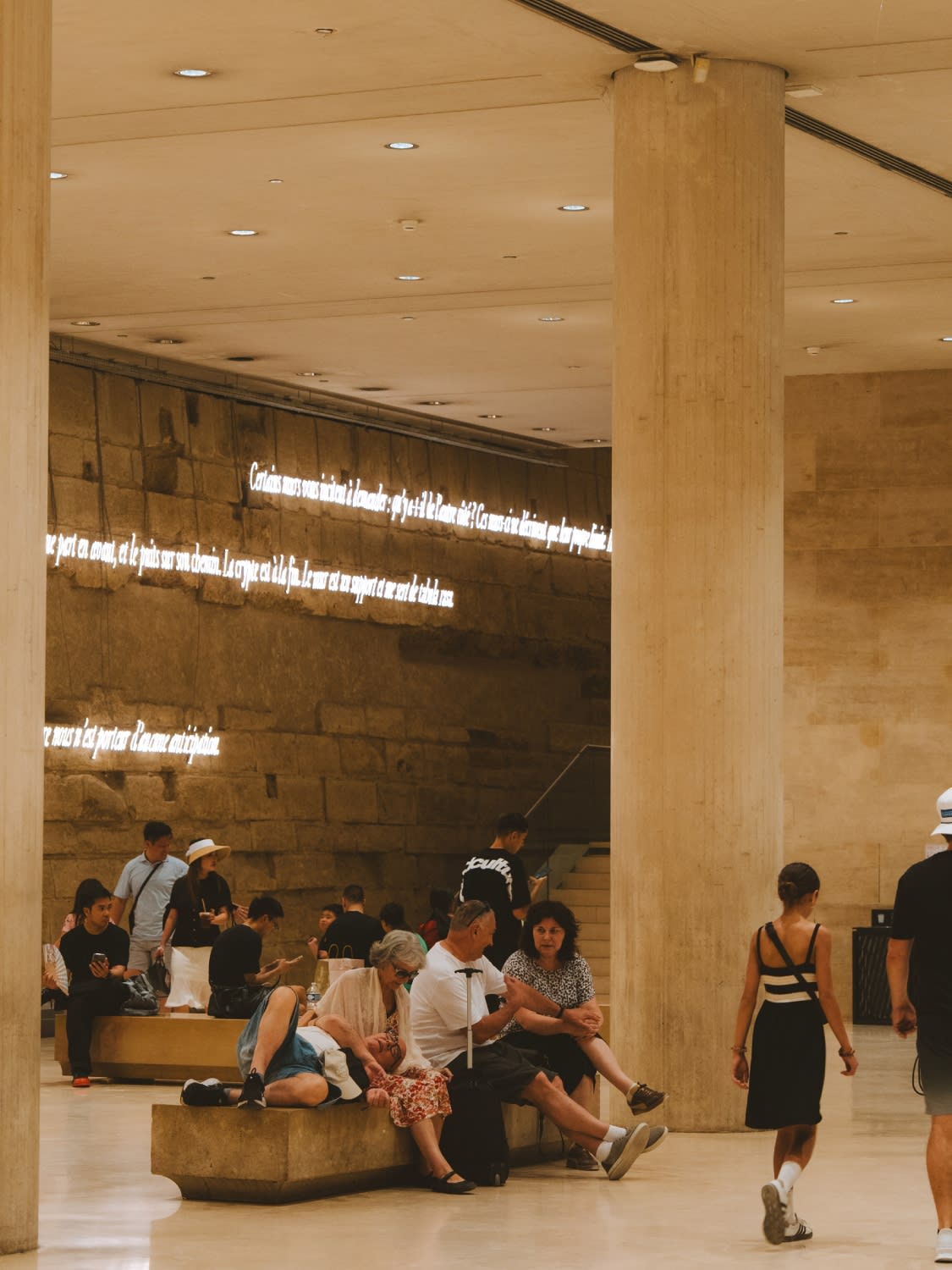
Air-conditioning is much less common in Europe than in the United States and East Asia. In France, about a quarter of homes have air-conditioning. In Britain, it’s widely considered a luxury in homes built to retain heat.
Katie Wignall, a guide with Look Up London Tours, said that most hotels will provide air-conditioning. But if you’re staying in a short-term rental, it’s good practice to double-check, since most homes lack cooling units.
Once you’re set with a place to stay, Wignall recommends getting around town on the Underground’s Circle, District and Elizabeth lines, or the London Overground, all of which are likely to have air-conditioning. While some buses are air-conditioned, others are “hotter than the sun,” Wignall said. She recommends sticking to the Tube.
In Rome, three-star hotels and above generally have air-conditioning, said Fabio Coppola, the owner of YellowSquare, a hostel chain in Rome, Milan, Florence and Athens. Coppola said it’s best to check with Airbnb owners, since locals often don’t use the amenity.
STAY CLOSE TO PARKS AND POOLS
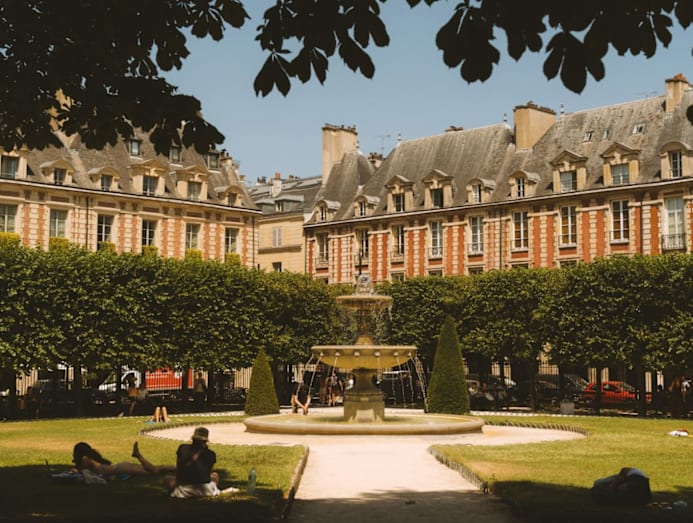
As the day heats up, you might try going for a stroll in shaded parks or cooling off in public swimming areas.
In France, the government website for Ile-de-France, the region including Paris, allows residents and visitors to search a network of climate shelters or cooling areas within a 10-minute walk. Similar information is available in Barcelona, Berlin and Vienna. Paris’s tourism office also has a list of public pools.
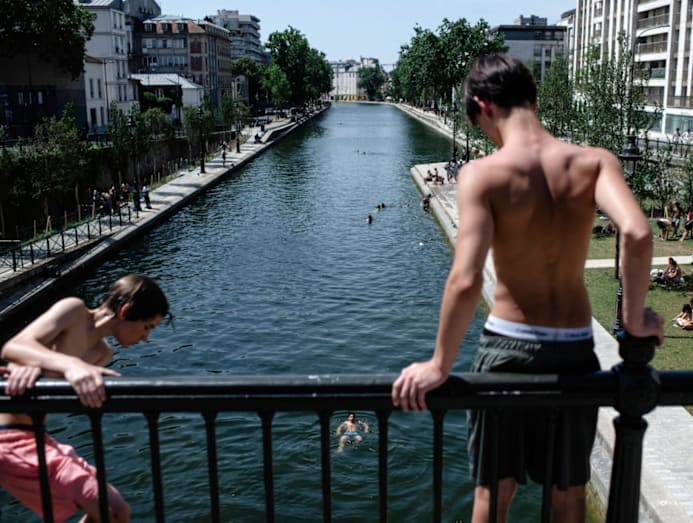
Sophie Gacheny, an independent tour guide based in Paris, recommends that visitors avoid the crowded public pools and the River Seine and instead take a lunch break next to the Canal Saint Martin, which was opened because of the heat wave. There, you can enjoy the cooled air wafting off the water — and even take a swim, though officials advise sticking to designated areas.
In London, families can cool off in the courtyard fountains of Somerset House or at Granary Square in Kings Cross. The shady, tree-lined streets of the Bloomsbury neighbourhood are worth a detour, Wignall said. The city’s 19th century “Magnificent Seven” cemeteries are an often-overlooked free space to walk in wooded areas and see some famous names.
For shade from Rome’s blistering sun, avoid the city centre and stroll through the gardens of Villa Borghese or the Giardino Degli Aranci. Or, hop on a 30-minute train and swim for free in the Mediterranean Sea at the port city of Ostia, or Santa Marinella for a “more charming and less touristy alternative,” Coppola said. If you’re visiting Milan, the Bagni Misteriosi offers a beautiful, historic public swimming pool.
HEAD UNDERGROUND
Temperatures are naturally cooler beneath the streets. In Berlin, dive back in time by touring an underground World War II bunker or escape tunnels dug in the 1960s between East and West Berlin.
In Prague, explore the city’s medieval history by touring its underground prisons, ancient cisterns and vaulted alleyways from the 13th century, which were built before flooding forced the city to be raised about 5 to 25 feet.
Near the Eiffel Tower and under Parisian ground, the Musee des Egouts de Paris, also known as Paris’s sewer museum, provides an interesting perspective on the city’s history. The Paris Catacombs are also an option, though they can get crowded.
LOOK FOR MUSEUMS, CHURCHES AND CATHEDRALS
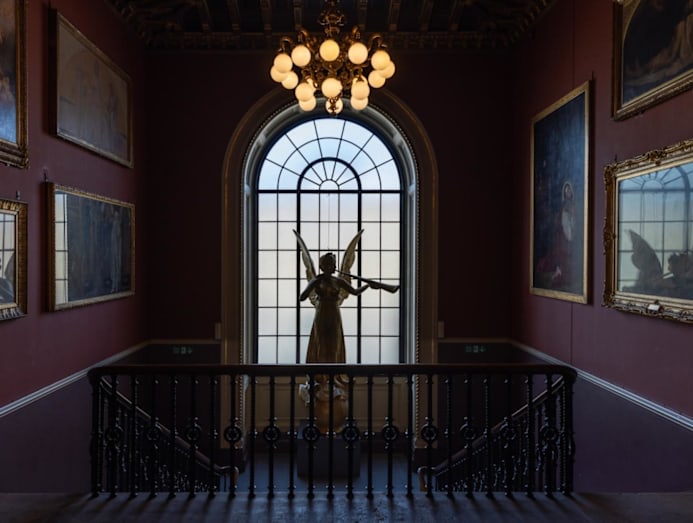
To escape the sun, tour guides recommend heading inside museums, churches and cathedrals, which tend to be cooler because of thick walls, high ceilings and, sometimes, air conditioning.
In Paris, the popular Notre-Dame Cathedral opens at 8am, which Gacheny said is the best time to go. To escape the afternoon heat, focus on museums like the Musee d’Art Moderne de Paris, or the Musee Carnavalet, where you can hear about the history of Paris for six hours in an air-conditioned aristocratic mansion. In extreme heat, make sure to check the museums’ websites beforehand, since they sometimes close early because of high temperatures.
In London, the upper floors of the Victoria and Albert Museum are Wignall’s personal favourites. Historic churches are also a great place to cool off, she said, pointing to St Bartholomew the Great and St Paul’s Cathedral, both of which are generally less crowded than the British Museum or Westminster Abbey.
START WALKING TOURS EARLY, AND BIKE IN THE AFTERNOON
In France, with the heat soaring during the day and overnight temperatures hitting records, Gacheny said it’s generally good advice to start early.
If you want to discover Parisian neighbourhoods, walk around from 7am to 11am. Take an afternoon siesta at your accommodation, or grab a bite at hotel bars and cafes, which are the best places to find air-conditioning, Gacheny said. Then head back out around 6pm for a breezy bike ride around the city.
By Ryley Ober © The New York Times.
This article originally appeared in The New York Times.
Source: New York Times/bt
Get bite-sized news via a new
cards interface. Give it a try.
Click here to return to FAST
Tap here to return to FAST
FAST
About The Author