What’s in a song? The story behind the music playing at World Cup stadiums
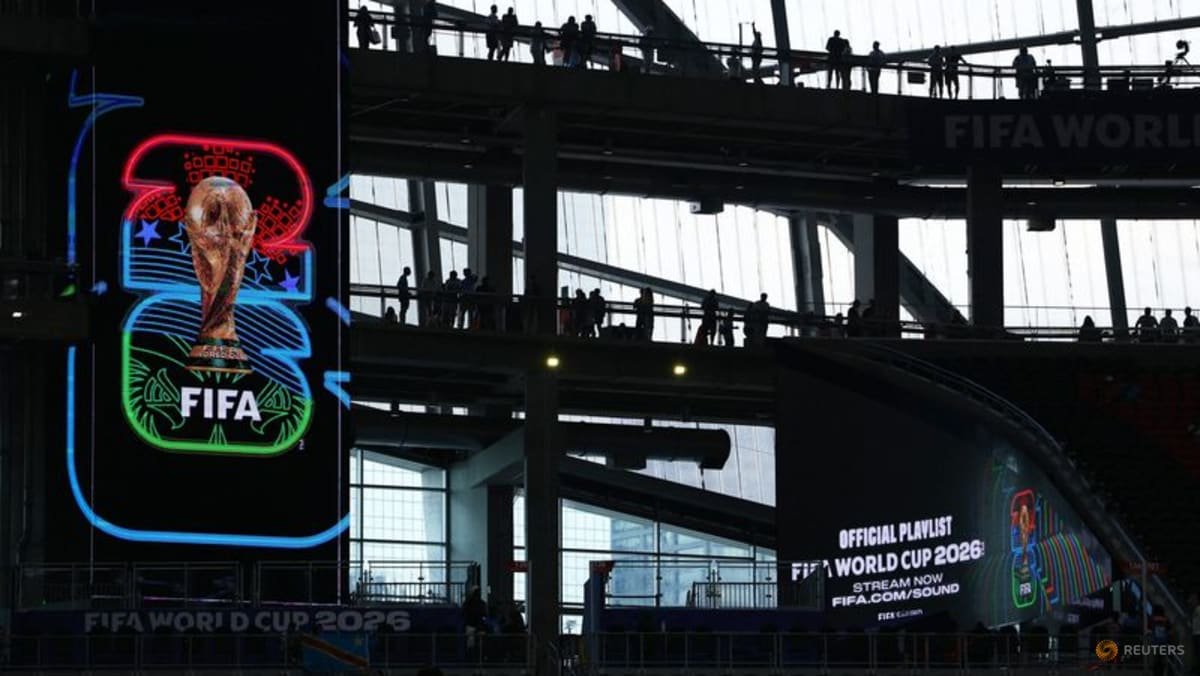
Soccer Football – FIFA World Cup 2026 – Group K – DR Congo v Uzbekistan – Atlanta Stadium, Atlanta, Georgia, U.S. – June 27, 2026 General view of a FIFA World Cup logo on display inside the stadium before the match REUTERS/Claudia Greco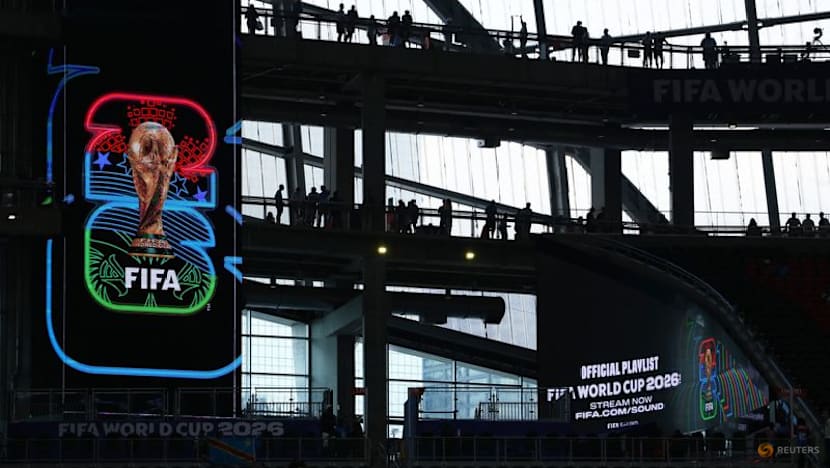
Read a summary of this article on FAST.
Get bite-sized news via a new
cards interface. Give it a try.
Click here to return to FAST
Tap here to return to FAST
FAST
NEW YORK, July 5 : Watching the World Cup and hearing the music in the stadium may have left you wondering — how is that chosen? Is it just coincidence that “Wonderwall” plays after England matches? Are “Freed from Desire” or “Livin’ on a Prayer” always played? And why?
The songs are not random. Hundreds — more than 750, in fact, according to soccer governing body FIFA — are chosen in advance. FIFA has a “Stadium Entertainment Team” that works with the participating national associations to create playlists that mix stadium classics with country-specific favourites.
Each team has a “signature” song played when the line-up is announced, a warm-up song, and a track that is played if they score a goal. And one set of fans after each game gets to sing along to the post-match winning-team tune.
The playlists give an interesting cultural snapshot of the World Cup, in which 48 teams participated for the first time in 2026.

Guess Word
Crack the word, one row at a time

Buzzword
Create words using the given letters

Mini Sudoku
Tiny puzzle, mighty brain teaser

Mini Crossword
Small grid, big challenge

Word Search
Spot as many words as you can
Some tracks — such as The White Stripes’ “Seven Nation Army,” AC/DC’s “Thunderstruck” and, yes, 1990s Eurodance hit “Freed from Desire” by Gala, which has been doing the rounds of sports stadiums for at least a decade — have global reach, appearing on more than one list.
Songs like this that become popular have certain things in common. They need to be catchy, fun, and recognizable, said Andrew Lawn, British author of “We Lose Every Week: The History of Football Chanting.”
The context is also key, he added.
“They become associated with a moment if that moment is successful,” he said. “Then they stick because that kind of emotion gets kind of attached to the song.”
Neil Diamond’s “Sweet Caroline” is an example of that, he said. Long popular with different sets of sporting fans, it caught on with England supporters in the wake of the COVID-19 pandemic, when the lyrics about “touchin’ hands, reachin’ out, touchin’ me, touchin’ you” took on a particular resonance after months of isolation and lockdowns.
MARIACHI TO MEN AT WORK
Other songs are country specific.
Argentina, for instance, have chosen Los Fabulosos Cadillacs’ “El Matador” (literally, “the killer”) as their warm-up and goal song. The track, with its chorus of “Matador! Matador!” may sound like it’s celebrating the deadly goal skills of Lionel Messi.
But the reggae-influenced song is really much darker — it’s about the Latin American dictatorships and state violence of the 1970s.
DopeNation’s irresistible 2025 dance track “Kakalika” is both the signature and goal tune for Ghana. The Ghanaian duo behind it have described it as a blend of national and global music styles and languages that is intended to embrace diversity and encourage listeners to enjoy themselves.
Mexico have chosen three different tracks by Mariachi Vargas, a mariachi folk band that was founded in 1897, has passed through several generations, and is still going strong today, and South Korea opted for a selection of K-Pop tracks by the likes of Blackpink and BTS.
When Kylian Mbappe gets a goal for France — again — supporters can sing along to French electronic duo Daft Punk’s lyrically appropriate “One More Time”. Australia’s signature tune is Men At Work’s classic “Down Under,” while Belgium’s warm-up is techno anthem “Pump Up the Jam” by Technotronic.
Sometimes the choice of song evolves over the tournament in response to fan reactions. Oasis’ “Wonderwall” has become a regular fixture after its success following England’s first World Cup 2026 match — a 4-2 victory over Croatia — when supporters sang along.
It was one of his favourite ever moments in an England shirt, connecting the team with the fans, captain Harry Kane told in-house show Lions’ Den.
“We have that connection right now, but that moment, singing ‘Wonderwall’ in the stadium — everyone knew the words — was really special,” he said.
Similarly, John Denver’s “Take Me Home, Country Roads” has quickly become a favourite for a U.S. supporters’ base that had faced criticism online for their somewhat unimaginative “USA! USA!” chant.
The lack of a distinctive chant is a reflection of a more commercial and dispersed sporting culture and for now the adoption of the Denver song — as enjoyable as it is — perhaps feels a bit artificial, said Lawn.
“All of kind of American soccer culture feels a bit forced at the moment” because it’s still relatively new, he said.
“(But) if it sticks around it will be a lovely example and in 30 years’ time if it’s still being sung then you’ll really have the kind of feeling that it’s authentic.”
Source: Reuters
Sign up for our newsletters

Get the CNA app
Stay updated with notifications for breaking news and our best stories
Get WhatsApp alerts
Join our channel for the top reads for the day on your preferred chat app

Get bite-sized news via a new
cards interface. Give it a try.
Click here to return to FAST
Tap here to return to FAST
FAST
About The Author