BOJ may raise growth forecast, maintain vigilance to inflation risk, sources say
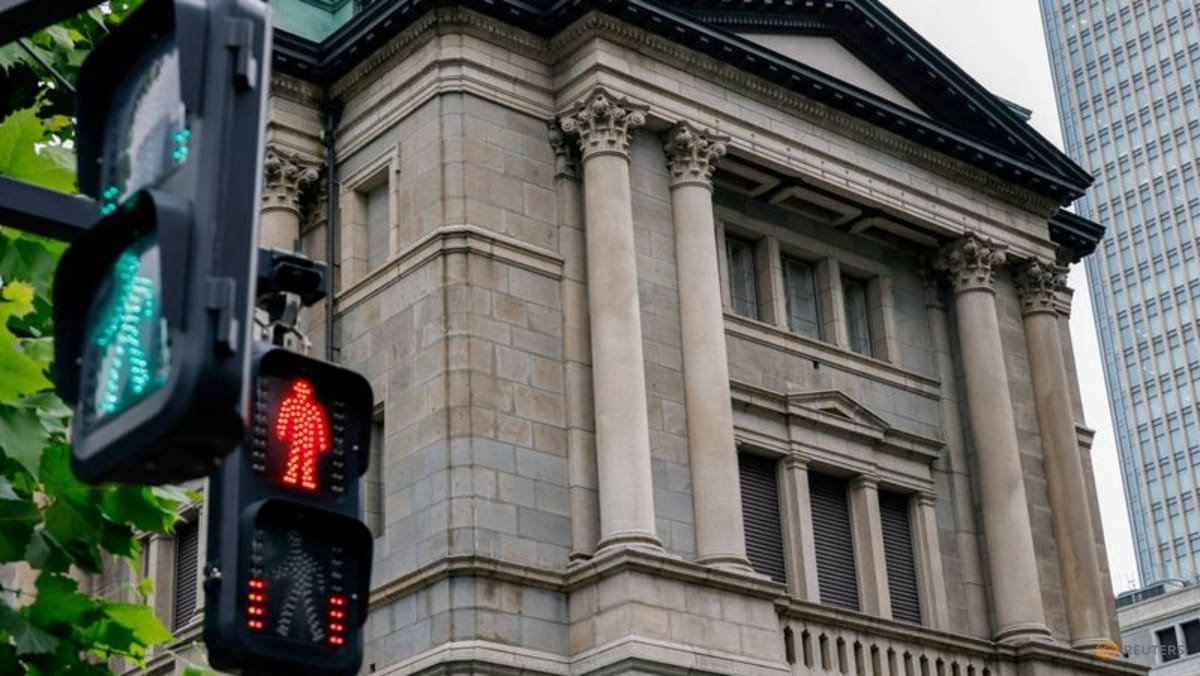
FILE PHOTO: Traffic signs in front of the Bank of Japan building in Tokyo, Japan, June 15, 2026. REUTERS/Kim Kyung-Hoon/File Photo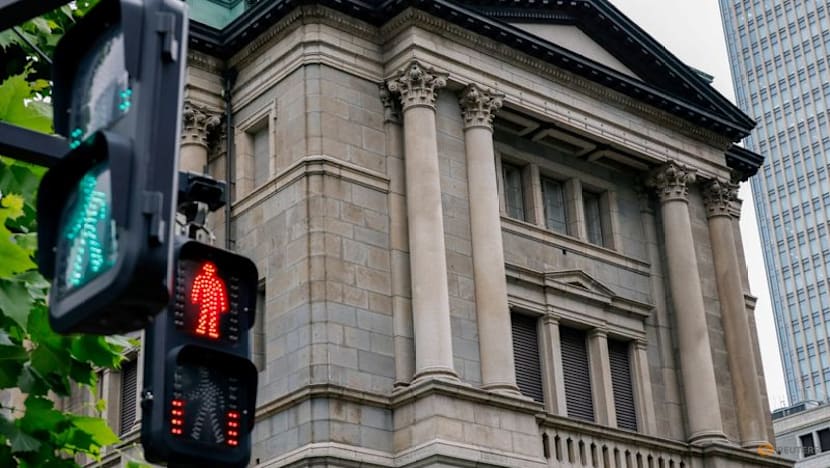
Read a summary of this article on FAST.
Get bite-sized news via a new
cards interface. Give it a try.
Click here to return to FAST
Tap here to return to FAST
FAST
TOKYO, July 10 : The Bank of Japan may revise up its economic growth forecast for fiscal 2026 and keep its focus on the risk of an inflation overshoot as rising costs from a weak yen and strong AI demand offset some of the declines in oil prices, said three sources familiar with its thinking.
The BOJ is due to release its quarterly report, including fresh growth and price forecasts, this month and investors will be looking for clues on the timing and pace of further rate hikes following June’s increase to 1 per cent.
While the central bank may trim its price forecast for fiscal 2026, that is unlikely to signal a change to the BOJ’s focus on inflationary risks as companies steadily pass on rising costs, the sources said. They declined to be named as they were not authorised to speak publicly.
The BOJ may slightly upgrade its economic growth forecast from the 0.5 per cent expansion projected in April reflecting robust AI demand and sliding fuel costs, the sources said.

Guess Word
Crack the word, one row at a time

Buzzword
Create words using the given letters

Mini Sudoku
Tiny puzzle, mighty brain teaser

Mini Crossword
Small grid, big challenge

Word Search
Spot as many words as you can
With June’s preliminary U.S.-Iran peace deal having triggered sharp falls in oil prices, the board may trim its core inflation forecast for the current fiscal year from a 2.8 per cent rise projected in April, the sources said.
But any such downgrade will not alter the BOJ’s focus on mounting price pressures from the weak yen, steady wage gains and the war-induced energy shock, they said.
The central bank is set to maintain the short-term policy rate at 1 per cent in its two-day policy meeting ending on July 31.
“With oil prices falling, downside risks to the economy have receded somewhat. But the high cost of past imports will keep putting upward pressure on prices,” one of the sources said, a view echoed by two more sources.
The Middle East war, which began when the U.S. and Israel attacked Iran on February 28, has complicated the BOJ’s policy path, stoking inflation through higher oil prices while squeezing an economy dependent on imported fuel.
Japanese companies have worked to minimise disruption by re-routing shipments and finding alternative suppliers, after Iran effectively closed the Strait of Hormuz, a vital waterway.
But the additional cost from such steps could be passed on and translate into higher inflation, the BOJ said in a report on the economies of Japan’s regions on Thursday.
Brisk global AI demand is pushing up prices of semiconductor chips and electronic equipment, which could eventually lift consumer goods prices, the sources said.
CENTRAL BANK EXPECTED TO KEEP RAISING RATES
A stubbornly weak yen has made imports more expensive and caused a spike in wholesale inflation. Even dovish BOJ board member Toichiro Asada said on Monday the pass-through of higher oil prices has been proceeding at a “relatively rapid pace” and could lead to broader price rises across a wide range of goods.
Such a scenario means the BOJ is likely to retain its vigilance to inflation risks and roughly maintain its guidance to keep raising interest rates in the July report, they said.
Still, the central bank may stay clear of offering explicit signals on the timing of the next rate hike, which will depend much on how far consumer prices rise during the summer.
Wholesale inflation spiked 7.1 per cent in June as firms passed on rising raw material costs. But core consumer inflation, the BOJ’s key price gauge, stayed below its 2 per cent target for a fourth straight month in May due to government subsidies designed to shield households from rising fuel costs.
In the regional report, the BOJ said many firms will probably raise prices of food and daily necessities from summer onward, which is seen pushing up consumer prices later this year.
The July consumer price index (CPI) data will be released on August 21 with August’s number due on September 18. Both sets of data will be available when the BOJ holds its policy meetings in September and October.
The BOJ raised rates to a 31-year high in June in a landmark step in its policy normalisation, signalling readiness to tighten further as it focuses on taming price pressures from the energy shock. Most analysts polled by Reuters expect the BOJ to raise rates again to 1.25 per cent by year-end.
Source: Reuters
Sign up for our newsletters

Get the CNA app
Stay updated with notifications for breaking news and our best stories
Get WhatsApp alerts
Join our channel for the top reads for the day on your preferred chat app

Get bite-sized news via a new
cards interface. Give it a try.
Click here to return to FAST
Tap here to return to FAST
FAST
About The Author