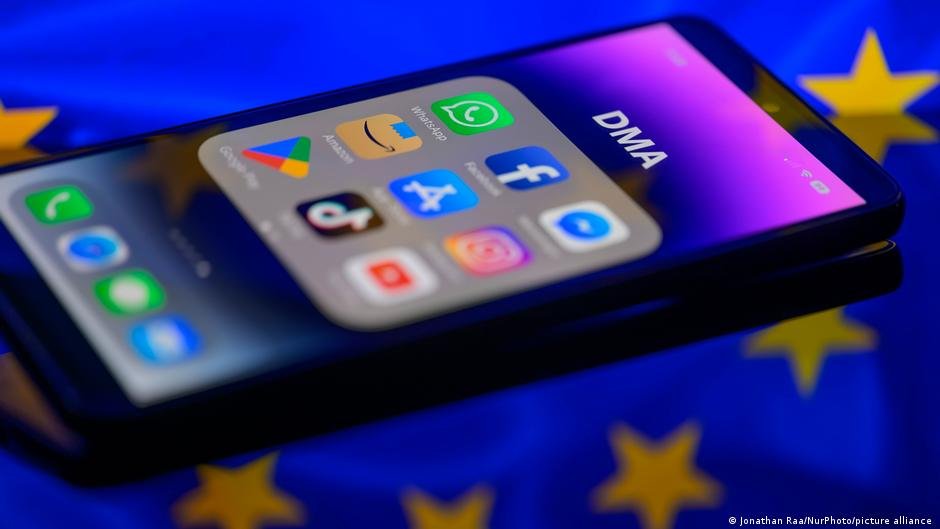
The European Union has charged social media giant Meta with breaching the bloc’s tech rules, threatening it with a heavy fine unless it changes Facebook’s and Instagram’s “addictive design.”
This was revealed in the preliminary findings of an EU probe launched in 2024 to look into the US-based company’s practices, especially in regards to protecting children. Brussels already issued a similar warning to TikTokback in February.
It is part of wider efforts by the EU to force Big Tech to better protect its users.
What are the EU accusations against Meta?
The European Commission said Meta had failed to properly assess the addictive risks posed by certain features of its popular social media platforms.
It argued that features such as highly personalized recommendations, autoplay and infinite scroll continuously feed users new content, making them more likely to stay longer on the apps.
Reels and stories, different video-sharing formats offered by Facebook and Instagram, could lead to excessive or compulsive use, the commission found.
Brussels also addressed Meta’s measures to mitigate such risks, finding them inadequate. It said time management tools are easily dismissable, whereas parental controls needsignificant time, effort and technical knowledge to become effective.
In April, the EU also accused Meta of failing to prevent children under 13, the minimum age for using Facebook and Instagram in the EU, from using the platforms.
In order to avoid hefty fines, the commission said Meta must:
- Disable features such as autoplay and infinite scroll by default
- Introduce effective screen-time breaks
- Make its recommendation system less centered on driving engagement
“Protecting the physical and mental health of Europeans must be a priority for social media platforms,” EU tech chief Henna Virkkunen said in a statement.
To view this video please enable JavaScript, and consider upgrading to a web browser that supports HTML5 video
How did Meta respond?
Meta rejected the EU accusations, saying they do not recognize the steps it has taken to protect teens.
“Since this investigation began, we rolled out Teen Accounts that automatically protect teens and put parents in control – allowing them to block access to Instagram at night and cap daily screen time at just 15 minutes,” Meta spokesperson Ben Walters said.
It vowed to continue to engage constructively with EU regulators.
“We share the European Commission’s commitment to providing teens with safe, positive online experiences and will continue to engage constructively with them,” Meta said in a statement.
To view this video please enable JavaScript, and consider upgrading to a web browser that supports HTML5 video
What happens next?
If Meta fails to comply, it faces a fine of up to 6% of its global annual turnover. The tech giant can respond to the charges before a final decision is issued in the coming months.
“Our starting point is that, based on our findings, this design is too addictive and changes need to be made,” EU tech chief Virkkunen told Reuters. “The next step is either that Meta changes its design or a non compliance decision will follow.”
Last month, Meta failed to dismiss claims by 29 US state attorneys general that its Facebook and Instagram platforms are addictive to children.
Friday’s findings come ahead of a Monday EU session where a panel of experts is due to deliver recommendations on how the bloc can better shield children online from inappropriate content.
The bloc is mulling a social media ban for children, akin to the one introduced in Australia late last year.
To view this video please enable JavaScript, and consider upgrading to a web browser that supports HTML5 video
Edited by: Natalie Muller
Don’t let the algorithm hide the news. If you rely on our team for trusted reporting, please take a moment to select us as your Preferred Source on Google by clicking here and hitting the “star” or “preferred” button, so you’ll always see our verified news first.
About The Author