CNA Explains: What are fire clouds, and why are they making Europe’s wildfires more dangerous?
Wildfires can become so intense that they create their own weather. Here’s what you need to know about pyrocumulonimbus clouds and why they are raising alarm in Europe.
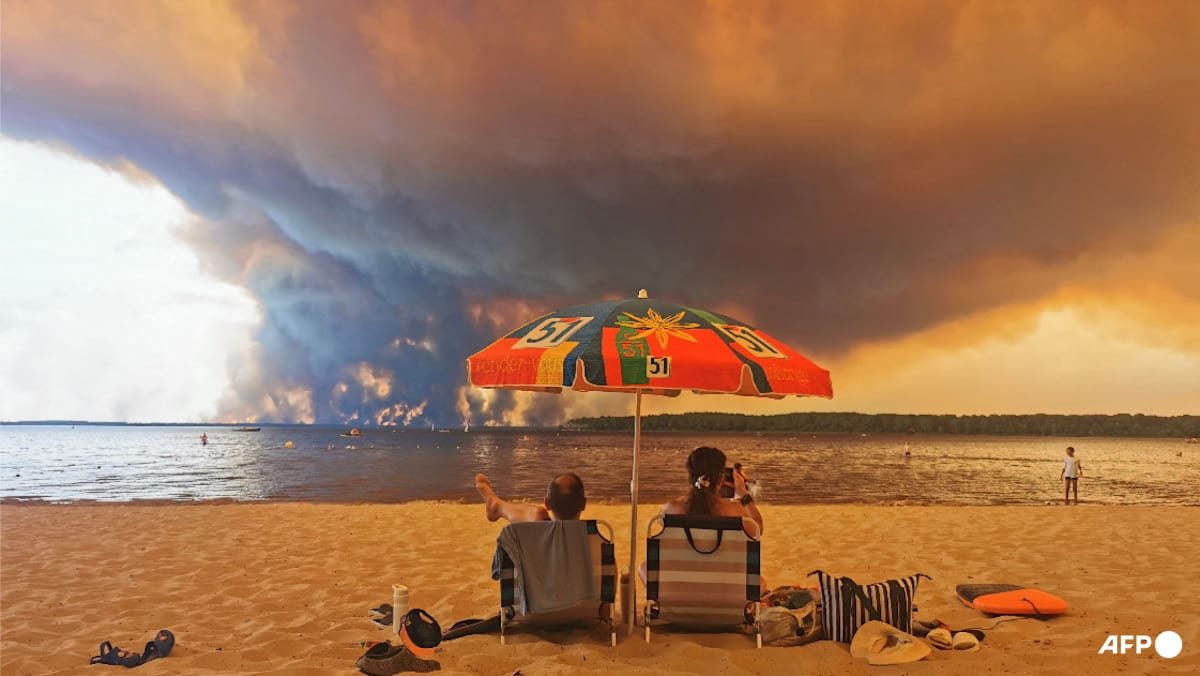
Beachgoers watch as clouds of smoke from a wildfire rise into the sky at Moutchic in Lacanau, southwestern France, Jul 24, 2026. (Photo: AFP/Maximilien Lamy)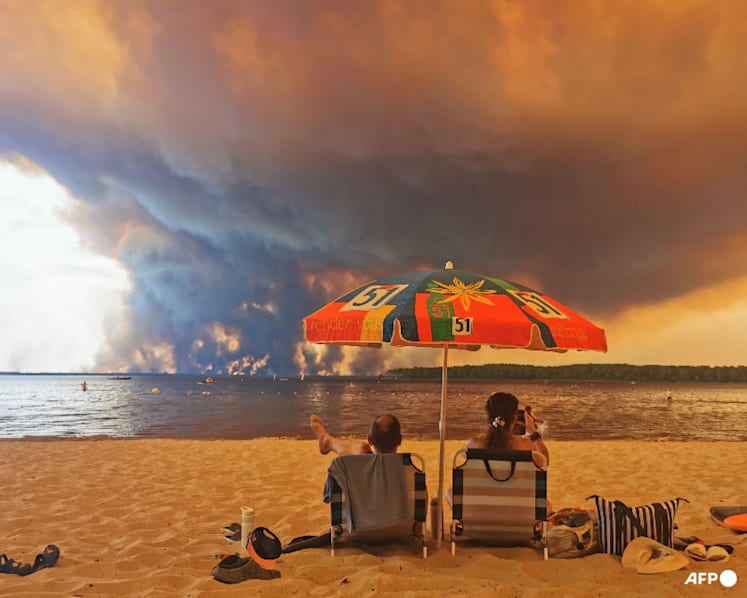
New: You can now listen to articles.

This audio is generated by an AI tool.

Read a summary of this article on FAST.
Get bite-sized news via a new
cards interface. Give it a try.
Click here to return to FAST
Tap here to return to FAST
FAST
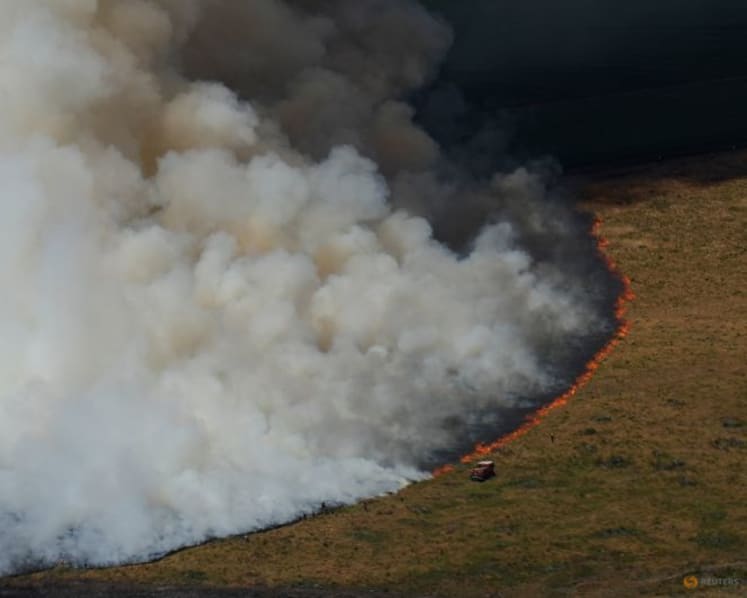
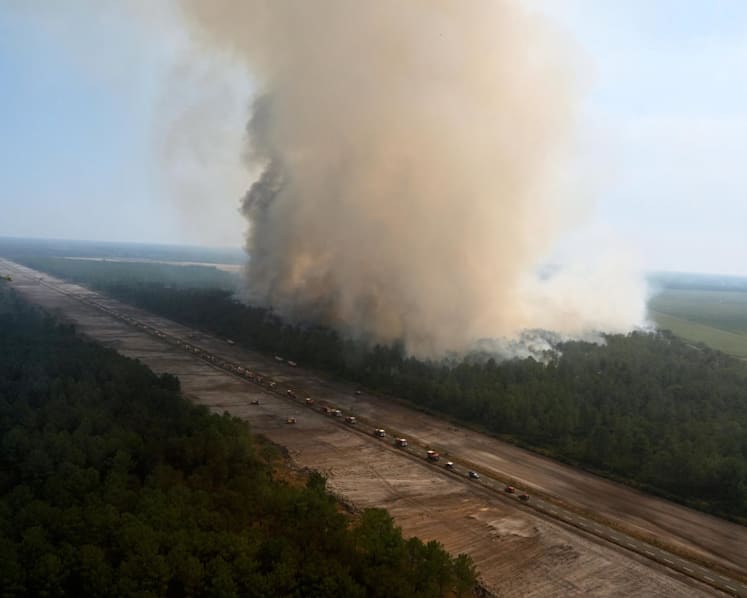
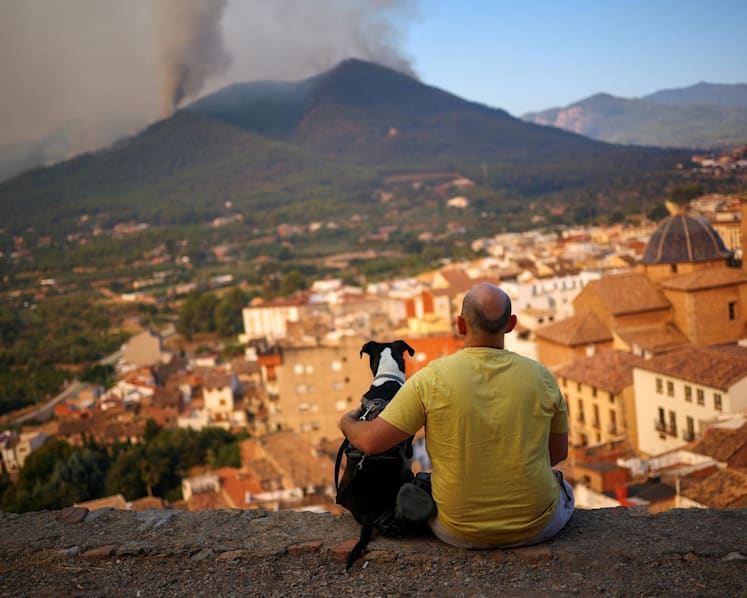
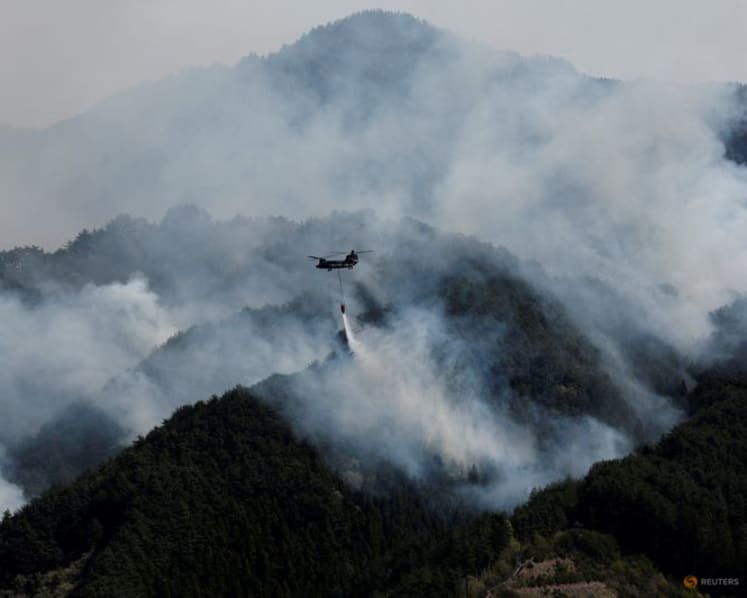
As firefighters battle massive wildfires across France and Spain, one rare phenomenon is drawing increasing attention: menacing storm clouds that are capable of creating their own volatile weather.
Pyrocumulonimbus clouds, also known as “fire clouds”, are generated by infernos and can make an already dangerous blaze even more intense and unpredictable.
When a wildfire becomes exceptionally large and hot, the immense heat acts like a giant chimney, sending large quantities of hot air, smoke, ash and water vapour rapidly upwards.
As the plume rises into cooler layers of the atmosphere – sometimes reaching the stratosphere – low air pressure causes the moisture to condense into a towering mushroom cloud resembling an ominous thunderstorm.

Guess Word
Crack the word, one row at a time

Buzzword
Create words using the given letters

Mini Sudoku
Tiny puzzle, mighty brain teaser

Mini Crossword
Small grid, big challenge

Word Search
Spot as many words as you can
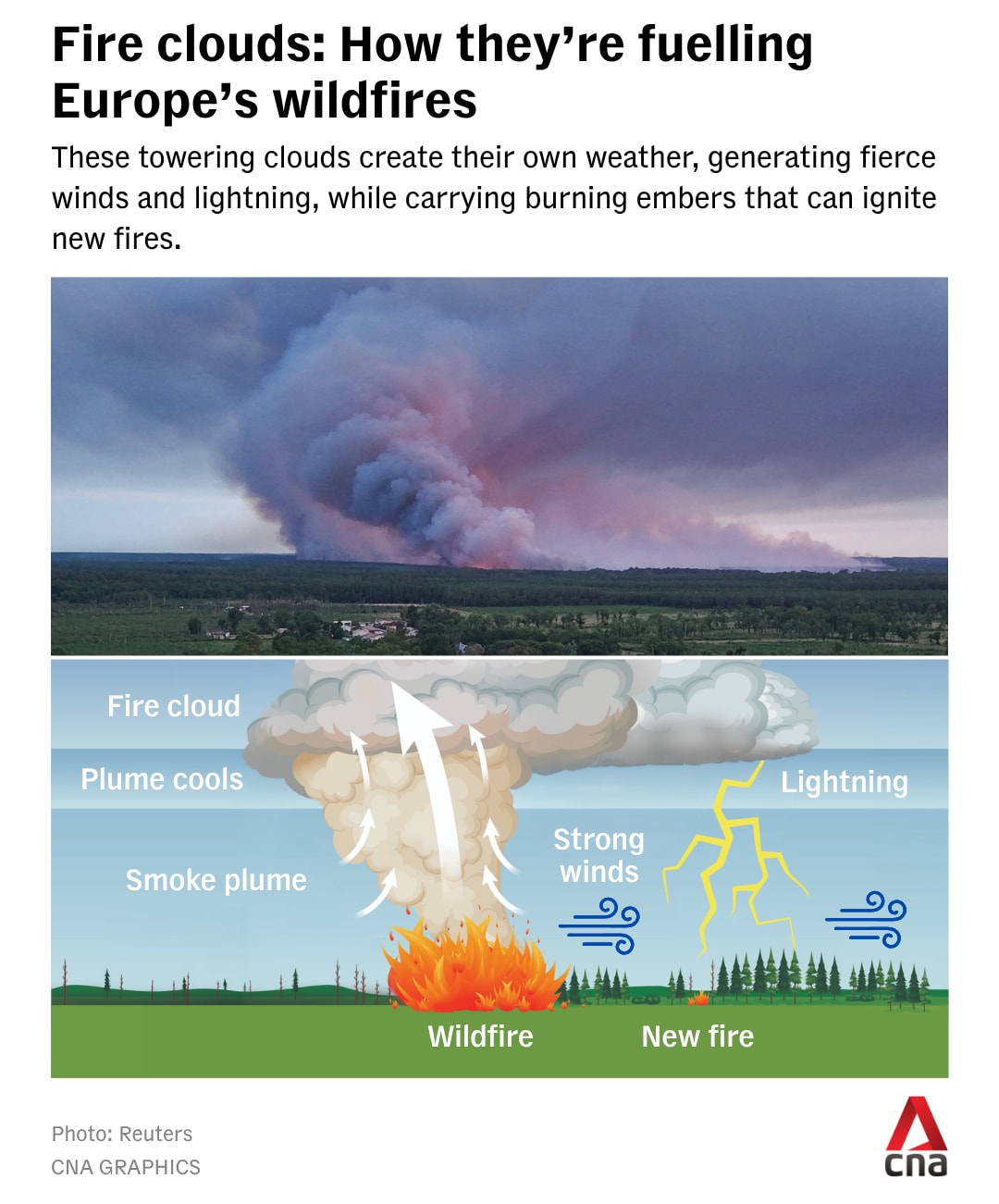
On the ground, enormous heat from the fire produces powerful updrafts while cooler air rushes in to replace the rising hot air. This can cause strong, erratic winds around the blaze, pushing flames in different directions and creating dangerous, fast-changing conditions.
WHY ARE FIRE CLOUDS SO DANGEROUS?
The biggest threat posed by pyrocumulonimbus clouds is that they can dramatically accelerate the spread of a wildfire.
Under extreme conditions, fire clouds can even generate lightning that could strike far from the original fire.
“These thunderstorms generated from the fire plumes can lead to even more erratic conditions, which are very, very difficult to contain,” said Craig Clements, professor and director of San Jose State University’s Wildfire Interdisciplinary Research Center.
Powerful updrafts can also carry burning embers high into the atmosphere before dropping them kilometres away, allowing the flames to leap across roads, rivers and firebreaks to ignite new fires.
“These clouds … can create their own fire behaviour,” said S Muthu Kumaran, assistant research professor at the Worcester Polytechnic Institute’s Department of Fire Protection Engineering.
“Once these clouds become strong enough, they can sustain ember transport over very long distances … subsequently rain down those embers (and) induce spot fires at different locations far from the main fire line.”
The rapidly shifting winds generated by the clouds can make fires harder to predict, while felling trees and putting firefighters at greater risk.
Fire clouds have been linked to some of the world’s most destructive bushfires, including Australia’s Black Summer fires in 2019 and massive wildfires in California in 2022.
The current wildfires in Europe have drawn additional concerns after French authorities said they may have generated the country’s first documented fire cloud.
WHY ARE THEY APPEARING IN EUROPE NOW?
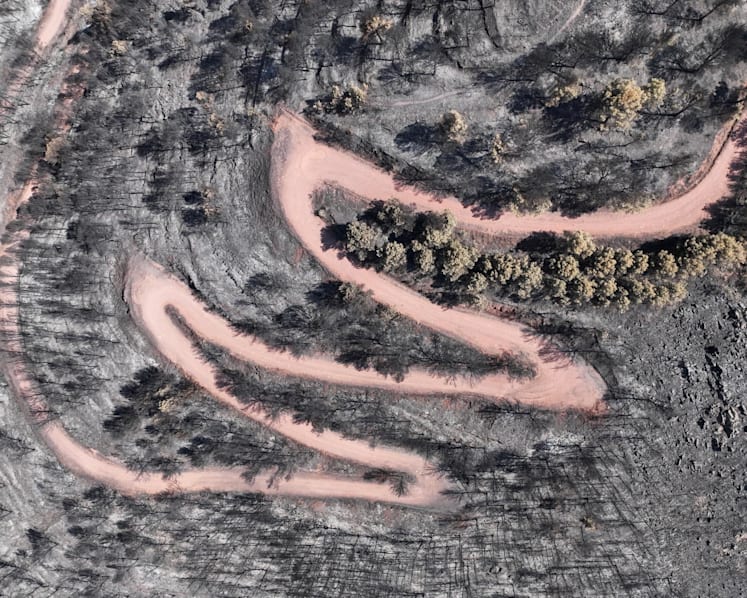
Experts say the wildfires across France and Spain have been fuelled by an intense combination of sweltering, dry weather and strong winds.
Western Europe is enduring record-breaking heatwaves with minimal rain this summer, leaving forests exceptionally dry and highly combustible.
“When this kind of massive heatwave hits, there’re droughts everywhere. The moisture of the fuels goes down rapidly and they’re ripe to burn, sustaining a faster fire spread,” said Kumaran. Fuels refer to vegetation that can burn, including trees, shrubs, grass, branches and fallen logs.
The parched vegetation allows fires to burn hotter and longer, increasing the chances that they become intense enough to generate fire clouds.
But not every wildfire generates a fire cloud. The blaze must be intense enough to release enormous amounts of heat, while atmospheric conditions must also allow the smoke plume to rise high into the atmosphere to form a pyrocumulonimbus cloud.
WILL CLIMATE CHANGE MAKE FIRE CLOUDS MORE COMMON?
The fires have renewed attention to the impact of climate change on Europe’s increasingly destructive wildfire seasons. Over the past two decades, the amount of land burned by wildfires each year across the continent has steadily increased.
Spanish Prime Minister Pedro Sanchez said the blazes were not isolated disasters but part of a broader climate crisis.
“This is no longer an exception. It’s the new reality. It’s the most painful expression of a climate emergency that’s making sixth-generation wildfires more voracious, heatwaves more frequent and, as a result, our territory more vulnerable,” he said.
Experts say climate change does not directly create fire clouds, but it does make the conditions needed for them far more likely.
“The big elephant in the room is climate change,” Clements told CNA’s Asia Now programme. “A warmer world (with) record-breaking temperatures – that causes fuels to be more arid, which causes them to be easier to ignite.”
That has raised concerns that pyrocumulonimbus clouds could become a more common feature of Europe’s wildfire seasons as the continent continues to warm.
Want an issue or topic explained? Email us at digitalnews [at] mediacorp.com.sg. Your question might become a story on our site.
Source: CNA/dn(oc)
Sign up for our newsletters

Get the CNA app
Stay updated with notifications for breaking news and our best stories
Get WhatsApp alerts
Join our channel for the top reads for the day on your preferred chat app

Get bite-sized news via a new
cards interface. Give it a try.
Click here to return to FAST
Tap here to return to FAST
FAST
About The Author