Major central banks steer a cautious hiking path
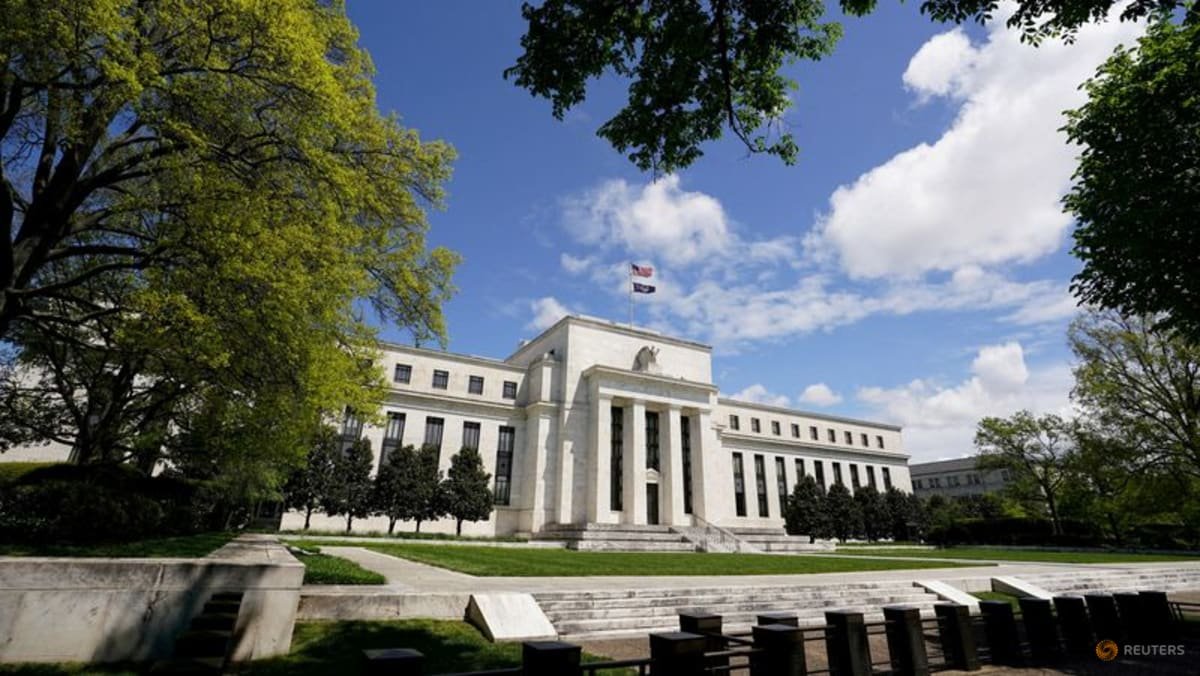
FILE PHOTO: The Federal Reserve building is set against a blue sky in Washington, U.S., May 1, 2020. REUTERS/Kevin Lamarque/File Photo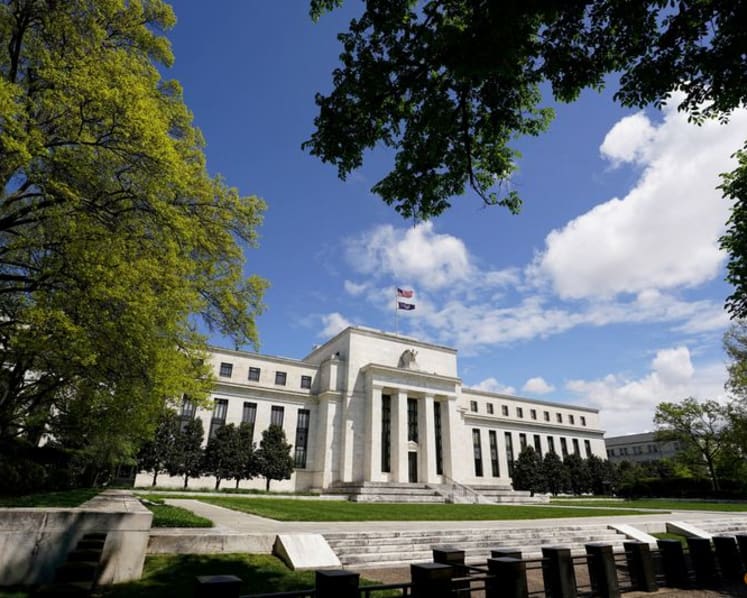
Read a summary of this article on FAST.
Get bite-sized news via a new
cards interface. Give it a try.
Click here to return to FAST
Tap here to return to FAST
FAST
LONDON/MILAN , July 30 : The bond market selloff after this week’s Federal Reserve meeting highlights the challenge policymakers face as they grapple with what higher energy prices and the uncertain consequences of AI advances will mean for their economies.
The Fed left interest rates unchanged on Wednesday, even as chief Kevin Warsh pledged an unwavering commitment to bring inflation down, confusing traders and triggering heavy selling in longer-dated bonds.
The Bank of England held rates steady on Thursday, and the Bank of Japan faces its own dilemma on Friday.
Here’s where central banks in the Group of 10 developed economies stand, ranked from the highest policy rate to the lowest.

Guess Word
Crack the word, one row at a time

Buzzword
Create words using the given letters

Mini Sudoku
Tiny puzzle, mighty brain teaser

Mini Crossword
Small grid, big challenge

Word Search
Spot as many words as you can
1/ AUSTRALIA
The Reserve Bank of Australia has raised interest rates three times this year to 4.35 per cent, the highest in the G10, fully reversing last year’s cuts.
It now looks on hold for a while after Wednesday’s inflation data undershot forecasts, though the RBA chief says policy makers are prepared to raise rates again.
Markets see a further hike later this year as likely but not certain.
2/ NORWAY
Norges Bank meets in mid-August. It’s already in hiking mode after a surprise move in May to curb inflationary pressures fuelled by the Iran war, but left rates unchanged at 4.25 per cent last month.
August is looking like a hold after core inflation slowed in June, helped by the short-lived decline in oil prices.
3/ BRITAIN
The Bank of England kept interest rates on hold at 3.75 per cent, as expected on Thursday, but a third of its nine ratesetters backed a hike.
The rest appear in no rush to raise rates, however, sticking with the wait-and-see approach of Governor Andrew Bailey which he hopes will ensure inflation does not overshoot its 2 per cent target by too much this year.
4/ UNITED STATES
A divided Fed left rates unchanged on Wednesday and Warsh declined to offer any clues about the rate path.
The lack of clarity heightened investor concerns about whether the Fed needs to do more to rein in inflation and steepened the U.S. bond yield curve as 30-year yields hit 19-year highs.
President Donald Trump, who hand-picked Warsh and called him “brilliant” following the Fed meeting, has made no secret in the past of his desire to see rate cuts.
5/ NEW ZEALAND
The Reserve Bank of New Zealand raised its benchmark rate to 2.5 per cent, its first hike in three years earlier in July.
With second-quarter inflation hitting a 2-1/2-year high, markets see the RBNZ tightening once more in September and again by year-end.
6/ EURO ZONE
The European Central Bank left rates unchanged last week and traders still price two more hikes by early 2027.
President Christine Lagarde held the door open to a rate increase in September on top of a June hike, which left the deposit rate at 2.25 per cent.
The euro zone is vulnerable to higher energy prices, but Thursday data showed its economy grew faster than expected last quarter as surging investment in AI and ample government spending helped offset a drag from high energy costs.
7/ CANADA
The Bank of Canada, this month, left its key policy rate unchanged for a sixth consecutive meeting, following an aggressive easing cycle last year that lowered borrowing costs to 2.25 per cent by October 2025.
Its rate outlook will hinge largely on energy prices and the evolution of trade relations with the United States, the two main risks to the inflation outlook.
8/ SWEDEN
Sweden’s Riksbank is in the dovish camp, and in June kept its policy rate unchanged at 1.75 per cent.
Sweden’s fossil-free energy mix has muted the impact of higher oil prices on inflation, though markets see one rate hike by year-end.
9/ JAPAN
The Bank of Japan is expected to keep rates steady at 1 per cent on Friday. After raising rates in June, a second successive hike would be unusual.
But given mounting inflationary pressure from the Middle East war, a weak yen and robust global AI demand, investors will be watching to see how hawkish Governor Kazuo Ueda sounds at his press conference.
Dovishness could weigh on the yen, already around a 40-year low on the dollar. [FRX/]
10 / SWITZERLAND
The Swiss National Bank’s key rate is at 0 per cent, the lowest among developed markets, but a steady policy stance could prove enough to tame inflation, after the ECB has embarked on a tightening cycle.
While acknowledging inflation risks from higher energy prices, policymakers argued at their last meeting inflation was unlikely to rise rapidly above the 2 per cent target.
Source: Reuters
Sign up for our newsletters

Get the CNA app
Stay updated with notifications for breaking news and our best stories
Get WhatsApp alerts
Join our channel for the top reads for the day on your preferred chat app

Get bite-sized news via a new
cards interface. Give it a try.
Click here to return to FAST
Tap here to return to FAST
FAST
About The Author