Analysis:BOJ’s rate-hike path runs into Takaichi’s bond market problems
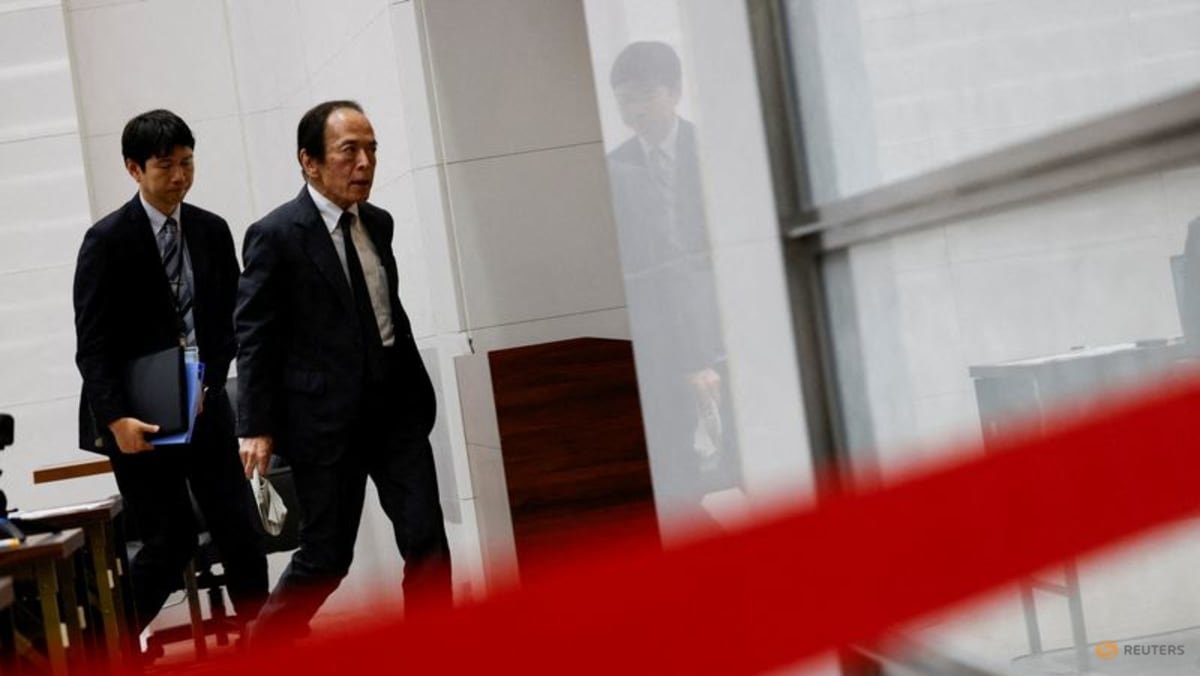
FILE PHOTO: Bank of Japan Governor Kazuo Ueda attends a press conference after a policy meeting at BOJ headquarters, in Tokyo, Japan, July 31, 2026. REUTERS/Manami Yamada/File Photo
Read a summary of this article on FAST.
Get bite-sized news via a new
cards interface. Give it a try.
Click here to return to FAST
Tap here to return to FAST
FAST
TOKYO, Aug 10 : The Bank of Japan may be edging toward an early rate hike, but it faces a growing risk that any move to tighten policy will be offset by mounting political pressure to support the bond market.
As government spending plans drive yields higher, the BOJ is being drawn into an increasingly awkward battle to defend its push to normalize policy and resist calls to resume the very bond-buying it is trying to unwind.
Concern over Prime Minister Sanae Takaichi’s expansive fiscal agenda has pushed Japanese government bond yields higher, raising borrowing costs for a country with the developed world’s heaviest debt burden and drawing the ire of Washington over spillovers into U.S. Treasury markets.
Mindful of the impact rising yields could have on Japan’s debt-servicing costs, Takaichi pledged last month to enhance communication with markets to preserve confidence in Japan’s finances.

Guess Word
Crack the word, one row at a time

Buzzword
Create words using the given letters

Mini Sudoku
Tiny puzzle, mighty brain teaser

Mini Crossword
Small grid, big challenge

Word Search
Spot as many words as you can
Domestic media reported that Takaichi had urged BOJ Governor Kazuo Ueda during a May meeting to buy more bonds when necessary to curb rises in long-term rates.
Subsequent remarks by her allies have underscored the administration’s unease with higher yields and the BOJ’s balance-sheet reduction.
In July, a reflationist aide of Takaichi said the administration paid “very high” attention to bond yield moves, and had relayed investor concerns over the BOJ’s “too-rapid” balance-sheet reduction.
“The Takaichi administration puts more emphasis on the quantitative aspect of monetary policy rather than conventional tools like interest rate hikes,” said Toshihiro Nagahama, who was hand-picked by the premier to join a government panel.
Economy Minister Minoru Kiuchi, another reflationist ally of Takaichi, warned of the economic consequences of the BOJ’s balance-sheet reduction and urged policymakers to prioritize market stability, according to minutes of the bank’s June meeting.
Some analysts say such pressure may already have influenced policy, pointing to the BOJ’s decision in June to pair a rate hike with a suspension of its bond-taper plan from next fiscal year.
While markets remain focused on the pace and timing of future rate hikes, some analysts are watching a growing political debate over rising bond yields and what it could mean for the BOJ’s bond-tapering plans during periods of market stress.
“Demanding the BOJ to buy bonds when long-term rates are rising would backfire by stoking concerns over fiscal dominance and casting doubt on the central bank’s ability to combat inflation,” said former BOJ official Nobuyasu Atago.
Takaichi is known as a fan of deceased premier Shinzo Abe’s “Abenomics” accommodative policies that included a massive monetary stimulus focusing on reflating growth with big asset buying.
COST OF PROLONGED EASING
For the BOJ, however, renewed bond buying would cut against years of efforts to exit extraordinary stimulus.
The central bank ended yield-curve control in 2024 and launched a bond-tapering programme as part of a broader normalization strategy.
Reversing course now would risk undermining the credibility of that transition and its efforts to breathe life back to a market made dormant by years of heavy purchases.
The BOJ has stressed it would step up bond purchases only through emergency operations if yields rise in a disorderly manner that is disconnected from economic fundamentals and threatens financial stability.
While a nudge from U.S. Treasury Secretary Scott Bessent may deter the administration from opposing an early rate hike, the BOJ is bolstering its defence against any political pressure to ramp up bond purchases.
In a research paper released last week, the BOJ argued that rising inflation, rather than its slowing bond purchases, was the primary driver of higher bond yields.
Minutes from the June policy meeting also showed board members beginning discussions on the eventual size of the BOJ’s balance sheet, signalling a continued commitment to policy normalization despite political pressure.
“If markets interpret the BOJ’s bond buying as aimed at monetising debt or lowering yields, that could hurt the central bank’s credibility,” one member was quoted as saying.
Atago said the detailed discussions suggested policymakers may already be laying the groundwork for publishing estimates of an eventual balance-sheet target.
“Releasing such findings would help the BOJ defend itself from criticism that it was manipulating the pace of bond buying in response to government pressure,” he said.
Yet markets may ultimately force the BOJ’s hand, as investors remain uneasy over Takaichi’s expansionary fiscal agenda, which continues to put upward pressure on yields.
The 10-year Japanese government bond (JGB) yield rose to 2.805 per cent on Monday, moving closer to the 3 per cent level that some analysts see as a trigger for a new wave of selling.
While the BOJ is not targeting any specific yield level, it could intervene if moves become rapid and one-sided enough to threaten financial stability, a source familiar with its thinking said.
“The BOJ could have no choice but to step in if a dearth of demand for bonds among domestic investors triggers a spike in yields,” said Mari Iwashita, executive rates strategist at Nomura Securities.
“It’s the cost the BOJ is paying for dominating the bond market for such a long time with prolonged monetary loosening.”
Source: Reuters
Sign up for our newsletters

Get the CNA app
Stay updated with notifications for breaking news and our best stories
Get WhatsApp alerts
Join our channel for the top reads for the day on your preferred chat app

Get bite-sized news via a new
cards interface. Give it a try.
Click here to return to FAST
Tap here to return to FAST
FAST
About The Author