Oil rises on Iran war stalemate; near-term potential for further gains seen limited
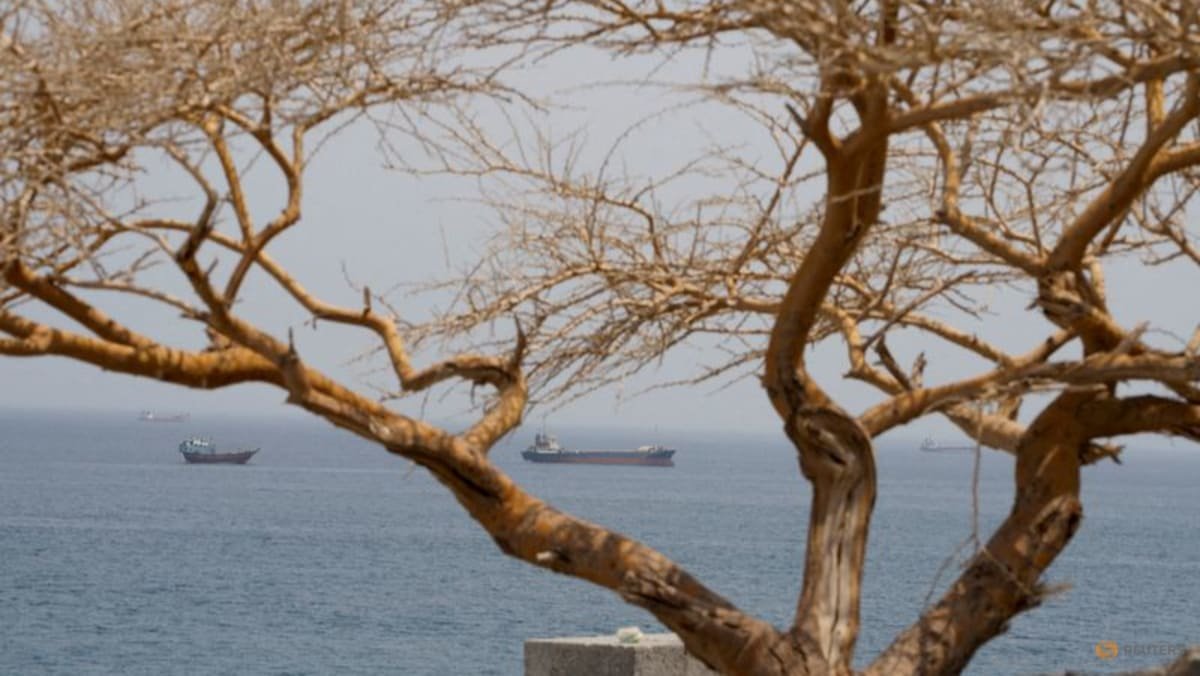
Vessels near the Strait of Hormuz, as seen from Musandam, Oman, August 10, 2026. REUTERS/Stringer
Read a summary of this article on FAST.
Get bite-sized news via a new
cards interface. Give it a try.
Click here to return to FAST
Tap here to return to FAST
FAST
Aug 17 : Oil prices rose on Monday on a lack of progress in diplomatic efforts to resolve the Middle East conflict, though the absence of major supply outages limited gains.
Brent crude futures were up 92 cents, or 1.04 per cent, at $89.44 by 1002 GMT after hitting a session high of $89.68. U.S. West Texas Intermediate crude futures rose 55 cents or 0.67 per cent to $82.95 a barrel.
Both contracts gained more than 5 per cent last week following attacks on tankers operated by the Abu Dhabi National Oil Company in the Hormuz strait and on a Saudi Aramco refinery.
But Bjarne Schieldrop at SEB Research said that prices were unlikely to move substantively higher unless there was a halt in the current flow of crude out through the Strait of Hormuz at night and/or a closure of the Bab el-Mandeb Strait.

Guess Word
Crack the word, one row at a time

Buzzword
Create words using the given letters

Mini Sudoku
Tiny puzzle, mighty brain teaser

Mini Crossword
Small grid, big challenge

Word Search
Spot as many words as you can
For now, prices were trading close to $90 as traders weigh the risk of deeper disruption and shortages against the possibility of a resolution where the Strait of Hormuz is reopened and oil prices fall sharply, Schieldrop said.
Over the weekend, Iranian Foreign Minister Abbas Araqchi said Iran had not decided to resume talks with the United States, while U.S. President Donald Trump urged Americans to accept slightly higher gasoline prices while the conflict continues.
Iran’s Foreign Ministry spokesperson Esmaeil Baghaei said talks with Oman were continuing and were taking a long time due to the complexity of the subject, the involvement of multiple actors and countries seeking to undermine the process.
“Shipping through the Strait of Hormuz remains restricted, and negotiations have reached a stalemate, both of which limit the potential for further decline,” said Frank Walbaum, market analyst at trading platform Naga.com.
“In the absence of new catalysts, oil prices could continue to consolidate around current levels.”
Shipping through the Strait of Hormuz slowed over the weekend, data showed on Monday, following attacks on tankers. Five commodity vessels transited the strait on Saturday, with none registered for Sunday, ship-tracking data from Kpler showed, versus 31 for the prior weekend.
Before U.S.-Israeli attacks on Iran began in late February, the strait handled about one-fifth of global oil and liquefied natural gas supplies.
Meanwhile, ADNOC sold at least 14 million barrels of spot crude to Asian refiners at premiums in its latest tender, trade sources said on Monday.
Source: Reuters
Sign up for our newsletters

Get the CNA app
Stay updated with notifications for breaking news and our best stories
Get WhatsApp alerts
Join our channel for the top reads for the day on your preferred chat app

Get bite-sized news via a new
cards interface. Give it a try.
Click here to return to FAST
Tap here to return to FAST
FAST
About The Author