China lowers flags, tightens security for former premier Zhu Rongji’s funeral
As vice premier from 1991 to 1998 and premier from 1998 to 2003, Zhu Rongji helped drive China’s hard-edged economic overhaul during the 1990s.
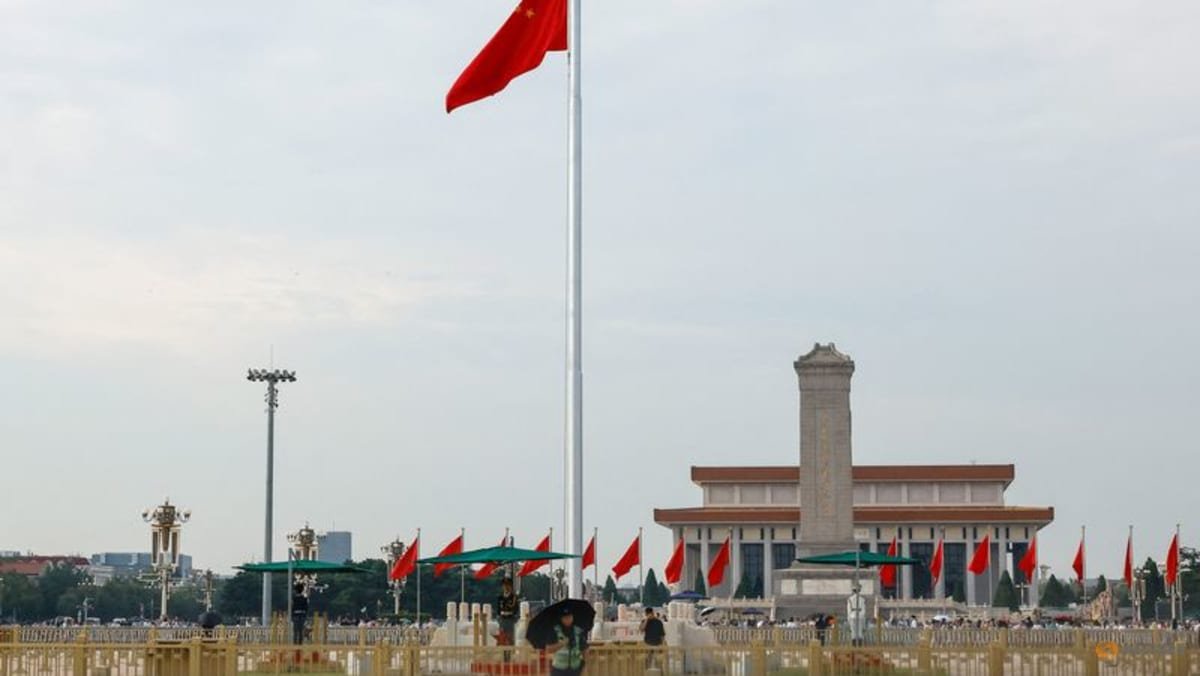
The Chinese flag flies at half-mast at Tiananmen Square on Aug 18, 2026. (Photo: Reuters/Maxim Shemetov)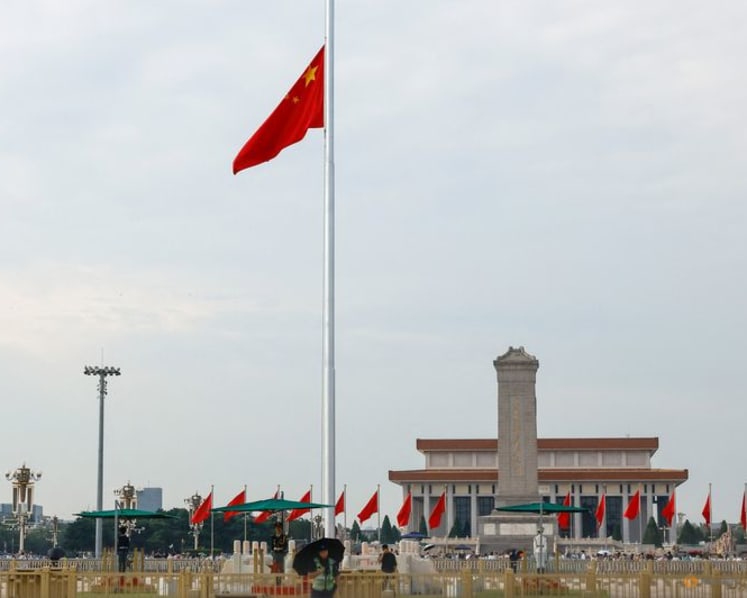
Read a summary of this article on FAST.
Get bite-sized news via a new
cards interface. Give it a try.
Click here to return to FAST
Tap here to return to FAST
FAST
BEIJING: China on Tuesday (Aug 18) lowered national flags at government headquarters to mourn former Premier Zhu Rongji, the no-nonsense reformer who died last week at the age of 97, as the public reminisced about a bygone era while reflecting on his complicated legacy.
Security was tightened across the city, particularly around Tiananmen Square, the centre of China’s political power.
The square lies along the eastbound route to the Babaoshan crematorium, where top leaders are typically cremated.
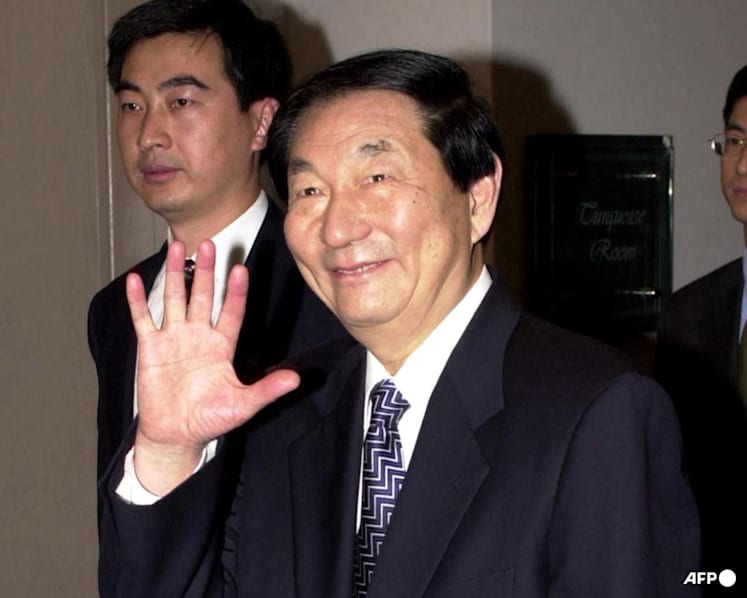
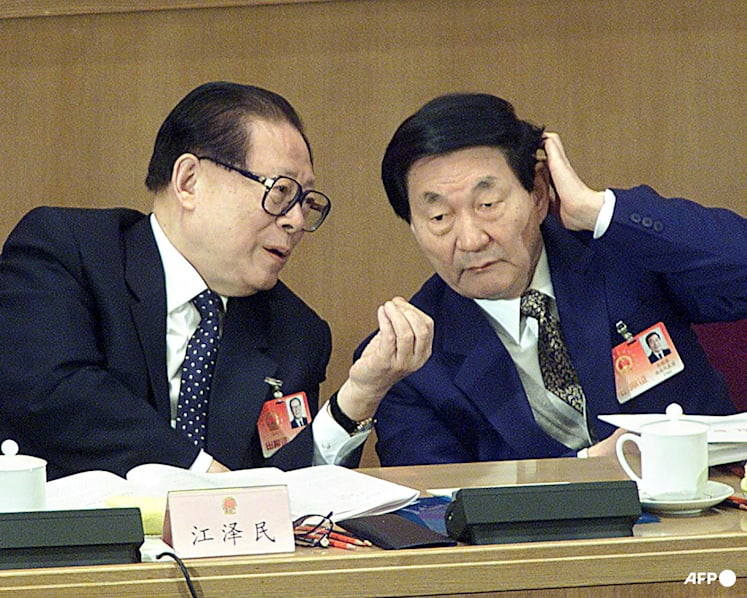
China’s vice premier from 1991 to 1998 and premier from 1998 to 2003, Zhu helped drive the country’s hard-edged economic overhaul in the 1990s.

Guess Word
Crack the word, one row at a time

Buzzword
Create words using the given letters

Mini Sudoku
Tiny puzzle, mighty brain teaser

Mini Crossword
Small grid, big challenge

Word Search
Spot as many words as you can
He curbed runaway inflation, tightened tax and banking systems, and pushed through a sweeping state-sector shake-up that cost millions of jobs at unprofitable state firms.
His reforms also helped clear the way for China’s accession to the World Trade Organization (WTO) in 2001, deepening its integration into the global economy.
“My defining trait – my guiding principle – is independent thinking,” Zhu told officials in Shanghai in 1988 before he became the city’s mayor.
“I believe I should say what I truly think.”
Zhu had his party membership revoked in the late 1950s, for an incautious three-minute speech, he said. It was not restored for roughly two decades.
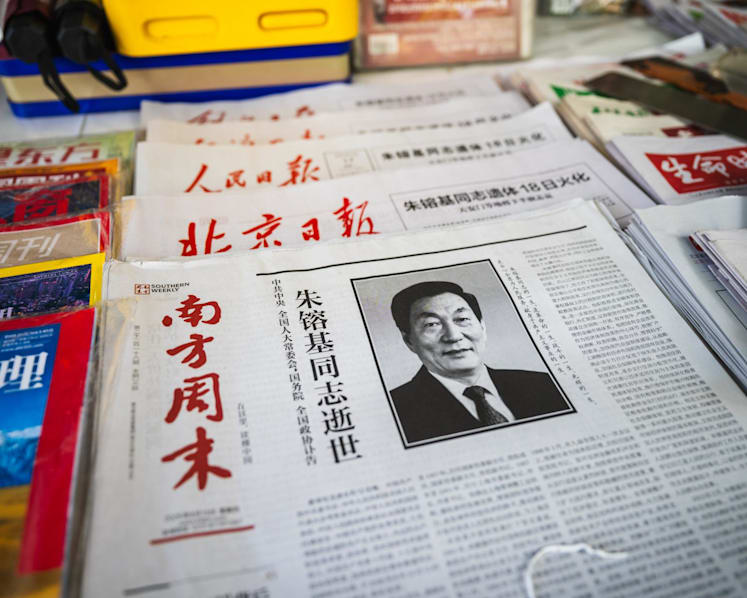
Zhu’s death prompted widespread mourning on Chinese social media, but also drew a minority of posts that welcomed his passing.
Like other former premiers who have died in the last decade, Zhu’s death was treated in a subdued and tightly managed manner, with public expressions of grief unfolding under heightened security, scrutiny and censorship.
The deaths of popular former leaders have long presented Chinese authorities with a potential trigger for an outpouring of public emotion, and, at times, a catalyst for instability when remembrance of the deceased turns into criticism of those left in power.
In 1976, following the death of Zhou Enlai – the People’s Republic of China’s first and widely respected premier – tens of thousands of people gathered in Tiananmen Square and surrounding streets in Beijing.
Their mourning became a protest against the excesses of the Cultural Revolution and radical officials associated with it.
Source: Reuters/lk(ht)
Sign up for our newsletters

Get the CNA app
Stay updated with notifications for breaking news and our best stories
Get WhatsApp alerts
Join our channel for the top reads for the day on your preferred chat app

Get bite-sized news via a new
cards interface. Give it a try.
Click here to return to FAST
Tap here to return to FAST
FAST
About The Author