Japan to diversify crude supplies, back pipelines that bypass Hormuz
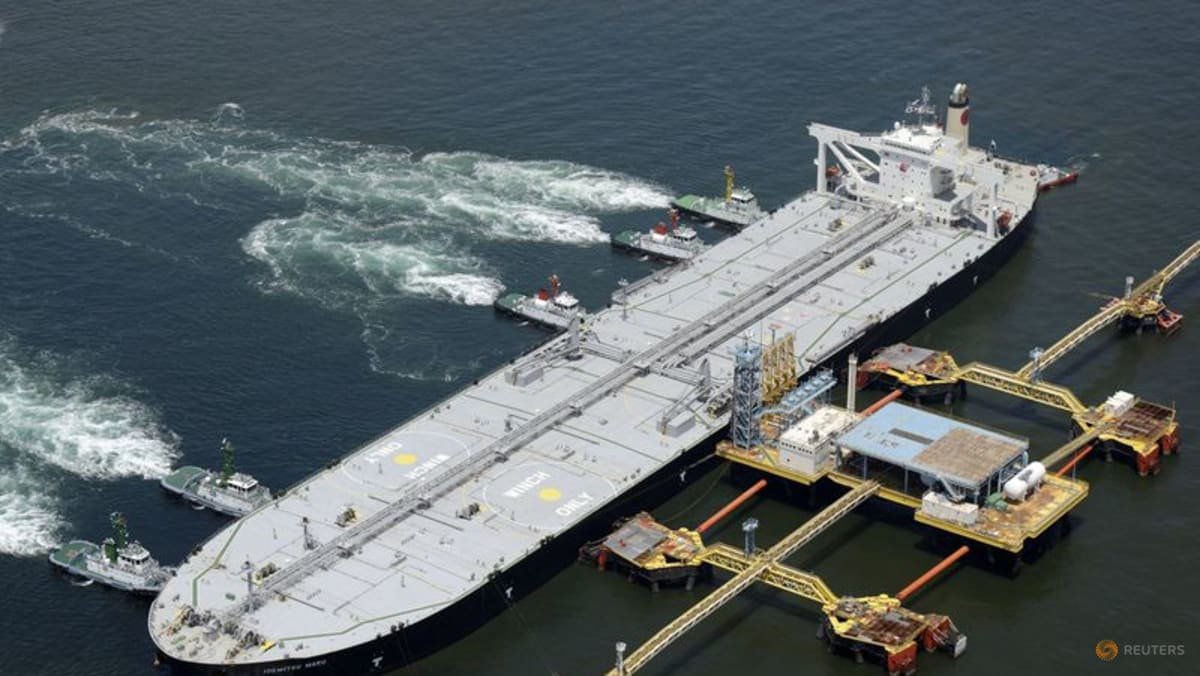
An aerial view shows the Idemitsu Maru, an oil tanker operated by a unit of major Japanese petroleum company Idemitsu Kosan Co arrives at a refinery off Chita, Aichi prefecture, Japan, May 25, 2026. Kyodo/via REUTERS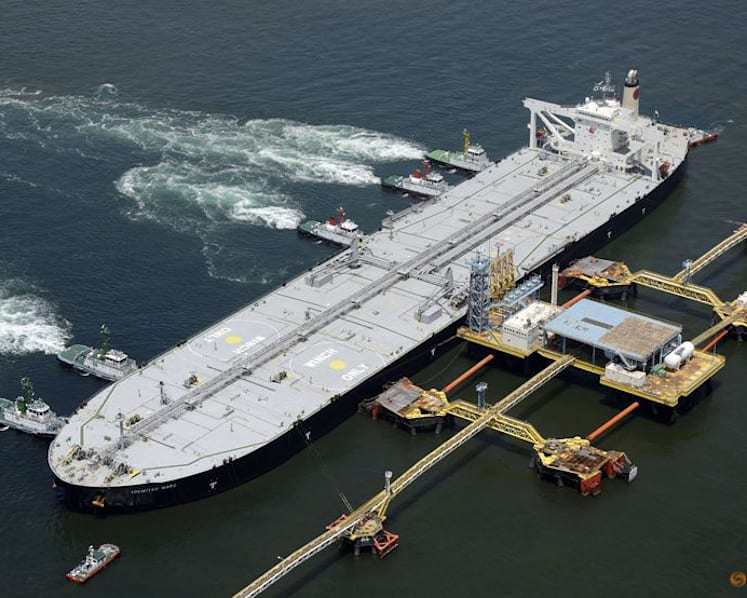
Read a summary of this article on FAST.
Get bite-sized news via a new
cards interface. Give it a try.
Click here to return to FAST
Tap here to return to FAST
FAST
TOKYO, Aug 26 : Japan unveiled a comprehensive plan on Wednesday to strengthen the resilience of its energy supply, including support for pipeline projects that bypass the Strait of Hormuz, the gateway to almost all of its imported crude before the Iran war.
The plan was outlined at a meeting of the government’s Green Transformation (GX) Implementation Council and specific measures, including legislative steps, are expected to be finalised by the end of the year.
• Prime Minister Sanae Takaichi ordered the package to bolster Japan’s energy resilience after the start of the Iran war and the effective closure of the strait highlighted the country’s heavy reliance on Middle Eastern crude.
• Middle East imports accounted for 94 per cent of Japan’s crude oil in 2025, with 93 per cent coming via the strait. No target was set for reducing dependence on Middle Eastern crude oil.

Guess Word
Crack the word, one row at a time

Buzzword
Create words using the given letters

Mini Sudoku
Tiny puzzle, mighty brain teaser

Mini Crossword
Small grid, big challenge

Word Search
Spot as many words as you can
• Japan will cooperate with Middle Eastern oil-producing countries on pipeline projects to bypass the strait by providing financial support through the Japan Organization for Metals and Energy Security (JOGMEC).
• To diversify crude procurement, the government plans to introduce a levy-funded scheme under which refiners and traders would share the additional transportation costs of importing alternative supplies.
• It plans to establish a reinsurance scheme for shippers in case overseas reinsurance becomes unavailable in order to ensure stable operations.
• The plan aims to build national naphtha reserves in the form of crude oil after shortages of the petrochemical feedstock, used in plastics and printing inks, caused disruptions.
• The plan also features measures to expand cleaner energy sources such as nuclear power and renewables.
• Japan, which spends over 20 trillion yen ($125.8 billion) annually on fossil fuel imports, aims to improve energy self-sufficiency by replacing 2–5 nuclear reactors in the 2040s and 11–14 in the 2050s, while building domestic supply chains for perovskite solar cells, next-generation geothermal and offshore wind power.
($1 = 159 yen)
Source: Reuters
Sign up for our newsletters

Get the CNA app
Stay updated with notifications for breaking news and our best stories
Get WhatsApp alerts
Join our channel for the top reads for the day on your preferred chat app

Get bite-sized news via a new
cards interface. Give it a try.
Click here to return to FAST
Tap here to return to FAST
FAST