Chinese AI tool behind cyberattacks in Japan: Security firm
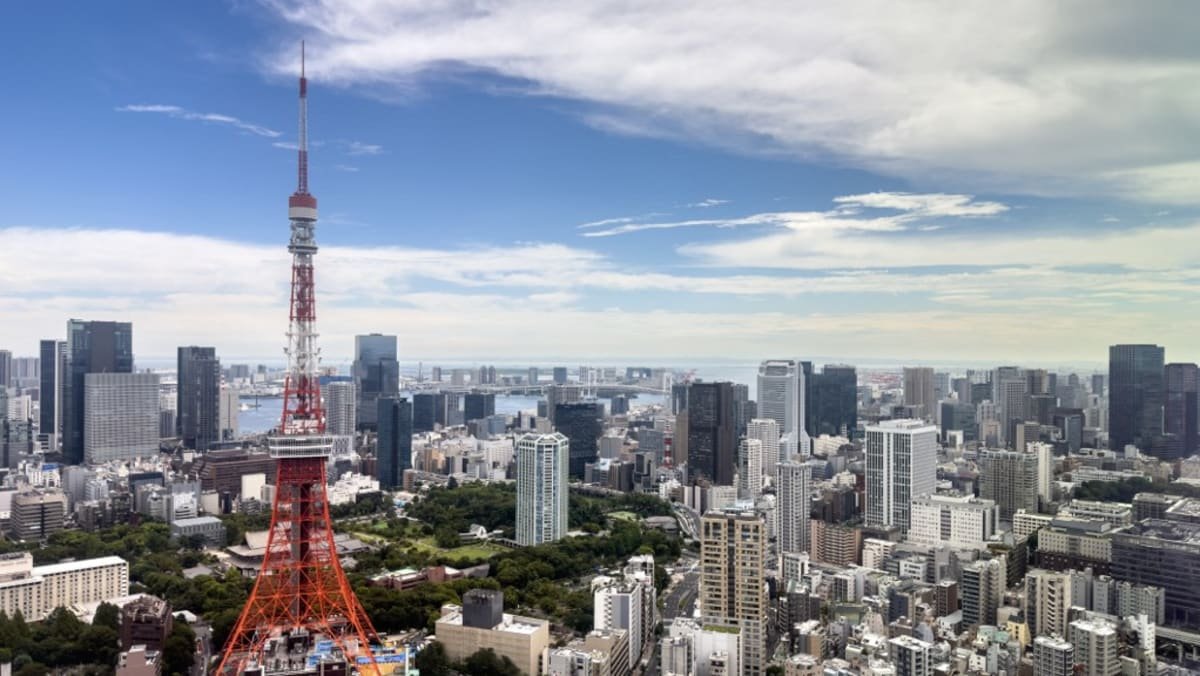
This picture taken from Azabudai Hills on Aug 28, 2026 shows the Tokyo Tower and the city skyline in Tokyo. (Photo: AFP/Philip Fong)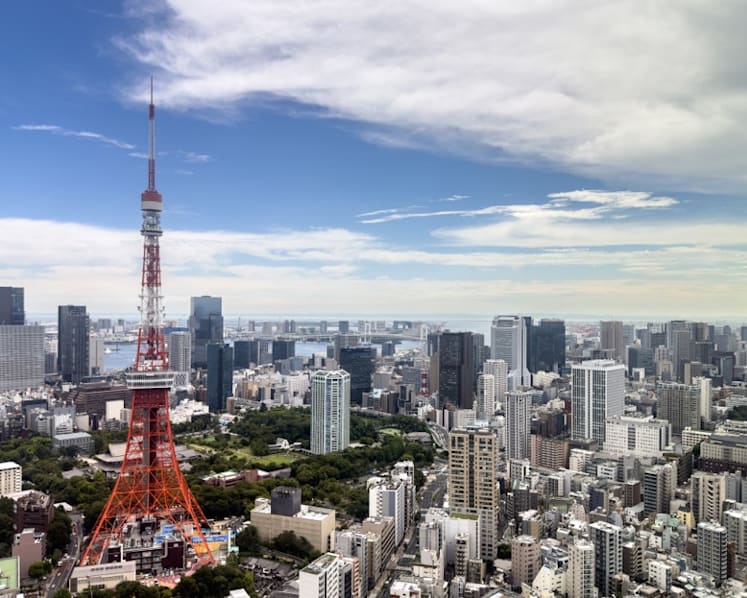
Read a summary of this article on FAST.
Get bite-sized news via a new
cards interface. Give it a try.
Click here to return to FAST
Tap here to return to FAST
FAST
TOKYO: A Chinese AI cybersecurity tool called Artex was used in a spate of recent hacks of Japanese companies, the subsidiary of a major Tokyo-based internet company said on Tuesday (Oct 20).
Dozens of Japanese companies, from restaurant chains to a car hire operator, have disclosed unauthorised access or data breaches in recent weeks – potentially impacting millions of customers.
The information security arm of GMO Internet Group said it had “confirmed Artex was used” having investigated the attacks in collaboration with external organisations.
“It also became clear … the attacks were almost exclusively targeting Japan,” Daiki Fukumori of GMO wrote on the company blog.

Guess Word
Crack the word, one row at a time

Buzzword
Create words using the given letters

Mini Sudoku
Tiny puzzle, mighty brain teaser

Mini Crossword
Small grid, big challenge

Word Search
Spot as many words as you can
AI’s ability to find previously unknown ways to hack into computer systems is in the global spotlight, as leading labs release ever-more advanced models.
Artex was designed to help organisations strengthen their cyber defences through AI-powered security testing to find potential weak points, its developer has said.
The Chinese tool this month stopped programmers from accessing its source code, acknowledging misuse by “bad actors” after South Korea linked it to several hacks on financial institutions.
Using Artex for cyberattacks was “entirely contrary to” the developer’s intentions, a statement said, adding that the project would no longer be updated.
Fukumori said the GMO subsidiary had discovered six internet servers launching AI-powered attacks.
Each server was broadly categorised by the industries such as finance, e-commerce and logistics, he added – without giving details of where the servers were located, or who may have been operating them.
“To prevent further damage, we have shared this information with law enforcement agencies,” his GMO blog post said.
The Japanese government has called on companies to strengthen their cyber defences.
This month, the head of the ruling party’s cybersecurity committee said a “state of emergency” had been reached over emerging threats.


Source: AFP/ec
Sign up for our newsletters

Get the CNA app
Stay updated with notifications for breaking news and our best stories
Get WhatsApp alerts
Join our channel for the top reads for the day on your preferred chat app

Get bite-sized news via a new
cards interface. Give it a try.
Click here to return to FAST
Tap here to return to FAST
FAST