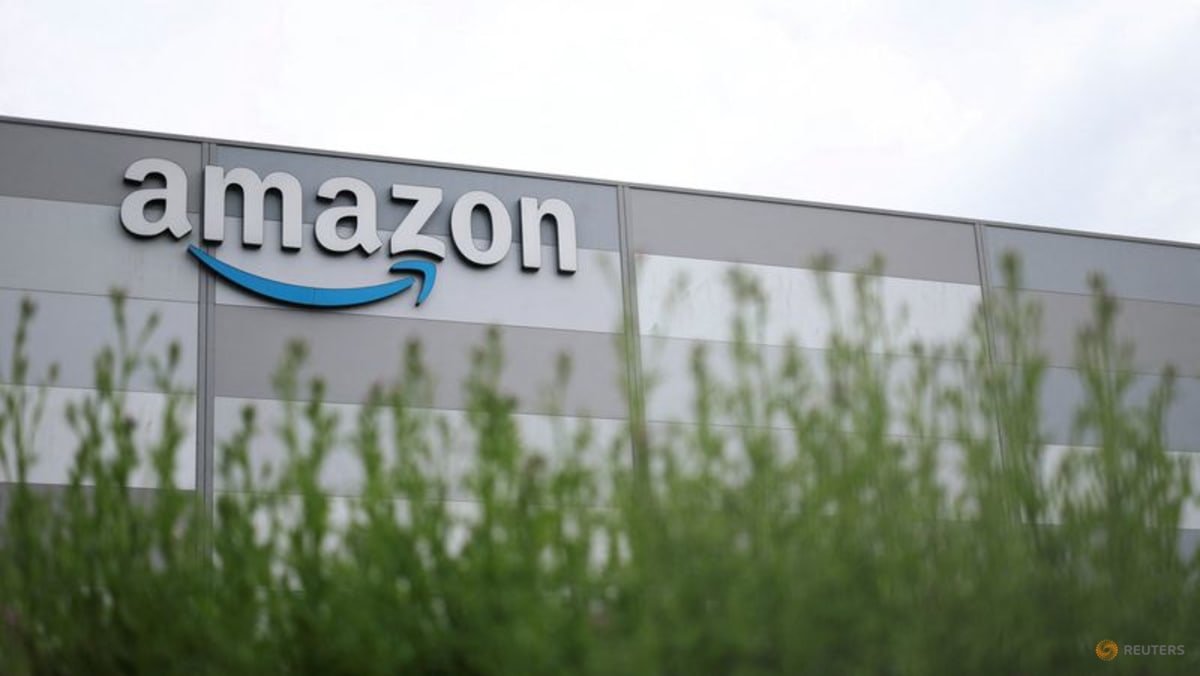
Amazon burns cash, Intel flags weak PC demand as AI boom’s costs ripple across markets
Read a summary of this article on FAST.
Get bite-sized news via a new
cards interface. Give it a try.
Click here to return to FAST
Tap here to return to FAST
FAST
NEW YORK, Oct 29 : Wall Street’s worries about the cost of the AI boom escalated after the market close on Thursday, as results from Amazon and Intel showed the infrastructure race is not only straining the tech industry but affecting consumers.
Surging data-center spending, as highlighted in Amazon’s massive cash burn, has turned once debt-light tech giants into major borrowers, while price hikes are squeezing global demand for devices like smartphones and PCs.
Amazon forecast holiday-quarter sales below Wall Street expectations, a potential sign of growing pressure on consumers as inflation picks up, which also hit Intel’s PC business, as a memory chip shortage has driven up its costs.
The AI spending spree is also eating into Big Tech’s once-enviable cash flows. Alphabet and Meta both burned cash in the September quarter, while Microsoft, the only exception, joined their borrowing binge with a $25 billion debt sale on Thursday.

Guess Word
Crack the word, one row at a time

Buzzword
Create words using the given letters

Mini Sudoku
Tiny puzzle, mighty brain teaser

Mini Crossword
Small grid, big challenge

Word Search
Spot as many words as you can
The tech giants have deep pockets to sustain their spending, but investors have grown increasingly wary of smaller AI cloud firms borrowing heavily to deliver on enormous order backlogs.
Amazon’s 7 per cent after-hours slide was accompanied by losses of 5.8 per cent to 6.7 per cent in AI cloud stocks CoreWeave, Nebius and Iren. Alphabet, which closed regular trading down nearly 13 per cent, fell another 1.5 per cent after-hours.
The semiconductor index also sold off post-close after Intel blamed “near term headwinds across the PC industry.” The index had already dropped 1.4 per cent during the regular session due to Alphabet’s messy earnings report.
Shares of PC makers HP and Dell sank 8 per cent and 6.8 per cent.
“The revenues missed due to lower PC demand and forward guidance also disappointed. As Google learned today, earnings matter,” said Kim Caughey Forrest, founder and chief investment officer at Bokeh Capital Partners LLC. Google parent Alphabet dropped 13 per cent on Thursday.
INTEL FACTORY SHUTDOWN
Intel, whose shares were down 18 per cent, also said a factory explosion in Israel caused a two-week shutdown and would cost it roughly $600 million in lost revenue over two quarters.
“Overall semiconductor weakness after hours is primarily a function of Intel guide and negative sentiment spillover,” said Michael James, equity sales trader at Rosenblatt Securities.
Some analysts said Intel’s problems in the PC sector, an area of technology that does not garner the same scrutiny on Wall Street as the AI buildout, do not seem to necessarily mean big problems for other chipmakers that operate more prominently in AI.
Nevertheless, investors in the less-active post-market trade chose to shoot first and ask questions later. AMD dropped 4 per cent and Broadcom fell 2 per cent. Among the biggest losers in the volatile session was the Direxion Daily Semiconductor Bull ETF, which offers investors three times the daily performance of the SOX and was off 9 per cent.
The SOX has been one of 2026’s standout performers, rising more than 60 per cent as shortages of chips and equipment needed for the AI buildout drive up prices and profits at firms ranging from giant Nvidia and memory chip firm Micron to Marvell Technology.
But the momentum of that trade has been tested over the past month by tightening financing terms. That has kept some expected IPOs on the sidelines and put some highly leveraged AI infrastructure firms under pressure. The SOX has declined 13 per cent since hitting its recent high in October and is off 21 per cent from its all-time high in June.
“I think Intel was seen as this unicorn within the tech sector because it was seen as being weaker compared to Nvidia and AMD,” said Jake Dollarhide, chief executive officer of Longbow Asset Management in Tulsa, Oklahoma.
“It just had this miraculous rise, and you got a lot of retail money into it, and some of that money is easy come, easy go.”
Source: Reuters
Sign up for our newsletters

Get the CNA app
Stay updated with notifications for breaking news and our best stories
Get WhatsApp alerts
Join our channel for the top reads for the day on your preferred chat app

Get bite-sized news via a new
cards interface. Give it a try.
Click here to return to FAST
Tap here to return to FAST
FAST