Eating less, exercising more but still gaining belly fat – menopause may be the reason
The “menopause belly” isn’t just a cosmetic concern. Hormonal changes, muscle loss and poor sleep can contribute to it while Asian women may be more prone to visceral fat and its health risks. Here’s what women can do about it.
Fluctuating hormones, declining muscle mass and poor sleep can contribute to abdominal weight gain during perimenopause and menopause. (Photo: iStock/Tatiana)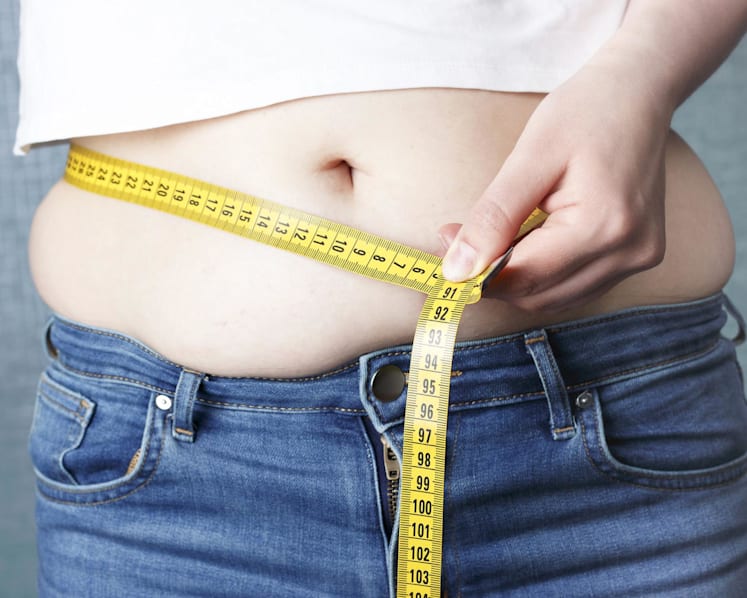
New: You can now listen to articles.

This audio is generated by an AI tool.

Read a summary of this article on FAST.
Get bite-sized news via a new
cards interface. Give it a try.
Click here to return to FAST
Tap here to return to FAST
FAST
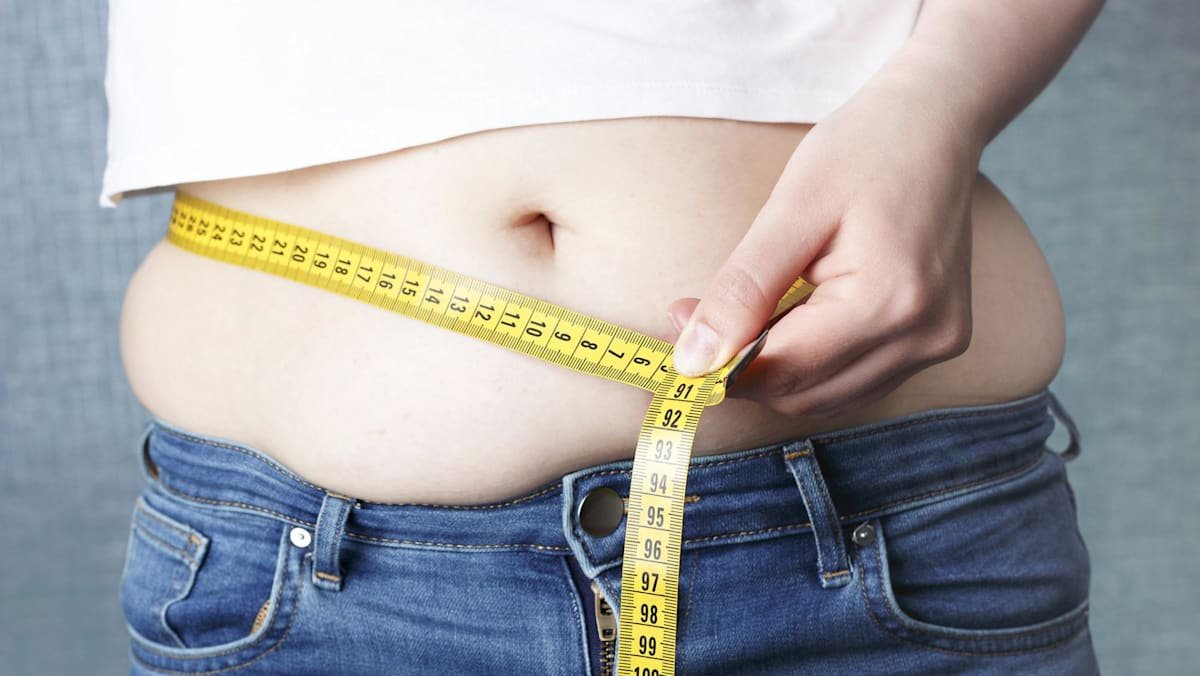
Putting on weight seems to be inevitable as you get older. What’s more frustrating for midlife women is that exercising more and eating less has little effect on that weight, which – more frustratingly – tends to accumulate around the mid-section.
There’s a name for it: menopause belly, or meno belly.
“Menopause belly refers to the accumulation of excess fat around the abdomen, particularly visceral fat, which surrounds the internal organs,” explained Professor Yong Eu Leong, emeritus consultant at the division of Benign Gynaecology, department of Obstetrics & Gynaecology at National University Hospital (NUH).
He added: “During the menopausal transition, many women experience a shift from a pre-menopausal pear-shaped body, where fat is stored around the hips, thighs and buttocks, to a more apple-shaped body, where fat is concentrated around the waist.” On average, women gain about 2-3kg during this period, he added.
WHY MENOPAUSE BELLY HAPPENS
Declining oestrogen levels are associated with a shift in where the body stores fat, said Associate Professor Rukshini Puvanendran, co-director of KK Menopause Centre at KK Women’s and Children’s Hospital (KKH). These changes can begin during perimenopause.
Age-related muscle loss is another factor. Because muscle burns more calories than fat, even at rest, having less muscle slows metabolism, making it easier to gain fat and harder to lose weight, said Assoc Prof Rukshini.
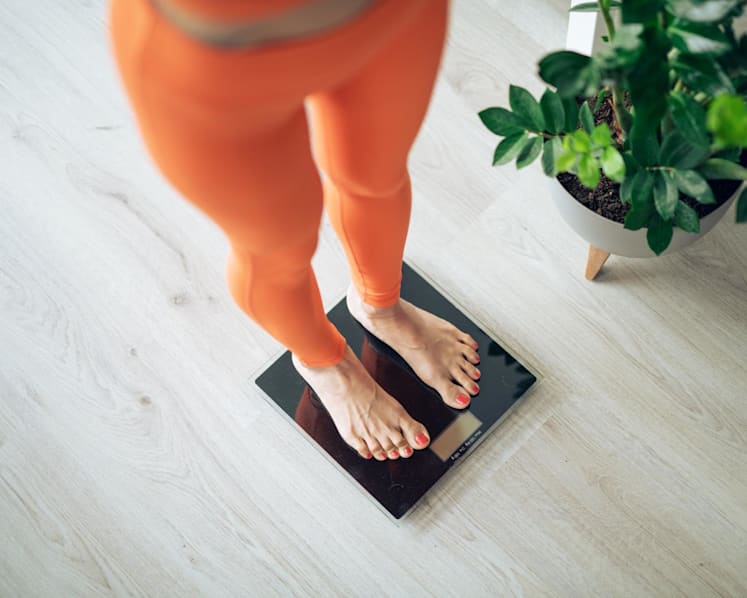
Hormonal fluctuations can also disrupt sleep, creating a “vicious cycle where poor sleep drives weight gain and weight gain drives poorer sleep”, said Assoc Prof Rukshini.
“When sleep is disrupted, key hormones fall out of balance – ghrelin (the hunger hormone) rises, leptin (the hormone that keeps you full) drops, cortisol (the stress hormone) stays high and melatonin (the hormone that regulates sleep) is thrown off,” explained Assoc Prof Rukshini.
These hormonal changes can make the body less responsive to insulin, affecting blood sugar regulation and making it easier for the body to store excess fat around the abdomen, she added.
Poor sleep can also increase cravings for sugary and fatty foods, while fatigue can make exercising harder, said Assoc Prof Rukshini.
ASIAN WOMEN AND MENO BELLY
Asian women may be particularly susceptible to carrying visceral fat even when they appear slim or have a healthy body mass index (BMI).
“As Asian women naturally store less fat just under the skin, they can potentially appear slim and register a healthy BMI, while quietly accumulating visceral fat around their organs,” said Assoc Prof Rukshini.

A 2021 National University of Singapore study comparing post-menopausal Chinese women in Singapore with German Caucasian women found that, among women with similar BMI, Chinese women tended to have higher levels of abdominal fat.
Similar findings emerged from the Integrated Women’s Health Programme by NUH and NUS Medicine. The study of 1,201 Chinese, Malay and Indian women in Singapore found increased visceral fat, along with loss of muscle and strength, lower energy expenditure and reduced fat-burning capacity.
These findings place Asian women at “greater risk” of gaining fat around the abdomen and upper body during perimenopause and menopause, as well as metabolic complications such as diabetes, hypertension and cardiovascular disease, said Assoc Prof Yong.
MIDLIFE WEIGHT GAIN
A long-term American study, the Study of Women’s Health Across the Nation, found that women gained fat while losing lean mass as they went through perimenopause and menopause.
The study of 1,246 women found a 3.6 per cent cumulative increase in fat mass and a 1.9 per cent decline in lean mass.
That means a woman may weigh roughly the same before and after menopause but have a higher proportion of body fat and less lean muscle.

The study discovered that the rate of fat gain doubled and lean mass started to decline about two years before the women’s final menstrual period. These changes stabilised about two years after the final period.
“However, the tendency to store fat around the abdomen may still persist due to continued low oestrogen levels and age-related metabolic changes,” said Prof Yong.
“So, while the rapid phase of body re-composition may slow, maintaining muscle mass and controlling abdominal fat gain remain important after menopause,” he added.
THE DANGERS OF MENOPAUSE BELLY
“Abdominal or visceral fat is not merely a cosmetic concern,” said Prof Yong.
Unlike pinchable fat just under the skin, visceral fat lies deep inside the abdomen, surrounding the internal organs, explained Assoc Prof Rukshini. It is biologically active and functions almost like a hormone-producing organ.
“As visceral fat increases, it releases chemical signals that promote low-grade inflammation throughout the body,” she added.
This inflammation can make the body’s cells less responsive to insulin, the hormone that helps regulate blood sugar levels, resulting in insulin resistance.
“Thus, the body needs to produce more insulin to keep blood sugar levels under control. In turn, this can make it easier to store additional fat, particularly around the abdomen, creating a cycle in which increased visceral fat and insulin resistance reinforce one another,” added Assoc Prof Rukshini.
Excess visceral fat is associated with a higher risk of conditions such as Type 2 diabetes, hypertension and cardiovascular disease.
STRENGTH TRAINING TO COMBAT A MENOPAUSE BELLY
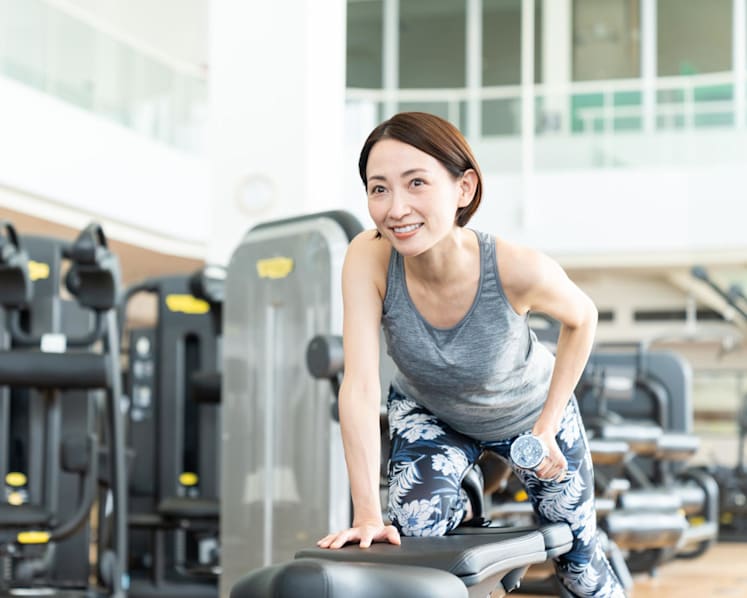
“You can’t burn fat from one spot, so crunches alone won’t flatten your belly,” said Danielle van der Leest, founder of Active Women SG and a menopause fitness coach.
Instead, “strength training, complemented with mobility, flexibility and aerobic exercises, offers the most effective results”, advised Derlinder Kaur, clinical exercise physiologist at Singapore Sport and Exercise Medicine Centre at KKH.
Strength training is important around menopause because declining oestrogen affects bone density and muscle mass.
“Oestrogen helps protect our bones, and as it declines, bone density drops faster, especially in the years around menopause. Strength training … puts healthy stress on our bones, signalling them to stay strong. It also builds muscle, which helps the body burn more energy, even at rest,” said van der Leest.
Strength training can also help make muscles more responsive to insulin, she added.
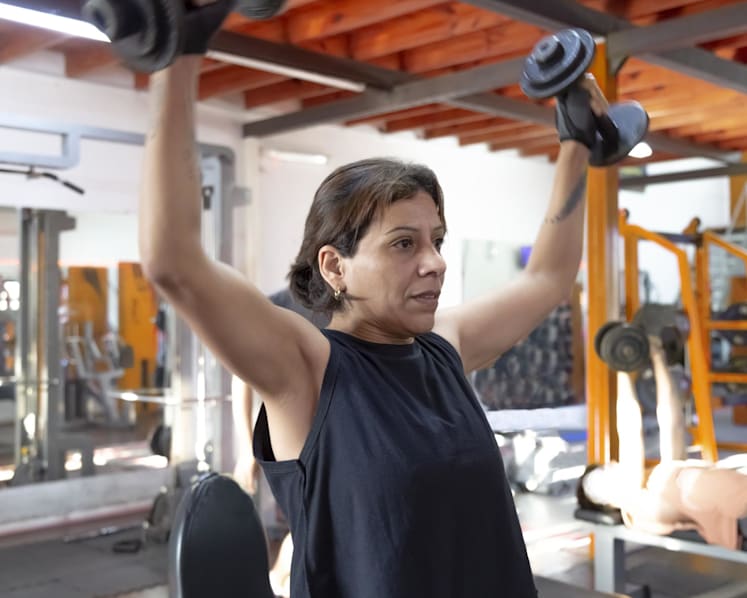
Kaur recommends strength training two to three times a week, focusing on compound movements that work multiple joints and muscle groups.
Van der Leest suggested barbell or dumbbell squats, deadlifts, chest and overhead presses, and cable or dumbbell rows, aiming for two to three sets of six to 12 repetitions.
To complement strength training, she also suggested daily walks. A short 10- to 15-minute walk after a meal can help the body use glucose for energy.
As blood sugar typically peaks within an hour to 90 minutes of eating, walking after a meal can help “soften the blood sugar spike”, she said.
“The goal isn’t to shrink yourself. It’s to stay strong for the next 40 years,” said van der Leest.
WHAT TO EAT TO MANAGE MENOPAUSE WEIGHT GAIN
As the increase in abdominal fat during perimenopause and menopause is largely driven by hormonal changes, no single food can specifically target the menopause belly, said Hazel Koh, dietitian at KKH’s department of Nutrition & Dietetics.
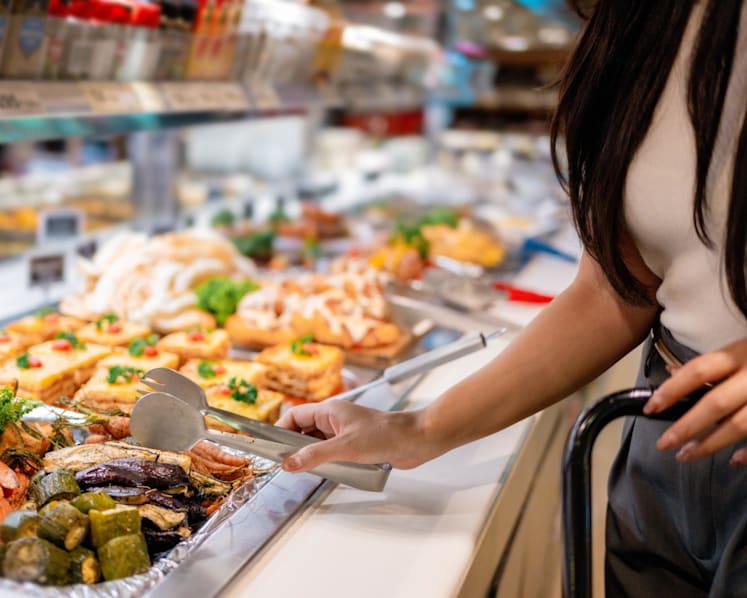
However, women can curb excess weight gain by choosing foods that “support satiety, preserve lean muscle mass and stabilise blood sugar levels”. Koh recommended:
- Whole grains such as wholewheat bread or pasta, quinoa, brown rice and oats. The fibre content slows digestion, promotes fullness and helps stabilise blood sugar levels.
- Protein-rich foods, which help preserve lean muscle mass while promoting fullness. These include fish, poultry, lean meat, eggs and dairy, as well as plant proteins such as beans, lentils and soya.
- Non-starchy vegetables, which are high in fibre and nutrients but relatively low in calories. Examples include spinach, kale, arugula, kai lan, broccoli, bok choy, zucchini, celery and asparagus.
- Fibre-rich, low-glycaemic whole fruits such as apples, pears, berries and oranges.
- Foods rich in unsaturated fats. These support insulin sensitivity and include fatty fish, nuts and seeds. But keep in mind portion size as these foods are also high in calories.
Prof Yong said that managing weight during perimenopause and menopause should focus not only on reducing abdominal fat. Preserving muscle mass and strength also contribute to long-term health and healthy ageing.
CNA Women is a section on CNA Lifestyle that seeks to inform, empower and inspire the modern woman. If you have women-related news, issues and ideas to share with us, email CNAWomen [at] mediacorp.com.sg.
Source: CNA/pc
RECOMMENDED
Get bite-sized news via a new
cards interface. Give it a try.
Click here to return to FAST
Tap here to return to FAST
FAST