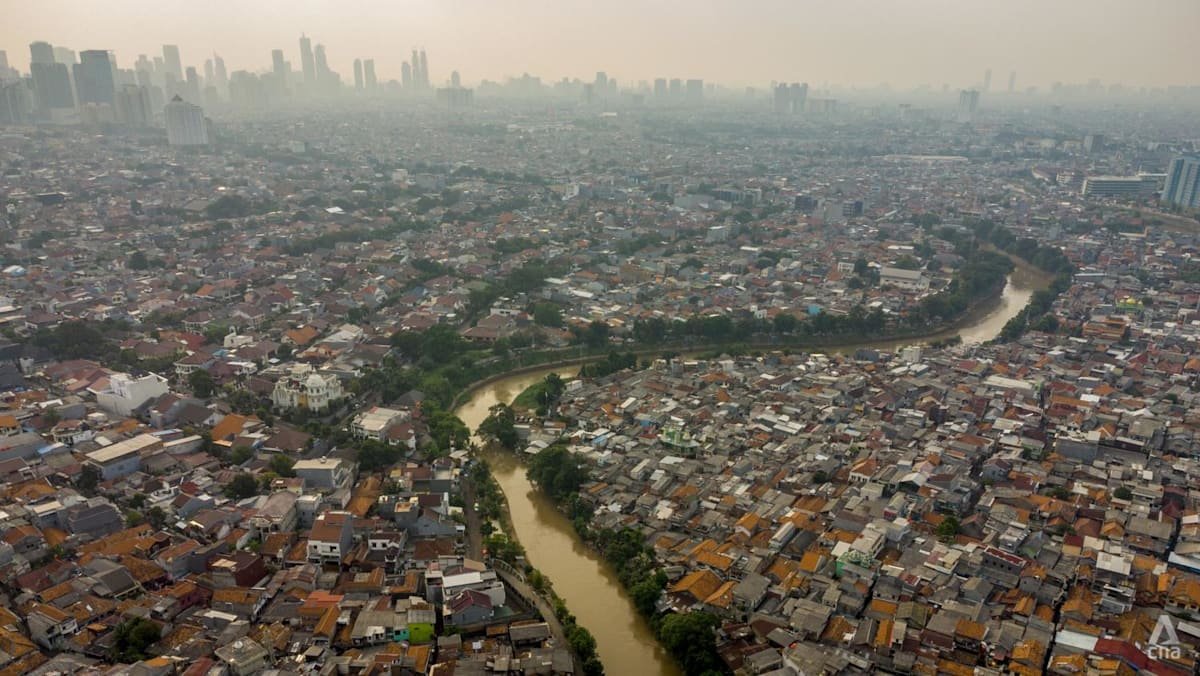
As Jakarta prepares for another flood season, hope and scepticism abound
As much of Indonesia enters the rainy season in November, some Greater Jakarta residents wonder if new infrastructure can cope with a major disaster. Others are relying on community efforts in the face of authorities’ constraints.
An aerial view of the Ciliwung River, the longest river which cuts through the city of Jakarta, Indonesia. (Photo: CNA/Nivell Rayda)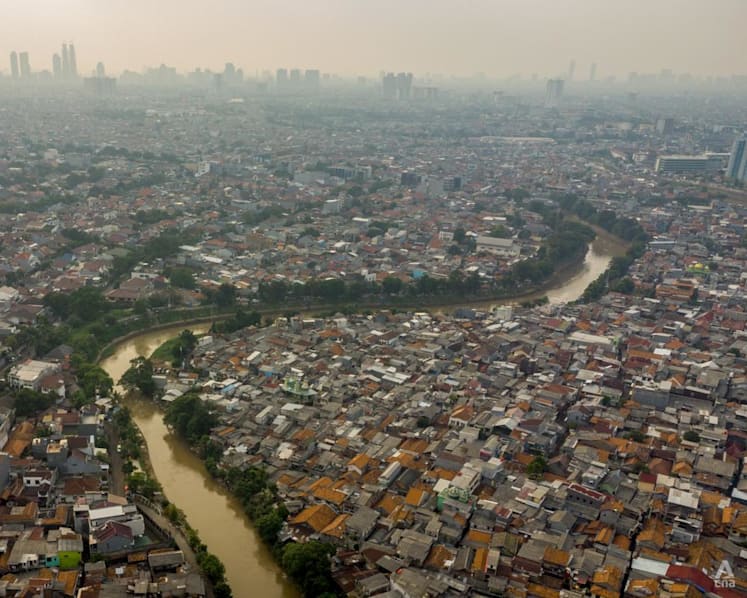
New: You can now listen to articles.

This audio is generated by an AI tool.


Read a summary of this article on FAST.
Get bite-sized news via a new
cards interface. Give it a try.
Click here to return to FAST
Tap here to return to FAST
FAST
JAKARTA: He swam and played in Jakarta’s Ciliwung river as a child but Bambang Indrajaya, 65, has seen the Indonesian capital’s biggest river become increasingly flood-prone over the years.
Decades ago, Jakarta was far less developed and the Ciliwung had more natural floodplains to absorb excess water. But as more and more watershed areas turned into residential and commercial sprawls, the floods worsened.
“Our first flood in 1995 was the worst,” Bambang, who lives in the congested subdistrict of Rawajati, told CNA. Some residents lost their lives as the waters engulfed their homes, he said.
“Back then, most of the houses didn’t have second floors like they do now. The water kept rising, so we had to keep climbing higher and higher. Eventually, we reached the roof. But even up there, the water was still rising towards us.”

Guess Word
Crack the word, one row at a time

Buzzword
Create words using the given letters

Mini Sudoku
Tiny puzzle, mighty brain teaser

Mini Crossword
Small grid, big challenge

Word Search
Spot as many words as you can
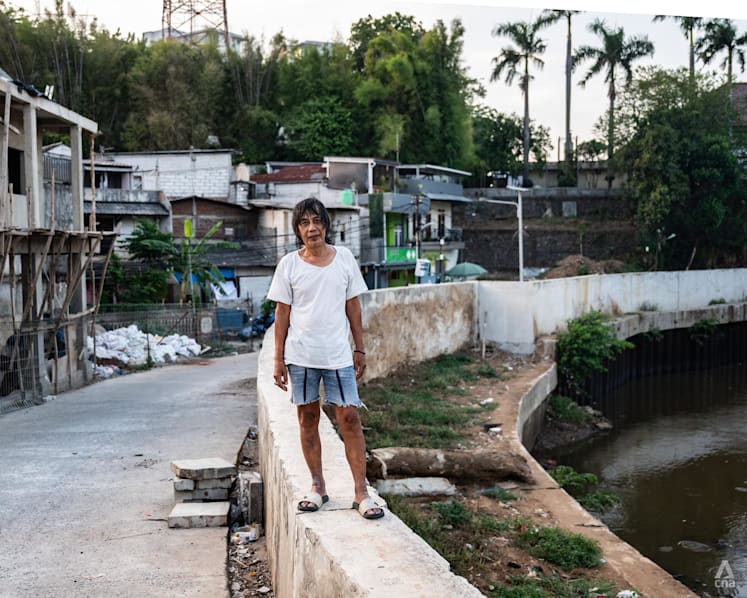
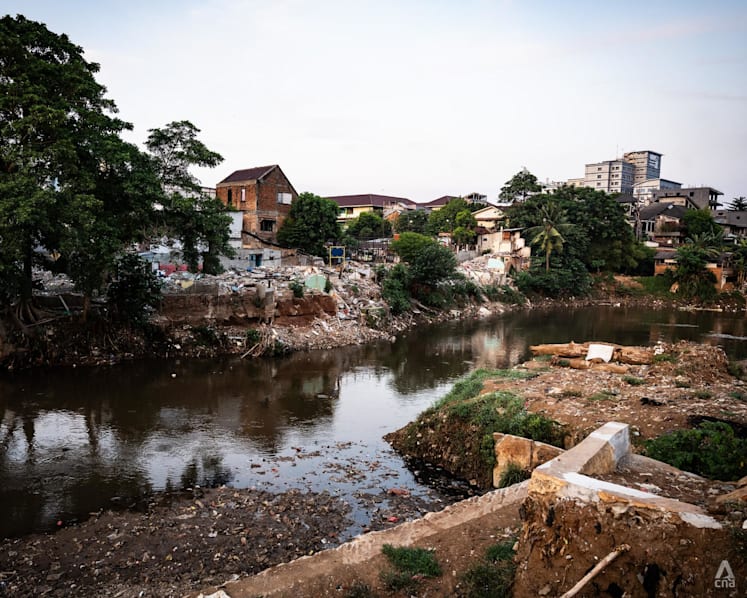
Jakarta had been planning to build a flood barrier in Rawajati for decades, but residents living along the riverbanks had been reluctant to relocate to make way for the infrastructure.
The latest flood in January, which left hundreds of homes submerged under 1.5m of water for days, finally convinced many to move.
The government plans to build embankments along the remaining unprotected stretches of the flood-prone Ciliwung by 2029. As of 2025, around 16km of the 119km river, which originates in neighbouring West Java province, remained without flood protection, including parts of Rawajati.
Jakarta has earmarked 300 billion rupiah (US$16.58 million) this year to acquire land for the construction of around 2km of flood barriers. Bambang’s home was among 170 houses demolished since January to make way for the project.
Jakarta governor Pramono Anung on Oct 29 outlined preparations by his administration.
“River normalisation works, which have not been carried out for a long time, are now being resumed. We are dredging drains and rivers at various locations. We hope that by the time the wet period arrives, the Jakarta administration will be better prepared to deal with potential flooding,” he said, as quoted by Kompas newspaper.
The governor said similar works are also being done in five other rivers. Jakarta is also building retention ponds to collect water runoff from overflowing rivers and drainage systems.
As much of Indonesia enters the rainy season in November, some residents in Jakarta and its surrounds told CNA they welcome additional flood defences in their neighbourhoods but remain sceptical if the infrastructure can cope with a major disaster.
Others said they are relying on community efforts in the face of constraints encountered by local authorities.


SHORTER RAINY SEASON EXPECTED, BUT RISKS REMAIN
Floods occur every year in Greater Jakarta, the world’s biggest metropolis that is home to 42 million people. By some estimates, flooding costs the Indonesian capital at least US$386 million annually in damage to property and infrastructure, as well as other economic disruptions.
The Indonesian Meteorology, Climatology and Geophysics Agency (BMKG) has forecast that the wet season is expected to peak between December and January in some areas, and could last until February or March.
This year’s rainy season is expected to be shorter than in recent years due to the El Nino weather phenomenon, which typically brings warmer and drier conditions to much of the country.
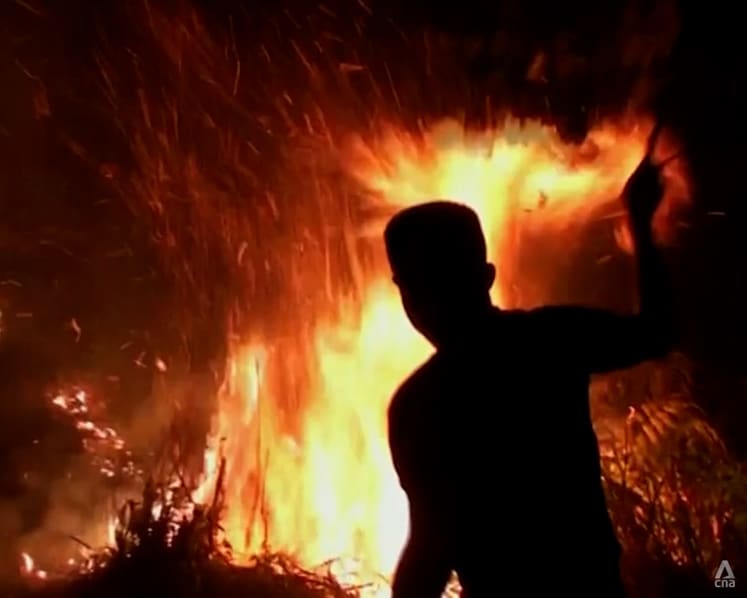
The same weather pattern has exacerbated forest fires across Indonesia, with 1.9 million hectares of land burned this year, making it the worst fire season in more than a decade.
But experts warn that a shorter rainy season does not necessarily mean rainfall will be less intense or destructive than in non-El Nino years.
“Under certain atmospheric conditions, heavy rainfall can still occur even during an El Nino event,” said Mahawan Karuniasa, an environmental science expert at the University of Indonesia in Jakarta.
“Extreme rainfall over a short period can still trigger flooding, particularly in urban areas where much of the ground is covered by buildings and roads.”
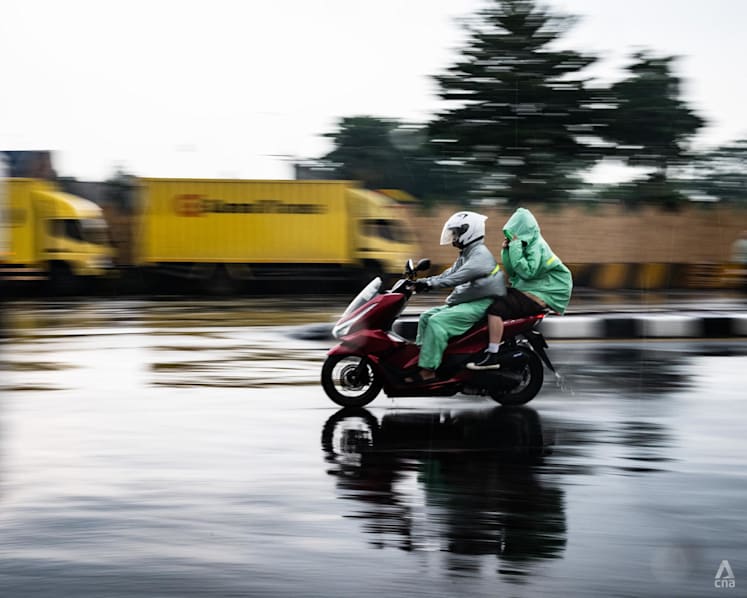
Experts also noted that flood risks can be heightened at the onset of the rainy season, as prolonged dry spells can leave soil compacted or vegetation depleted, reducing the ground’s ability to absorb rainwater.
Meanwhile, the first heavy downpours can wash accumulated sediment and rubbish into rivers and drains, clogging waterways and drainage systems.
“Therefore, preparing for the rainy season requires more than just monitoring weather forecasts. We must also consider soil conditions, vegetation cover, the cleanliness of waterways and the effectiveness of drainage systems,” Mahawan said.
With 86mm of rainfall over a 24-hour period, the Cibinong area 30km south of Jakarta was battered by heavy rain on Oct 25. But the downpour was nowhere near the Indonesian record of 377mm recorded in Jakarta on Jan 1, 2020.
Still, it was enough to cause the Sugutamu River, a tributary of the Ciliwung, to overflow and breach a flood retention wall, inundating 113 homes with knee-deep water.
“It was terrible. The floodwater was incredibly strong because the embankment had burst. Refrigerators, mattresses, sofas floated away with the currents,” said Nurbaiti who, like many Indonesians, goes by one name.
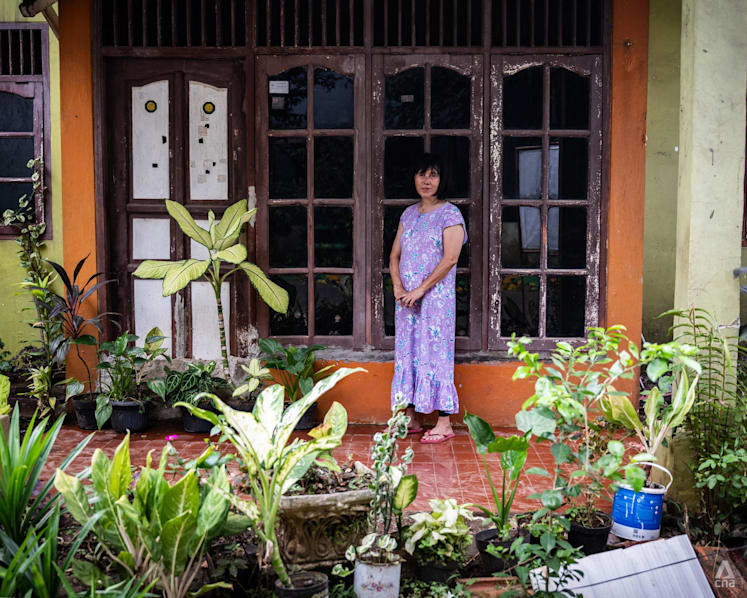
The 56-year-old said this was the second time this year that floods affected her housing complex.
The same wall breached in March, unleashing a torrent of water that rose to waist height inside her home. “We couldn’t save anything. Everything (I had) was completely covered in mud,” she said of the March flood.
Nurbaiti said since the Oct 25 flood, government officials have yet to fix the breached section of the flood retention wall.
A spokesman for the Bogor Regency government where Cibinong is located told CNA the Cibinong embankment will be fixed as soon as possible but added that there are dozens of other broken levees, retaining walls and sheet piles across the hilly regency that are in need of their attention.
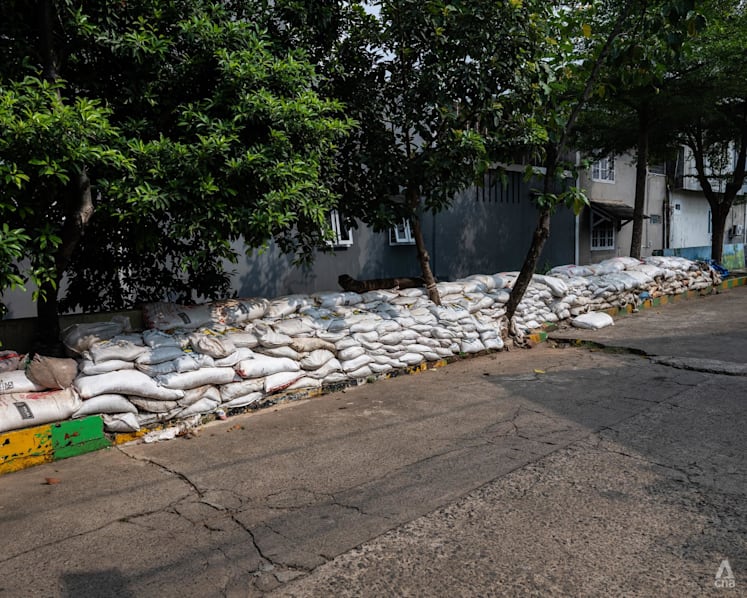
In lieu of a permanent fix, authorities are placing sandbags and other temporary reinforcements to stop potential overflows. Nurbaiti doubted these measures would withstand another heavy rain.
“I’m scared,” she said of the prospect of another flood. “I’m traumatised.”

PERMANENT SOLUTION NEEDED
Cibinong is not the only flood-prone community in Greater Jakarta forced to rely on sandbags and makeshift barriers to keep rising waters at bay.
Across the sprawling metropolis, countless smaller rivers, tributaries and drainage canals wind through densely populated neighbourhoods, often receiving less attention than major waterways such as the Ciliwung.
In Cipinang Muara, Jakarta, a congested subdistrict sandwiched by two flood-prone rivers, Cipinang and Sunter, residents have spent the past few days working together to clear drains and waterways of accumulated rubbish and sediment.
They have also lined the canals linking the Cipinang and the Sunter with tightly packed sandbags and construction debris to prevent floodwaters from entering their homes.
“The canal is quite small and not very deep, so the water level rises quickly. Fortunately, the men here are very proactive and have been helping to put up barriers,” said Dwi Rahmawati, 39, a Cipinang Muara resident.
In Mampang, another flood-prone Jakarta neighbourhood where embankments are non-existent, residents can only rely on information through a neighbourhood WhatsApp group, urging residents to move their belongings to safety.
“We also have neighbourhood watchmen who go around banging on people’s doors when a flood comes,” resident Megawati Afriani, 42, told CNA.
“Floods often happen in the middle of the night. If nobody wakes them up, residents who are fast asleep won’t realise what’s happening until their homes are already underwater.”
Jakarta Water Resources Agency head Ika Agustin Ningrum said land acquisition issues have hampered the government’s efforts to increase the capacity of rivers, big or small.
Along the Mampang River, for example, numerous buildings have already been constructed along the riverbanks, making it difficult to widen the waterway.
“For now, (the government) can only carry out dredging to increase the river’s capacity to hold water,” she said of these areas.
Other measures are also being undertaken, including the construction of retention ponds. “The hope is that water can be collected upstream before it flows downstream,” she added.

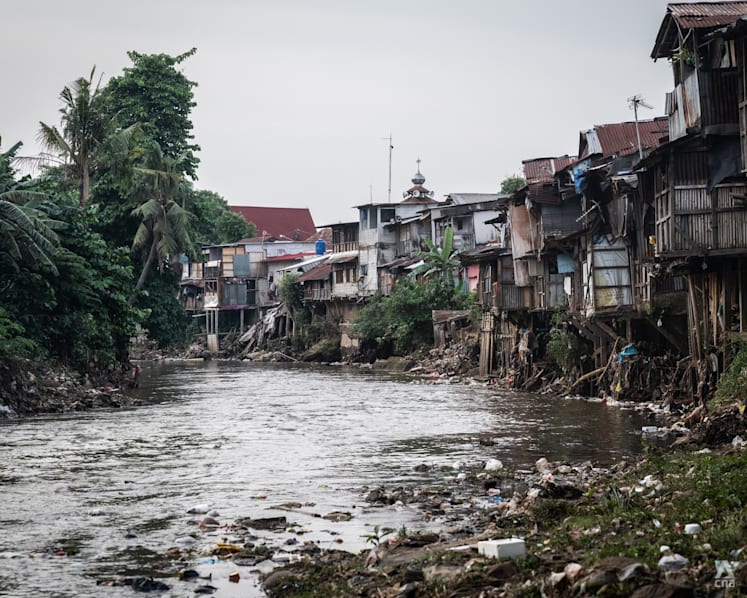
National Disaster Mitigation Agency (BNPB) spokesman Berton Panjaitan said authorities are paying close attention to areas where flood barriers are absent. “We have mapped out the flood prone areas, determined evacuation routes, monitored weather forecasts, readied health services and refugee shelters,” he said at a press briefing on Nov 4.
While dredging shallow rivers and strengthening disaster preparedness are important, experts say Greater Jakarta needs a more comprehensive, long-term approach to water management.
“The biggest challenge facing Greater Jakarta is the declining ability of its urban environment to absorb, retain, store and channel water in a balanced manner,” Mahawan said.
River basins and watershed areas which have been converted into settlements and factories need to be restored back to their natural state, he added.
Back in Rawajati, Bambang said he understands why his house had to be demolished to make way for the new embankment.
Although he initially resisted, seeing how the flood barrier has brought some peace of mind to the community has made him believe the sacrifice was worthwhile.
“Why didn’t they build something like this years ago?” he asked. “If they had done it earlier, life would have been much easier. We wouldn’t have had to suffer through so many floods.”

Source: CNA/ni
Sign up for our newsletters

Get the CNA app
Stay updated with notifications for breaking news and our best stories
Get WhatsApp alerts
Join our channel for the top reads for the day on your preferred chat app

Get bite-sized news via a new
cards interface. Give it a try.
Click here to return to FAST
Tap here to return to FAST
FAST