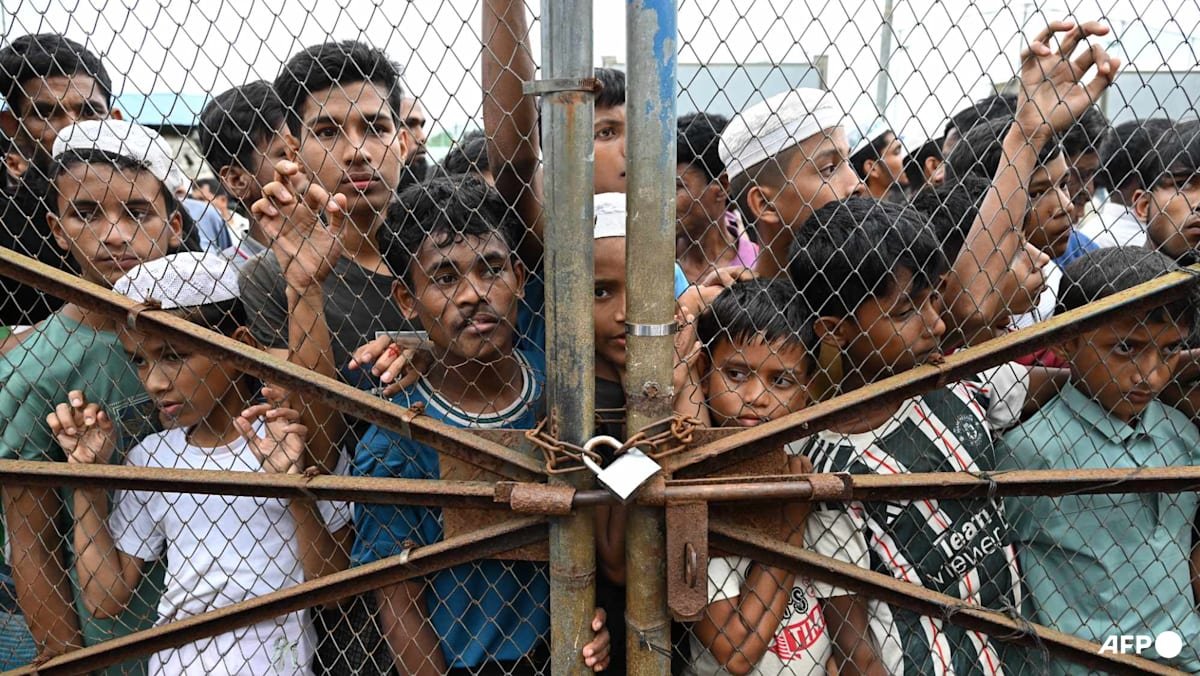
Top UN court finds Myanmar committed state-sponsored genocide against Muslim Rohingya
This marks the first time the International Court of Justice has found a state responsible for committing genocide.
Rohingya refugees watch the International Court of Justice (ICJ) ruling over whether Myanmar committed genocide against Rohingya Muslims, on a screen at a camp in Bangladesh’s Cox’s Bazar on Nov 19, 2026. (Photo: AFP/Salahuddin Ahmed)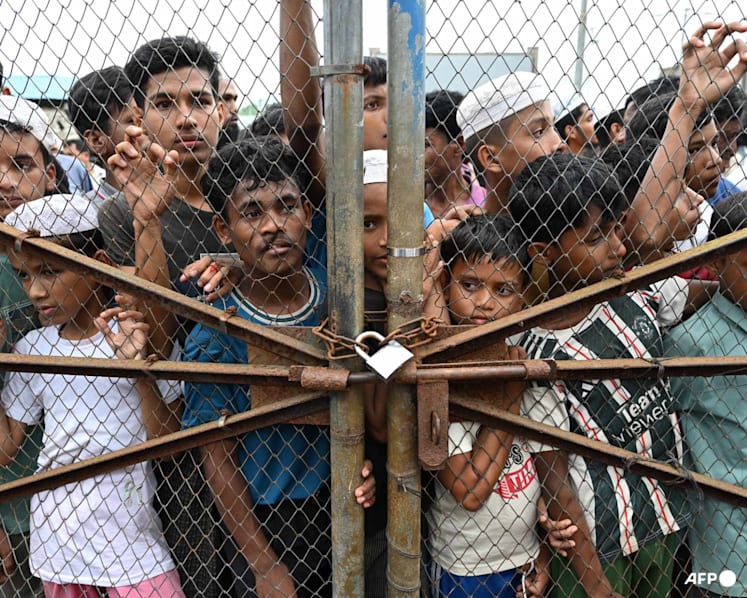
Read a summary of this article on FAST.
Get bite-sized news via a new
cards interface. Give it a try.
Click here to return to FAST
Tap here to return to FAST
FAST
THE HAGUE: The United Nations’ highest court on Thursday (Nov 19) ruled that Myanmar committed genocide against its Rohingya community, in a landmark judgment nearly a decade after a military crackdown forced hundreds of thousands of Rohingya Muslims to flee the country.
The International Court of Justice (ICJ) said that actions by Myanmar against the Rohingya in 2017 had the “intention to destroy” a substantial part of the Muslim minority population, meeting the legal threshold for genocide.
The decision, seven years after the case was filed by predominantly Muslim Gambia, marked only the fourth time since the Nazi Holocaust that an international court ruled that the legal threshold to prove genocide had been met.
“The court finds that Myanmar’s security forces killed thousands of Rohingya civilians, perpetrated widespread acts of sexual violence as well as acts of extreme violence against children and attacked fleeing Rohingya as they sought to flee in large numbers to Bangladesh,” presiding judge Yuji Iwasawa said.
Myanmar must also allow the safe return of the Rohingya Muslim minority to their place of residence and allow reunification of families, the judge said. It also has to investigate individuals suspected of having committed acts of genocide and to punish them where warranted.

Guess Word
Crack the word, one row at a time

Buzzword
Create words using the given letters

Mini Sudoku
Tiny puzzle, mighty brain teaser

Mini Crossword
Small grid, big challenge

Word Search
Spot as many words as you can
“Myanmar is under an obligation to compensate the Rohingya group and its members for the damage caused by the violations of its obligations … in so far as such damage is not made good by restitution,” said Iwasawa.
Genocide has rarely been established in international courts, largely because prosecutors must prove that there was a specific intent to destroy, in whole or in part, a national, ethnic, racial or religious group.
The ruling by the International Court of Justice comes seven years after Gambia brought the case against Myanmar, alleging that Myanmar’s repression of the Rohingya had breached the 1948 UN Genocide Convention.
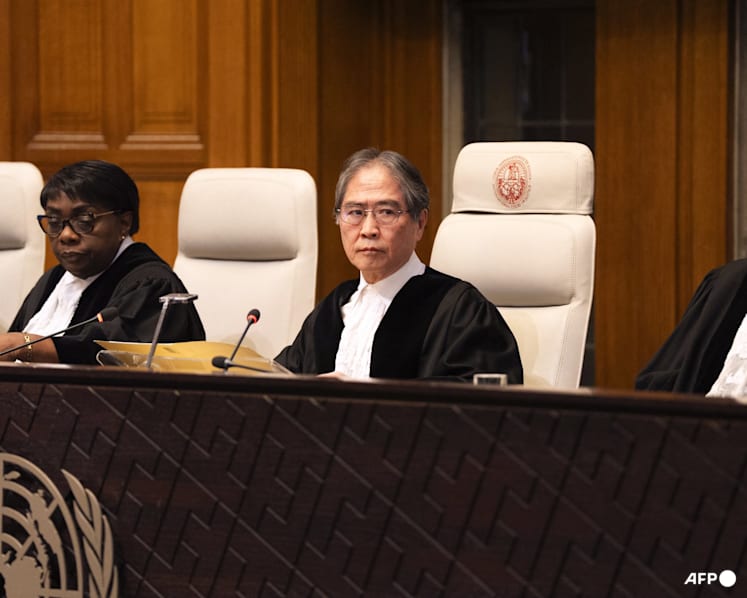
The decision on Thursday is said to have implications far beyond Myanmar, including for South Africa’s case accusing Israel of genocide in Gaza filed in 2023.
The ICJ has never found a state responsible for committing genocide, a crime defined under international law in the aftermath of the Nazi-led Holocaust.
Both Myanmar and Israel have denied allegations of genocide and say their forces have responded legitimately to attacks by armed groups.
The predominantly Muslim West African country of Gambia filed the case at the ICJ – also known as the World Court – in 2019, accusing Myanmar of committing genocide against the Rohingya, a mainly Muslim minority in the remote western Rakhine state.
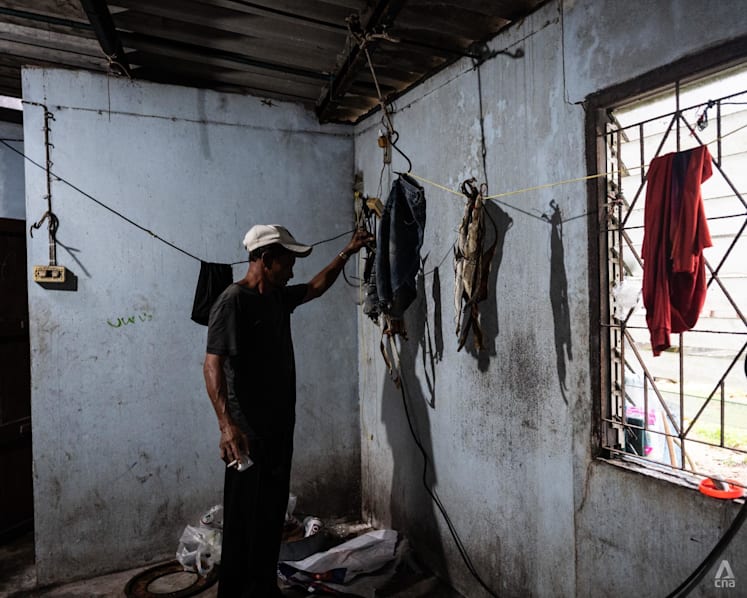
Myanmar’s armed forces launched an offensive in 2017 that forced at least 730,000 Rohingya from their homes and into neighbouring Bangladesh, where they recounted killings, mass rape and arson.
A UN fact-finding mission concluded the campaign included “genocidal acts”.
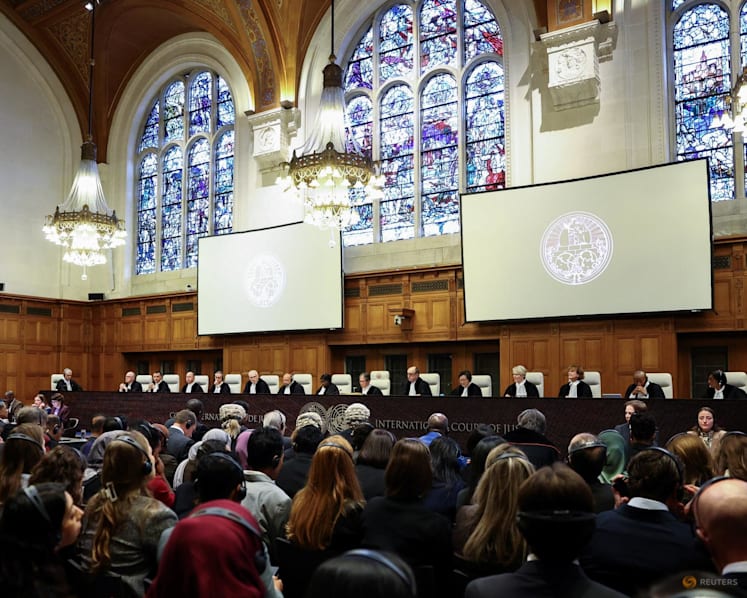
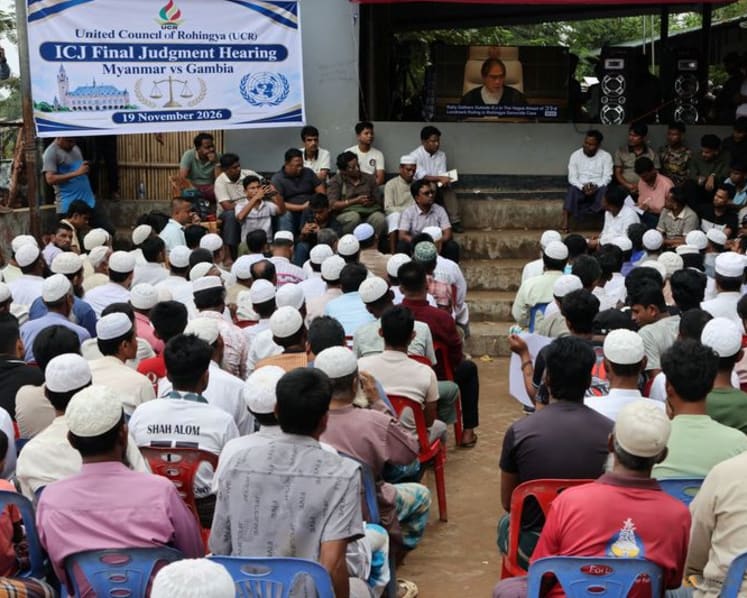
The first major decision on Thursday by the court in more than a decade on the application of the 1948 Genocide Convention is closely watched by legal experts for clues to how the 15-member bench assesses state responsibility in the alleged commission of international crimes.
Genocide has rarely been established in international courts, largely because prosecutors must prove the specific intent to destroy, in whole or in part, a national, ethnic, racial or religious group.
International courts have recognised genocide in only a handful of cases since the Holocaust, including the 1994 Rwanda genocide, the 1995 Srebrenica killings in Bosnia, and atrocities by Cambodia’s Khmer Rouge in the late 1970s.
As part of its case, Gambia has asked the court to order Myanmar to pay reparations and ensure the safe return of Rohingya refugees.
ASEAN’s Five-Point Consensus
Following a 2021 military coup, ASEAN has excluded Myanmar from high-level meetings as it has yet to make meaningful progress on the bloc’s Five-Point Consensus to end hostilities.
During a meeting in April 2021, all ASEAN leaders reached a consensus about the situation in Myanmar.
The five points are:
First, there shall be immediate cessation of violence in Myanmar and all parties shall exercise utmost restraint.
Second, constructive dialogue among all parties concerned shall commence to seek a peaceful solution in the interests of the people.
Third, a special envoy of the ASEAN chair shall facilitate mediation of the dialogue process, with the assistance of the secretary-general of ASEAN.
Fourth, ASEAN shall provide humanitarian assistance through the AHA Centre.
Fifth, the special envoy and delegation shall visit Myanmar to meet with all parties concerned.
Collapse
Expand
ICJ rulings are final but the court has limited means to enforce its decisions.
The ICJ, which settles disputes between states and rules on alleged breaches of international treaties, is distinct from the International Criminal Court, which prosecutes individuals for war crimes, crimes against humanity and genocide and can impose jail terms.
The Rohingya, a predominantly Muslim minority in Myanmar’s western Rakhine state, have faced decades of discrimination, including the denial of citizenship.
Tensions escalated in 2017 after a Rohingya militant group conducted guerrilla-style attacks, prompting the Myanmar army to respond with massive “clearance operations”.
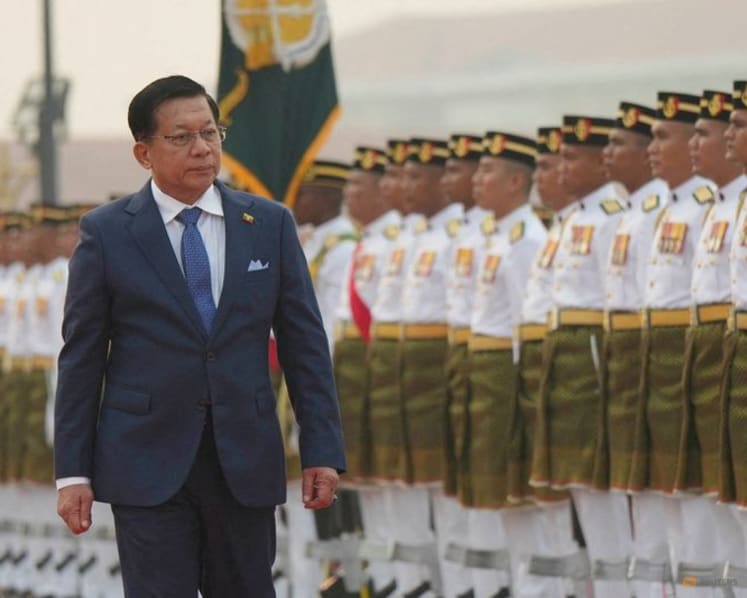
A ruling that Myanmar committed genocide would intensify international pressure on its leader Min Aung Hlaing, who headed the military during the 2016-2017 attacks and later overthrew the elected government of Aung San Suu Kyi in a 2021 coup, triggering a civil war that has left tens of thousands dead.
Source: Agencies/ia(nh)
Sign up for our newsletters

Get the CNA app
Stay updated with notifications for breaking news and our best stories
Get WhatsApp alerts
Join our channel for the top reads for the day on your preferred chat app

Get bite-sized news via a new
cards interface. Give it a try.
Click here to return to FAST
Tap here to return to FAST
FAST