To view this video please enable JavaScript, and consider upgrading to a web browser that supports HTML5 video
ScienceMexicohttps://p.dw.com/p/5Pfka
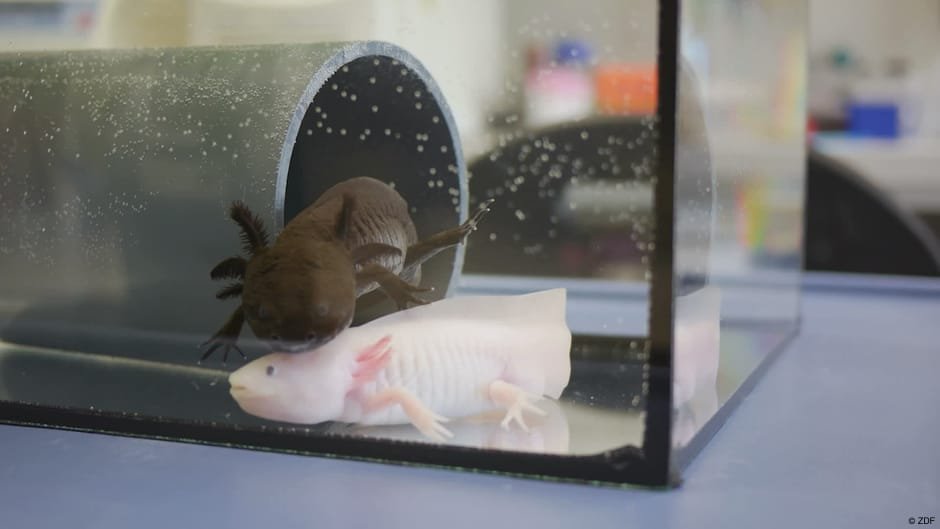
The axolotl, Mexico’s iconic aquatic salamander, is becoming a symbol of both conservation and medical research. Native to the canals of Xochimilco in southern Mexico City, the species is now critically endangered, with only a few hundred believed to be left in the wild. Habitat loss, water pollution, invasive species and urban expansion have pushed the animal to the brink.
At the same time, researchers in Mexico and Germany are studying the axolotl’s extraordinary ability to regenerate limbs, organs and spinal cord tissue, hoping to unlock insights for regenerative medicine. Conservationists are working to restore habitats and reintroduce axolotls into protected areas, warning that saving the species depends on protecting its unique ecosystem.