https://p.dw.com/p/5Ps3TPrefer DW on Google
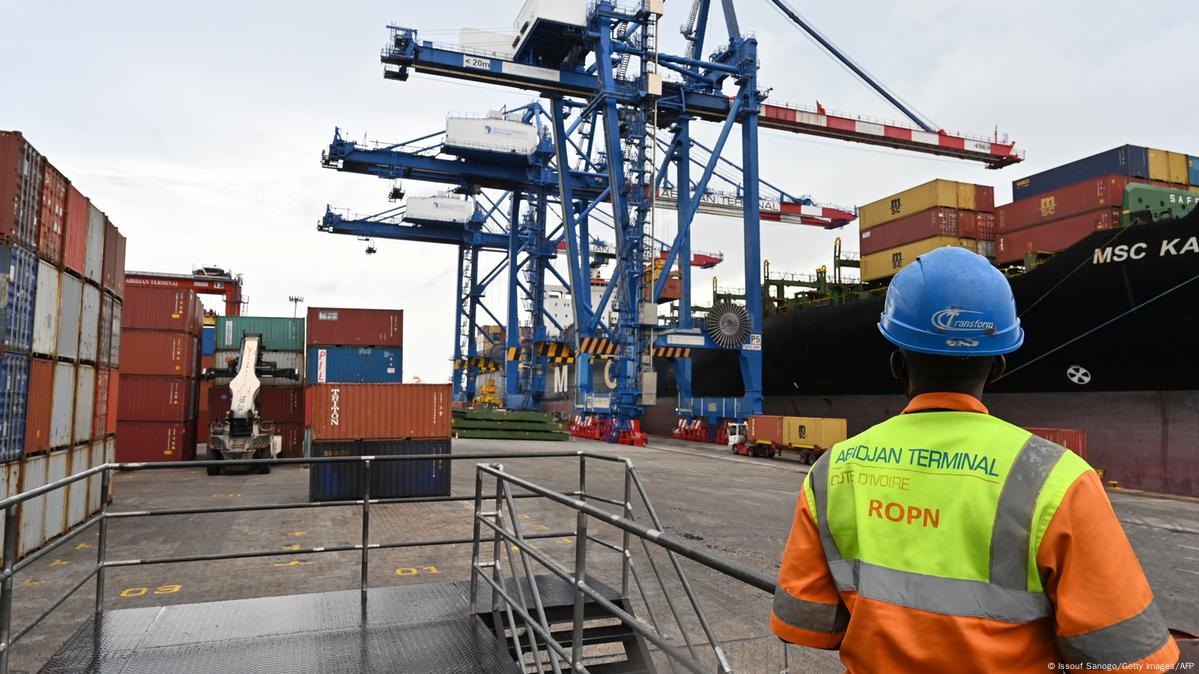
“Africa is a land of opportunity.” “The German-African relationship is a win-win.” “The continent is the market of the future.”
That’s what many business leaders and politicians have to say about Africa at the sixth edition of the German-African Business Summit in Accra, Ghana. While these descriptions aren’t new, there’s a palpable sense of urgency and seriousness this time.
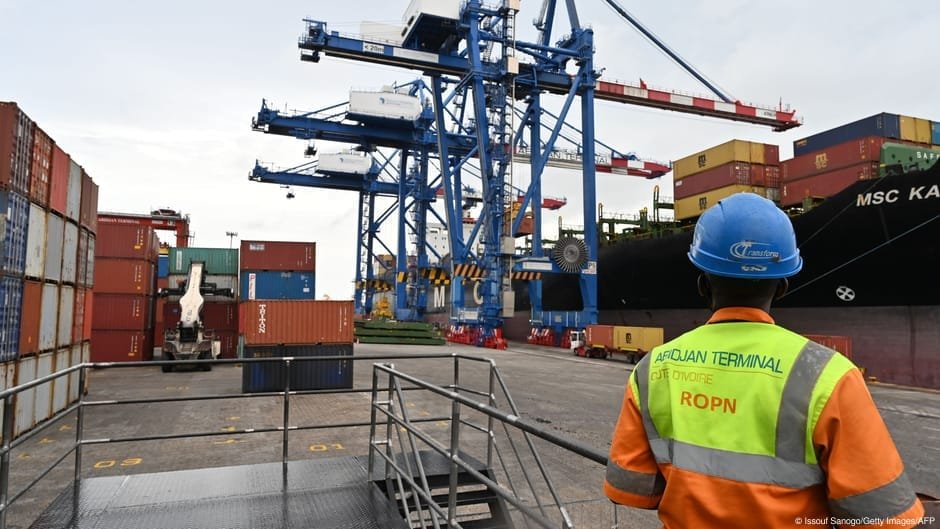
German firms are increasingly viewing Africa as an attractive destination as they scramble to find new markets amid wars in Ukraine and Iran, high energy prices, punishing US tariffs and slowing growth in traditional markets like China.
“For a long time, many German companies had a secure source of revenue from the major export markets in North America and China, but the geopolitical ruptures of our time have undermined this certainty,” German President Frank-Walter Steinmeier said during the event.
“One could also say that it is time for new horizons, time to take a closer look at economic opportunities still waiting for us.”
Why Africa matters?
Africa is home to some of the fastest growing economies in the world, like Ethiopia and Rwanda. Even as European and other advanced economies contend with declining working-age populations, Africa is expected to add hundreds of millions of workers in the next few decades, emerging as a key source of future labor.
Germany has already signed a migration pact with Kenya and is working on one with Ghana as it seeks to attract skilled workers to help ease acute labor shortages in certain sectors at home.
Even as Africa remains one of the poorest regions in the world, economic growth in parts of the continent has created a larger and more affluent consumer class over the past three decades. This group is aspirational and a growing source of demand for many of the goods that German firms want to sell, from cars to cosmetics.
The continent, with its mineral wealth and renewable energy potential, is central to European Union efforts to diversify its sources of critical raw materials and reduce reliance on China-dominated supply chains.
It is also playing an increasingly important role in strengthening the EU’s energy security after the bloc phased out most energy imports from Russia.
German firms have committed to invest billions of euros in green hydrogen projects in countries such as Mauritania and Namibia.
“We don’t have the capital to develop them [natural resources]. So foreign investors are coming to help us develop those resources. Whilst we are getting jobs and industrialization is taking place, they are also making profits,” said Amin Amidu Sulemani, energy and infrastructure commissioner at the Economic Community of West African States (ECOWAS).
“It’s not a relationship where we send raw materials outside of Africa every time, when we can actually process them here,” he told DW.
What is wrong with Germany’s Africa strategy?
Despite Africa’s growing economic appeal, many obstacles to investment remain, including corruption and governance concerns, unreliable energy supplies, foreign exchange risk and poor infrastructure.
African leaders say they are working to address these challenges and improve the ease of doing business.
Yet while German companies have largely remained on the sidelines, competitors from countries such as the UAE, Turkey and India have made significant inroads across the continent.
German firms enjoy a strong reputation in Africa because of their engineering expertise, vocational training programs and long-term industrial investments, which are more likely to create stable jobs than investments in extractive industries.
However, they have struggled to translate that goodwill into a larger commercial presence. Africa, for instance, accounts for less than 2% of the total foreign investment made by German firms over the past several decades.
Business leaders complain that German firms lack adequate financing and risk protection for projects in Africa. They also criticize excessive bureaucracy and the absence of a coherent German strategy, with engagement fragmented across ministries and agencies.
Industry bodies say German institutions and firms often perceive risks too broadly, treating diverse African markets as if they pose the same level of risk.
“German companies can be a bit more bold and maybe also innovative in the way they approach the continent,” Khadi Camara, deputy CEO of the German-African Business Association, told DW. “We see that in the companies that are successful, they don’t do business as usual. Every country has its nuances that companies keep in mind and say, okay, this model works here, that model works there.”
The 2026 World Investment Report by UN trade body UNCTAD showed that investors from the Gulf and Asia are becoming important sources of investment in Africa, especially in energy, logistics, real estate and infrastructure.
The UAE has been a major investor in greenfield megaprojects in recent years, including the $34 billion (€31 billion) Infinity Power renewable energy project in Mauritania, the $24 billion Ras El Hikma real estate development project in Egypt and the $6 billion H2 Global Energy hydrogen project in Tunisia.
To view this video please enable JavaScript, and consider upgrading to a web browser that supports HTML5 video
How can German firms seize the African opportunity?
Business leaders are calling for better financing and guarantees, and more risk-sharing and fewer bureaucratic hurdles.
Meanwhile, others, including the German president, are urging German businesses to take on more risk and seize opportunities in Africa. Otherwise, they risk being edged out by foreign rivals.
“Be curious, take risks and invest in our common future,” Steinmeier said.