Commentary: China’s building crash helps ease the Hormuz pain
If filling up your car isn’t even more expensive in the coming months, you should thank China’s abandoned building sites, says David Fickling for Bloomberg Opinion.
Read a summary of this article on FAST.
Get bite-sized news via a new
cards interface. Give it a try.
Click here to return to FAST
Tap here to return to FAST
FAST
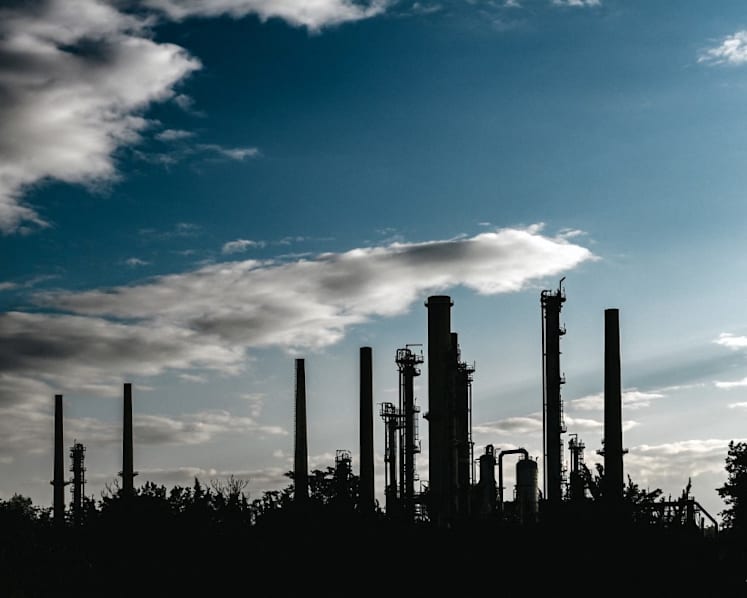
SYDNEY: Just how little diesel can China get away with using? We’re in the process of finding out.
The country’s refineries produced just 12.9 million tonnes of the fuel in June. Barring a couple of dips during the COVID-19 pandemic, that’s the smallest figure since 2010. Asphalt is in a similar place, back to roughly its lowest levels since Xi Jinping’s presidency began in 2012.
That’s a suggestive trend. No two petroleum products are more directly exposed to the construction industry than asphalt and diesel. The former is used to seal roads to new developments and waterproof roofing materials. The latter powers the fleets of cement mixers, excavators, work trucks and cranes used in putting up new buildings. (Gasoline, in contrast, powers cars, motorbikes and scooters.)
China’s building crash has no historical precedent in terms of scale and size. You have to go all the way back to 2002, just months after the country joined the World Trade Organization, to find a year when the volume of new housing starts was lower than it has been so far in 2026.

Guess Word
Crack the word, one row at a time

Buzzword
Create words using the given letters

Mini Sudoku
Tiny puzzle, mighty brain teaser

Mini Crossword
Small grid, big challenge

Word Search
Spot as many words as you can
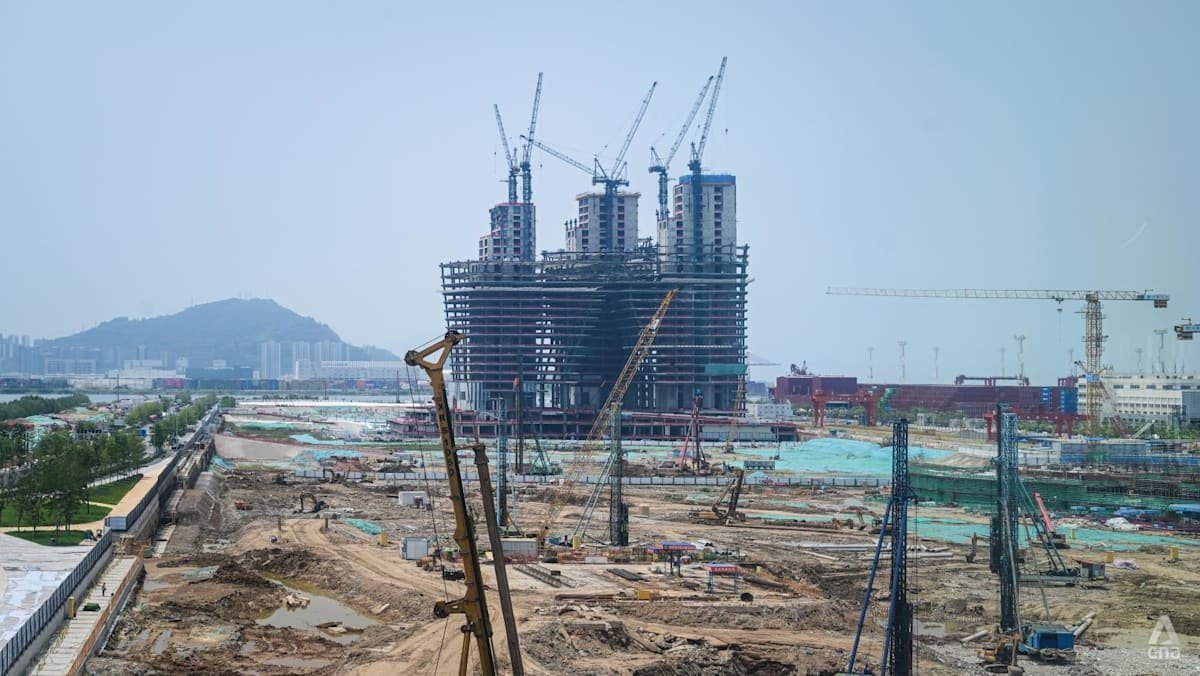
Look to those tens of thousands of idled and abandoned building sites across the country if you’re seeking explanations for the way oil imports have fallen at such an extraordinary pace this year.
Site work is drying up. China’s peak building season from March to June is traditionally marked by hundreds of millions of square meters being added to the floor space under construction, as ground is broken on new developments to accommodate the expected demand from new homeowners once the current stock of projects is sold off.
That stage of building can be particularly diesel-intensive, as excavators and mixers prepare foundations and pour concrete. This year, though, it’s hardly happening at all: Just 131 million square meters were added, barely more than a sixth of the rate five years earlier.
IMPACT ON FUEL DEMAND
The knock-on effect on fuel demand is inevitable. Consider the contrast between March, when refineries were running flat out processing crude that had already left port before Hormuz closed, and June, the latest month for which we have data.
Output fell by about 2.5 million barrels a day between the two months. Well over a third of that – nearly 900,000 daily barrels – came from cutbacks to diesel. No other product came close.
Compared to its peak during the chaotic collapse of Beijing’s COVID-Zero policy in December 2022, diesel production is now down by roughly a third. Asphalt, falling more than two-thirds since its high point a year earlier, has suffered an even more dramatic slump.
Right now, many builders are working through an inventory of sites accumulated more than half a decade ago, eking out what little cash they can from finishing off apartments with the help of government urban renewal programs.
With diesel prices rising by about 50 per cent during March, it’s understandable if they have paused work on developments that would struggle to make money in the best of times, in the hope that costs might be more manageable once the Strait reopens.
THE FULL EXPLANATION
But the behaviour of property developers doesn’t explain everything. Trucks are now switching to battery power at a remarkable pace, as we’ve written.
Still, that’s unlikely to be able to explain a drop-off as sudden as we’ve seen. Uptake of battery vehicles has been far quicker by China’s gasoline-consuming car and scooter drivers, but the process of electrifying an entire fleet is gradual. The drop in gasoline output since March has been remarkably quick, but still not as fast as diesel’s slump.
The depth of the demand decline from the crashing housing market has also likely been softened by the way that China’s refiners have switched from making transport fuel to petrochemicals in recent years.
Output of plastics and naphtha, a feedstock used in making chemicals, was only just shy of its highest levels on record in June. In recent months, China has been producing a larger tonnage of raw plastics than gasoline.
That reversal may have been accentuated by the disruption in Hormuz, but it looks more like the fulfilment of a long-term trend. Nearly a decade ago, Mukesh Ambani, whose Reliance Industries owns the world’s biggest oil refinery at Jamnagar in India, predicted the future of oil lay in petrochemicals rather than fuel. His forecast is now playing out.
Should Hormuz reopen, you’d expect to see some recovery for diesel. Transport, mining, and agriculture still make up the majority of China’s demand, with construction likely accounting for less than a fifth of consumption.
But with sales of electric trucks now making up about a third of the total and the government targeting a 40 per cent sales share by 2030, the broader market is falling far quicker than any hoped-for recovery in the building trade.
If filling your gas tank isn’t even more expensive this summer, you should thank China’s abandoned building sites.
Source: Bloomberg/zw(el)
Sign up for our newsletters

Get the CNA app
Stay updated with notifications for breaking news and our best stories
Get WhatsApp alerts
Join our channel for the top reads for the day on your preferred chat app

Get bite-sized news via a new
cards interface. Give it a try.
Click here to return to FAST
Tap here to return to FAST
FAST
About The Author