
EU to ban social media for under 13s, curb access until 15
The EU will also ban addictive design features such as so-called infinite scrolling where children are concerned, according to a draft document.
Instagram, TikTok, Snapchat, YouTube, Facebook, Twitch and Reddit applications are displayed on a mobile phone in this picture illustration taken on Dec 9, 2025. (Photo: Reuters/Hollie Adams)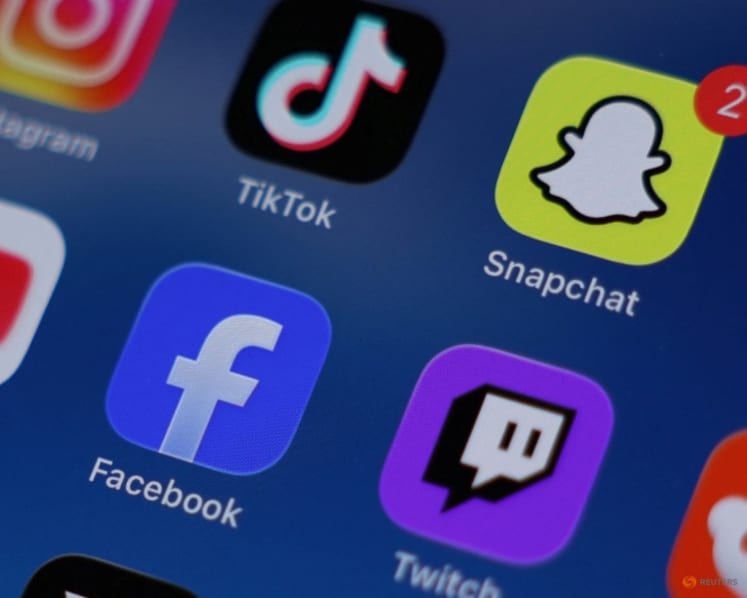
Read a summary of this article on FAST.
Get bite-sized news via a new
cards interface. Give it a try.
Click here to return to FAST
Tap here to return to FAST
FAST
STRASBOURG: The European Union will ban social media for children under 13 and allow only limited, supervised access until the age of 15 under plans unveiled on Wednesday (Sep 16) by EU chief Ursula von der Leyen.
A global backlash against social media has piled pressure on policymakers, with a rising body of evidence showing negative impacts on children’s physical and mental health.
Australia last year became the first country to ban social media for under-16s, triggering a wave of similar moves elsewhere.
The 27-country bloc would take a “gradual” approach, von der Leyen confirmed during her annual keynote address to the European Parliament in Strasbourg, France.

Guess Word
Crack the word, one row at a time

Buzzword
Create words using the given letters

Mini Sudoku
Tiny puzzle, mighty brain teaser

Mini Crossword
Small grid, big challenge

Word Search
Spot as many words as you can
“Each age has its own sensitivities. And therefore, each will have its own tailored protection level,” she said.
“No social media under the age of 13. No personal account under the age of 15,” she said. “That means from 13 to under 15, only mini accounts, set up and supervised by parents or guardians, with limited features and time restriction to one hour a day.”
“And between 15 and 18, safe design will be an obligation for the platforms.”
Before she outlined the EU’s approach, von der Leyen paid tribute to a 14-year-old girl in Belgium, named Olea, who killed herself one month ago after being bullied, and whose mother she quoted as saying: “I am convinced that without these omnipresent networks, my daughter would still be here.”
Von der Leyen made no reference to online games or AI chatbots, which according to draft legislation seen by AFP would also be hit by the restrictions.
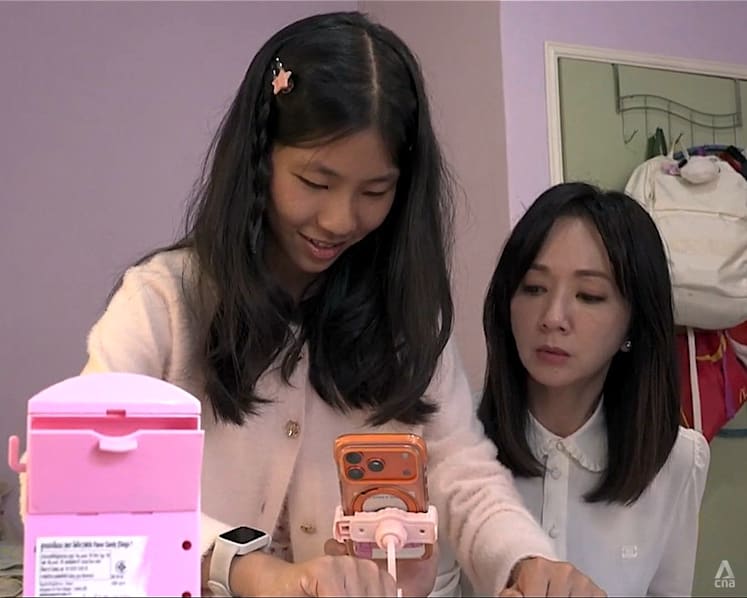

The European Commission president and tech chief Henna Virkkunen will formally present the proposed KIDS Act, including the tiered age limits in Strasbourg, France on Thursday.
The EU will also ban addictive design features such as so-called infinite scrolling where children are concerned, according to a draft document.
If platforms break the rules, they face fines of up to 6 per cent of annual turnover, draft details show.
“Europe has the power to act. It is we who decide our rules, not big tech,” von der Leyen said.
“We do not have to accept addictive features,” she warned, saying “platforms will have to prove that they are safe”.
“It is not about our minors accessing social media. It is about when and how do we allow social media to access minors,” von der Leyen added.
The “risk” is not limited to children, she noted. “Addictive design, for example, is harming everyone,” she said, telling EU lawmakers that Europe needed more rules that will be proposed in the autumn.

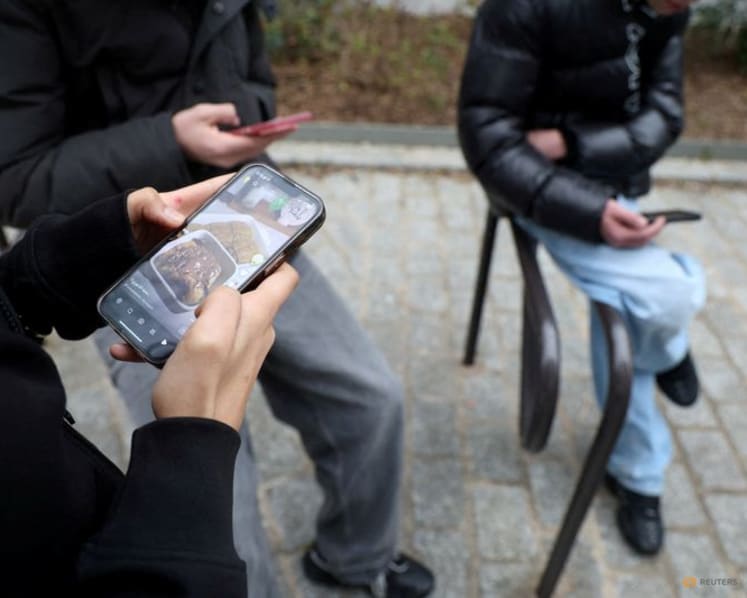
PRESSURE FROM EU STATES
Among those listening in the grand chamber was Canadian Prime Minister Mark Carney whose country has also moved to curb social media for under-16s.
Von der Leyen had faced pressure from member states including France, Denmark and Greece for action across the 27-nation bloc to limit online harms for children.
The EU has sought for years to rein in Big Tech, empowering itself with a strengthened legal armoury that it now believes is not sufficient.
The bloc has already told Meta platforms Facebook and Instagram as well as TikTok to change their “addictive” design through its content law known as the Digital Services Act, but changes have taken longer than Brussels wants.
Digital and children’s rights groups have raised concerns over how the new social media curbs will work in practice, as well as over a related age-check app the EU is preparing to roll out.
“Age verification is not a silver bullet and would raise serious privacy and data protection concerns,” said European consumer organisation BEUC’s Agustin Reyna.
Thursday’s proposal will only become law after negotiations on a final text between EU capitals and the European Parliament, which could take months.
Source: AFP/dc
Sign up for our newsletters

Get the CNA app
Stay updated with notifications for breaking news and our best stories
Get WhatsApp alerts
Join our channel for the top reads for the day on your preferred chat app

Get bite-sized news via a new
cards interface. Give it a try.
Click here to return to FAST
Tap here to return to FAST
FAST