From economic experiment to diplomatic stage: Why China chose Shenzhen for APEC
Analysts say the city’s transformation into a global tech hub makes it a fitting stage for next week’s APEC summit – showcasing China’s economic ambitions and push for deeper regional cooperation.
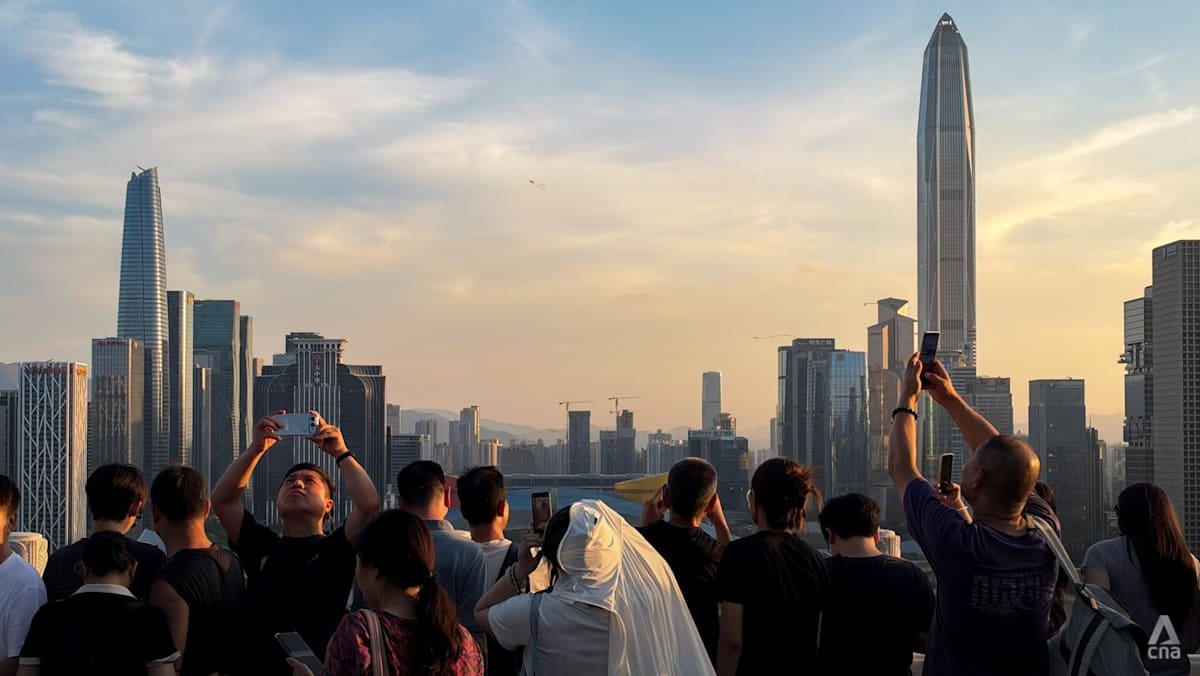
Visitors take photographs of skyscrapers in Shenzhen’s financial district on Nov 1, 2026. (Photo: CNA/Lan Yu)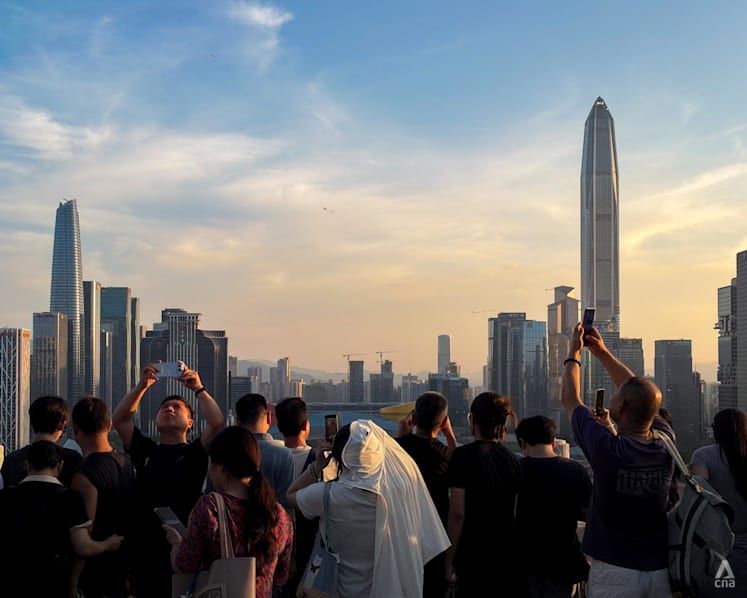
New: You can now listen to articles.

This audio is generated by an AI tool.

Read a summary of this article on FAST.
Get bite-sized news via a new
cards interface. Give it a try.
Click here to return to FAST
Tap here to return to FAST
FAST
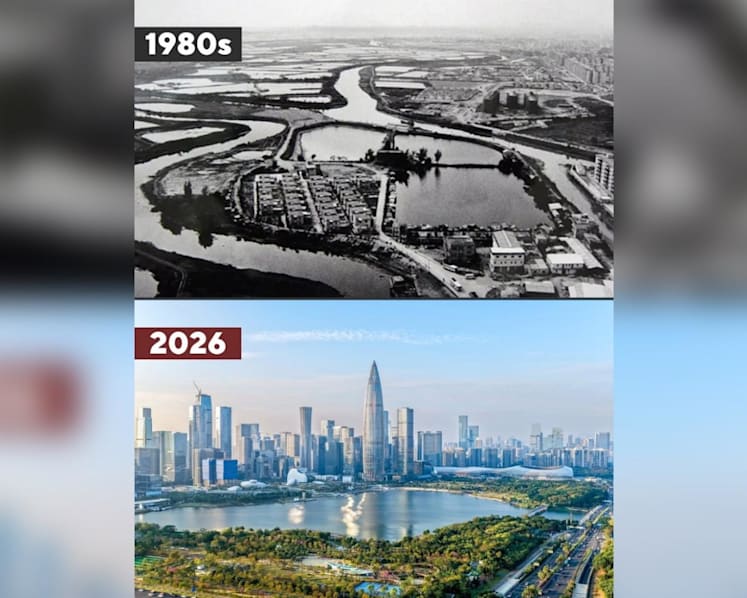
SHENZHEN: Once a little-known border town comprising fishing villages and rural settlements on China’s southern coast, Shenzhen is now preparing to take centre stage as host of one of the year’s most closely watched diplomatic gatherings.
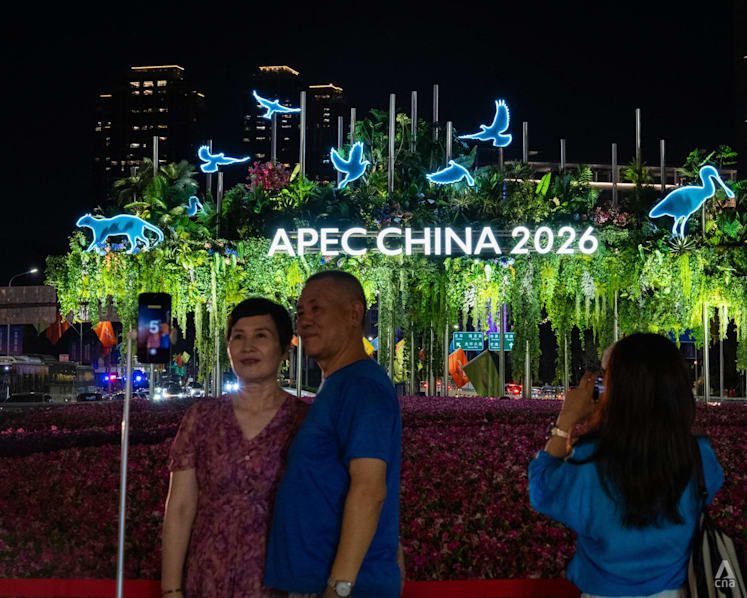
As leaders from the 21 Asia-Pacific Economic Cooperation (APEC) economies prepare to gather in the Chinese megacity next week, Beijing hopes to showcase Shenzhen as a symbol of China’s economic transformation – and a model of what it can now offer the region, analysts told CNA.
China has made openness, innovation and cooperation the priorities of its APEC host year, which will culminate in the Economic Leaders’ Meeting on Nov 18 and 19.
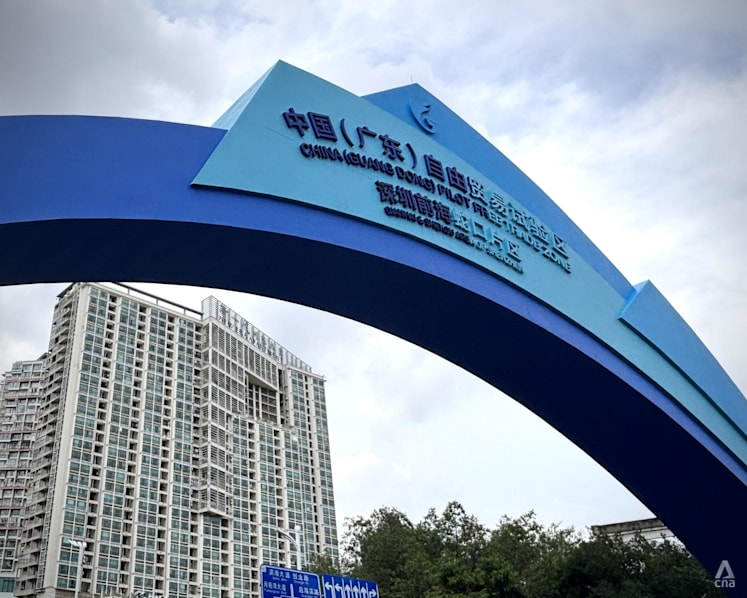
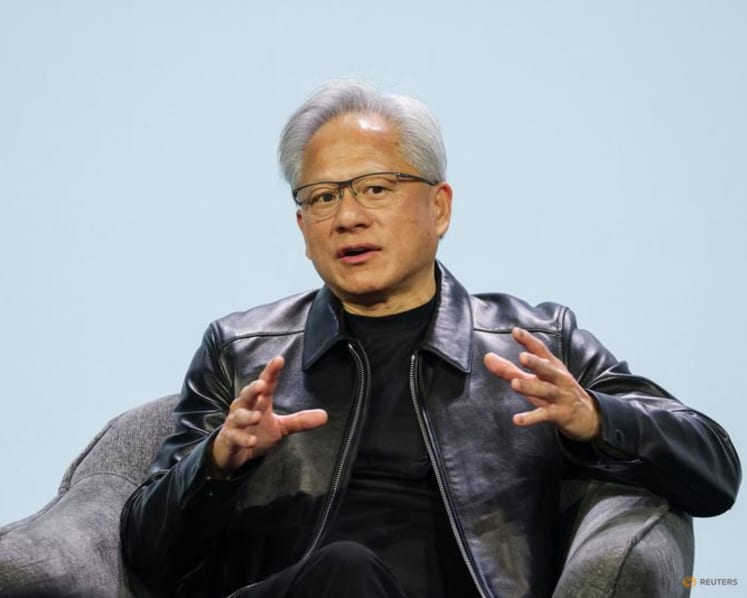

Analysts said Shenzhen’s evolution, from a magnet for foreign investment into a global technology powerhouse, makes it a fitting stage for that message.

Guess Word
Crack the word, one row at a time

Buzzword
Create words using the given letters

Mini Sudoku
Tiny puzzle, mighty brain teaser

Mini Crossword
Small grid, big challenge

Word Search
Spot as many words as you can
For businesses, the test will be whether this year’s APEC summit produces practical measures that companies can actually adhere to and use, said Han Yonghui, a professor at Guangdong University of Foreign Studies (GDUFS).
“What matters more is which entities the measures apply to, when they take effect, whether transaction costs are reduced, and what channels of redress are available when disputes arise,” Han added.
FROM FACTORY FLOOR TO TECH POWERHOUSE: SHENZHEN’S RISE
With a population of more than 18 million, Shenzhen is now home to tech giants Huawei, Tencent, drone maker DJI and electric vehicle manufacturer BYD.
The city’s stunning rise from manufacturing base to global tech hub is central to why it was chosen to host this year’s APEC summit, said Xu Liping, an Asia-Pacific affairs expert at the Chinese Academy of Social Sciences (CASS).
“Shenzhen has progressed from a policy-based special zone to a model of institutional opening up, and made an industrial leap from the world’s factory to an innovation engine,” Xu said.
Its transformation began in 1980, when it was designated one of China’s first special economic zones – becoming a testing ground for market-oriented policies aimed at attracting foreign investment, technology and management expertise.
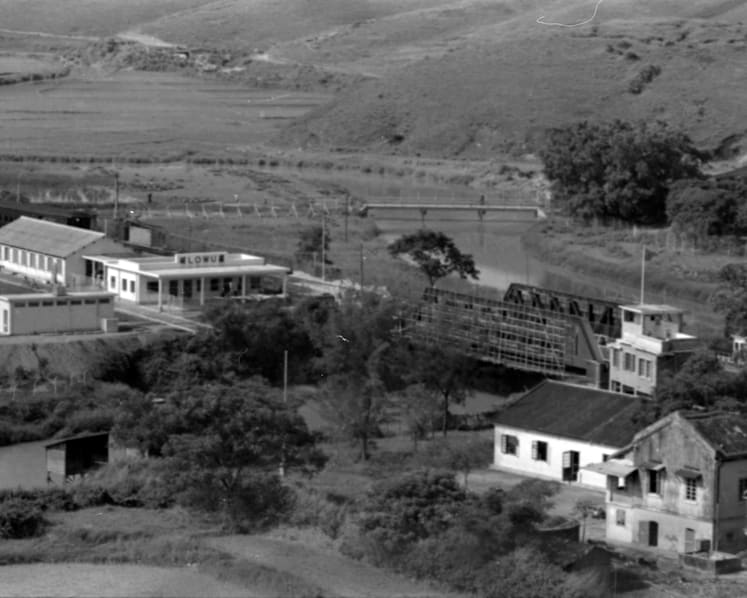
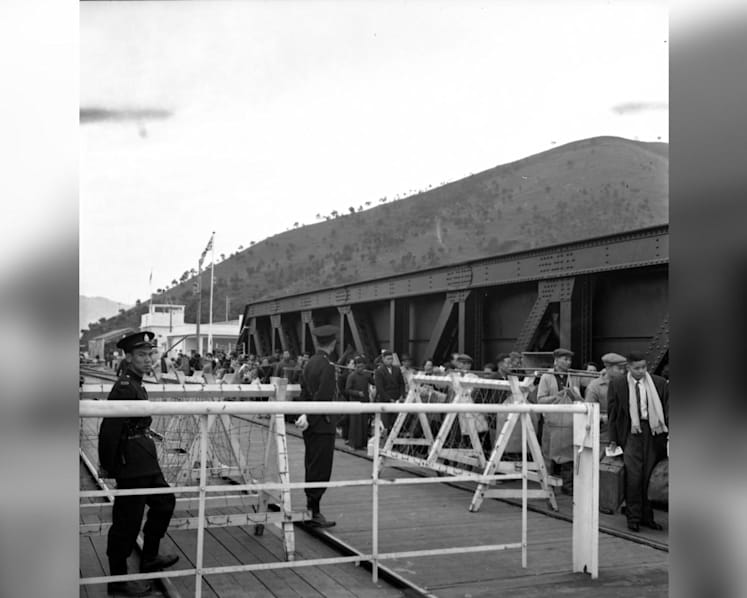
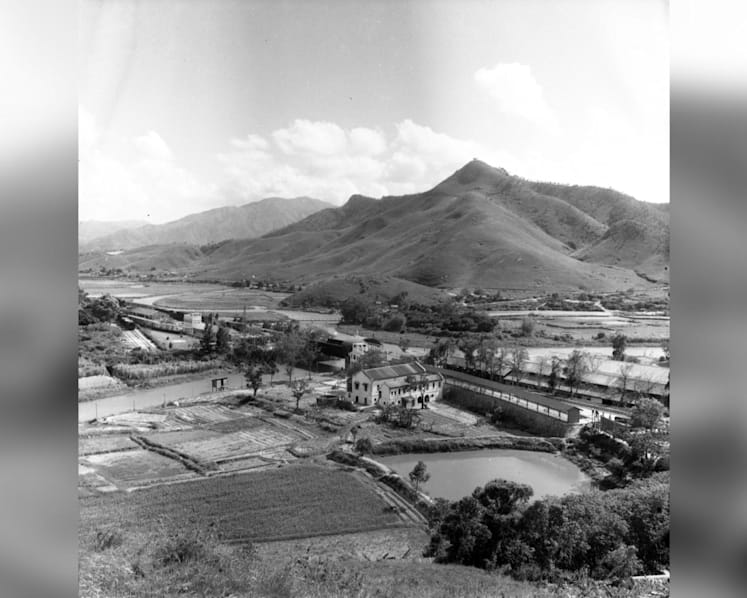
Late Chinese leader Deng Xiaoping’s landmark southern tour in 1992, which included a stop in Shenzhen, gave fresh momentum to China’s economic reforms.
Under President Xi Jinping, ambitions widened beyond the city. Shenzhen is now one of four core engines of the Greater Bay Area – a grand initiative to connect Hong Kong, Macau and nine Guangdong cities more closely through finance, research, manufacturing and trade.
Han from GDUFS said the city’s role had evolved and taken on more importance – from bringing in foreign capital and expertise to helping Chinese companies develop technology and expand into overseas markets.
“China’s deepening opening up is reflected in its greater capacity to jointly organise research and development, production and services with external partners while continuing to absorb global resources,” Han said.
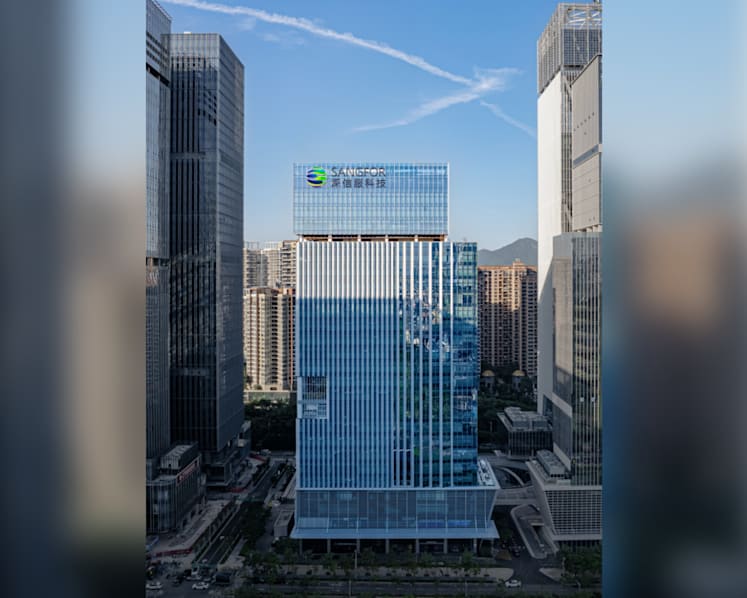
Shenzhen-based cybersecurity and cloud computing firm Sangfor Technologies is just one example.
Founded in 2000, it began expanding overseas in 2008 and now serves more than 100,000 customers in over 100 countries and regions, according to the company.
Keith Lee, Sangfor’s cloud business director, said the challenge had shifted from convincing overseas customers of its products and value to better understanding their needs.
“The challenge is no longer about proving the value of technology made in Shenzhen. It is about understanding what each customer needs as the landscape continues to evolve,” Lee said.

When Window of the World, a local Shenzhen theme park, first opened in 1994, its miniature replicas of global landmarks like the Eiffel Tower and Mount Rushmore drew crowds of curious visitors – eager for a glimpse of places they might never see in person.
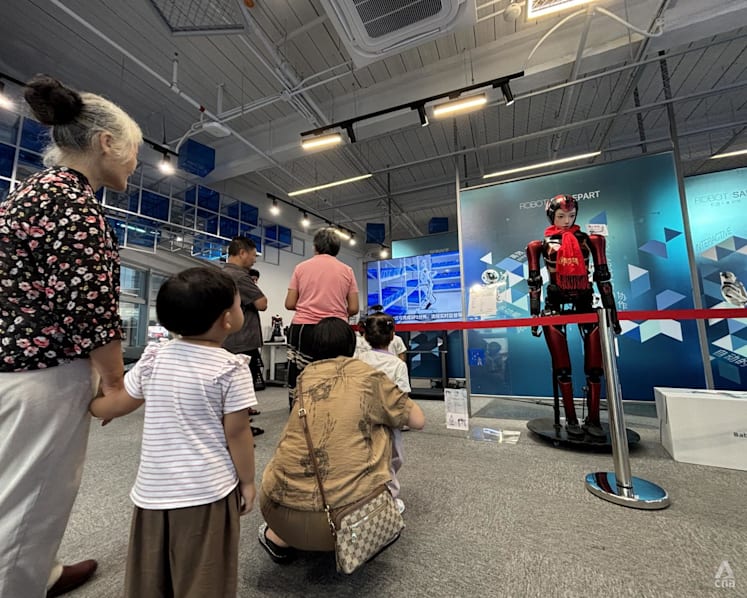
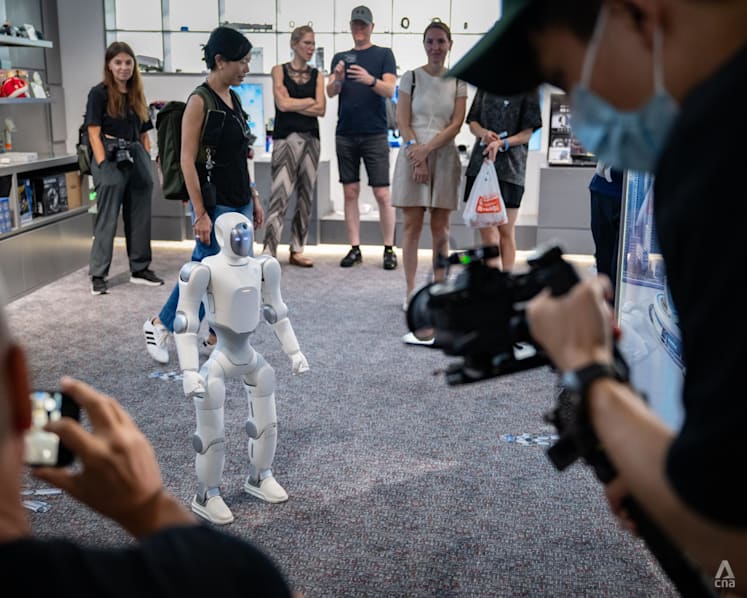
Decades on, the landmarks remain but the park has evolved. Robots, digital services and drone displays from Shenzhen companies now feature prominently.
Employee Wang Chao, a 44-year-old marketing executive from Hubei who joined the park in 2006, has witnessed that transformation firsthand.

“In the past, it was inconvenient for Chinese people to travel abroad, so they could come to Window of the World and see things from other countries,” Wang told CNA.
“Now, when foreign visitors come, they can also see things from Shenzhen and China through Window of the World,” he said.
CHINA’S APEC JOURNEY
China has hosted APEC twice before – with this year’s summit in Shenzhen marking its third turn as host.
The first was in Shanghai in 2001, when China was also preparing to join the World Trade Organization. The central question then, said Xu from CASS, was how the country would integrate into the global economy.
By the time Beijing hosted the summit in 2014, China was the world’s second-largest economy and seeking a greater role in shaping regional cooperation.
That summit produced a roadmap towards a proposed Asia-Pacific free trade area and a plan to improve connectivity.
“This marked China’s shift from participant to agenda-setter,” Xu said.
This year’s Shenzhen summit marks another shift, he added – from how China joins the global economy to what it believes it can contribute to the region.
OPEN FOR BUSINESS?
But how far does Shenzhen’s reputation for openness translate into real opportunities for foreign firms and businesses?
Singaporean entrepreneur Juana Lee, also the founder and CEO of Far Vision Consultancy, has experienced first hand both opportunities and challenges of operating in the city.
Lee first came to China in 2002 – helping relatives manage factories that produced scarves, sunglasses and umbrellas.
Work took her to the Longgang district, where she recalled ageing factories, pollution, poor transportation links and difficulty finding reliable information in English.
“It was a manufacturing world (then),” she said.

After leaving the family business around 2013, Lee set up a consultancy helping foreign companies navigate the Chinese market.
Shenzhen’s relatively low operating costs, compared with cities like Hong Kong and Singapore, made it easier for entrepreneurs to recover from financial setbacks while starting businesses, Lee said.
The city’s close proximity to Hong Kong was another draw. A direct high-speed train ride from Futian station to Hong Kong’s West Kowloon takes around 15 minutes.
But Lee has also seen newcomers struggle with unrealistic expectations – failing to understand local rules and encountering difficulties obtaining reliable information.
Some underestimate the responsibilities of running a company in the city, she said.
The businesses that do last are the ones led by owners willing to persist and learn from setbacks, she said.
Despite Shenzhen’s reputation for openness, foreign companies still encounter various barriers such as local protectionism, preferences for domestic firms and requirements to buy Chinese products, said Allan von Mehren, chief China analyst at Danske Bank.
“You can argue that Shenzhen as a symbol of openness often contrasts with the reality many foreign businesses meet when they enter the Chinese market,” he added.
THE SHENZHEN ADVANTAGE
Yet for foreign businesses to navigate and overcome those barriers, Shenzhen offers an advantage over other Chinese cities – the ability to develop ideas quickly and turn them into products.
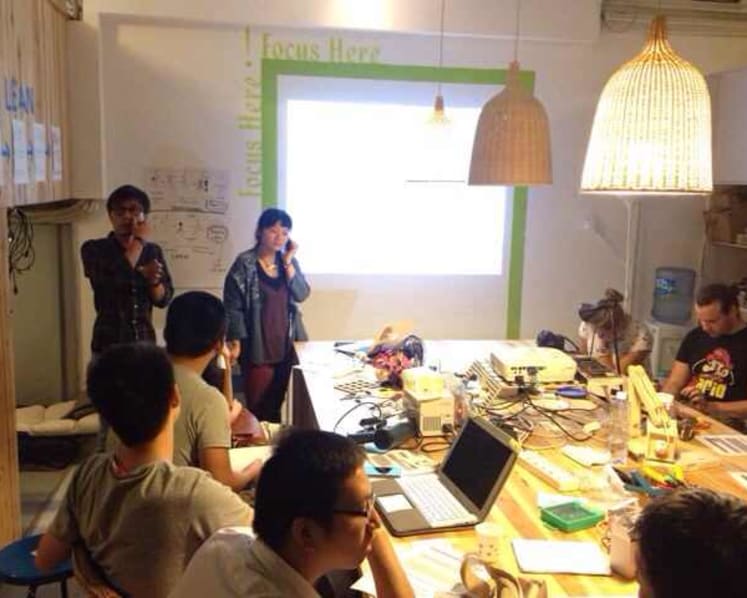
When Singaporean entrepreneur Amit Kumar arrived at Shenzhen’s Chaihuo Makerspace in June, he brought two bare circuit boards and a 3D-printed casing, according to its general manager, Ye Yu.
Kumar, founder of Singapore-based robotics and edtech firm Farm2Future Innovations, was developing an AI-powered tutor designed to answer school questions in multiple Indian languages.
Despite having no previous soldering experience, Kumar managed to assemble two working prototypes, Ye said – also developing firmware for an animated interface and launching a pre-order page within 48 hours.
He planned to return to Shenzhen to develop production moulds, build a supply chain and finalise the product, Ye added.
When Ye joined Chaihuo in 2013, its members were mainly enthusiasts experimenting with open-source hardware and robots.
Today, the community has expanded – now attracting people working in sectors like agriculture, education and environmental work – who want to turn their ideas into physical products.
Developers are able to draw on Shenzhen’s vast network, she said. They can source materials like chips, circuit boards, as well as casings and moulds – and also find factories able to produce small test batches while adjusting them as designs evolve.
“What makes Shenzhen special is that it greatly shortens the distance between an idea and a product,” Ye said.
BEYOND APEC
Speaking at a briefing on Saturday (Nov 14), Shenzhen Mayor Li Yun said measures introduced to make the city more convenient for overseas visitors – covering entry, transport, payments, education and healthcare – would be made permanent if they proved effective.
“We will do everything possible to turn the outcomes of hosting APEC into development gains that better benefit all residents,” he said.
Whether APEC can turn Shenzhen’s economic strengths into broader regional cooperation – while also easing concerns over market access and competition – remains to be seen, analysts said.
Analysts said much would depend on what APEC economies agree in Shenzhen, as US-China competition continues to reshape trade, technology and global supply chains.
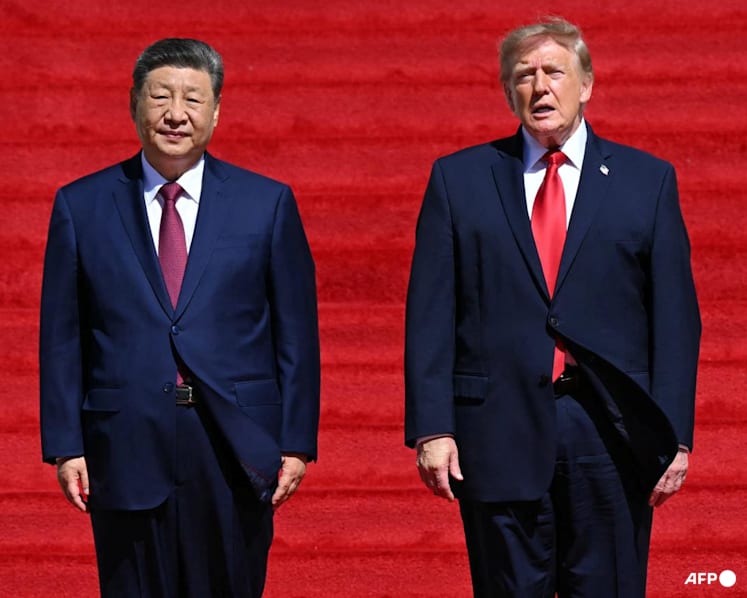
This week, China extended its trade truce with the US ahead of the APEC summit, where Trump is expected to meet Xi.
But wider disputes over tech and market access remain unresolved.
“China needs to respond to external uncertainty with the certainty of cooperation,” said Han from GDUFS.

Xu from CASS noted that Singapore and other Southeast Asian economies could benefit from closer links in digital payments, services trade and green development – but would also be concerned about access to China’s market, dependence on Chinese suppliers and competition from larger Chinese companies.
Businesses would want clearer rules on fair competition and cross-border data flows, said Han – and would also want to know how investment could improve local skills and industrial capacity.
“What the Shenzhen summit promises is to translate cooperative consensus into institutional arrangements that enterprises can actually use,” he added.

Paperless trade offers one practical test.
If customs and other trade systems across APEC economies can recognise the same electronic documents, companies could spend less time submitting paperwork repeatedly when moving goods across borders.
APEC research estimates that paperless trade could cut transaction costs by almost 6 per cent.
Han said progress could include connecting electronic documents directly with customs systems, alongside clearer rules covering cross-border data, AI and product standards.
The two-day APEC CEO Summit, which will begin on Nov 17, is expected to produce a “Shenzhen Initiative” – outlining commitments from the regional business community.
Organisers have announced broad priorities including openness, inclusion, innovation and connectivity – but have yet to release detailed measures.
For businesses, observers say the value of any pledge will depend on when it takes effect – which companies can use it and whether it reduces the cost and uncertainty of operating across borders.
Source: CNA/mc(ht)
Sign up for our newsletters

Get the CNA app
Stay updated with notifications for breaking news and our best stories
Get WhatsApp alerts
Join our channel for the top reads for the day on your preferred chat app

Get bite-sized news via a new
cards interface. Give it a try.
Click here to return to FAST
Tap here to return to FAST
FAST