Nature and EnvironmentAustralia
To view this video please enable JavaScript, and consider upgrading to a web browser that supports HTML5 video
Nature and EnvironmentAustraliahttps://p.dw.com/p/5NPEP
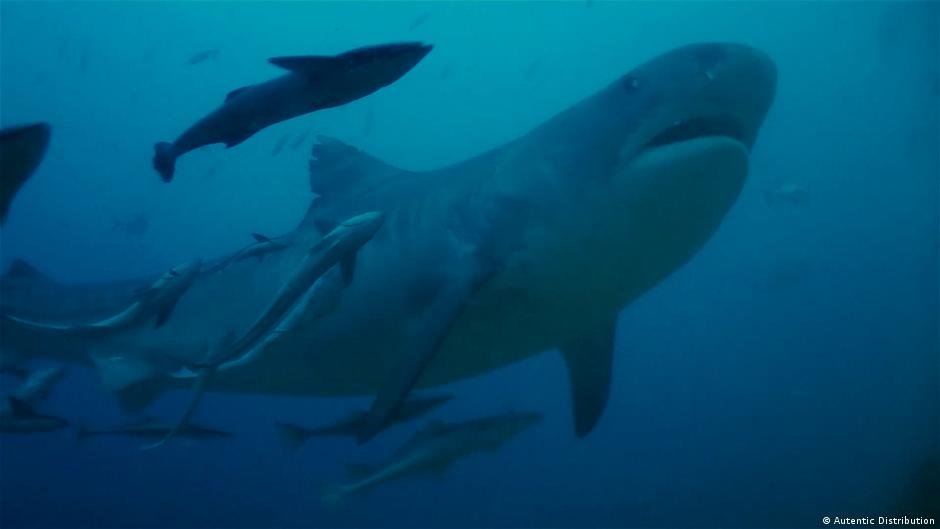
Marine biologist Paul Butcher heads the New South Wales shark management program, which introduced smart drumlines that allow sharks to be caught alive before being tagged and released without hurting them. The program is aided by the world’s largest drone-based beach surveillance system. One of Butcher’s key collaborators is Mark Atkins, who oversees the drone program. The system delivers real-time warnings for swimmers and surfers, while airborne cameras also provide researchers with valuable data on shark movements. Drone operator Gabriel Roxburgh conducts patrols of Bellina’s coastline. He is taking a closer look at the new arrival of massive schools of baitfish, because he knows that, where prey gathers, large predators usually follow. But the high-tech approach also has its critics. Surfer and shark-control activist Daniel Webber says stronger measures are needed, and that the move away from traditional shark nets puts human lives at risk. In neighboring Queensland, those nets are still widely used — despite their impact on sea turtles, dolphins and other marine life. Environmental activists like Brylee Robinson and marine biologist Bella Graham are fighting for them to be banned. The documentary explores the tensions between public safety and wildlife conservation, as well as technological innovation and political pressure — a delicate balancing act centering on the question of whether humans and sharks can peacefully coexist.