


Hotter, drier El Nino could raise risks of dengue and respiratory illnesses: Experts
While the climate pattern does not directly cause illness, it can increase the risk of mosquito-borne diseases and aggravate existing health problems, doctors say.
New: You can now listen to articles.

This audio is generated by an AI tool.


Read a summary of this article on FAST.
Get bite-sized news via a new
cards interface. Give it a try.
Click here to return to FAST
Tap here to return to FAST
FAST
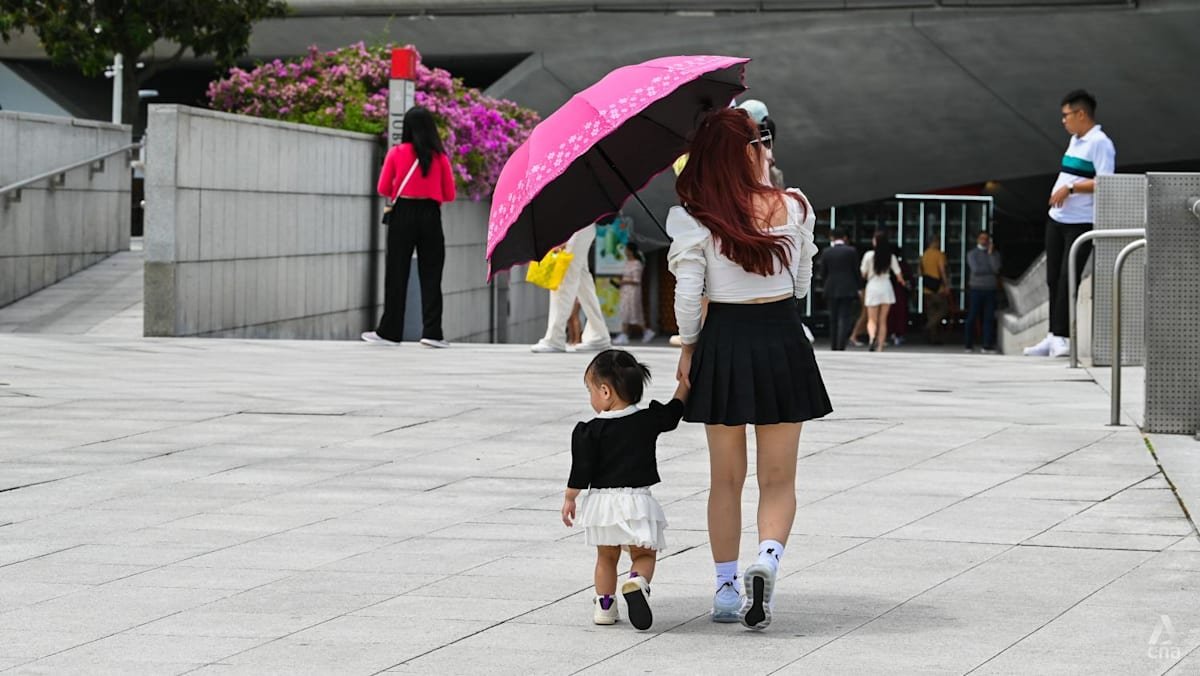
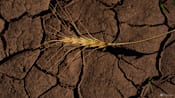
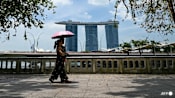
SINGAPORE: As El Nino brings hotter and drier weather to Singapore, doctors say the risk of some infectious diseases could increase while chronic conditions may worsen.
While the climate pattern does not directly cause illness, it can create conditions that favour mosquito-borne diseases such as dengue.
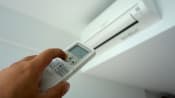
Hot weather may also drive more people indoors into air-conditioned spaces, where crowding could increase the spread of respiratory syncytial virus (RSV) and other respiratory infections.
The Meteorological Service Singapore expects El Nino conditions to persist through October.

Guess Word
Crack the word, one row at a time

Buzzword
Create words using the given letters

Mini Sudoku
Tiny puzzle, mighty brain teaser

Mini Crossword
Small grid, big challenge

Word Search
Spot as many words as you can
MOSQUITO-BORNE DISEASES COULD INCREASE
Higher temperatures during El Nino can speed up the life cycle of Aedes mosquitoes and shorten the time it takes for viruses to multiply inside them.
“In general, what you would expect is an uptick in vector-borne infections, including dengue and chikungunya,” said Dr Nicholas Chew, an infectious diseases specialist at Farrer Park Hospital.

Beyond infectious diseases, El Nino may also affect health by worsening air quality.
Dust, pollutants and pollen can build up in the air, aggravating chronic respiratory conditions such as asthma and bronchitis, Dr Chew told CNA’s Singapore Tonight.
Fine particulate matter (PM2.5) can travel deep into the lungs and enter the bloodstream, increasing the risk of cardiovascular disease while worsening respiratory illnesses.
Young children, older adults, pregnant women, outdoor workers and people with existing heart or lung conditions are among those most at risk.
RSV A CONCERN FOR INFANTS
Doctors say RSV is another infection to watch out for, particularly among infants.
According to the Communicable Diseases Agency (CDA), RSV is the leading viral cause of hospitalisation among children under one with acute lower respiratory tract infections in Singapore.
Severe cases can lead to bronchiolitis or pneumonia.
The agency also said RSV was consistently among the top paediatric viruses detected at local polyclinics in 2025.
Dr Ooi Pei Ling, a paediatrician and paediatric rheumatologist at the International Child and Adolescent Clinic, said RSV often starts with mild cold-like symptoms before spreading to the lower airways, where it can cause breathing difficulties in infants.
Parents should watch for signs such as rapid breathing, the chest or ribs pulling in with each breath, poor feeding or unusual lethargy.
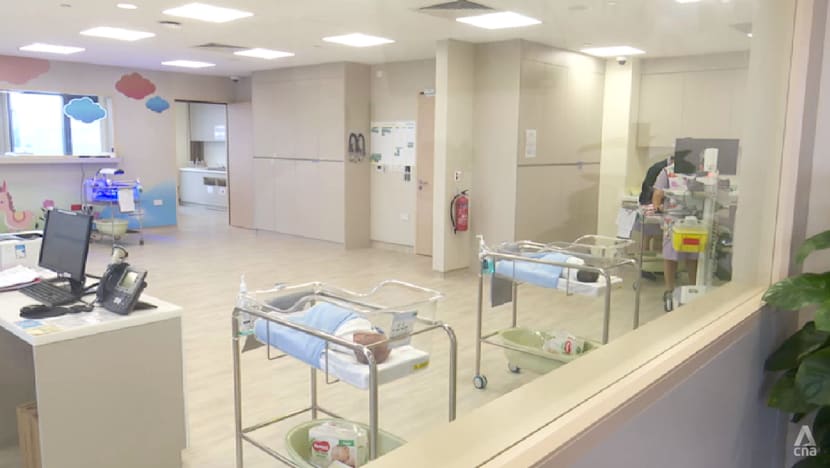
Dr Ooi said the virus itself is less likely to survive in hot, dry conditions. However, she noted that people spending more time together indoors during hotter weather could still create more opportunities for RSV to spread.
“When the temperature is very warm, everyone starts to crowd indoors … and because of the crowding, everyone starts passing the virus to one another,” she said.
She added that the risk is even higher for babies born prematurely or with heart, lung or immune conditions, and advised parents and caregivers to practise good hygiene.
“Wash your hands before you handle any young infants. And if you are clearly very unwell with cough and cold, try your best not to come close to a very young baby, especially below six months old.”
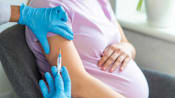
Dr Ooi also encouraged expectant mothers between 32 and 36 weeks of pregnancy to consider RSV vaccination.
Vaccination during this period allows protective antibodies to pass from mother to baby before birth, helping reduce the baby’s risk of severe RSV disease during the first six months of life.
She added that newborns and infants may also receive a preventive antibody injection if maternal vaccination is not given.
PREPARING FOR THE MONTHS AHEAD
Farrer Park Hospital’s Dr Chew said it is still too early to tell whether Singapore will see a rise in illnesses linked to El Nino, noting that it is often difficult to prove a direct causal relationship because many factors influence disease transmission.
Still, he urged people with chronic medical conditions to ensure they go for regular check-ups and have enough medication on hand.
He also recommended cleaning air-conditioners and air purifiers before they are used more heavily during hotter weather.
“These things can harbour quite a lot of bacteria and fungus,” he said.
Dr Chew noted that Singapore has experienced El Nino events before, giving health authorities a good understanding of what to expect.
He added that weather scientists, healthcare professionals and government agencies should remain in close communication so that appropriate measures can be taken when warning signs emerge.
“I think we should take comfort in the fact that this El Nino phenomenon is not new,” he said.
“We can use the information on diseases as well as infections in the past to guide or to anticipate what may happen this time around.”
Source: CNA/mp(dn)
Sign up for our newsletters

Get the CNA app
Stay updated with notifications for breaking news and our best stories
Get WhatsApp alerts
Join our channel for the top reads for the day on your preferred chat app

Get bite-sized news via a new
cards interface. Give it a try.
Click here to return to FAST
Tap here to return to FAST
FAST







