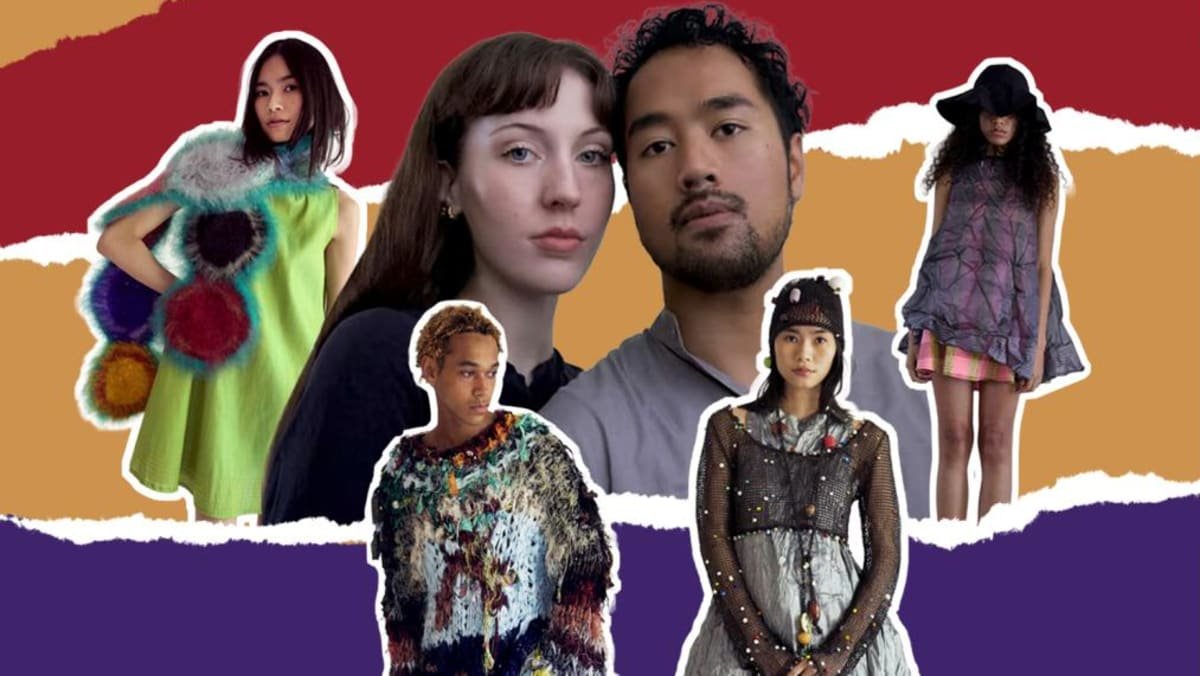
How a Bangkok fashion label went from self-taught knitting to an IU music video and an LVMH Prize nod
Nong Rak’s founders first taught themselves to knit during the pandemic. Since then, their brand has collaborated with a Marc Jacobs sub-label and featured in K-pop star IU’s music video.
Nong Rak (Art: CNA/Jasper Loh)
New: You can now listen to articles.

This audio is generated by an AI tool.

Read a summary of this article on FAST.
Get bite-sized news via a new
cards interface. Give it a try.
Click here to return to FAST
Tap here to return to FAST
FAST
When Bangkok knitwear label Nong Rak – which means “young love” in Thai – was named one of 20 semi-finalists for this year’s LVMH Prize, it found itself in rare company.
Widely regarded as one of fashion’s most influential platforms for emerging designers, the competition received more than 2,400 applications from around the world. Past finalists and winners have gone on to become some of the industry’s most closely watched names like Simon Porte Jacquemus, which Blackpink’s Jennie has a weakness for, and Grace Wales Bonner, who now designs for Hermes’ menswear.
For founders Teerapat “Home” Phuangfueang, 31, and Cherry W Rain-Phuangfueang, 34, the recognition felt both validating and slightly surreal.
Neither had formal fashion training. And just a few years ago, the husband-and-wife duo were struggling to keep their small creative business afloat during the pandemic.

We work in a responsive way, playing with each element to see what happens naturally and then building from there.
It was during that period of uncertainty that Rain-Phuangfueang taught herself to knit – a decision that would ultimately transform their lives and set the course for the Bangkok-based label, which is now known for its cloud-like mohair pieces, airy open-knit textures and handcrafted silhouettes.
“It taught us so much about surrendering to the unknown and trusting that the path can also find you if you’re open,” the founders told CNA Lifestyle in an email interview.
The journey to that point was anything but straightforward.
The couple first met in Bangkok in 2015, when Arizona-born Rain was working as an au pair while attending university. After marrying, they moved to the United States and eventually settled in Portland, Oregon following the birth of their son in 2017.
There, they began experimenting with photo styling, vintage resale and upcycled textiles. The project evolved quickly. By 2019, vintage resale had become their full-time occupation, and they were exhibiting at A Current Affair, the influential vintage fair in New York.
Then the pandemic arrived.
Like countless small creative businesses, Nong Rak suddenly had to adapt. The family relocated to Arizona to stay with relatives, their savings stretched thin and their plans upended.
It was during this period that Rain-Phuangfueang picked up knitting.
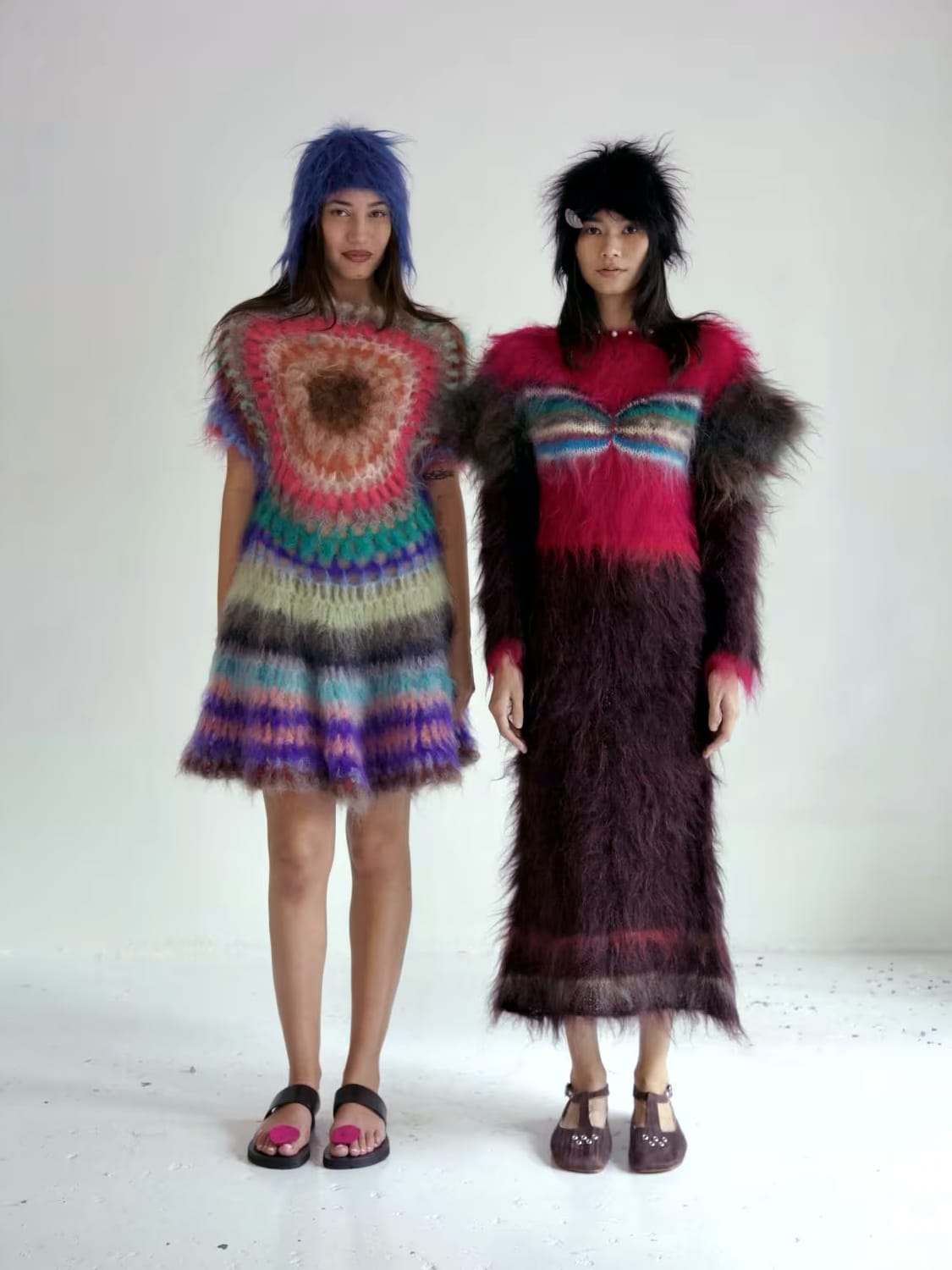
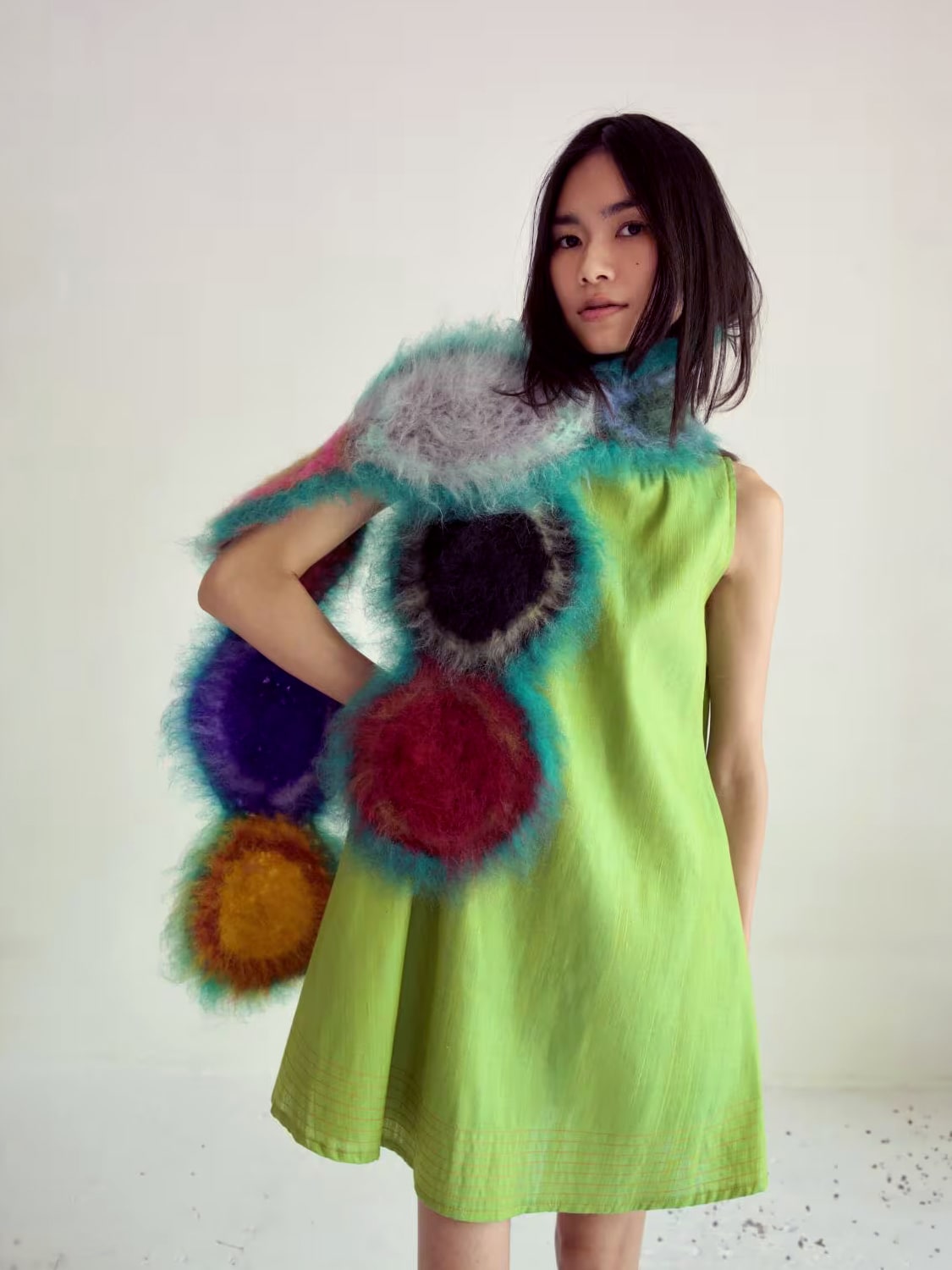
“I started experimenting with knitwear, which we produced and sold from our home studio in Tucson for over two years,” she said.
What began as a practical response to uncertainty soon felt like something more significant.
“Pretty soon after starting, it felt there would be a lot of creative freedom and possibility, so at that point it felt safe to fall deep into knitwear.”
The breakthrough came in 2021, when Nong Rak introduced its first brushed mohair pieces.
“The response was overwhelming,” the founders recalled. “We knew things would change from there.”
Over the past years, the brand has quietly accumulated an international following. Its pieces were worn by South Korean superstar IU’s – the singer wore Nong Rak in her music video for Holssi, a single from her 2024 mini album The Winning.
The label has collaborated with Marc Jacobs’ youth-oriented sub-brand Heaven. The collaboration featured 20 pieces, including the fuzzy knit accessories that had become Nong Rak’s signature, such as balaclavas, berets and leg warmers.
What makes Nong Rak distinctive is not just the material, but the way it is approached. The founders describe their process as intuitive and responsive rather than rigidly planned. Garments often emerge through experimentation, with designs evolving organically as they work.
Prices for Nong Rak’s pieces range from around S$120 for a handwoven Thai silk sun hat to over S$3,000 (US$2,320) for a floor-length crocheted mohair coat.
“Most of the intention lies in the material and the overall function of the piece,” they explained. “We work in a responsive way, playing with each element to see what happens naturally and then building from there.”
Some of their most interesting discoveries, they said, come not from deliberate design decisions but from solving problems in the moment.
That openness extends to the brand itself.
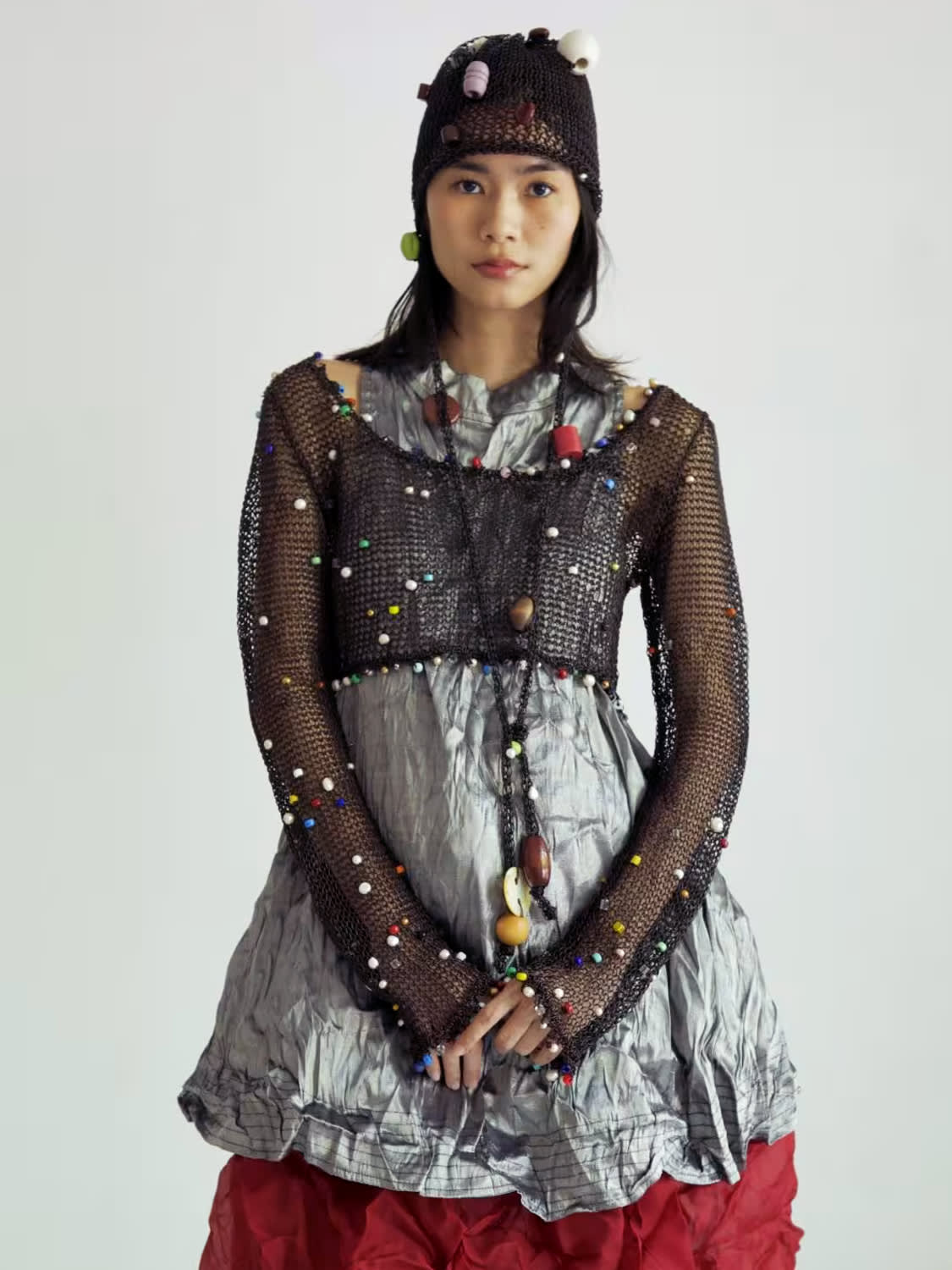
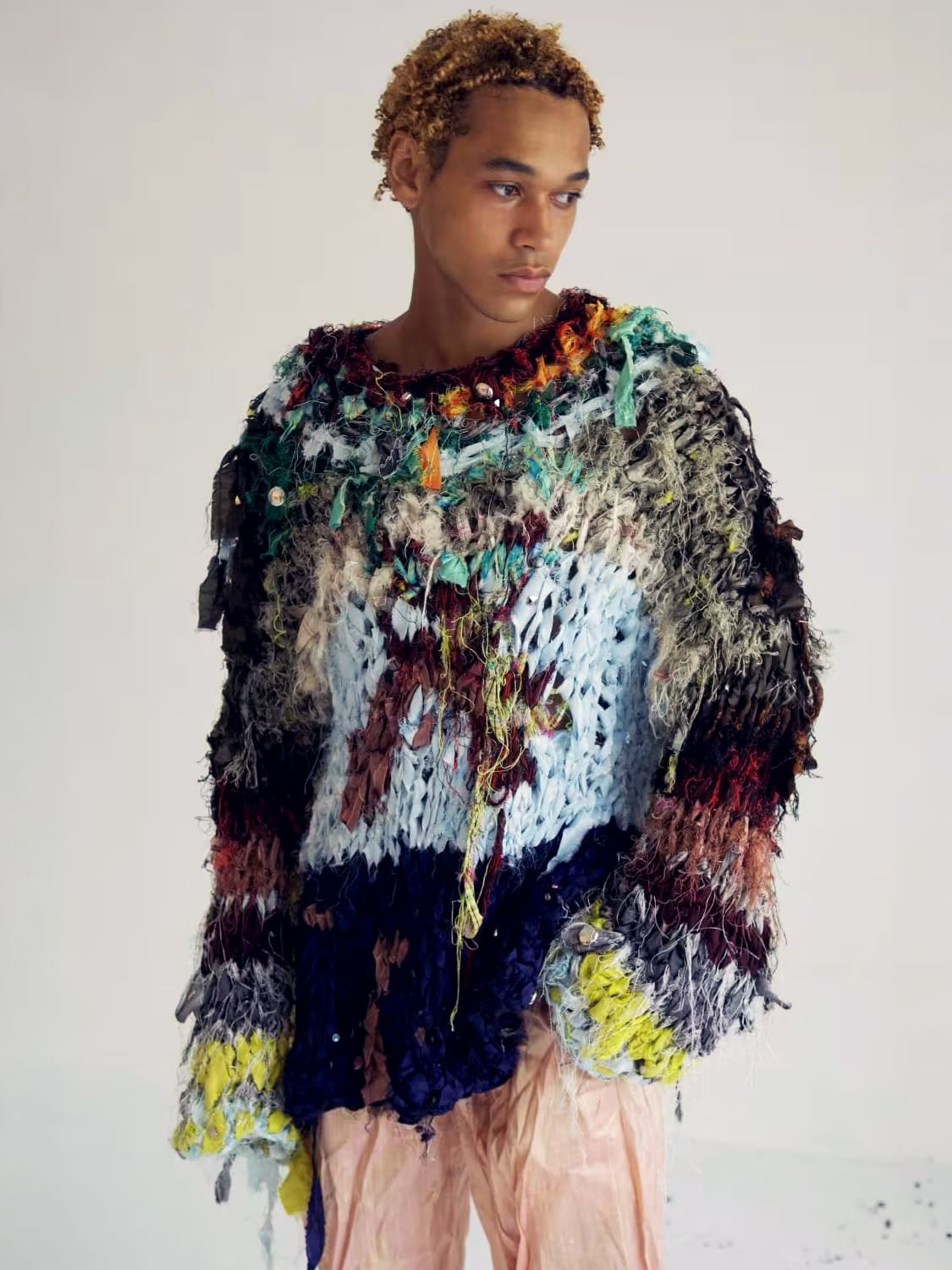
“We didn’t, and maybe still don’t, necessarily want anything in particular to define the brand,” they said. “We love to keep things open-ended.”
That philosophy has led Nong Rak into an interesting contradiction. Thailand, where temperatures regularly climb above 30 degrees Celsius, is hardly an obvious home for a knitwear label. Yet the tension between climate, function and aesthetics has become one of the brand’s most fertile areas of exploration.
“We are working with net and open-knit textures and more warm-weather-friendly materials, aside from our core mohair accessories,” they said. “It’s been interesting to explore the tension between functionality and aesthetics, and how climate and lifestyle play into that.”
Knits and silks are two of the most delicious and timeless textiles to us.
Since returning to Bangkok in 2023, the brand has opened its first flagship in the Bang Rak neighbourhood. Behind the shop sits an antique house and garden that they are slowly transforming into a studio and gathering place for the community. The vision extends beyond selling clothes. “We’re hoping to build a deeper world around the shop,” they said.
Workshops, events and creative gatherings are already in the works. The goal is to create a space where people can connect with craft, learn new skills and discover forms of creative expression.
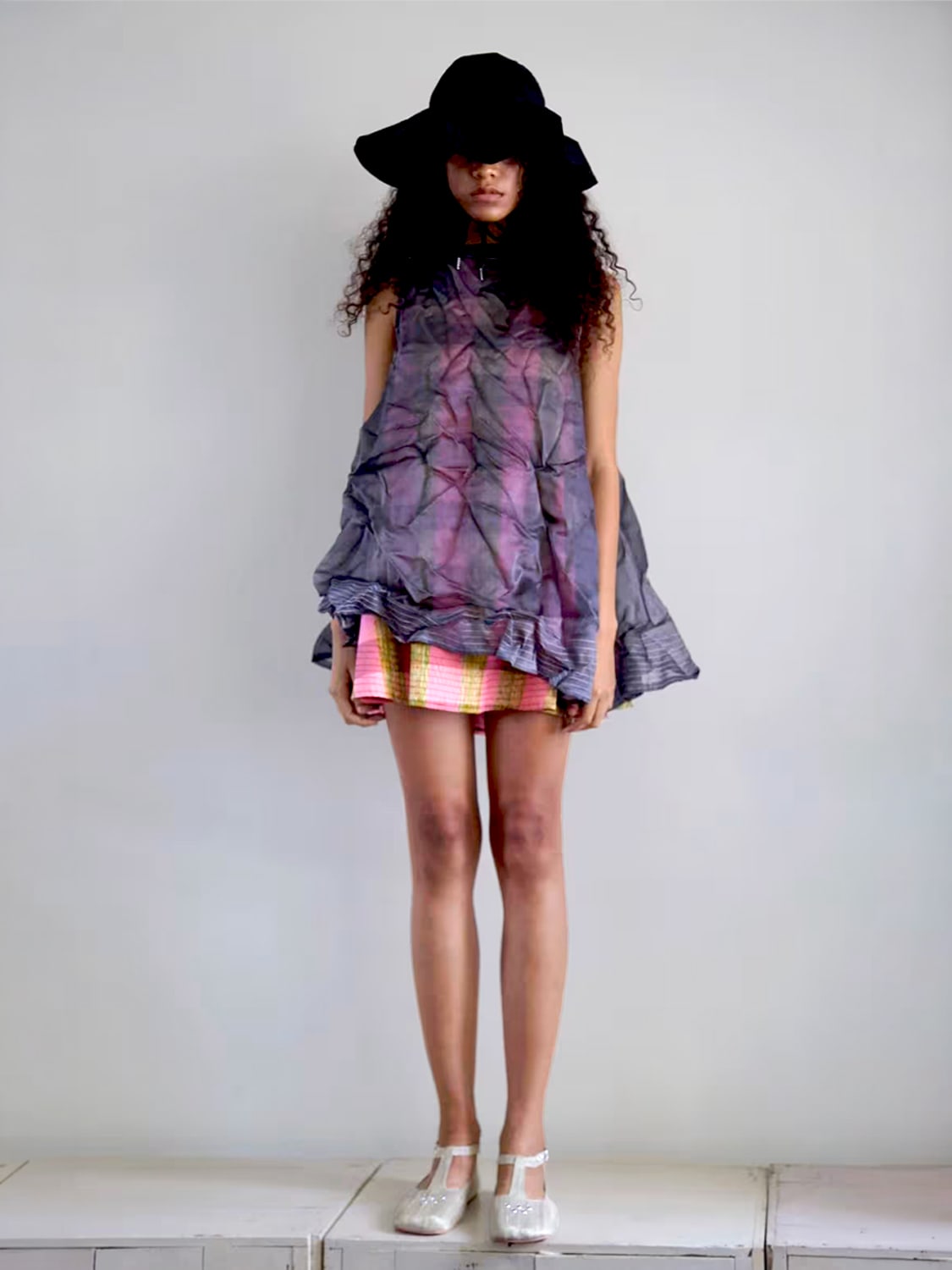
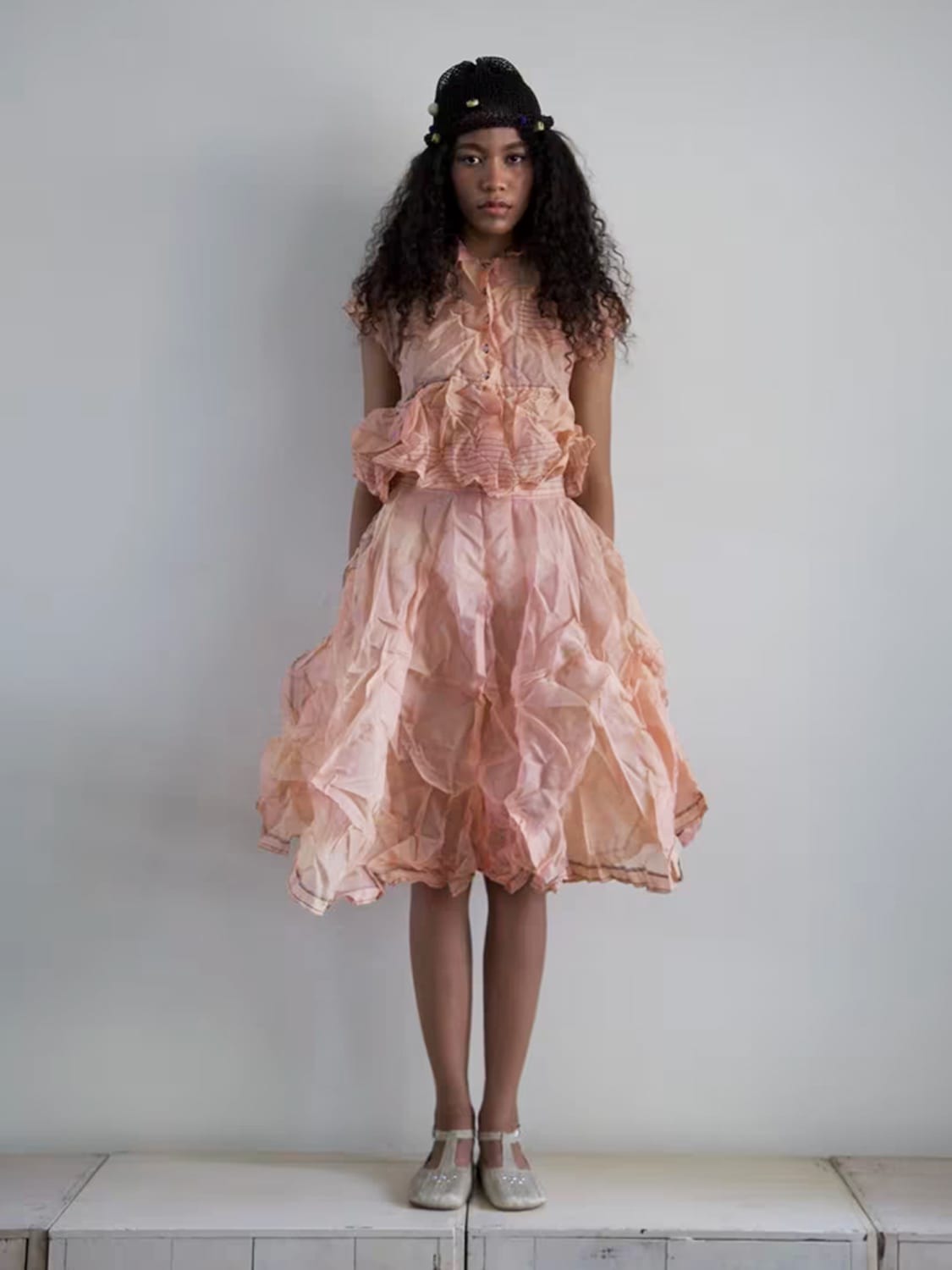
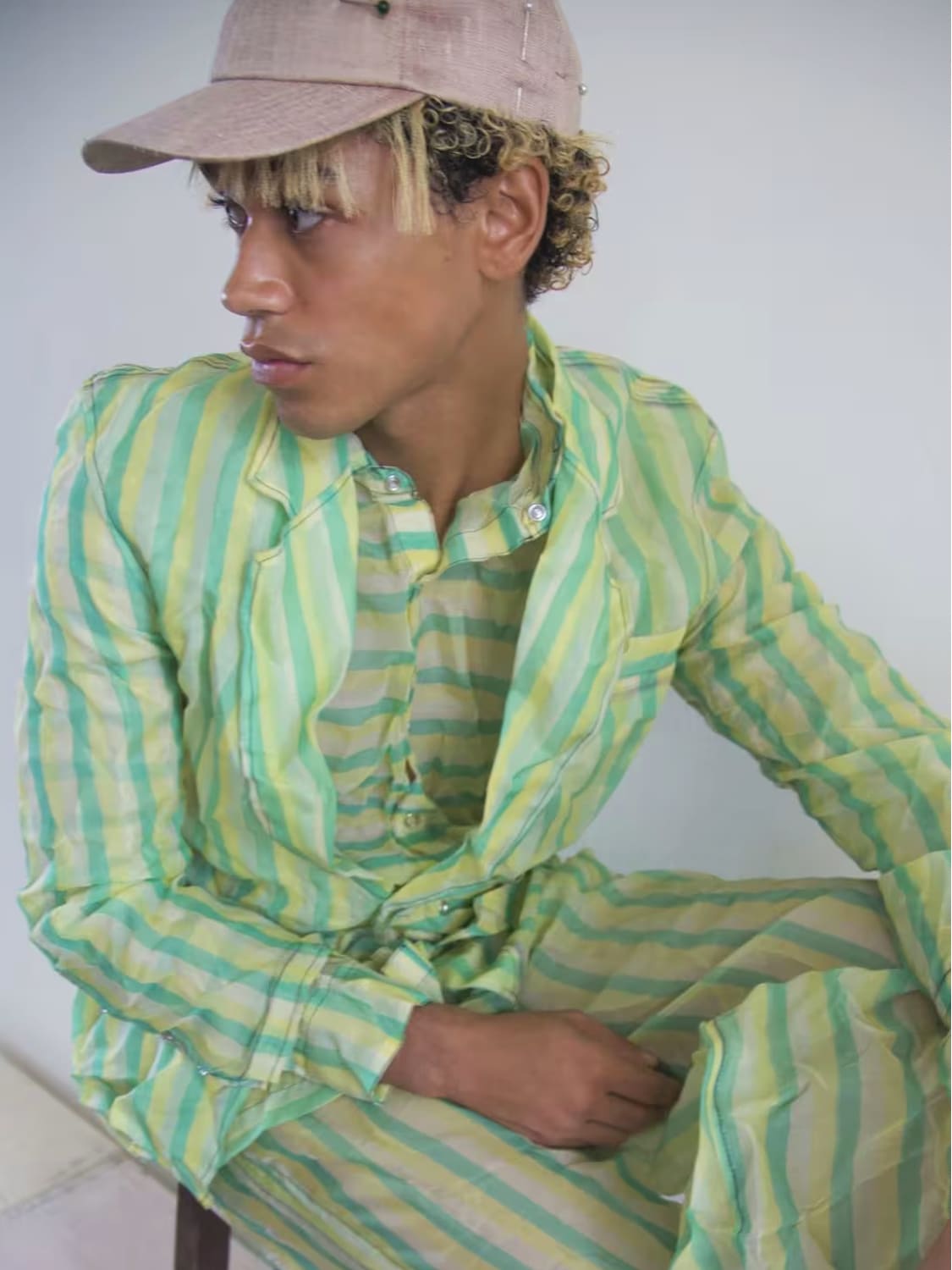
Beyond knitwear, recent collections have incorporated Thai silk in pieces ranging from retro hoodies to playful mini dresses, while retaining the tactile, handmade sensibility that has become synonymous with Nong Rak.
“We were excited by the opportunity to work with Thai silk specifically,” they said. “Knits and silks are two of the most delicious and timeless textiles to us. They feel like they have endless room for expansion.”
Source: CNA/yy
RECOMMENDED
Get bite-sized news via a new
cards interface. Give it a try.
Click here to return to FAST
Tap here to return to FAST
FAST
About The Author