How China’s changing economy is reshaping trade with South Africa
As Beijing shifts towards high-tech industries, trade with Pretoria is entering a new phase, from Chinese green technology exports to greater access for South African goods.
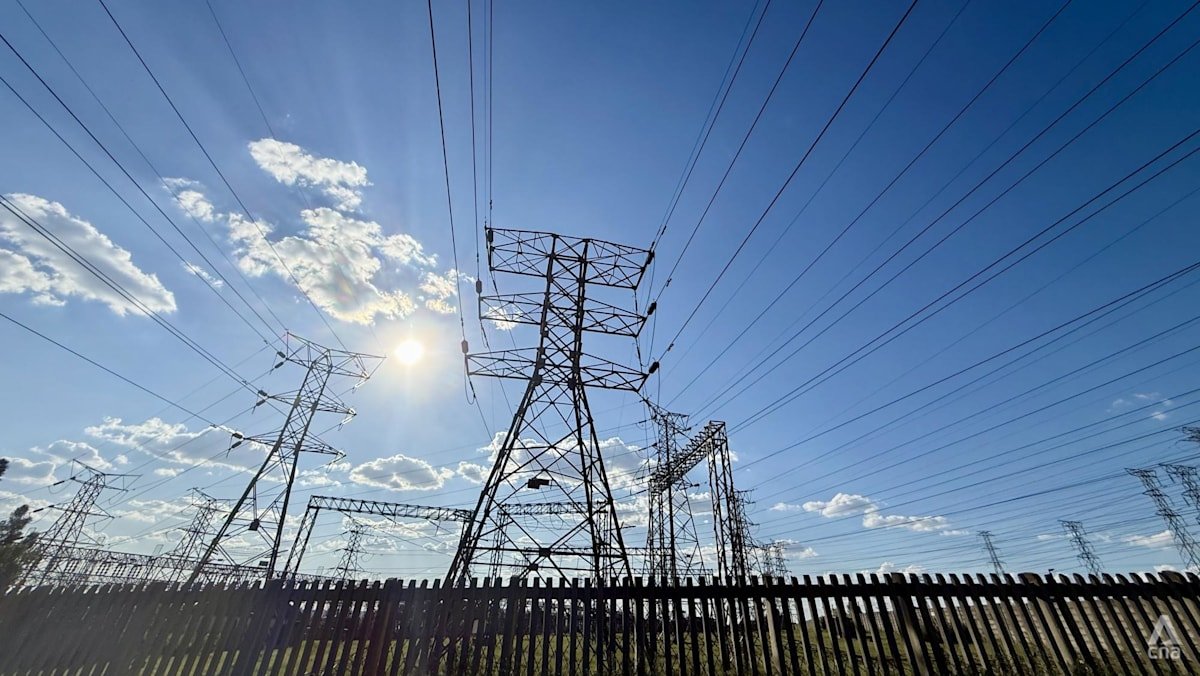
Power lines in Johannesburg. Years of rolling blackouts have pushed South Africans to look for new ways to keep the lights on, including investing in rooftop solar. (Photo: CNA/Olivia Siong)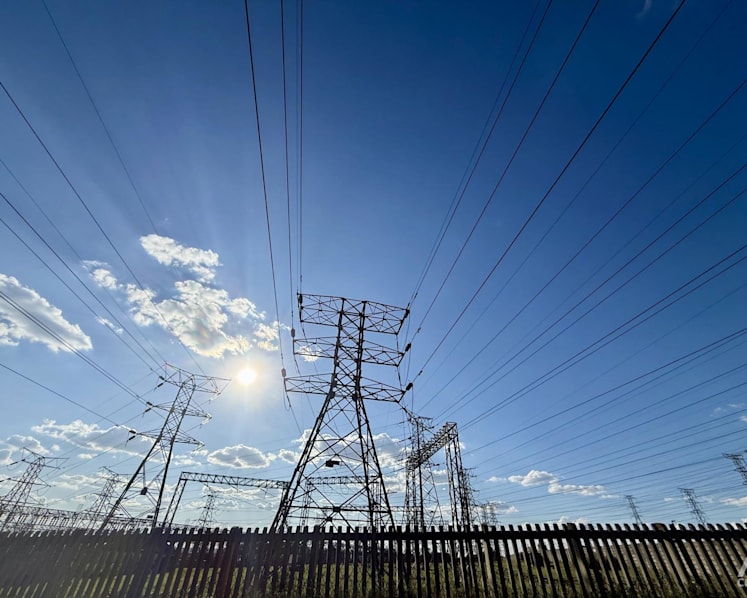
New: You can now listen to articles.

This audio is generated by an AI tool.


Read a summary of this article on FAST.
Get bite-sized news via a new
cards interface. Give it a try.
Click here to return to FAST
Tap here to return to FAST
FAST
JOHANNESBURG: Years of rolling blackouts have pushed South Africans to look for new ways to keep the lights on.
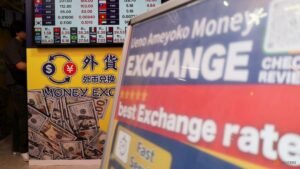
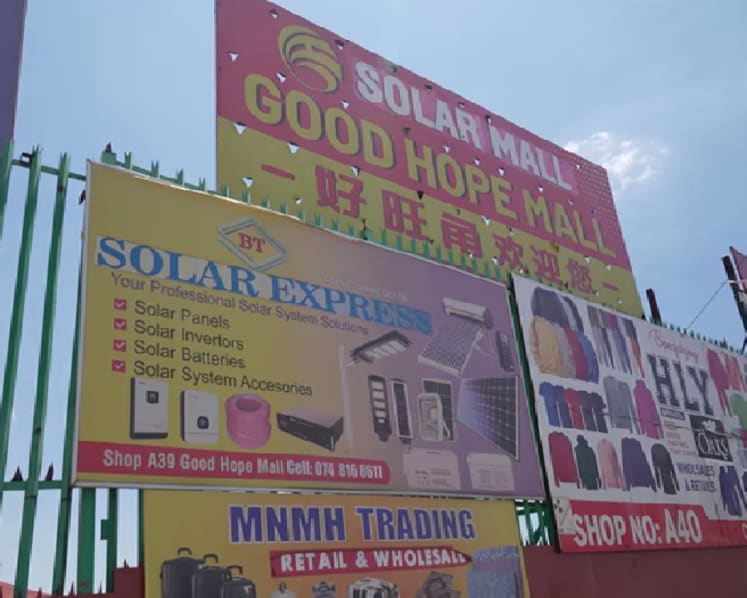
For businessman Ketan Nydoo and his siblings’ families, that meant installing rooftop solar panels and batteries bought from one of Johannesburg’s many China Malls.
“We got frustrated to a certain point where, no, I’m not going to do this anymore. I’m going to go out and get the solar panels.”
The system was affordable and easy enough for him to install himself.

Guess Word
Crack the word, one row at a time

Buzzword
Create words using the given letters

Mini Sudoku
Tiny puzzle, mighty brain teaser

Mini Crossword
Small grid, big challenge

Word Search
Spot as many words as you can
“They gave us a very good price. I think it was about 30 per cent, if not more, cheaper than the larger stores,” he told CNA.
“(Some people) say, ‘Oh, no, this is cheap. You can’t trust it,’” he said. “(But) I’ve been running my system for six years.”

FOCUS ON GREEN TECHNOLOGY
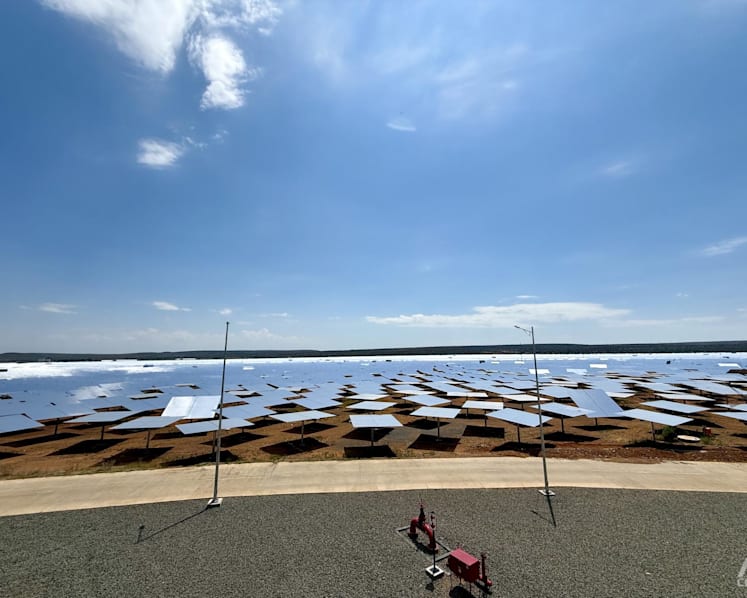
South Africa has now gone more than a year without nationwide load shedding, helped by reforms at state power utility Eskom and a rapid expansion in private solar installations.
Analysts say affordable Chinese-made solar equipment has played an important role.
“The various reforms adopted by the Eskom turnaround have massively helped with improving the power situation,” said Darren Davids, Middle East and Africa analyst at the Economist Intelligence Unit.
“However, the pure competitiveness of Chinese solar panel manufacturers has essentially helped ease the cost.”
Chinese exports of solar cells and panels to Africa rose more than 80 per cent in April from a year earlier. South Africa remained the continent’s biggest buyer, but demand is rising elsewhere too.
Research by energy think tank Ember found that 20 African countries imported record volumes of Chinese solar panels in the year to June 2025.
Alfred Schipke, director of the East Asian Institute at the National University of Singapore, said the shift reflects broader changes inside China.
“It reflects China’s own experience in terms of its own development,” he said.
“China initially focused very much domestically on investment infrastructure, and it’s changing now to what they call high quality growth, more emphasis on technology, and so in a certain kind of way, that is mirrored in the relationship it has with Africa.”
TRADE FLOWS BOTH WAYS
China’s economic transition is not only affecting what it sells abroad. It is also changing what it wants to buy.
For the past decade, Uzair Essack, founder and CEO of Riyp, has exported South African fruit to markets around the world.
China has remained one of the hardest markets to break into, but that could soon change.
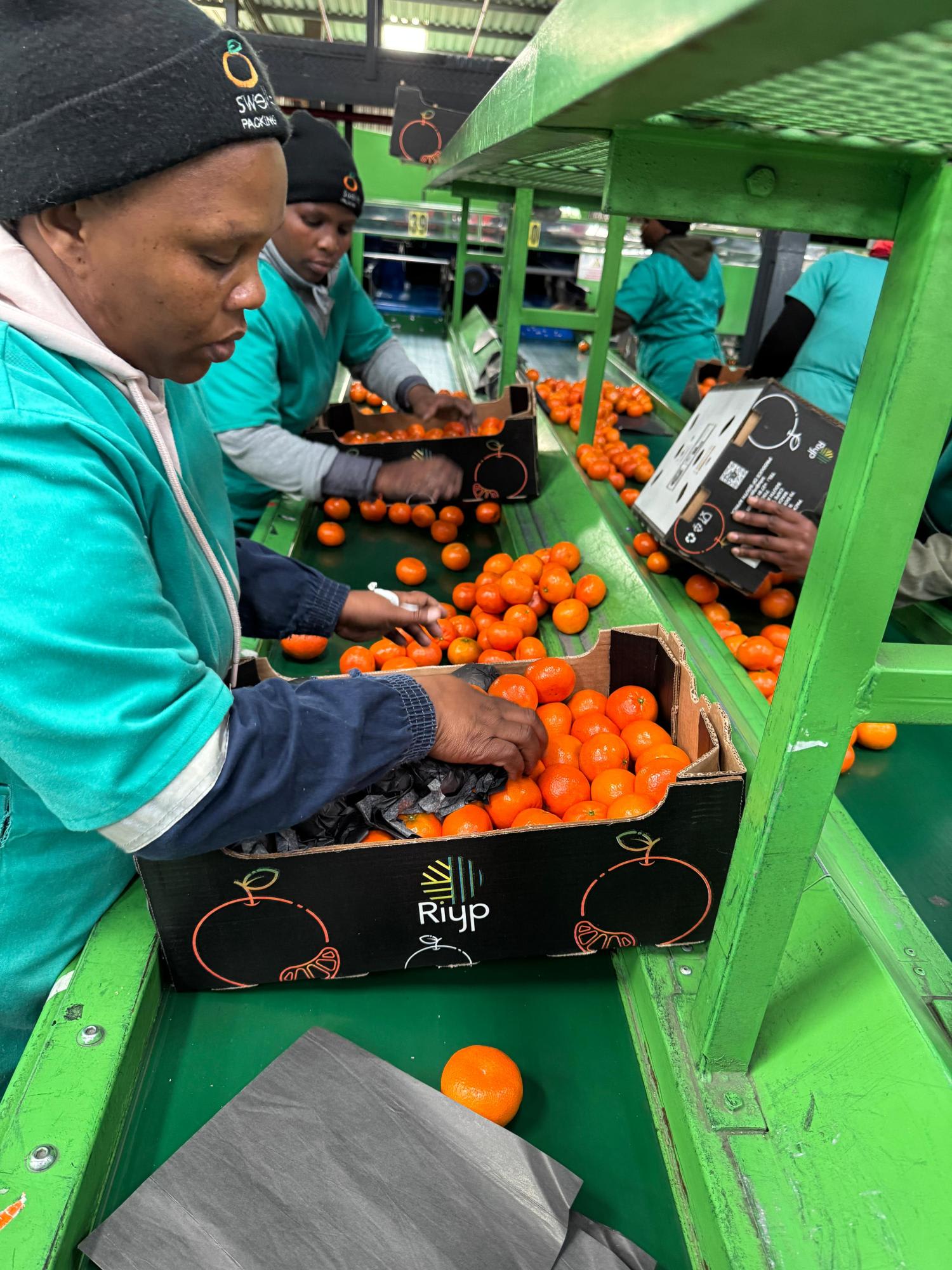
In May, China introduced zero tariffs on imports from African countries with which it has diplomatic ties, giving South African exporters easier access to one of the world’s largest consumer markets.
For Essack, the move could help South African produce compete more effectively against rivals from other Southern Hemisphere exporters.
“I think that will open up many more doors. A big market like China, the more people that have the ability to buy the product means the more we can send there.”

Yet tariffs alone will not transform trade.
Essack said exporters need to meet China’s fruit standards and regulations.
He also pointed to China’s strict import requirements, including sterilisation protocols for citrus, as additional hurdles that increase costs and limit export volumes.
Those are the kinds of barriers Beijing and Pretoria are now trying to tackle.
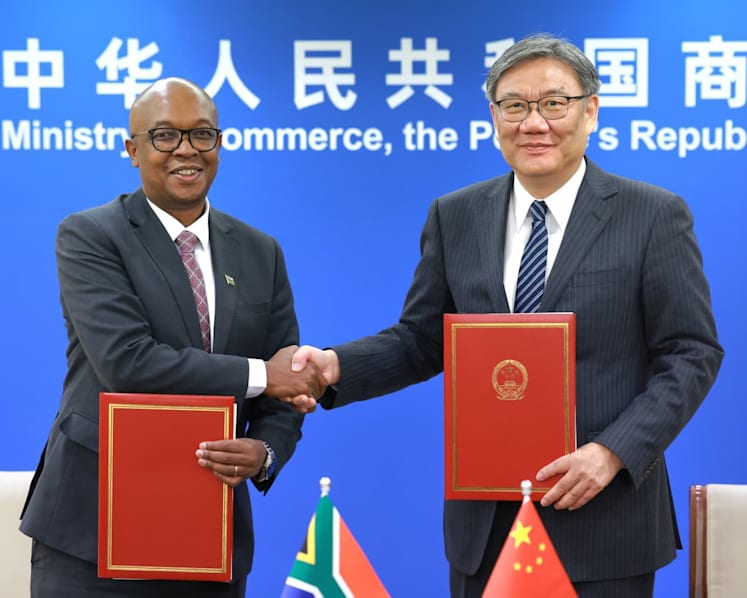
Earlier this year, the two countries signed a framework economic partnership agreement, followed by regulatory cooperation deals aimed at aligning rules and standards.
COMPLEMENTARY RELATIONSHIP
Schipke said Africa’s experience with China’s changing economy could differ markedly from that of advanced economies such as the United States and Europe, where concerns have centred on Chinese companies competing directly with domestic industries.
By contrast, he said many African economies complement China’s, creating opportunities to expand trade and support economic growth.
“For Africa it might be a China opportunity 2.0, whereas for Europe and for the US it is potentially more like the China shock.”
Whether Africa ultimately benefits from that opportunity, however, will depend on China’s engagement delivering tangible gains for local communities through jobs, skills and access to technology, said observers.
Schipke said China’s strengths in green technologies could help African countries expand access to reliable electricity.
He added: “We have seen examples of villages that before did not have electricity … suddenly they have solar panels, and they weren’t even affected by the increase in energy cost coming from the Middle East.”
Source: CNA/mp(ca)
Sign up for our newsletters

Get the CNA app
Stay updated with notifications for breaking news and our best stories
Get WhatsApp alerts
Join our channel for the top reads for the day on your preferred chat app

Get bite-sized news via a new
cards interface. Give it a try.
Click here to return to FAST
Tap here to return to FAST
FAST
About The Author