‘I found my peace’: How Filipino and Thai migrants made Greenland home
Greenland’s labour shortages have created an unlikely migration corridor from Southeast Asia. In part two of this series, CNA looks at how Filipinos and Thais have become the island’s largest communities.
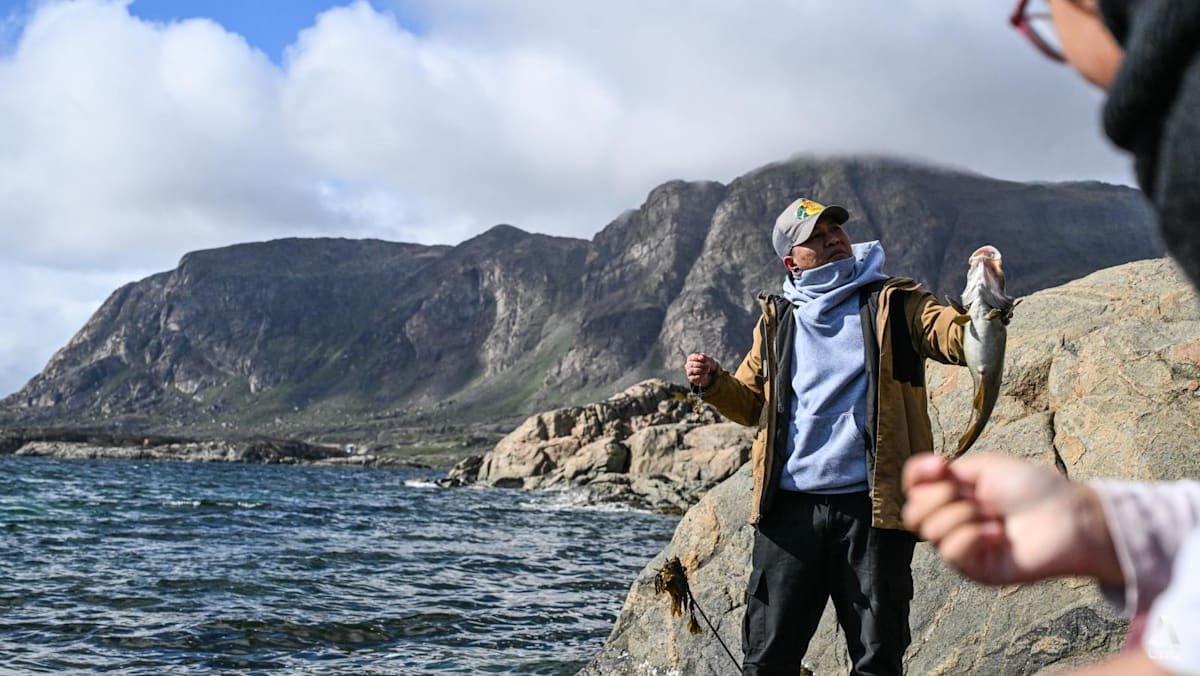
A migrant from the Philippines poses with a freshly caught fish in front of his daughter by the fjords of Sisimiut, Greenland. (Photo: CNA/Jack Board)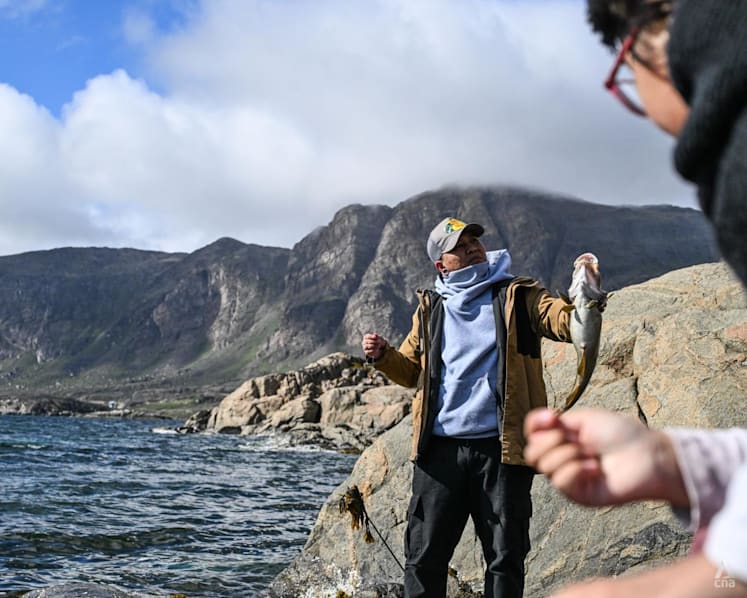
New: You can now listen to articles.

This audio is generated by an AI tool.

Read a summary of this article on FAST.
Get bite-sized news via a new
cards interface. Give it a try.
Click here to return to FAST
Tap here to return to FAST
FAST
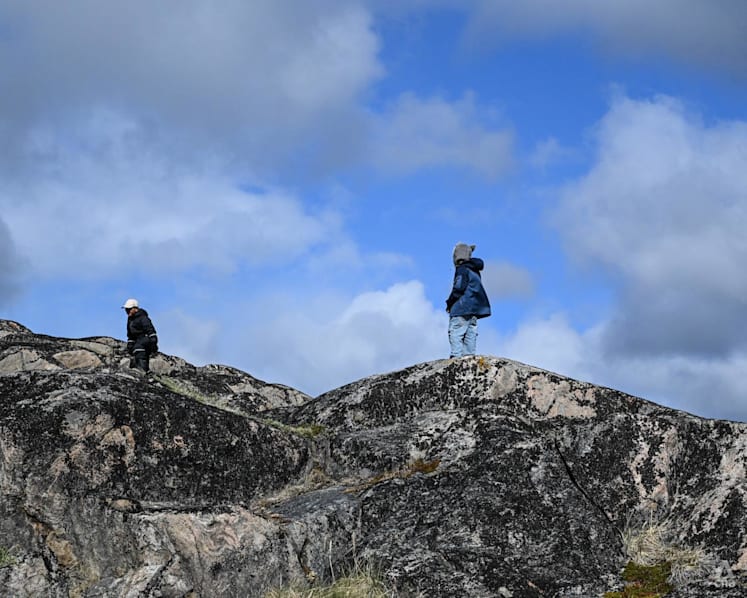
SISIMIUT, Greenland: The summer sun is on its endless orbit above the horizon as Rid Mondejar, her friends and a gaggle of their children clamber onto rocks facing west into the fjords that feed the northern Atlantic Ocean.
This is trout season and there is a tasty prize for those willing to test their rod skills in the shifting waters off Sallinnguit, a tiny island connected to Sisimiut, Greenland’s second largest city and oldest continuously inhabited settlement.
The group of Filipinos has come to picnic and fish into the late evening. High above the Arctic Circle, this is now home for Mondejar, her family, and around 50 fellow compatriots.
“I found my peace here. Back home it’s busy all the time, and here you can appreciate the slower pace of life,” said the 37-year-old native Cebuan, as her nine-year-old son Neo climbed and collected tiny seasnails along the boulders.

Guess Word
Crack the word, one row at a time

Buzzword
Create words using the given letters

Mini Sudoku
Tiny puzzle, mighty brain teaser

Mini Crossword
Small grid, big challenge

Word Search
Spot as many words as you can
“If Neo was in the Philippines right now, I think he would just be sitting and watching television, maybe most of the day. So, I love it here because he can go out like this on a very sunny day and just enjoy being outside,” she said.
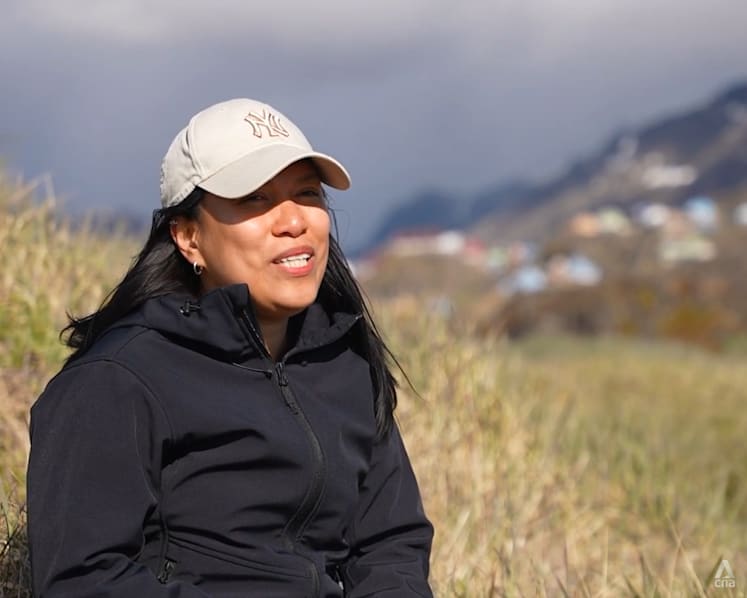
More and more Southeast Asian individuals and families are building new lives in Greenland’s remote communities.
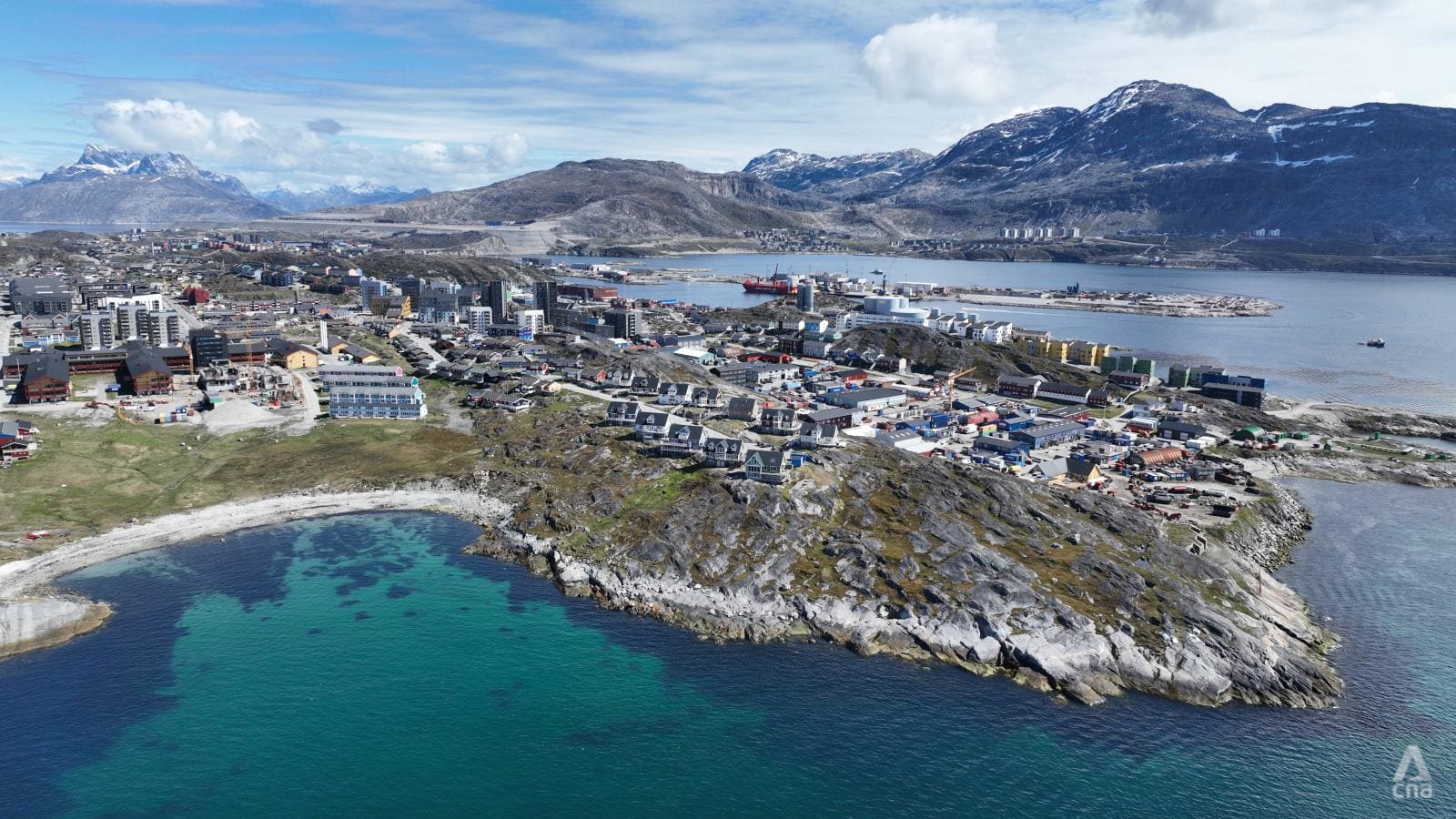
The world’s largest island is experiencing one of the fastest demographic shifts in its modern history. Its small population, the steady outmigration of young people and a growing economy have created an unexpected migration corridor for workers from Southeast Asia.
The two largest foreign migrant groups in Greenland today are from the Philippines and Thailand; with approximately 1,300 and 460 people respectively out of a total population of 57,000.
The number of Filipinos has risen from about 270 five years ago, while the Thai population has roughly doubled in the same time.
On long summer days, the allure is apparent. The landscape is unique and striking, shaped by light and shadow.
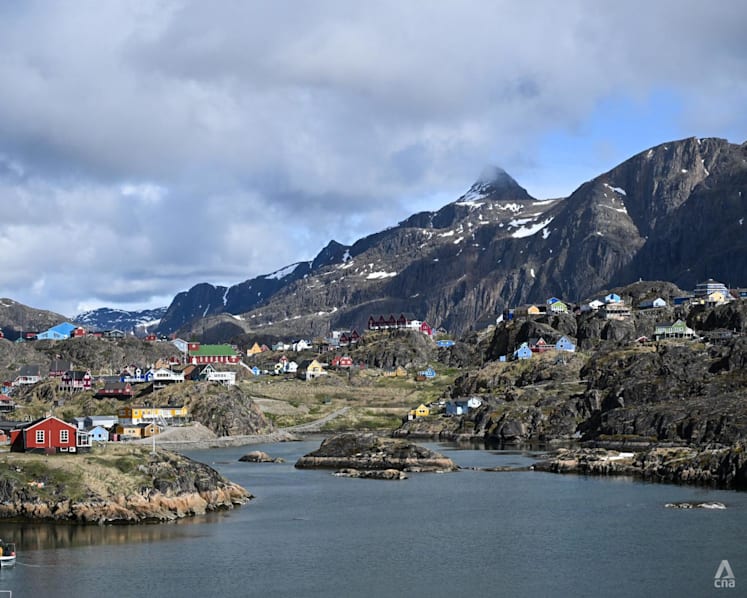
But these migrants are also living the extremes of the high north; the darkness-filled winter days, the midnight sun that barely sets in the warmer months, the brutal temperatures and the stark disconnect, all with the aim of forging a better life.
Filipinos and Thais now work across the island’s supermarkets, hotels, restaurants, fisheries, cleaning companies, breweries, health facilities and small businesses.
Between 12 per cent and 13 per cent of the territory’s workforce now comes from outside Greenlandic backgrounds, reflecting an economy that is now fundamentally relying on foreign labour.
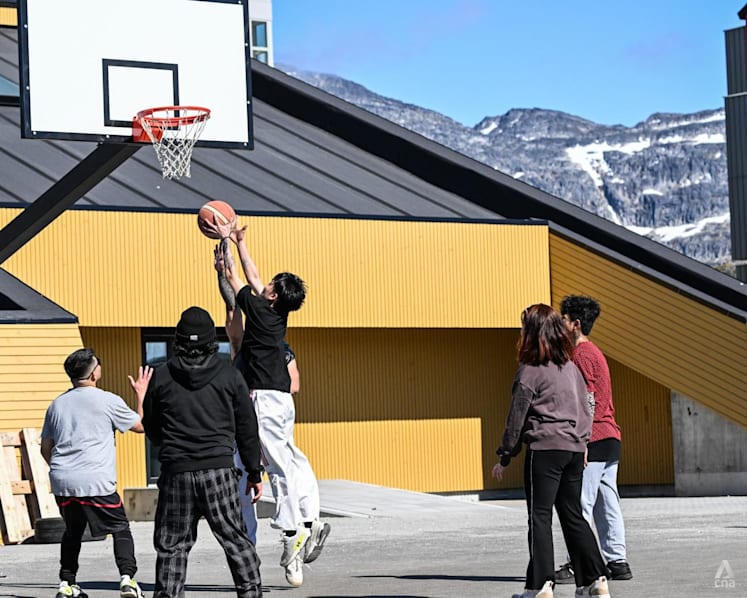
Greenland is an “economy of growth” right now, as it pushes to diversify and expand its tourism, service, mining and energy sectors, said Christian Kjeldsen, chief executive officer of the Greenland Business Association, the territory’s largest private sector employers’ and trade organisation.
“If we all had two or three jobs, we still wouldn’t have enough people in Greenland. So we are going to be dependent on people coming in,” he said.
More eyes on the island has only hastened the speed of expansion.
As United States President Donald Trump maintains his sights on the autonomous territory within the kingdom of Denmark, even more global attention has been thrust upon it and its fledgling economy.
Trump has been consistent that American ownership or control of Greenland is an absolute necessity for the US’ national security. At July’s NATO summit he suggested Washington could rethink its military commitment to Europe if Denmark refused to cooperate over Greenland.
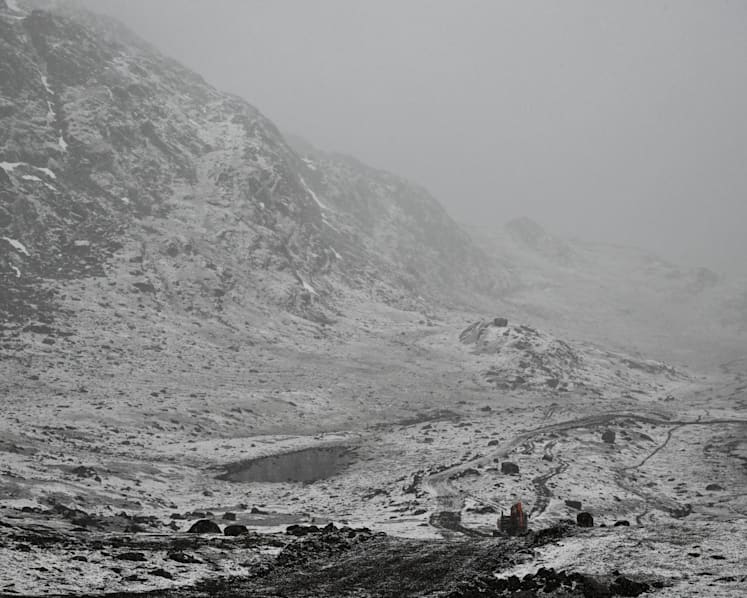
Despite an air of uncertainty, Mondejar is one of those seizing opportunities in a far-away land.
She works at a local hotel in Sisimiut after following her boyfriend, now husband, to Greenland, much to the initial puzzlement of her friends and family.
“That was 11 years ago, and he used to tell me that it’s quite cold here and that he needed someone to hug,” she said. “And seriously, my friends would ask me, where is it?”
Getting acclimatised to a place without trees, where the winds blow from the northern edge of the planet has presented its challenges. But the economic payoff has been worth it, she said, as the family builds a solid foundation for the future.
“Greenland is not just a workplace. It’s the place where we built our family and life together,” she said.
FINDING GREENLAND
Rather than formal recruitment or agencies, family is the thread connecting many migration stories in Greenland, with one relative securing a work permit, establishing themselves, then later bringing a spouse or children through family reunification allowances.
In Nuuk, Greenland’s capital, there are 31 members of Annabelle Cruz’s extended family now living and working, a generational journey that has spanned 16 years after her sister first made the move.
Cruz, 39, is a sales leader at Brugseni, a local supermarket chain. She switches from English to Danish to Greenlandic as she interacts with staff and customers throughout the store, skills she has learned in the two years since moving from Pampanga in the Philippines.
The move here was largely driven by economics, she said – her salary is many times higher compared to home – but also tinged with a desire for adventure.
The average worker from Asia in Greenland – across all sectors – earned US$52,800 annually, based on 2024 data.
That is about 9.5 times the average annual wage in Thailand, and more than 12 times the average annual wage in the Philippines.
“Every time I saw their posts on Facebook, I got so curious about what it feels like to live life in the Arctic,” she said, about seeing her family’s life in Nuuk from a distance.
“So that’s one of the reasons why I came here. I wanted to see a different culture and nature far from where I grew up.”
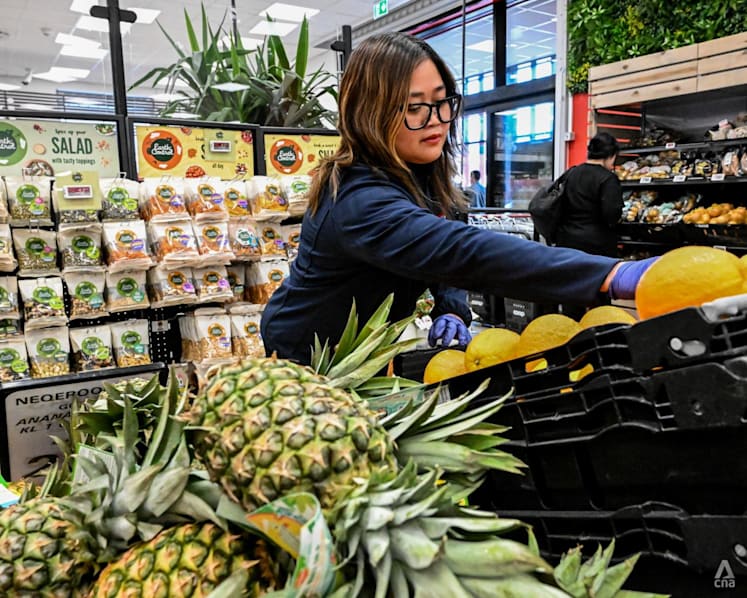
The movement of Filipinos abroad for work and opportunity is one of the largest, longest-running labour migration systems in the world. An estimated 10 million to 12 million Filipinos live or work overseas, about 10 per cent of the country’s population.
Overseas Filipinos sent home a record US$38.3 billion in remittances in 2024, equivalent to about 8.7 per cent of the country’s GDP, while in Thailand, an estimated one million to two million Thais live or work abroad and remittances were about 1.8 per cent of GDP in 2024.
The Greenland government also provide benefits for overseas workers.
“If they have a working permit, they are entitled to healthcare, medicine, education, retirement, the lot. Everything is paid through our taxes, so it’s publicly financed,” said Steven Arnfjord, an associate professor of social work and the director of the Centre for Arctic Welfare at the University of Greenland.
The Filipino community in Nuuk and beyond has grown exponentially in recent years. There are 770 Filipinos in the capital in 2026, compared to just 118 a decade ago.
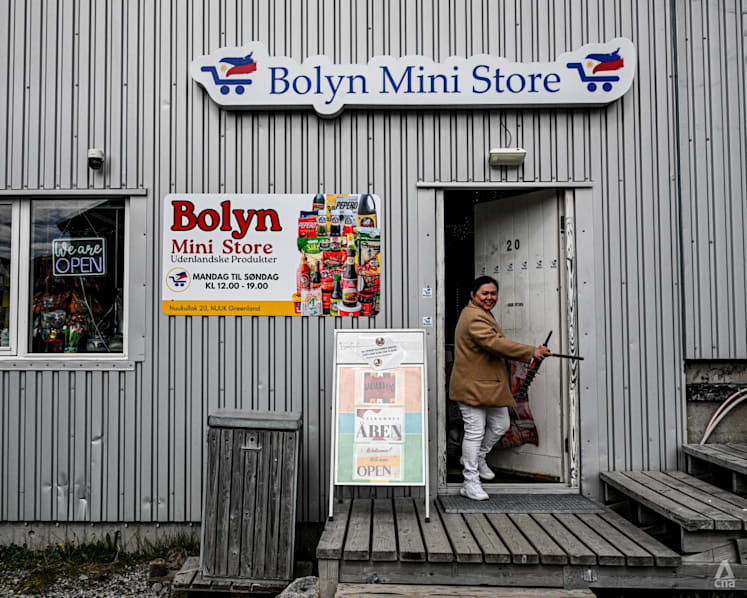
For Filipino Merlyn Mejala, now a well-established city resident after moving from Mindanao to Nuuk in 2010, it made sense to start a grocery and smallgoods business catering to the growing number of Asian expatriates.
Stepping into her store feels like crossing continents. The shelves, stacked with instant noodles, spicy snacks and familiar energy drinks, carry the flavours and memories of home.
“We started very small and then later on every part of Greenland knows us, so now I can send to them, and then we’ve gotten bigger,” she said.
She speaks of heading down to the harbour to pick up any Filipinos or Indonesians working on arriving cruise ships and craving Asian food and letting them cook in her small personal kitchen attached to the store.
“I never stop sharing,” she said.
Community underpins connection in Nuuk for the migrant groups.
Filipinos attend Sunday mass at the only Catholic church on the island, while the Thai community regularly gathers for important national and cultural celebrations, such as the King’s birthday and Songkran, the Thai new year.
As numbers grow, Mejala admits it is becoming difficult to maintain closeness and familiarity, a growing issue to manage.
“It was a very nice community, small and easy to gather. You can manage in the small community, but now it’s getting bigger and it’s hard to communicate,” she said.
The Thai community is longer established in Nuuk, especially in the restaurant, massage and hotel sectors.
Meena Manly, 54, originally from Udon Thani in northern Thailand, has seen the small outpost of Nuuk transform and expand over the past two decades.
Now a business owner herself – she operates Smile Thai Massage and Beauty – she is able to open pathways to younger therapists seeking overseas exposure.
With som tum – a traditional papaya salad dish – readily prepared by her staff and chilled Singha beer in her fridge, Nuuk does not feel so far away from comfort, she said.
“With Thai people here, I think everyone loves and helps each other. It’s like a big hug,” she said.
“The finances and work are good, and the living standard is good. Most importantly, the income is better than in Thailand.
“And for those who want to come here, nothing is harder than our own thoughts. There are always new things we need to learn and we must keep an open mind.”
Meena would cry to sleep in the early days as long days of darkness weighed on her. She has emerged resilient, she said, and ready to support new recruits, like Chatprapa Panyacharoen, 24, who left Thailand less than half a year ago.
“There are some difficulties regarding adjusting my lifestyle, the weather, the living conditions and the food. I used to be someone who didn’t eat much som tum, but living with everyone here, I end up eating it every single day,” Chatprapa said, laughing.
“It’s completely normal to face these challenges in the beginning. But if you ask if I am lonely right now, I’m not. It has changed my life,” she added.

At a spa across the city, Natkritta Winyasak, 42, from Chiang Rai in northern Thailand, dwells on what makes Greenland special, challenging her own preconceptions about what it means to live in the Arctic.
When she arrived in Nuuk a year and half ago, it was minus 19 degrees Celsius. Her face was frozen and she lost her sense of smell in the chill. There were no roads in sight because everything was covered in snow.
“Back home, we have 7-Elevens and things like that … But there are none here. So I wondered how I would survive,” she said.
Just like for others, the “slow life” has gripped her now. She does not rush anymore. The majesty of this polar region lies right outside her door.
“In the winter, you can see the Northern Lights right in front of your house. You don’t need to buy a plane ticket to fly and see them up close; they are right outside, every night. And they are beautiful, with all the colours,” she said.
“We are far from home, but we don’t feel unhappy.”
TENSIONS AND INTEGRATION
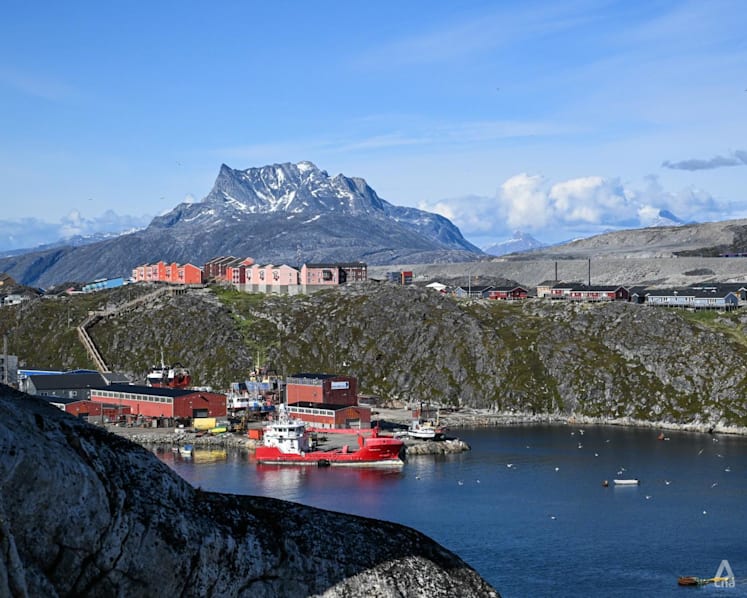
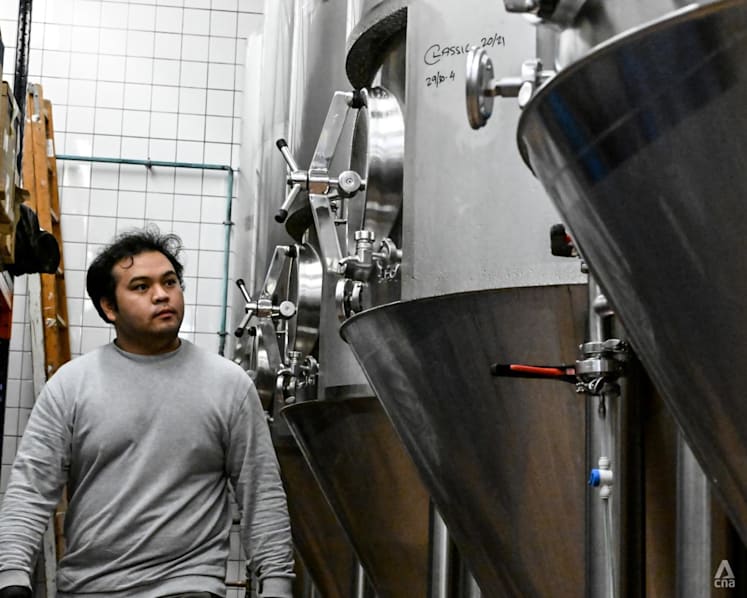
Migration is changing the face of Greenland. In the growing Nuuk – and increasingly even in more remote settlements – it is often English that locals hear first when entering a store or restaurant.
It is reshaping workplaces and introducing new languages, traditions and perspectives into a society long defined by a blend of cultures, said Arnfjord, the University of Greenland associate professor.
“That is for good and worse a thing that we need to adjust to, expecting to be serviced in a language that for a lot of people is their third language, and sometimes it creates a little tension,” he said.
For centuries, Greenland’s social and political landscape was shaped largely by the relationship between indigenous Kalaallit and Danish colonial institutions. The arrival of new migrant communities is adding another layer to that identity.
“There’s a lot of focus on integration. What does it actually mean? How do we do it, and how do we avoid this becoming a bad story and making it a good story? That it’s the economy and growth; we need these hands to help us, our way of life and our culture,” Arnfjord said.
The Greenlandic government is working with the business community to come up with fast-track solutions, making it easier for the employers to get staff, Kjeldsen of the Greenland Business Association explained.
That is an acknowledgment of the need for foreign labour, he said, and a step to move beyond the old narrative that “if someone is coming in, it’s because we’re incompetent or we can’t do things ourselves”, a hangover from colonial times.
“It still sticks with us in history, in culture … that’s why we could risk a bit of pushback to immigration if we don’t handle this narrative correctly,” he said.
Greenland is in a period of flux right now, facing existential questions about its place in the world. The threat of US invasion hangs over the local population and fears of outside influence is an issue of national debate.
Tillie Martinussen, a former member of parliament, said she hopes migrant workers are sheltered from local or international dog whistle politics.
“Some of the separatists that are very nationalistic want to talk about it and kind of make it ‘the foreigners versus us’. It’s always a winning topic, but Greenlanders are not really biting on that one too much,” she said.
Isolated cases of racism though still present as painful reminders to migrants that they are outsiders here.
“I think there’s a tension,” Mejala said.
“Maybe because there’s a lot of Filipinos now. I’ve heard the complaints that they (locals) don’t have a job anymore because it’s occupied by Filipinos.”
Cruz said that learning Greenlandic and Danish, and choosing to approach misunderstandings with empathy rather than resentment, has helped her adapt.
“Every time I feel racism, I am thinking that they do not mean to hurt me,” she said. “It’s just that we need to turn it into a positive. We cannot blame them, because this is their place.”
BETWEEN TWO WORLDS
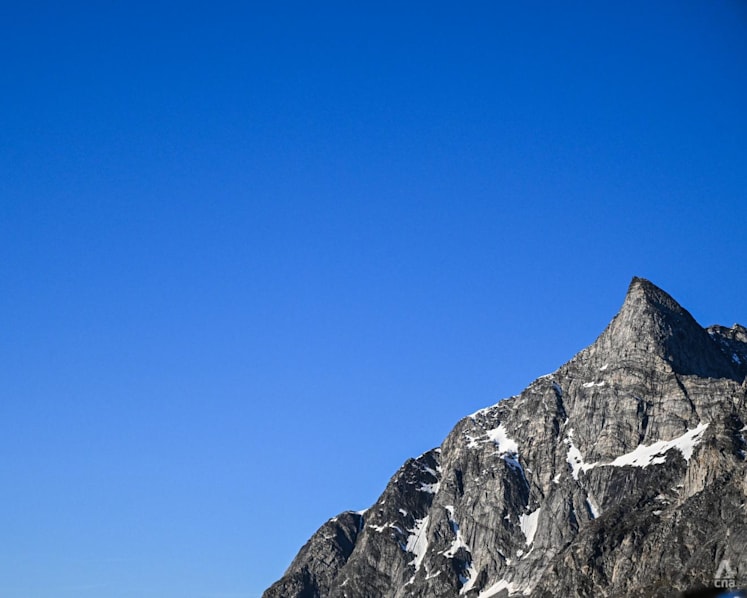
Greenlandic folklore tells of the qivittoq, a person who walks away from society into the mountains, enveloped by nothingness, until they become something else.
Today’s newcomers are doing the opposite. They have arrived not to disappear into Greenland’s wilderness, but to build its modern economy, while in many cases, savouring elements of life in one of the most remote parts of the world.
GP Dupitas, 42, is slowly finding his own place in Greenland’s expanse, often with a rifle in hand.
The registered nurse from Mindanao, Philippines, has immersed himself deeply in Greenland’s most steeped and sacred traditions: hunting.
The island is normally covered in snow and ice and no means to grow food.
For millenia, Inuit communities have prevailed by harvesting seals, whales, fish, birds, reindeer and musk ox. Innovation in traditional culture has been borne through a need to kill to survive.
This mentality survives to today, underpinning what it means to be Greenlandic. Dupitas has discovered community and connection to the island’s people and landscape, and found meditation by walking the desolation in search of game.
“When you’re away from the city, you cannot see people, it’s only the mountains, the birds,” he said. “It’s totally natural. It’s very different from where I lived in the Philippines.”
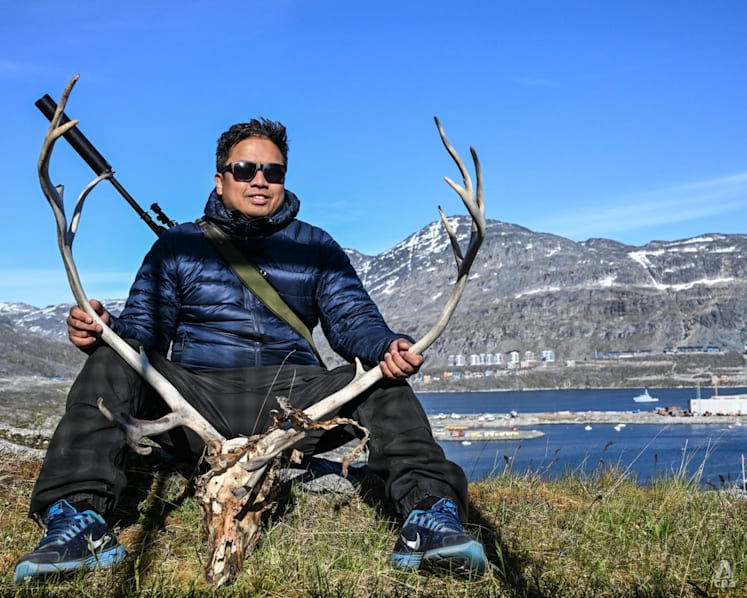
A decade ago, Dupitas followed his wife to the capital Nuuk, initially taking a job as an assistant at the city’s hospital – a role far below his qualifications.
Still, it paid better than his job back home. Since then, he has worked his way through the system, learning the languages and inadvertently spearheading the welcoming of many more Filipinos to the island’s health sector.
“It’s like an invasion now,” he said with a light laugh.
Dupitas has adopted the tradition of stocking a large freezer with meat, designed to last the year – the hunting season is short in Greenland and limited to the warmer months.
And he walks a line between cultures, often preparing Philippine dishes like adobo for his children with local meats such as reindeer and ox.
“I want to show them my culture also. They live here, they’re born here and when they’re at their daycare they eat whale, they eat seal, they eat the birds, everything, because that’s the local food,” he said.
“So, they experience the Greenlandic culture, plus at home I’m making Filipino dishes too.”
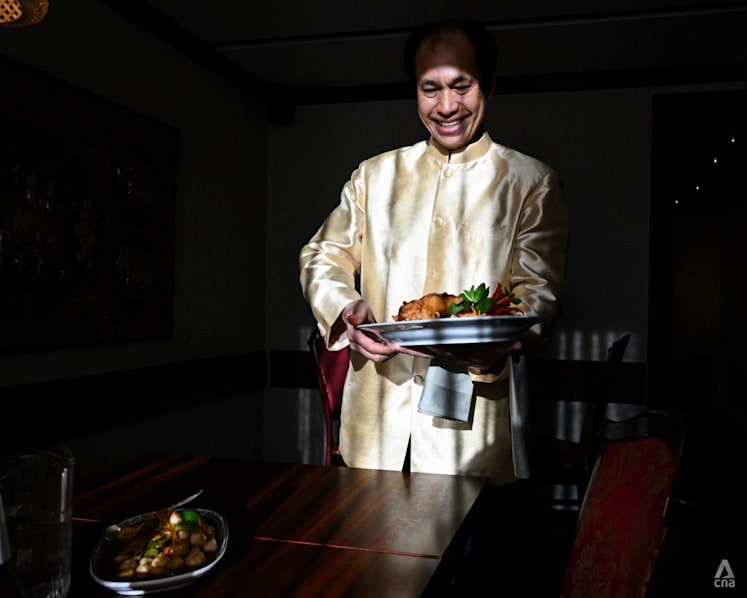
In more formal settings, Thai restaurants across the island are also modifying traditional recipes using native ingredients, partly to adapt to availability, and to foster connection with local people too.
As unseasonal summer snow falls outside, fire leaps from the pan in the kitchen of Kin-D ApS restaurant in Sisimiut.
Dishes like pad kaphrao – a Thai stir-fry made with holy basil – with reindeer and panang curry with musk ox are popular dishes on the menu.
It is all about adjusting, said Naruephat Boonsong, a worker at the restaurant originally from Sukhothai province.
“It’s a simple life because we learn how to live and adapt here. It’s easy,” she said. “But, it’s very cold!”
Mondejar says she will not stay in Greenland forever. The Philippines will one day call her back.
“My roots are still there. I’m still from the Philippines. I’m a Filipino,” she said.
And when she does leave, with her family in tow, she will carry with her the valuable skills and lessons from enduring life in the Arctic.
“I’ve become more … independent, more resilient. I’m proud of that.”
Source: CNA/jb(ao)
Sign up for our newsletters

Get the CNA app
Stay updated with notifications for breaking news and our best stories
Get WhatsApp alerts
Join our channel for the top reads for the day on your preferred chat app

Get bite-sized news via a new
cards interface. Give it a try.
Click here to return to FAST
Tap here to return to FAST
FAST