Indonesia central bank, finance minister agree to boost asset yields to aid rupiah
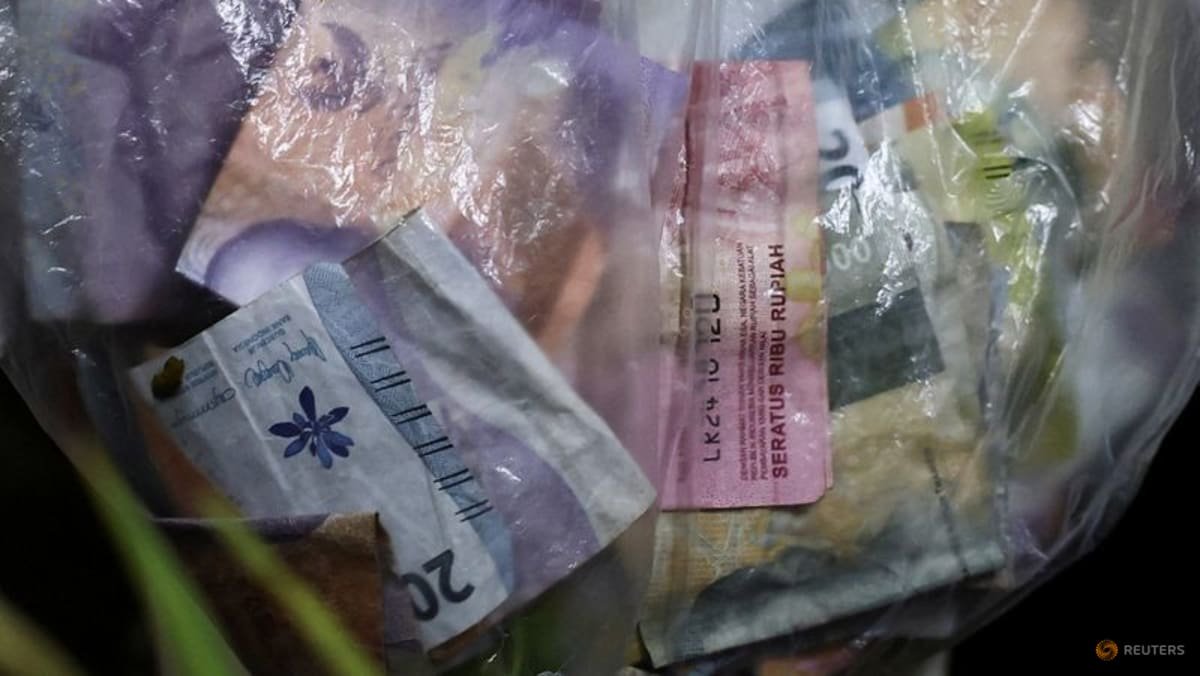
Indonesian rupiah bank notes inside a plastic bag at a traditional market in South Tangerang, on the outskirts of Jakarta, Indonesia, June 5, 2026. REUTERS/Willy Kurniawan
Read a summary of this article on FAST.
Get bite-sized news via a new
cards interface. Give it a try.
Click here to return to FAST
Tap here to return to FAST
FAST
JAKARTA, June 6 : Indonesia’s central bank chief and finance minister on Saturday agreed to increase yields on Indonesian assets to attract portfolio inflows and support the rupiah, after the currency hit record lows in the past few weeks.
Bank Indonesia and the finance ministry “will increase the attractiveness of yields” on Indonesian assets “so that portfolio inflows return” to the country, Governor Perry Warjiyo told a press conference at parliament building.
Warjiyo did not provide any details on the plan. He took questions but didn’t give any clearer answers.
Southeast Asia’s largest economy has been hit by heavy capital outflows this year, with the stock market plunging more than 30 per cent and the rupiah sinking amid investor concerns over President Prabowo Subianto’s big spending plans, even as fuel subsidies balooned due to the Iran war.

Guess Word
Crack the word, one row at a time

Buzzword
Create words using the given letters

Mini Sudoku
Tiny puzzle, mighty brain teaser

Mini Crossword
Small grid, big challenge

Word Search
Spot as many words as you can
Foreign holdings of Indonesian bonds have slumped to a near two-decade low.
Markets are also worried about the autonomy of the central bank, transparency issues at the stock market and Prabowo’s new plan to centralise exports of major commodities.
BI has stepped up its currency interventions to defend the rupiah in foreign exchange markets, operations it has paired with purchases of long-dated government bonds in the secondary market to manage liquidity.
The central bank’s bond buying operations typically also aim to try to manage the government’s borrowing costs by preventing yields of long-term bonds from rising too much. The finance ministry had last month launched its own bond market operations, temporarily buying back bonds to keep yields from rising.
It was unclear what impact Saturday’s agreement between the finance ministry with BI would have on monetary operations or the finance ministry’s bond auctions.
One-year Bank Indonesia bonds, called SRBI, were sold at a 7.25 per cent weighted average yield at an auction on Friday, higher than the government’s 10-year bond yield of 6.902 per cent.
To help the government manage its interest expenses, Warjiyo said the central bank will raise the rate it pays for cash the government keeps at BI, adding this should ease any concern credit rating agencies may have.
Finance Minister Purbaya told the conference, which was also attended by Prabowo’s spokesperson and deputy speaker of parliament, he hoped this synergy between fiscal and monetary authorities would improve investor trust.
Indonesia’s central bank raised its policy interest rates by a larger-than-expected 50 basis points at a policy review in May to support the rupiah.
Source: Reuters
Sign up for our newsletters

Get the CNA app
Stay updated with notifications for breaking news and our best stories
Get WhatsApp alerts
Join our channel for the top reads for the day on your preferred chat app

Get bite-sized news via a new
cards interface. Give it a try.
Click here to return to FAST
Tap here to return to FAST
FAST