Laos turns to wind power: Southeast Asia’s largest wind farm promises millions in revenue and clean energy, but the electricity is destined entirely for foreign markets.
Image: Anthony Wallace/AFP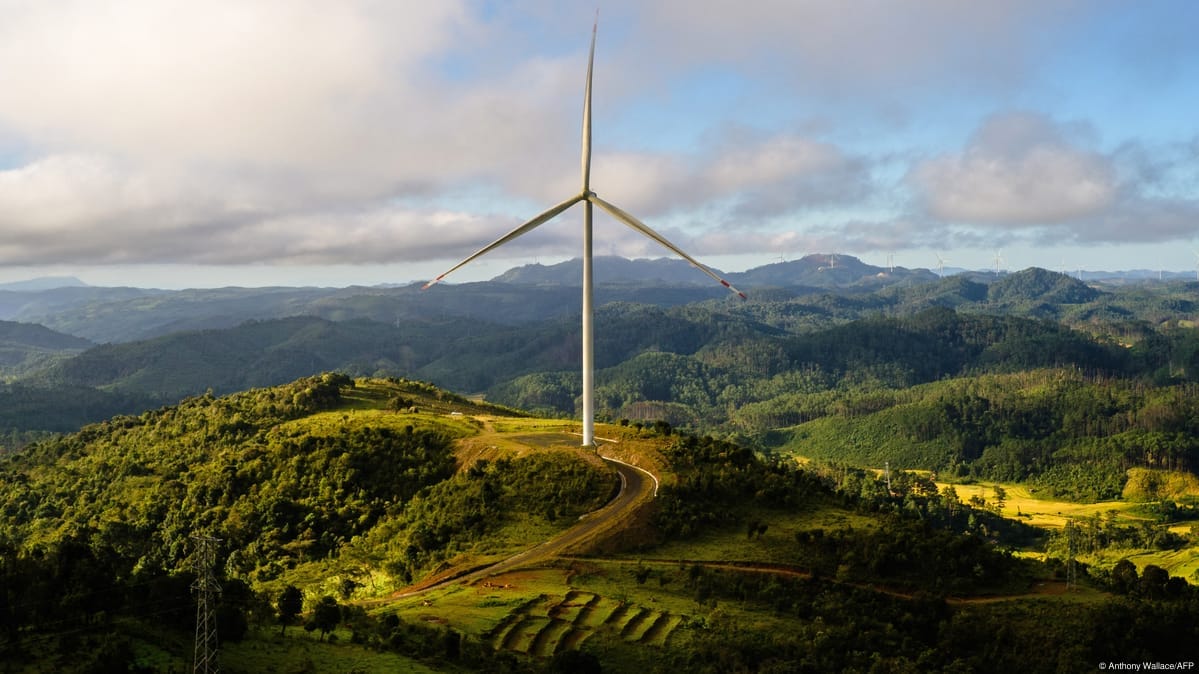
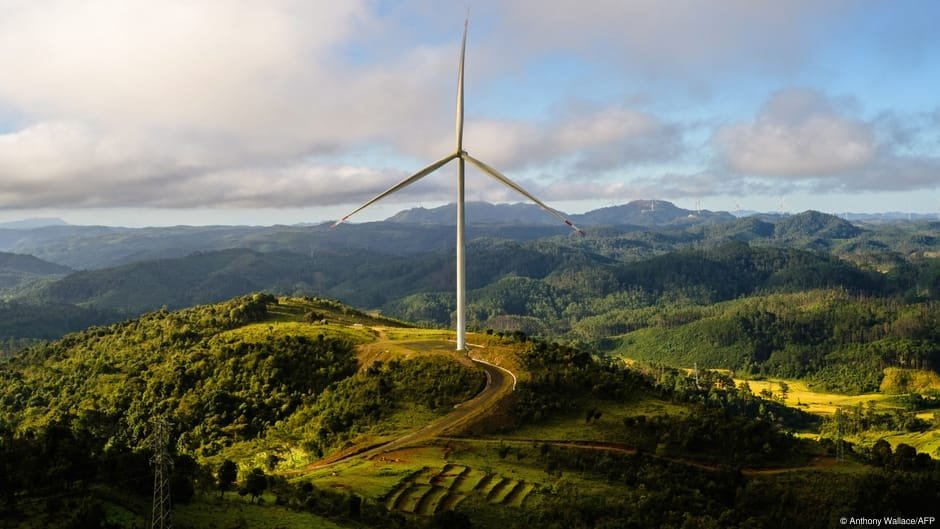
In southern Laos, 133 wind turbines built by China rise above the lush green mountain ridges. The largest wind farm in Southeast Asia covers an area the size of Singapore and is considered the region’s first cross-border energy project.
Image: Anthony Wallace/AFP
Around $950 million (€860 million) has been invested in the Monsoon Wind Power Project. Built by a Chinese state-owned enterprise and owned by a Thai-led consortium, the facility generates about 600 megawatts of electricity. However, all of the power is exported via dedicated transmission lines to Vietnam’s national grid.
Image: Anthony Wallace/AFP
Laos, a landlocked Southeast Asian nation bordering China, Thailand and Vietnam, remains significantly poorer than its neighbors. More than two decades ago, the authoritarian one-party state set out to become the “battery of Southeast Asia,” a strategy that involved relocating entire villages and raised major environmental concerns over dam construction.
Image: Anthony Wallace/AFP
Experts expect strong growth in Laos’ wind energy sector. “Similar to hydro 20 to 30 years ago, there’s a bit of a rush on to secure concessions and development rights,” says Tristan Bellingham of NGO EnergyLab Asia. Laos already operates around 90 hydropower plants, and suitable sites for further development are becoming increasingly scarce.
Image: Anthony Wallace/AFP
For residents of the villages surrounding the vast wind farm, the project has brought new roads and improved access to health care and clean water. What it has not delivered, however, is a more reliable electricity supply. Laos’ power infrastructure is widely seen as outdated, and the state-owned utility is heavily burdened by debt.
Image: Anthony Wallace/AFP
Vietnam, one of Southeast Asia’s fastest-growing economies, is facing frequent power shortages as electricity demand continues to rise. The country has pledged to achieve carbon neutrality by 2050, and power imports from Laos could eventually account for nearly 10% of Vietnam’s generating capacity.
Image: Anthony Wallace/AFP
The wind power project is expected to generate around $180 million in revenue for the government. Officials say no residents were relocated and affected farmers received compensation. Local residents remain optimistic. “It’s better for development and can bring prosperity,” says a farmer living near the wind farm. However, public criticism remains limited in authoritarian-ruled Laos.
Image: Anthony Wallace/AFP7 images1 | 77 imageshttps://p.dw.com/p/5PXwo