


Skip NavigationMarketsBusinessInvestingTechPoliticsVideoWatchlistInvesting Club PRO
PRO LivestreamMenu
- Asian stocks rallied Monday while oil prices tumbled after the U.S. and Iran agreed to a peace deal aimed at ending nearly four months of conflict.
- The strongest reaction was seen in energy markets, where oil prices tumbled over 4%.
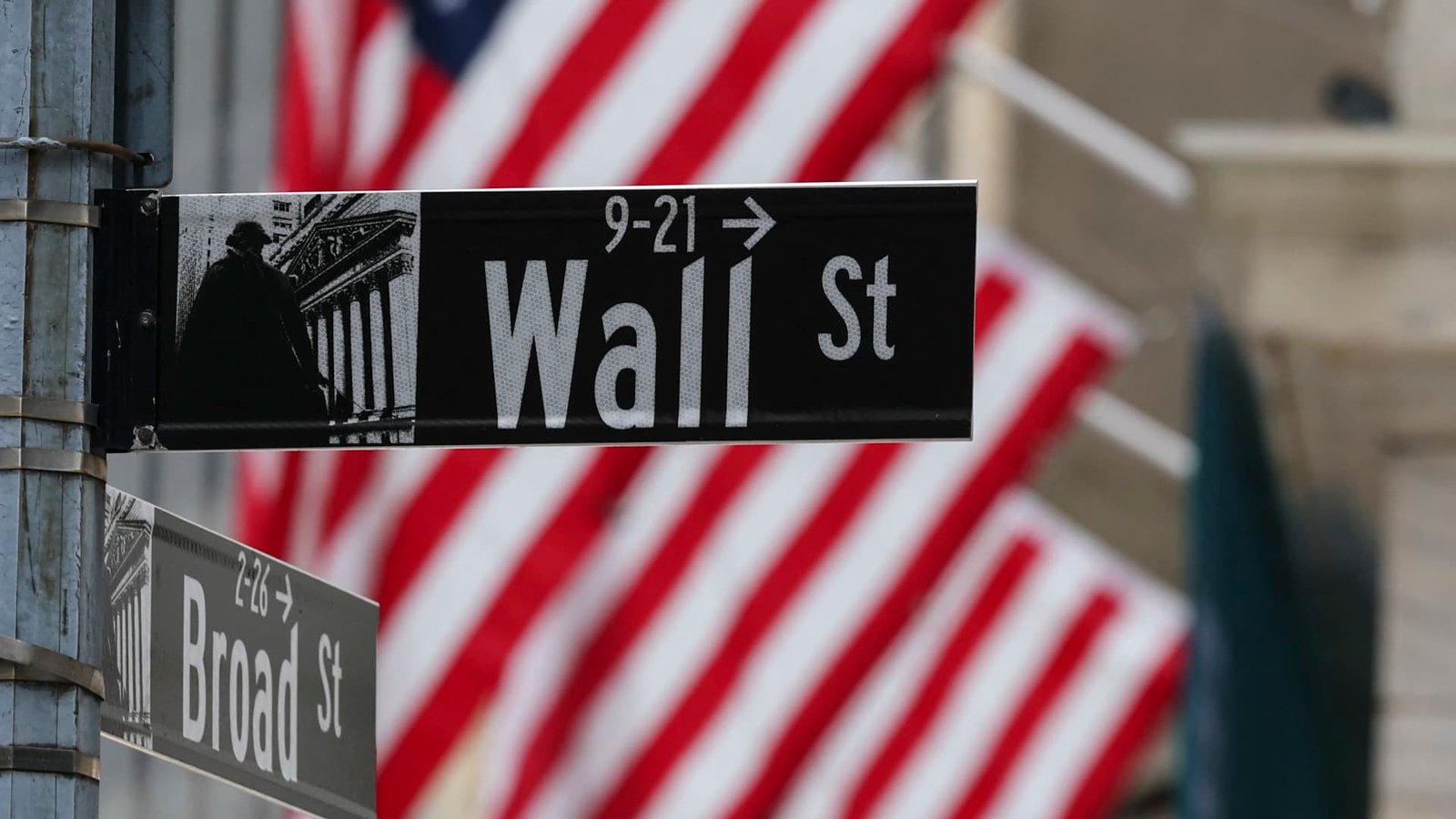
The American flag flies behind a Wall Street sign near the New York Stock Exchange (NYSE) in New York City on April 22, 2026. Angela Weiss | Afp | Getty Images
Asian stocks rallied Monday while oil prices tumbled after the U.S. and Iran agreed to a peace deal aimed at ending nearly four months of conflict, prompting investors to unwind some of the geopolitical risk premium that has dominated markets since February.
The strongest reaction was seen in energy markets. U.S. crude oil futures for July delivery were down 4.77% to $80.83 per barrel by 8:27 p.m. ET. Brent futures, the international benchmark, for August delivery traded about 4% lower to $83.77 per barrel.
Asian equities surged. South Korea’s Kospi jumped 5.1%, Japan’s Nikkei 225 climbed 3.6%, and the broader Topix advanced 2.6%. Australia’s S&P/ASX 200 gained 1.3%.
“Markets have been waiting for this news for months, and the relief is already showing, with oil sliding and risk assets catching … after President Trump confirmed that the Strait of Hormuz will reopen and the U.S. naval blockade will be lifted,” said Josh Gilbert, lead analyst for APAC at eToro.
The decline in oil and the peace prospects reverberated across other asset classes. The U.S. dollar index weakened 0.32% to 99.483, while the yield on the benchmark 10-year Treasury note fell 5 basis points to 4.423%, suggesting that investors were dialing back inflation concerns on easing energy prices.
“The most immediate implication is a repricing of the inflation risk premium that markets have been carrying since the Strait closed,” said Billy Leung, investment strategist at Global X ETFs.
“Oil is the sharpest mover, but the more telling signal is actually in bonds, where yields falling alongside equities rising confirms that the market had already been treating the energy shock as transitory rather than structural.”
Investors still flocking to safe havens
Besides safe-haven Treasurys, gold also rose. “Gold is the interesting outlier here,” Leung said. “In a clean risk-on trade, gold should be selling off as the geopolitical premium unwinds, but it is holding bid around $4,300, which tells you the market is not fully trusting the deal yet.”
Spot gold prices were up almost 2% at $4,302.19 per ounce.
That skepticism reflects lingering uncertainty around the agreement, which remains unsigned and subject to implementation risks.
Gilbert cautioned that “the deal isn’t actually signed until June 19th, the details are still thin, and this conflict has shown more than once that headlines can turn on a dime.”
Analysts at Commonwealth Bank of Australia also stressed that the oil outlook hinges on how quickly shipping and production can normalize.
Vivek Dhar, head of commodities and sustainability research at CBA, expects Brent to fall to around $80 a barrel by year-end, assuming the Strait remains open and exports recover. However, he warned that damage to refining infrastructure, the presence of sea mines and uncertainty over tanker traffic could slow the return to normal operations.
Even so, he said markets are likely to take comfort from the prospect that oil flows need only recover to around 60%-70% of pre-war levels to restore expectations of a global supply surplus.
For investors, the biggest implication will likely be what cheaper energy means for inflation and central banks. Lower oil prices ease pressure on households and businesses while reducing the risk of a broader inflation resurgence just as major central banks enter a busy week of policy meetings.
“The broader read for global investors is constructive,” Gilbert said. “A sustained decline in oil prices takes some weight off central banks.”
About The Author







