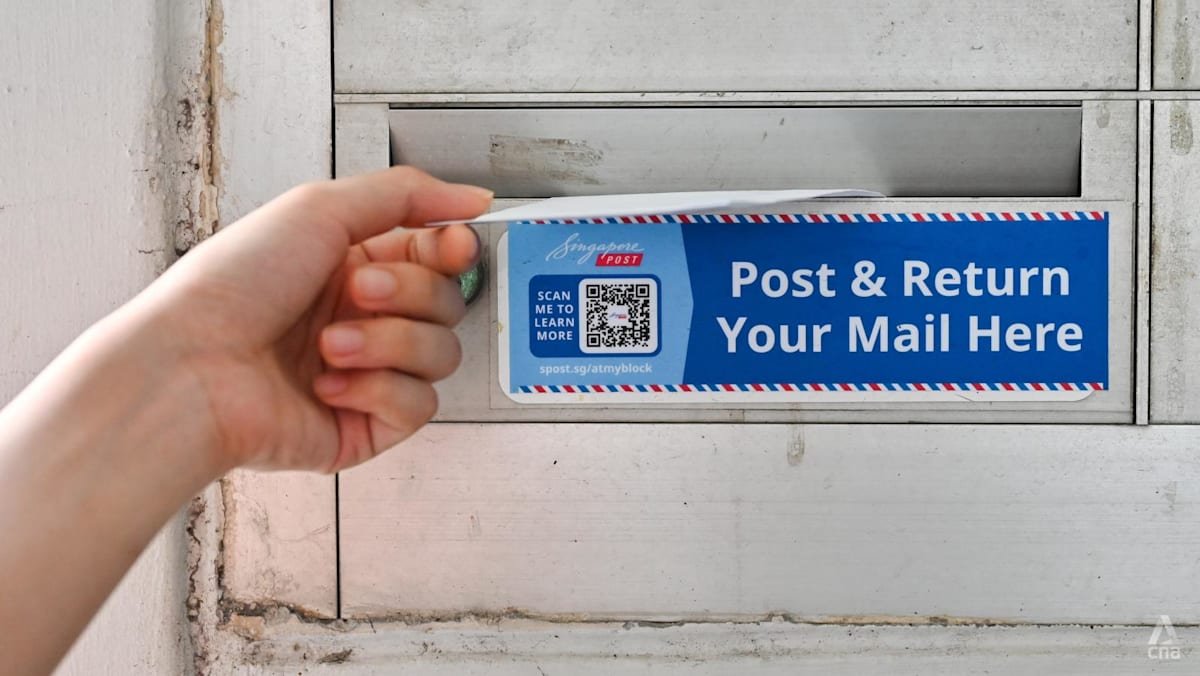
Residents can post mail from all HDB, condo letterboxes by Sep 30; no plans to remove postboxes: SingPost
SingPost also unveiled a S$30 million automated parcel sorting facility at its e-commerce logistics hub in Tampines that would reduce its manpower needs.
A SingPost letterbox nest found at Bukit Batok West, Jun 5, 2026. (Photo: CNA/Alyssa Tan)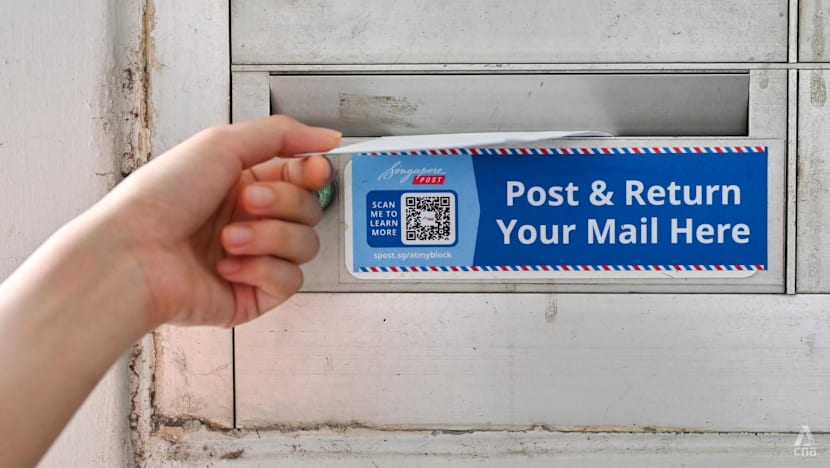
New: You can now listen to articles.

This audio is generated by an AI tool.

Read a summary of this article on FAST.
Get bite-sized news via a new
cards interface. Give it a try.
Click here to return to FAST
Tap here to return to FAST
FAST
SINGAPORE: Instead of a post office or a postbox, residents will soon be able to post letters and small packets directly from their residential blocks, after Singapore Post (SingPost) said on Tuesday (Jun 9) that it will expand a trial of the service islandwide.
The SingPost@MyBlock scheme, which allows residents to deposit mail into a designated slot within their block’s “letterbox nest” for collection by postmen, will be implemented in all Housing and Development Board estates and condominiums in three phases starting from Jul 31. The rollout is set to complete by Sep 30.
Under the initiative, residents can post envelopes, postcards and small packets, including SmartPac items and mail bearing prepaid labels, as long as they fit through the slot. Items deposited before 10am will be delivered on the next working day.
SingPost vice president of operations Goh Chee Hiong said the rollout will bring the total number of letterbox nests in the postal network to more than 20,000.

Guess Word
Crack the word, one row at a time

Buzzword
Create words using the given letters

Mini Sudoku
Tiny puzzle, mighty brain teaser

Mini Crossword
Small grid, big challenge

Word Search
Spot as many words as you can
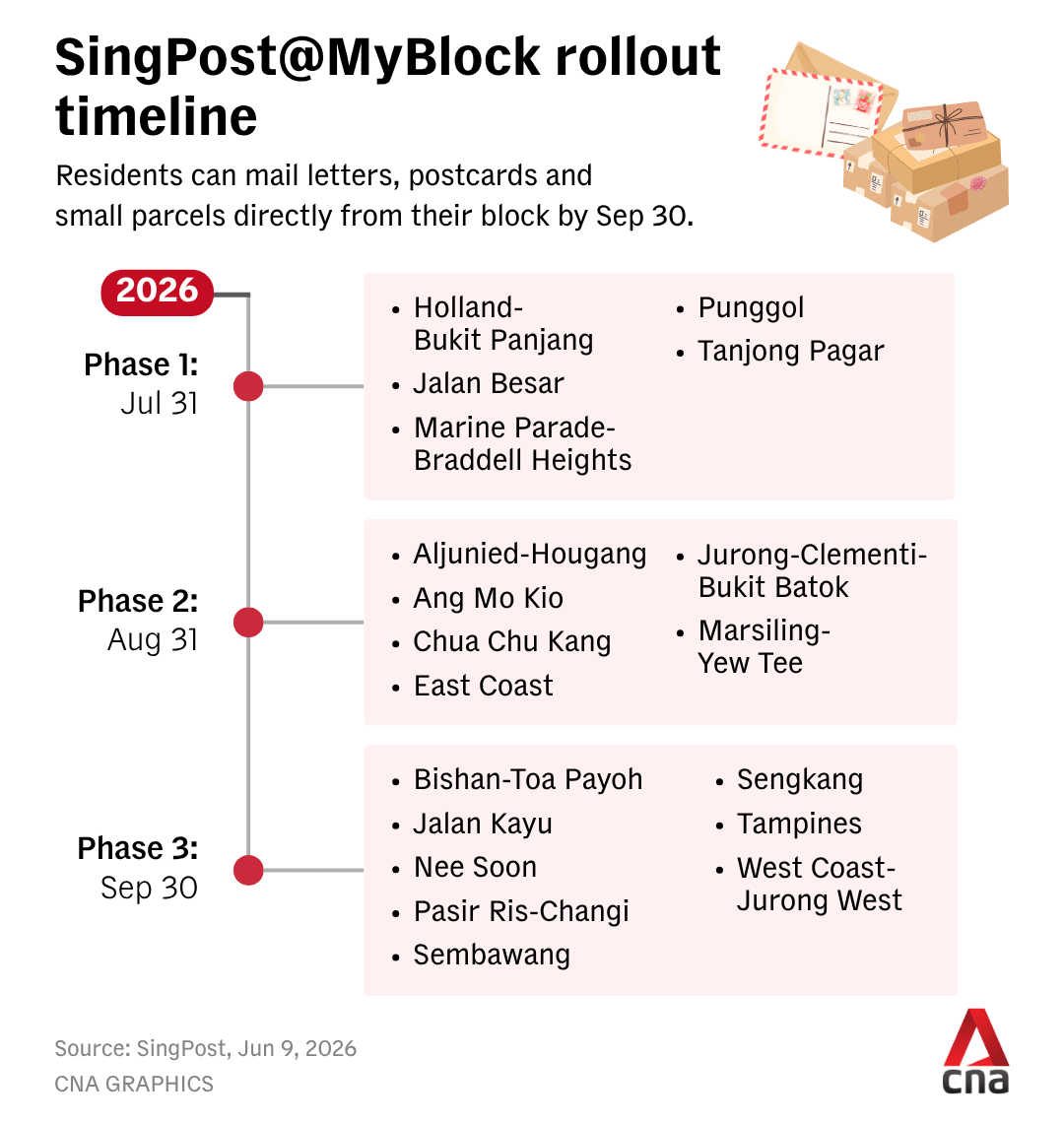
The earlier trials for SingPost@MyBlock began in Punggol in Oct 2025 and was later expanded to four other housing estates: Bukit Batok, Bukit Panjang, Marine Parade and Upper Boon Keng.
In the meantime, SingPost will continue to maintain about 40 post offices and around 786 postboxes across Singapore.
Asked whether the initiative could eventually reduce the need for postboxes, SingPost chief executive officer Mark Chong said no decisions have been made on their future.
“We already noticed that some posting boxes … are not so utilised, especially those by the street side,” Mr Chong said.
“I think if it’s not used, there are many ways to think about it, either we repurpose them or eventually if it’s not used, somebody should remove it so that it doesn’t become an eyesore on the street.”
Mr Goh added that there are currently no plans to extend the service to landed housing or industrial estates, where conventional postboxes will continue to serve residents.
NEW S$30 MILLION FACILITY
The expansion of SingPost@MyBlock comes as the postal operator accelerates efforts to automate its operations and improve efficiency.
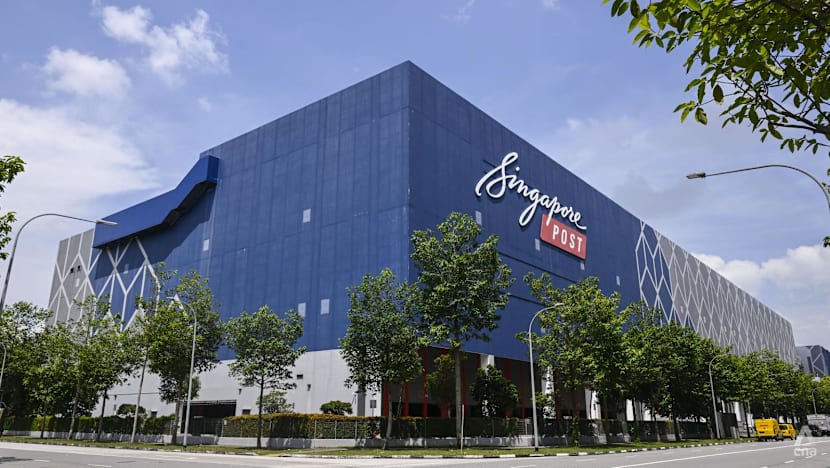
On Tuesday, the company also unveiled a S$30 million (US$23 million) automated parcel sorting facility at its Regional eCommerce Logistics Hub in Tampines.
Occupying half a floor of the building, the facility consolidates parcel sorting operations that were previously split between Tampines and SingPost Centre in Paya Lebar.
The postal group earlier scrapped plans to sell its flagship building in Paya Lebar. Instead, the company will be enhancing facilities and the retail experience at the mall.
The latest round of investments is part of SingPost’s broader strategy to automate operations and reduce the expenses it incurs in providing its services by more than 10 per cent.
During a tour of the facility, reporters were shown how automation boosts processing capacity.
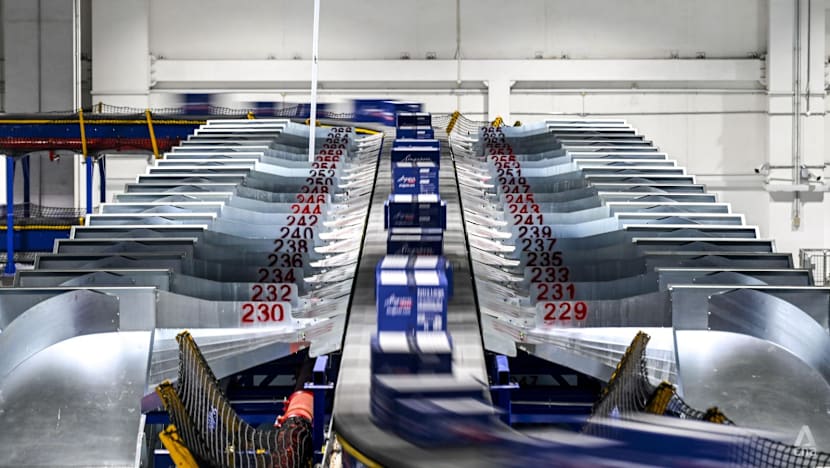
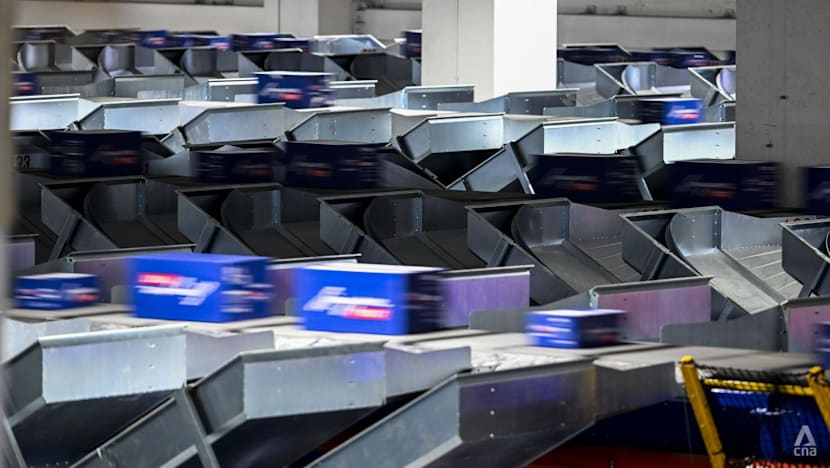
Parcels moved through the two automated sorting systems – a 3D sorter and a larger intelligent flexi sorter – that help to reduce processing time.
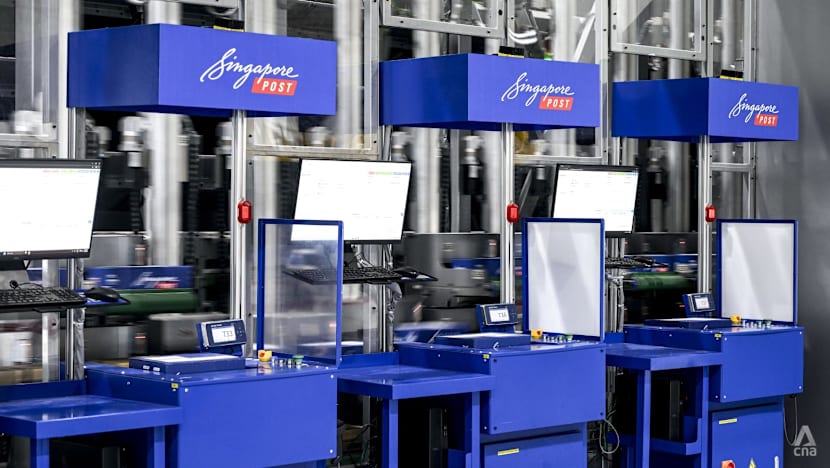
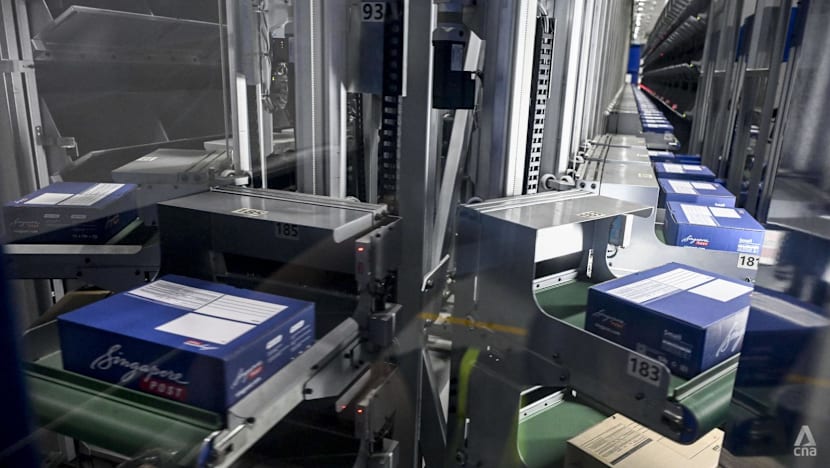
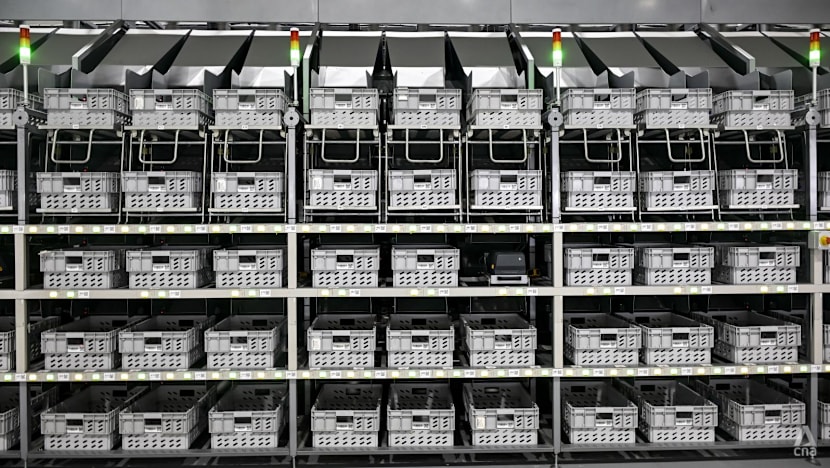
The 3D sorter handles smaller parcels, which helps to reduce daily processing times at delivery bases by up to three hours. A second “flexi” sorter processes up to 16,200 small- to medium-sized parcels per hour.
Parcels deposited at the sorter eventually pass through an optical scanner which scans labels from all sides.
The technology records the weight and dimensions of the parcel and takes high-resolution images, and can also automatically reject oversized items.
The sorted parcels are then moved into one of 327 output chutes — metal slide-like structures located on either side of the conveyor belt — based on their destination, and put into roller cages that are transported into delivery trucks.
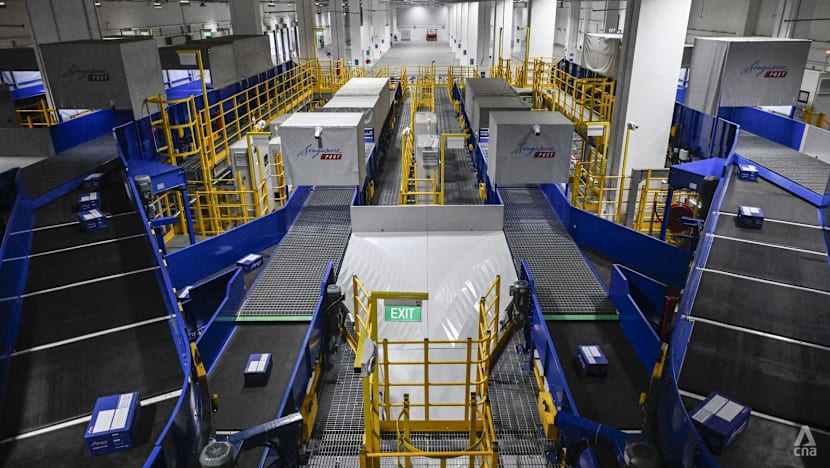
AUTOMATING LABOUR INTENSIVE TASKS
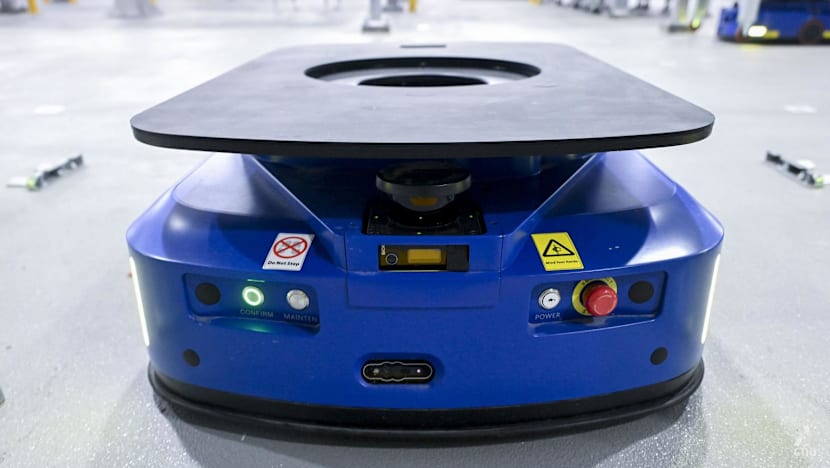
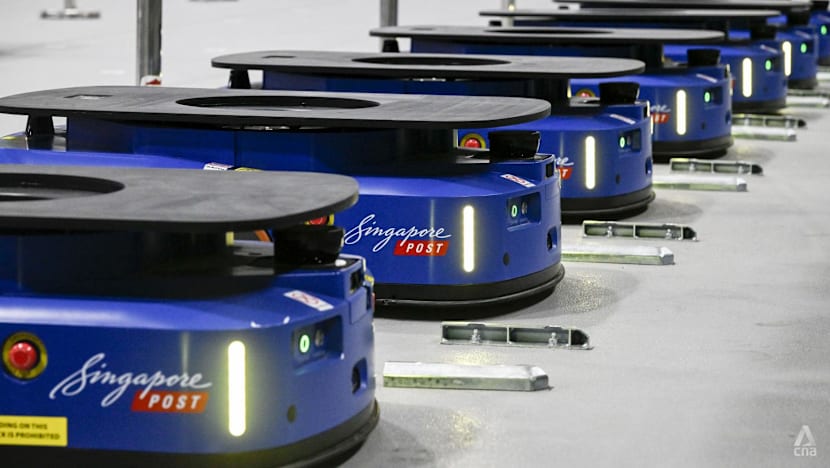
Supporting the sorting systems are 40 automated guided vehicles that can each carry 600kg loads, and reduce the need for manual labour to move parcels around the facility.
The automated vehicle is fully electric and takes about 1.5 hours to charge, powering it for up to eight hours each time. Reporters saw how the vehicles navigate the facility using markers on the floor.
The parcels are then sent to five delivery bases across Singapore to undergo a final round of sorting, after which they are dispatched for delivery.
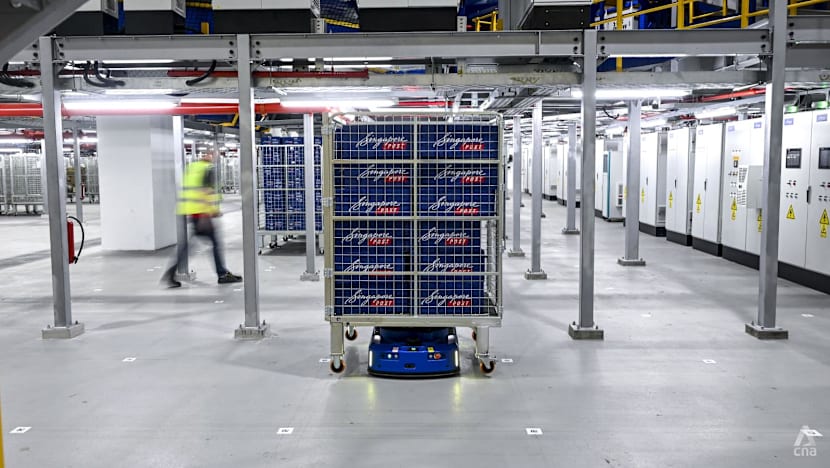
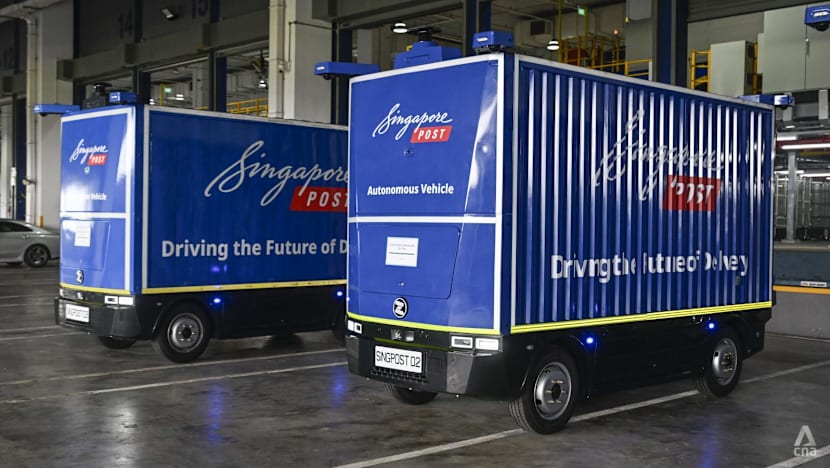
The facility also operates three larger autonomous vehicles that can move parcels between different levels of the building.
Collectively, these upgrades halve the processing time and triples SingPost’s small- and medium-sized parcel processing capacity from 100,000 to 300,000 parcels per day, which means its total daily throughput – when combined with existing large parcel operations – is 400,000 parcels.
REDUCED MANPOWER NEEDS
In terms of manpower, automation has reduced staffing requirements from about 300 workers to between 150 and 200. However, Mr Chong said the reduction would largely affect temporary workers rather than permanent staff.
“The fact is actually we don’t have enough permanent staff. We leverage a lot on temporary staff, so with this new equipment, we will need less temporary staff.
“But for our own staff we will also upskill them, train them. Those who are able to, they could move on to the new roles,” he said.
Mr Chong said the company would need workers with new skill sets to support its automated operations, including engineers who can manage systems, analyse operational data and oversee autonomous vehicles.
SingPost said it has already begun recruiting for data analytics and IT-related roles, though it did not state how many are needed in total.
Source: CNA/wt
Sign up for our newsletters

Get the CNA app
Stay updated with notifications for breaking news and our best stories
Get WhatsApp alerts
Join our channel for the top reads for the day on your preferred chat app

Get bite-sized news via a new
cards interface. Give it a try.
Click here to return to FAST
Tap here to return to FAST
FAST