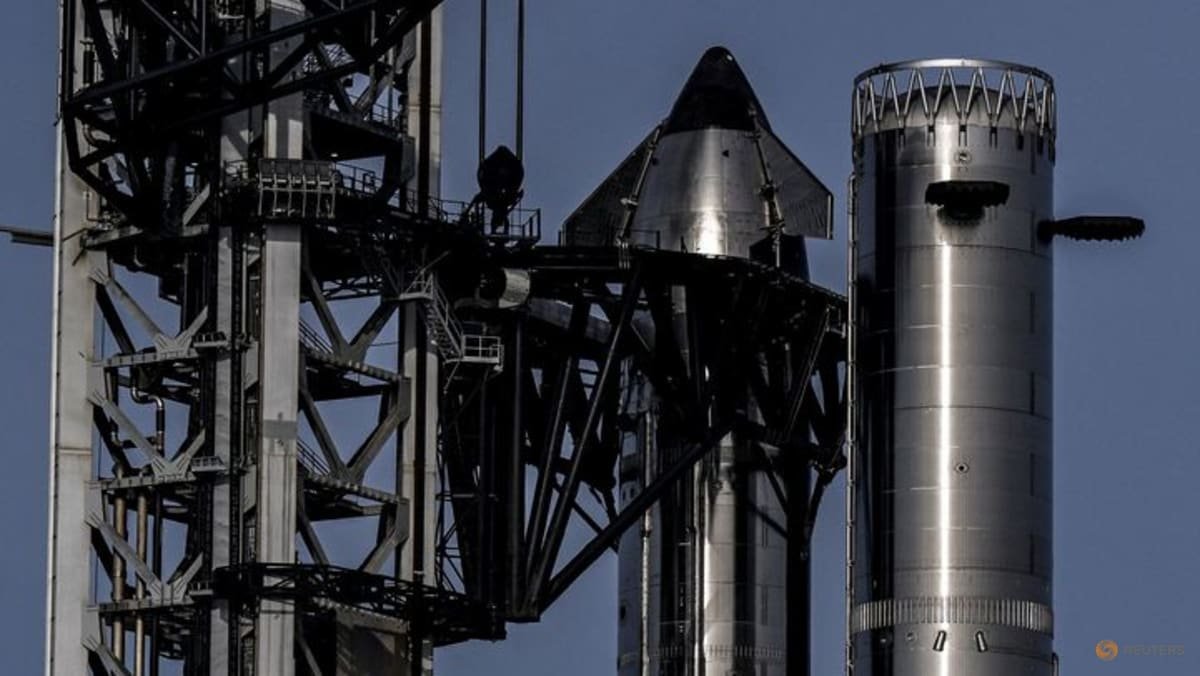
SpaceX launches 13th Starship test, briefly deploys first upgraded Starlinks
Read a summary of this article on FAST.
Get bite-sized news via a new
cards interface. Give it a try.
Click here to return to FAST
Tap here to return to FAST
FAST
WASHINGTON, July 24 : SpaceX’s Starship rocket lifted off from Texas on Friday and briefly put its first 20 upgraded Starlink internet satellites into suborbital space, the company’s 13th test mission as it aims to begin routine service by the end of the year.
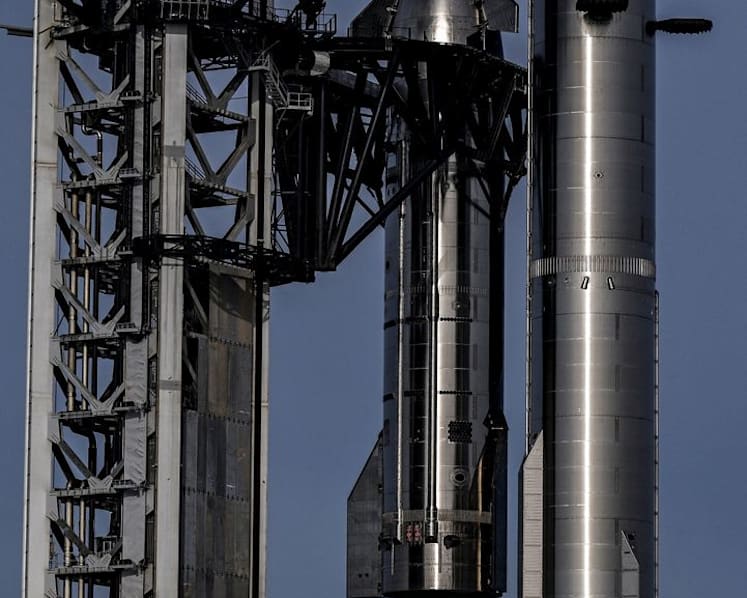
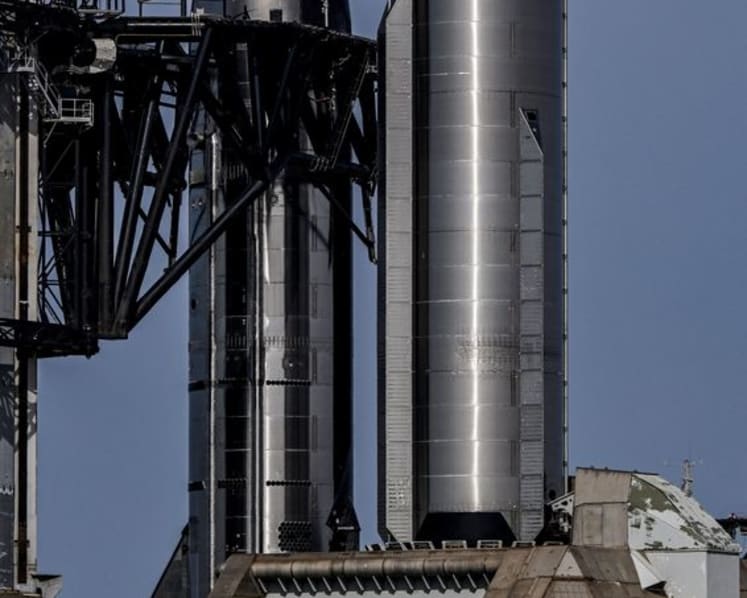
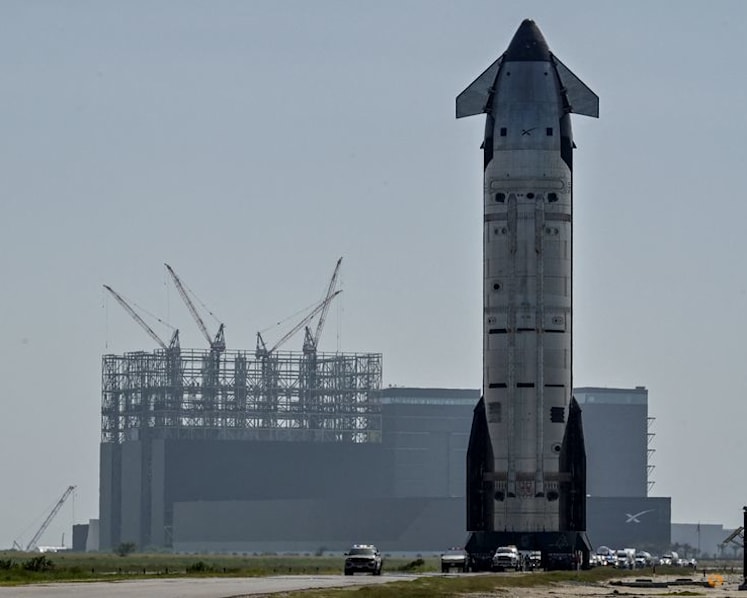
The roughly 400-foot-tall (122-metre-tall) Starship rocket system blasted off around 6:50 p.m. ET from SpaceX’s Starbase company town in Texas.
During the mission, the rocket launched 20 of Starlink’s V3 satellites, a much more powerful version with greater bandwidth and internet speeds. They briefly connected with SpaceX’s existing network of some 10,000 orbiting satellites. Then, as planned, they followed the ship’s suborbital trajectory into Earth’s atmosphere and burned up.
As the craft flew over a shadowed Earth, a camera fixed to the rocket and streamed live by SpaceX showed thunderstorms with flashes of lightning in the background 118 miles (190 km) below.

Guess Word
Crack the word, one row at a time

Buzzword
Create words using the given letters

Mini Sudoku
Tiny puzzle, mighty brain teaser

Mini Crossword
Small grid, big challenge

Word Search
Spot as many words as you can
A crowd of SpaceX engineers in SpaceX’s Hawthorne, California, facilities could be heard on the livestream cheering at the rocket’s mission milestones, at one point chanting “USA.”
The flight featured a new version of the rocket crucial to the company’s plans. Those include expanding the Starlink satellite internet service, landing humans on the moon for NASA by 2028 and eventually deploying thousands of artificial intelligence-processing satellites in orbit.
The roughly hour-long mission concluded with Starship’s reentry through Earth’s atmosphere with seemingly minimal scarring on its heat shield. This was an improvement from prior tests and a step toward CEO Elon Musk’s goal for the rocket to fly and return as routinely as an airplane.
The roughly 14-story-tall ship reignited its onboard engines to flip itself upright and splashed down in the Indian Ocean, simulating how it should return on land in Texas in a real mission.
Earlier in the flight, as Starship approached 16,400 miles per hour (26,400 kph) some 10 minutes into its flight, its Super Heavy first-stage booster was unable to ace its return to Earth and hit the Gulf of Mexico harder than expected, SpaceX said.
Five engines failed to relight and slow the descent, according to a graphic on the livestream. In a similar May test, four engines failed to relight and the booster also hit the Gulf hard.
“We were targeting a softer splashdown, and as you saw it came in with quite a bit of velocity still,” SpaceX spokesperson Dan Huot said during the Friday test’s livestream.
By the end of 2026, SpaceX hopes to use the giant Starship rocket to expand its Starlink network with the V3 satellites, adding enough capacity that regular cell phones can connect directly to satellites for service outside normal cellular coverage areas.
Source: Reuters
Sign up for our newsletters

Get the CNA app
Stay updated with notifications for breaking news and our best stories
Get WhatsApp alerts
Join our channel for the top reads for the day on your preferred chat app

Get bite-sized news via a new
cards interface. Give it a try.
Click here to return to FAST
Tap here to return to FAST
FAST