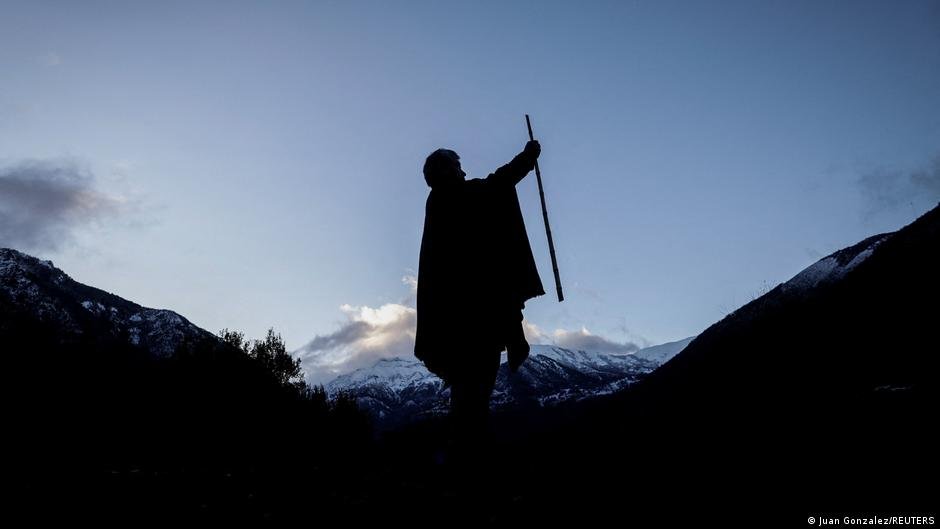
The Chilean Mapuche have long been fighting for their ancestral lands. Many young Indigenous people today are focusing on justice, education, and environmental protection to preserve their ancestral lands.
Image: Juan Gonzalez/REUTERS
The Mapuche, which means “people of the land,” are an indigenous people in southern Chile and Argentina. They are Chile’s largest indigenous group, numbering about 1.6 million people. Today, they control only 5% of their territory, and despite its rich natural resources, the region remains one of the poorest in Chile.
Image: Juan Gonzalez/REUTERS
Protests by the Mapuche have been gathering pace. The Chilean government brought Mapuche territory under its control at the end of the 19th century and later transferred large parts of it to private companies, primarily logging corporations. Since then, the Mapuche have been fighting to reclaim their lands.
Image: Juan Gonzalez/REUTERS
For years, militant Mapuche groups have also relied on violent occupations, acts of sabotage, and confrontations with the police. Now they face one of the most difficult periods in decades: Harsh sentences and the tougher stance taken by the government of the new far-right President Jose Antonio Kast are increasing the pressure on the movement.
Image: Juan Gonzalez/REUTERS
Miriam Gutierrez shows a photo of her imprisoned son, Tono Marchant, a member of the militant Mapuche organization CAM, which is fighting for an independent Mapuche state and, in particular, against logging companies. Conflicts between security forces, landowners, and activists have claimed nearly 40 lives over the past 30 years.
Image: Juan Gonzalez/REUTERS
After decades of resistance, many younger Mapuche today are turning to other, non-militant approaches. Weftui Llaitul’s father, Hector, was a co-founder of the militant Mapuche organization CAM and is currently in prison. Weftui himself is studying law in Santiago. Unlike his father, he is relying on legal means to defend the Mapuche and their land.
Image: Juan Gonzalez/REUTERS
Fundo Pidenco, a former logging estate in the Araucania Region that Mapuche communities have reclaimed, is considered one of the most symbolic centers of indigenous resistance in Chile. Reuters was the first news organization to gain access to these areas, which police and government authorities rarely enter.
Image: Juan Gonzalez/REUTERS
Through the traditional game of Palin, members of a Mapuche community in Ercilla celebrate We Tripantu, the start of the new year at the winter solstice. For spokesperson Orfelina Alcaman, the focus is on the desire for the Mapuche people to live freely and autonomously on their ancestral lands, preserve their own culture, and shape the future of their community.
Image: Juan Gonzalez/REUTERS
Mapuche machis (female healers) prepare traditional medicine from herbs in Rio Bueno. The family of Lonko Segundo Suarez also once fought for their ancestral lands and is now opposing the construction of the Rucalhue hydroelectric plant on the Biobio River. They fear that the dam will destroy valuable forest areas and rare medicinal plants.
Image: Juan Gonzalez/REUTERS
For healer Millaray Suarez, protecting nature is just as much a part of her mission as the responsibility to pass on her ancestors’ legacy to future generations. “Our ancestors fought hard; many were killed, and now it’s up to us, the young people, to continue the fight by other means,” she says.
Image: Juan Gonzalez/REUTERS9 images1 | 99 imageshttps://p.dw.com/p/5Hg7m