The perfect pitch is the goal for World Cup grass growers
Read a summary of this article on FAST.
Get bite-sized news via a new
cards interface. Give it a try.
Click here to return to FAST
Tap here to return to FAST
FAST
WINNIPEG, Manitoba, June 4 : When billions of fans tune in to the 2026 World Cup, they will be witnessing the culmination of a global grass-growing mission that has scientists, farmers and turf specialists sweating as much as the players.
From Mexico to Canada, across 16 stadiums in wildly different climates, the continental tournament is putting turf science to its ultimate test. The goal: creating living surfaces that can withstand kicks, studs, tackles and scorching summer heat.
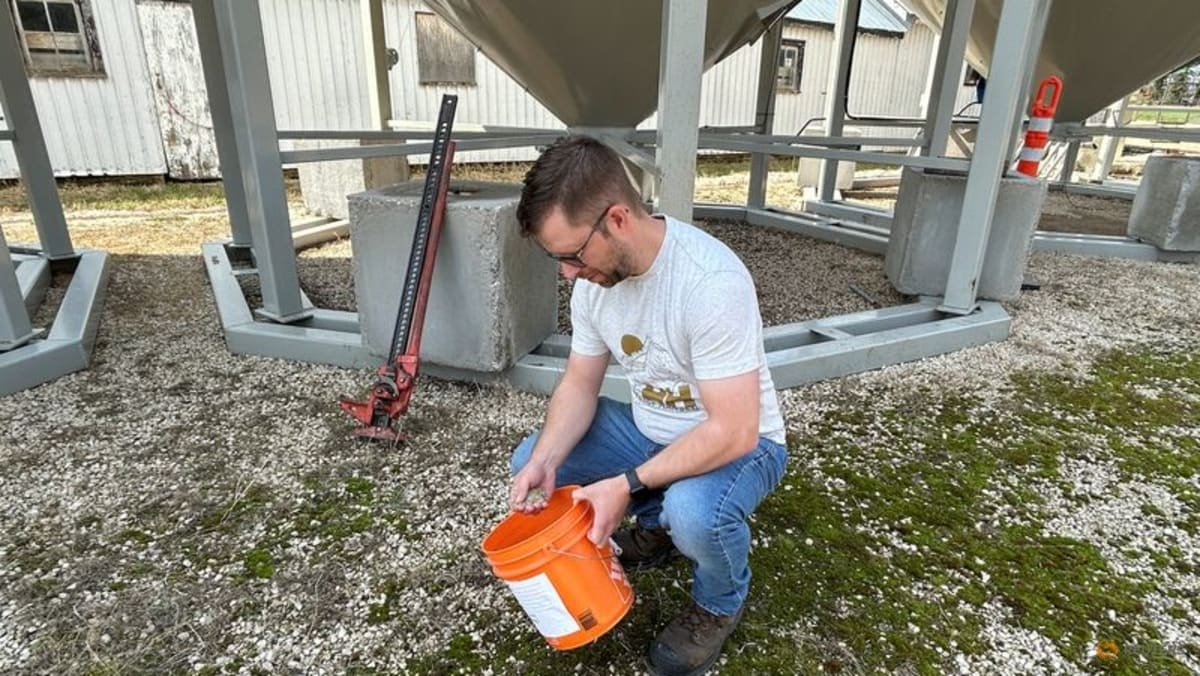
“It’s very high stakes and no room for error, and we definitely do not want to have any kind of fail,” said specialty turf farmer Bert Bos, whose family farm has provided and is responsible for the grass in Vancouver’s World Cup stadium, which hosts seven matches beginning on June 13.
THE CUTTING EDGE OF WORLD-CLASS GRASS

Guess Word
Crack the word, one row at a time

Buzzword
Create words using the given letters

Mini Sudoku
Tiny puzzle, mighty brain teaser

Mini Crossword
Small grid, big challenge

Word Search
Spot as many words as you can
That same intensity comes from Leah Brilman, who has a PhD in grass science and is a senior manager of turfgrass development with global grass seed company DLF.
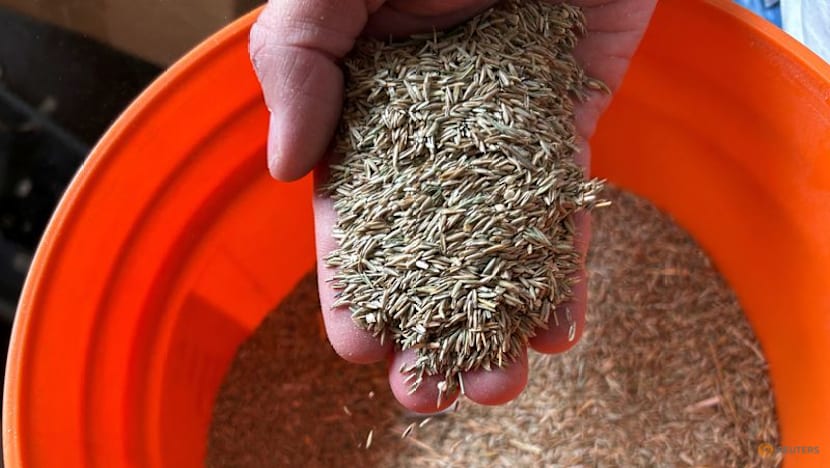
There is a lot of pride in providing the ryegrass and other seed for the World Cup stadiums in Vancouver and Mexico City, but the first thought is ensuring everything goes right when the players’ studs start tearing at the pitches.
“It gets a lot more complex than people think,” said Brilman, who has been involved with providing grass for World Cup stadiums since the 2010 tournament in South Africa.
The grass varies by stadium. Due to the intense heat in some host cities, a number are being turfed with bermudagrass-based blends.
Temperate cities like Vancouver and Mexico City are using ryegrass blends, which thrive in cool conditions.
SPECIAL GRASS REQUIRES SPECIAL FARMERS
“It’s kind of humbling,” said Lorne Boundy, who farms just south of the tree line near Arborg, Manitoba, about ryegrass seed from his community providing World Cup pitches.
The specific varieties of grass being used are the product of decades of academic and commercial research, testing at research farms around the world, along with extensive involvement with soccer’s global governing body FIFA, which sets the standards and has invested millions of dollars in soccer-specific grass development.
“We put a lot of time and a lot of investment into it,” said Brilman, who ended up as a top turfgrass researcher from her interest in the evolutionary development of grasslands.
“Every generation we improve on what we have.”
That means the grasses used at previous World Cups are not likely to be those being used today, as relentless breeding creates tougher varieties that better fight off disease and weeds, while using less water and fertilizer.
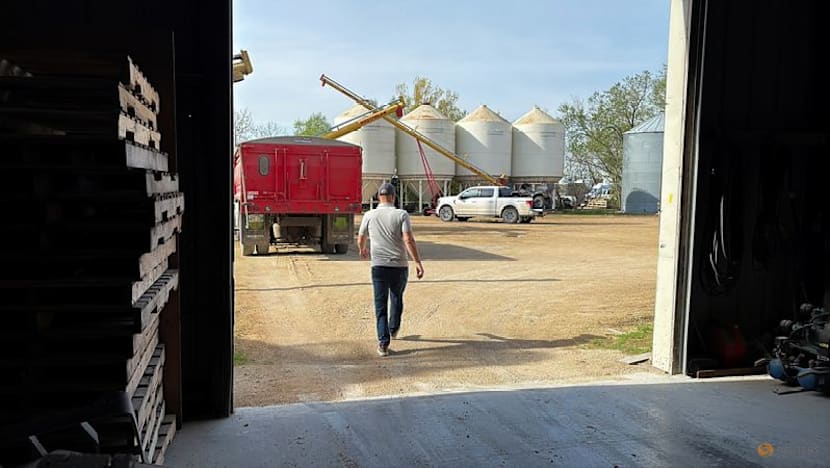
Grass seed farming is a tiny industry. Boundy says there are only a few hundred farmers in his province, producing seed that ends up on U.S. golf greens, playgrounds and parks, and on millions of urban lawns.
There are also small communities of grass seed growers in other parts of North America, like Oregon’s Willamette Valley and in the U.S. southwest, producing whatever their area grows best.
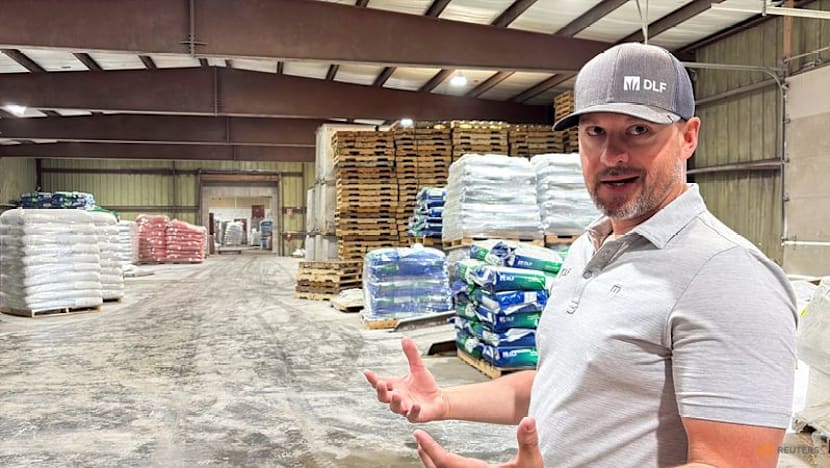
After farmers harvest the seed, which is usually grown under contract with a buyer like DLF, it goes into a commercial cleaning, bagging and transportation system that gets it to its customers. Those can be urban lawn growers, city parks and recreation departments, or sod growers.
SIDEWAYS ROOTS AND FAKE FEET
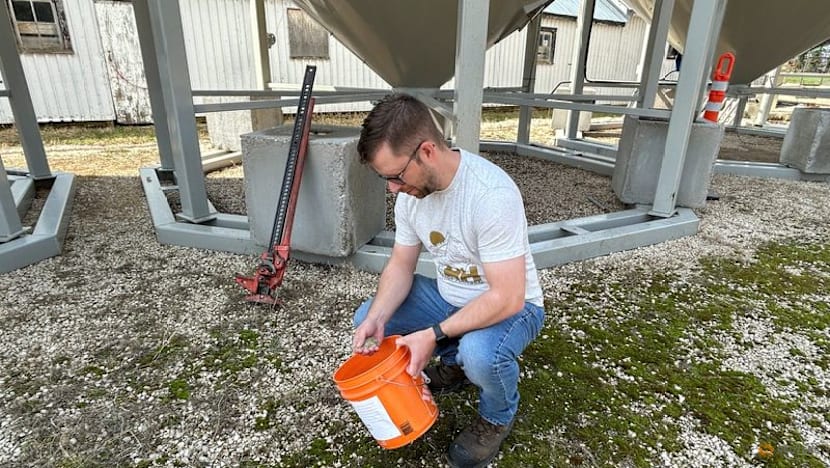
Bos, the Abbotsford sod grower who produced the Vancouver pitch, said he relishes the challenges of growing something unique.
While local farmers could not help him with this specific grass, which is grown atop plastic, produces sideways-turning roots, and with the blades rising through a brushy, netlike fabric, the Australian provider of the system “walked beside us the whole process,” said Bos.
There are intimidating standards. For example, across a three-metre length there might only be a five-millimetre allowance for height variation. “Everything has tight tolerances,” said Bos.
Testing goes on throughout the development and growing process, including the use of a “fake foot” that presses the grass like a fast-turning footballer.
Brilman said it is not good enough to simply use the same grass that U.S. college football players or rugby players play on.
“They’re different-sized players,” she said, who abuse the grass differently. In soccer, the area in front of goal takes a beating and can end up ragged and pockmarked, which cannot be allowed.
“You put seed back in that area all the time,” said Brilman.
There are tricky challenges for this World Cup, including grass pitches needing to be placed above the artificial turf permanently installed in some stadiums.
HOPING NOBODY NOTICES THE GRASS
The goal is for nobody to notice the grass. Everybody wants to avoid a repeat of the February 2023 Super Bowl, where players from both teams criticised the playing surface after a slip-and-slide fiasco that has become part of NFL lore.
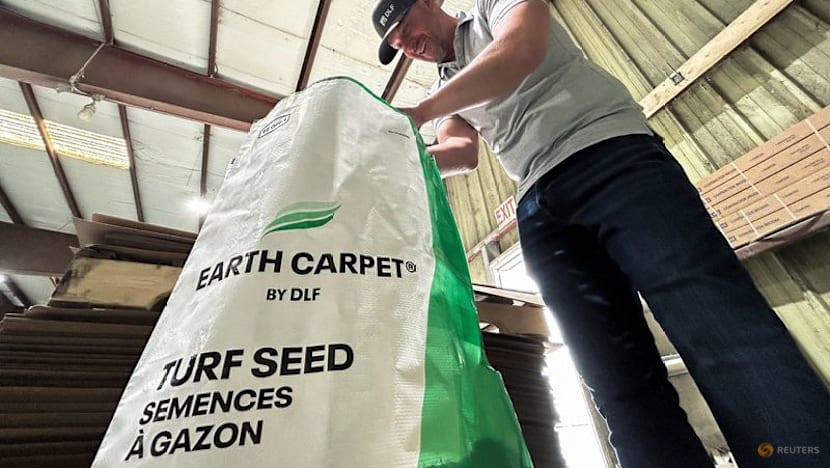
For Tom Rinn, a manager in DLF’s processing and distribution system, knowing that seed grown in his corner of the world and handled by his company adds bragging rights to this World Cup.
He’s looking forward to “sitting around, watching a game, having a cold one with the buddies, and being able to say ‘That’s our grass, that one right there, that came through here’.”
Source: Reuters
Sign up for our newsletters

Get the CNA app
Stay updated with notifications for breaking news and our best stories
Get WhatsApp alerts
Join our channel for the top reads for the day on your preferred chat app

Get bite-sized news via a new
cards interface. Give it a try.
Click here to return to FAST
Tap here to return to FAST
FAST