Tudor at 100, the Nautilus at 50: Landmark watch anniversaries in 2026
From Tudor and Patek Philippe to Cartier and Vacheron Constantin, these major anniversaries trace the watches and brands that helped shape modern watchmaking.
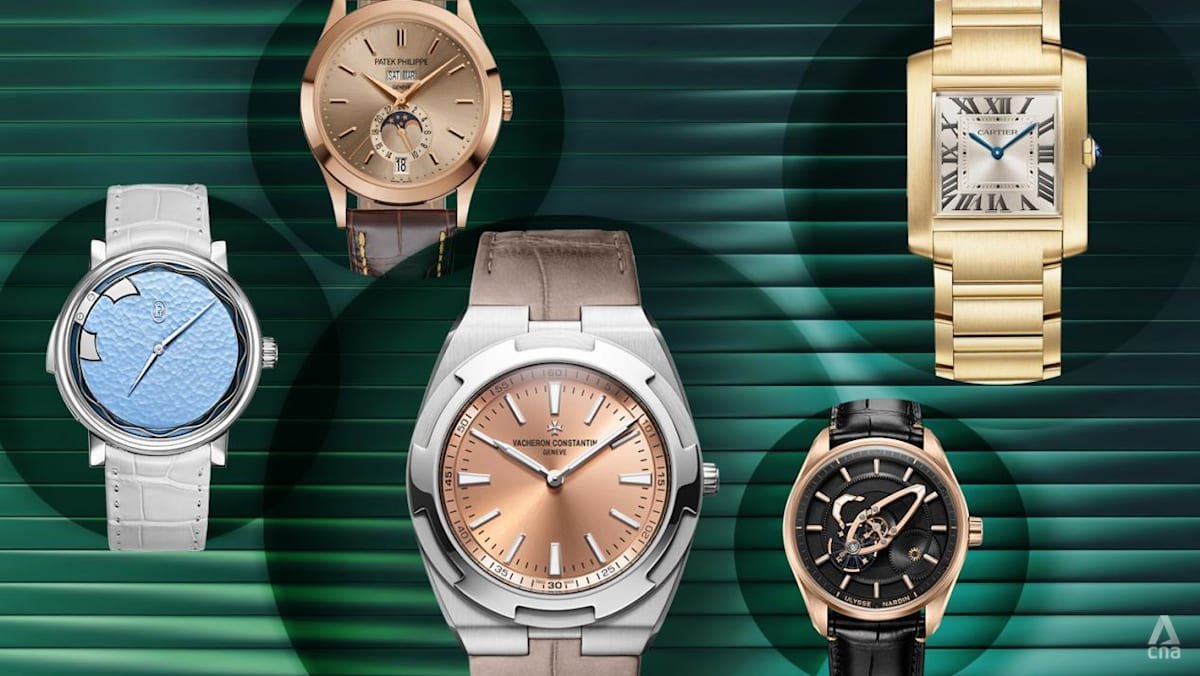
This year’s watch anniversaries celebrate more than age – they trace how bold concepts became lasting signatures. (Photos: Courtesy of respective brands; Art: CNA/Jasper Loh)
New: You can now listen to articles.

This audio is generated by an AI tool.

By
Read a summary of this article on FAST.
Get bite-sized news via a new
cards interface. Give it a try.
Click here to return to FAST
Tap here to return to FAST
FAST
The watch world is entering the second half of 2026 in a reflective mood. The death of Philippe Stern, Patek Philippe’s legendary former president, on Jun 14 was a reminder that great watchmaking is about more than great products.
It is about ambition, vision and resilience – and the people willing to defy the status quo. Stern steadfastly defended the brand’s independence, shaped its modern identity and took it to new heights.
It is perhaps fitting, then, that many of this year’s most significant anniversaries celebrate those same qualities.
Patek Philippe’s Nautilus, which turns 50, redefined the luxury sports watch, while its Annual Calendar – a relative youngster at 30 – solved a genuine horological problem. In a very different corner of watchmaking, Ulysse Nardin’s 25-year-old Freak turned an entire movement into the time display.
In ways both large and small, these watches have left an indelible mark on watchmaking, and their influence continues to shape the current generation.
TUDOR
Celebrating 100 years in 2026
Turning 100 is impressive, even in an industry as mature as watchmaking. Doing so while finally stepping out of an older sibling’s shadow is more impressive still.
Founded in 1926 by Hans Wilsdorf – the man behind Rolex – Tudor had a simple but ambitious purpose: To offer the reliability and quality associated with Rolex at a more accessible price.
For much of its history, however, Tudor lived in the shadow of its more famous sibling. From the middle to the end of the 20th century, it produced several notable watches, including the Tudor Submariner and the “Monte Carlo” chronograph, and won a following among enthusiasts. Yet it rarely commanded the same attention as Rolex.
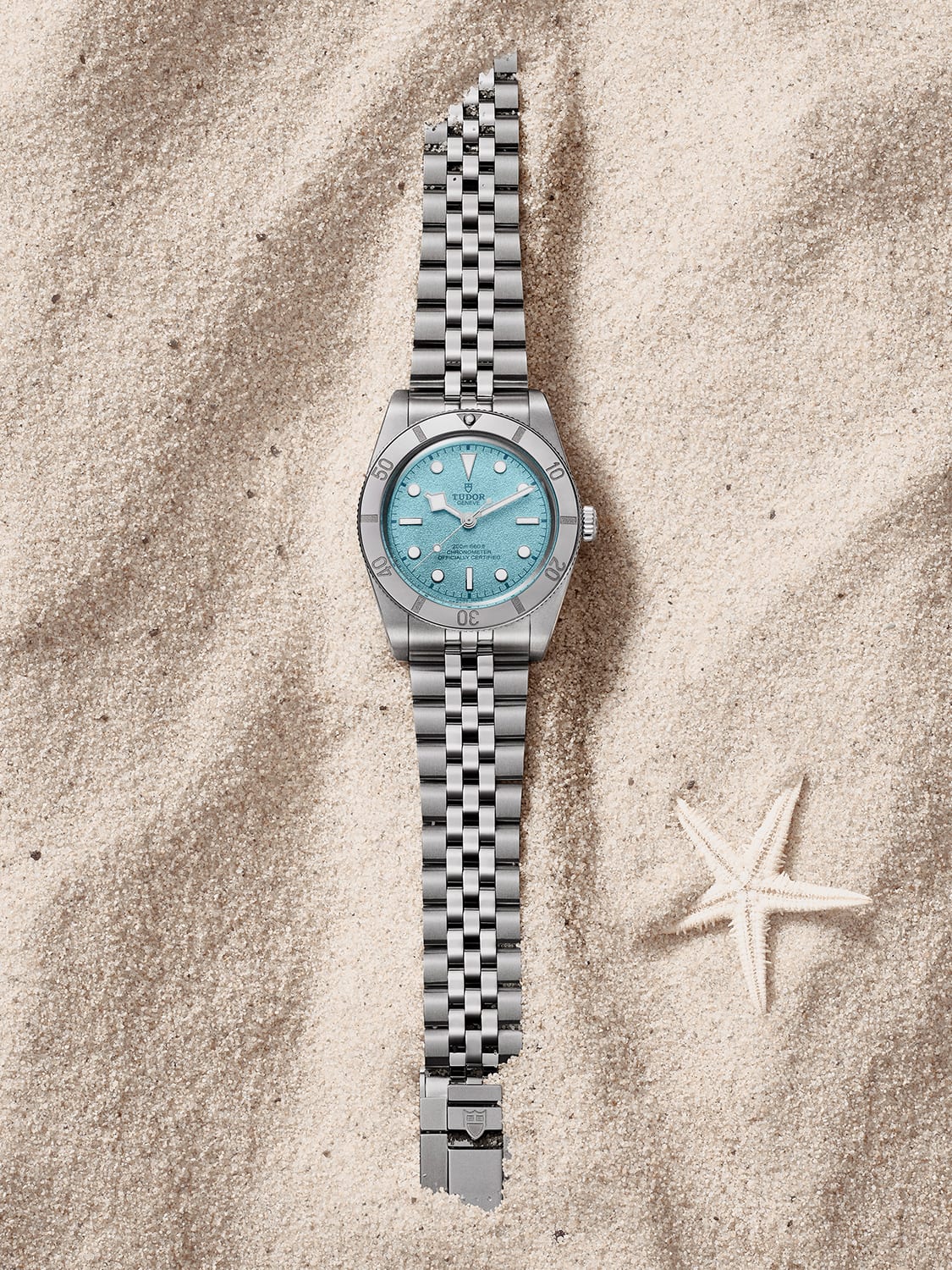
That changed in the 2010s. Rather than positioning itself as a more accessible Rolex, Tudor embraced an identity built around robust tool watches, vintage-inspired designs and increasingly sophisticated manufacture movements.
Collections such as the Black Bay, Pelagos and Ranger propelled Tudor into the spotlight and established it as a major name in its own right..
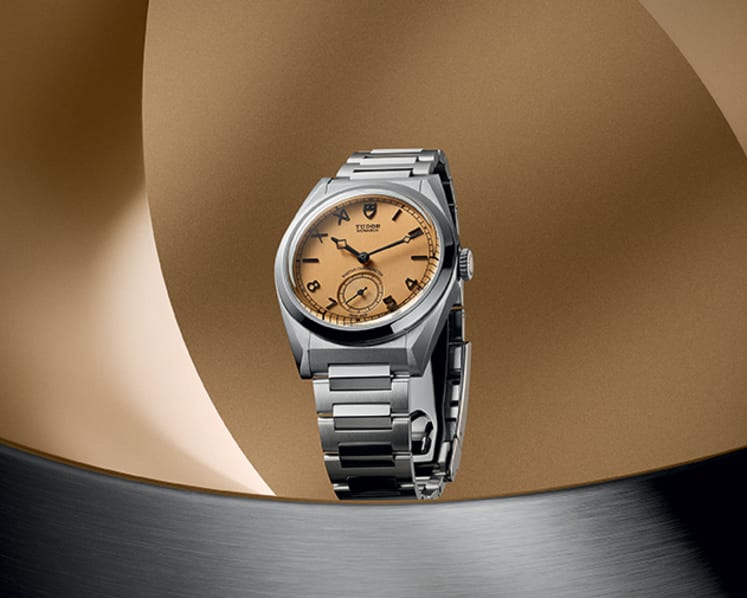
To mark its centenary, Tudor unveiled the vintage-inflected Monarch as the centrepiece of its 2026 line-up. Elsewhere, the brand expanded and refined established collections rather than chasing headline-grabbing gimmicks.
A hundred years on, Tudor no longer needs to be introduced as Rolex’s sister brand. It has earned a name – and a legacy – entirely its own.
PATEK PHILIPPE NAUTILUS
Celebrating 50 years in 2026
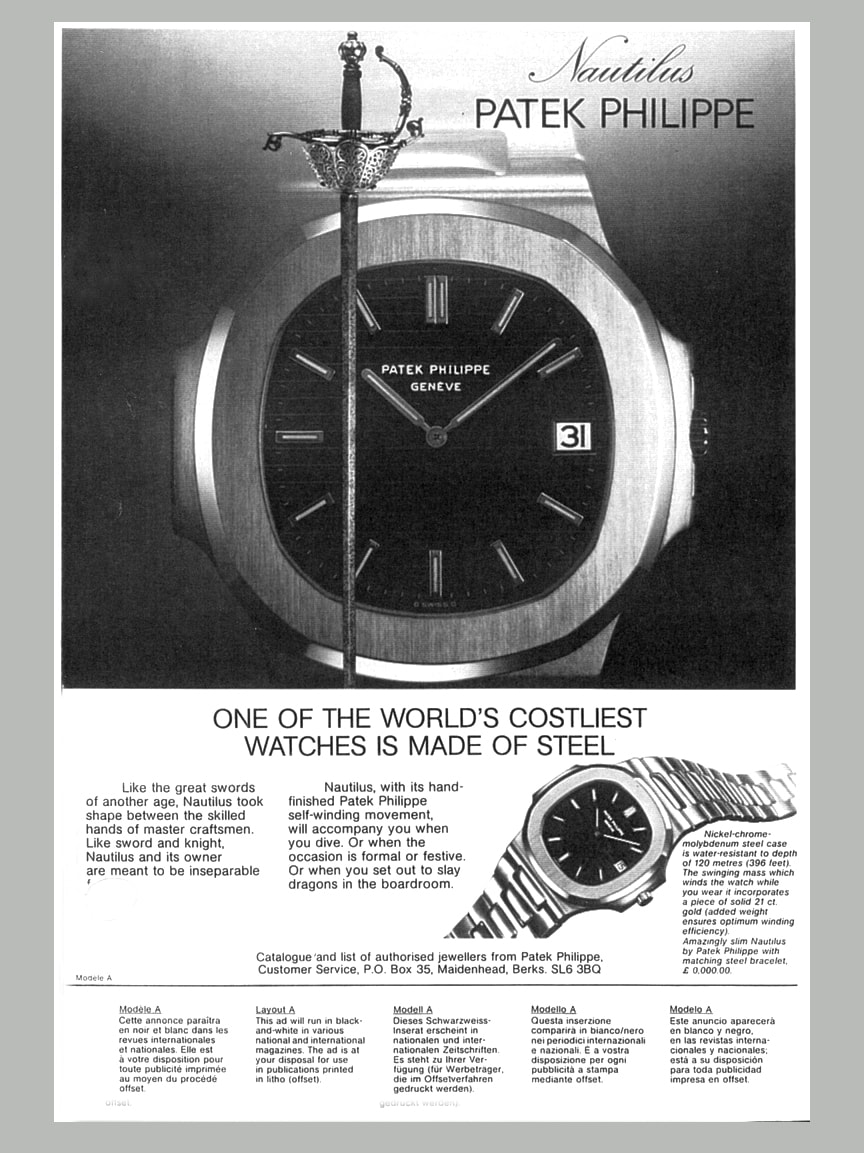
The Nautilus story will be familiar to most watch enthusiasts. Patek Philippe took a considerable risk when it launched the watch in 1976. At the time, men’s luxury watches were expected to be slim, gentlemanly creations in precious metals.
Then came designer Gerald Genta with a stainless-steel creation inspired by a ship’s porthole. More startling still was its price, which was unprecedented for a watch made from the supposedly humble metal.
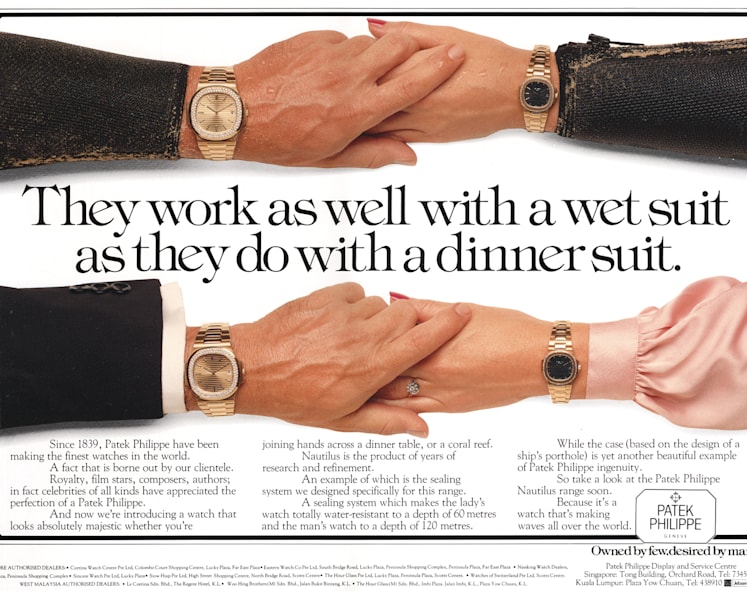
Half a century later, the Nautilus has become the watch-world equivalent of a seat at the Met Gala – universally recognised, fiercely coveted and frustratingly difficult to obtain. Its influence can be seen everywhere from high-end luxury sports watches to microbrand launches on Kickstarter.
For the Nautilus’s 50th anniversary, Patek Philippe has opted for restraint rather than spectacle. The four limited-edition references – three wristwatches and a desk clock – strip the design back to its essentials, dispensing with the seconds hand and date display for a cleaner look.
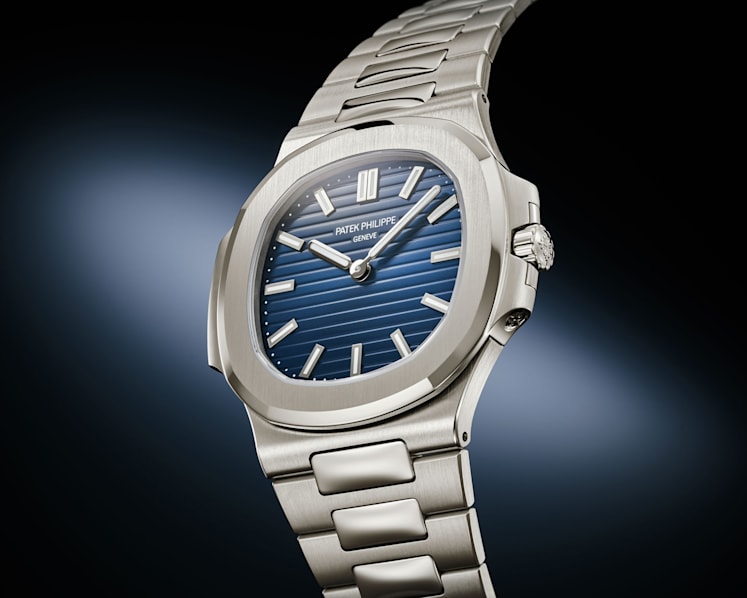
The wristwatches comprise a 41mm white gold model on a bracelet, limited to 2,000 pieces (Ref. 5810/1G-001); a second 41mm white gold version on a composite strap, limited to 1,000 pieces (Ref. 5810G-001); and a 38mm platinum model on a bracelet, limited to 2,000 pieces (Ref. 5610/1P-001).
All three wristwatches are powered by the ultra-thin Calibre 240, with a commemorative micro-rotor engraved “50 1976 – 2026”. The wildcard is a white gold, Nautilus-shaped desk clock limited to 100 pieces.
RADO INTEGRAL
Celebrating 40 years in 2026
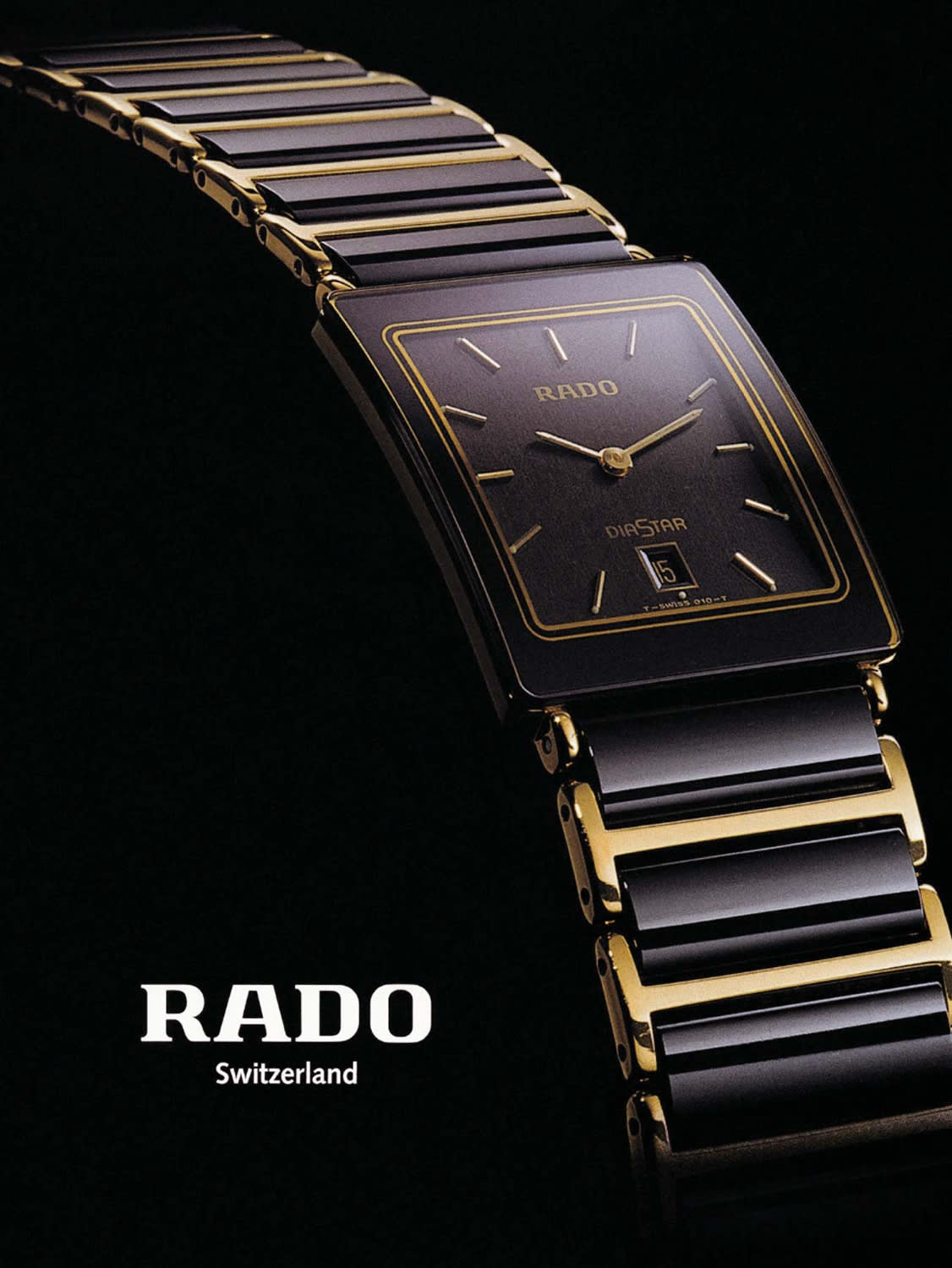
Ah, the Integral. It is one of those watches that deserves far more credit than it receives. In the 1980s, while much of the industry was still grappling with the quartz crisis, Rado was pursuing a more futuristic path, doing strange and wonderful things with ceramic.
Those experiments produced the Integral, billed as the world’s first series-produced watch to use high-tech ceramic. Lightweight, scratch-resistant and comfortable on the wrist, the glossy, space-age material offered a glimpse of watchmaking’s future.
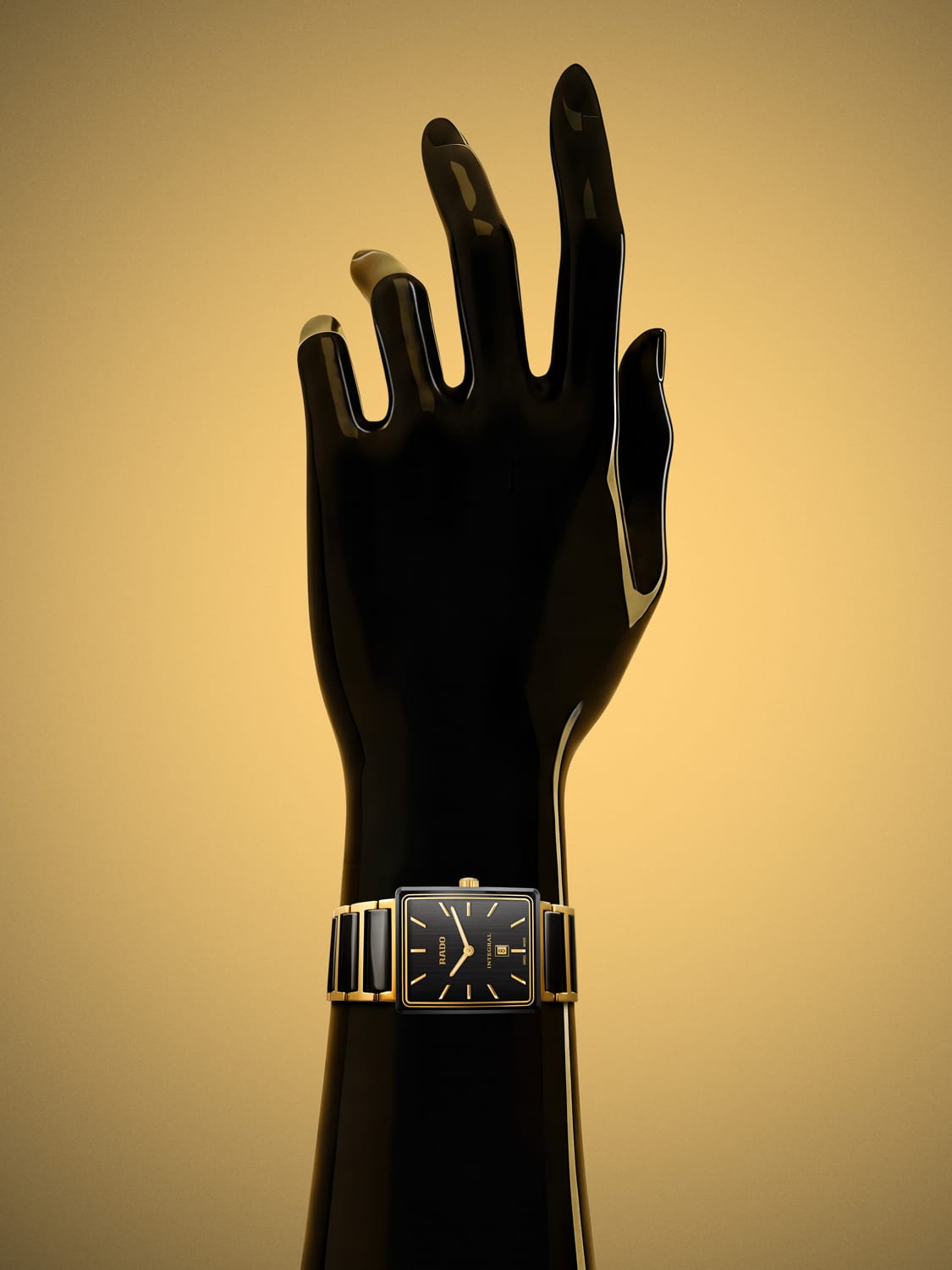
Forty years later, the Integral remains one of the most distinctive designs on the market. Its ergonomic integrated bracelet, minimalist rectangular silhouette and edge-to-edge sapphire crystal still look strikingly modern – almost as though the watch had been designed yesterday.
To celebrate the milestone, Rado has unveiled an anniversary edition that tips its hat to the original. The piano-black ceramic returns, as do the yellow gold-coloured PVD accents.
Rado has subtly adjusted the case proportions – it measures 28mm wide and 39.8mm from lug to lug – and reshaped the bracelet links to give the watch a more pronounced profile. It has also installed a modern quartz PreciDrive movement.
PARMIGIANI FLEURIER
Celebrating 30 years in 2026
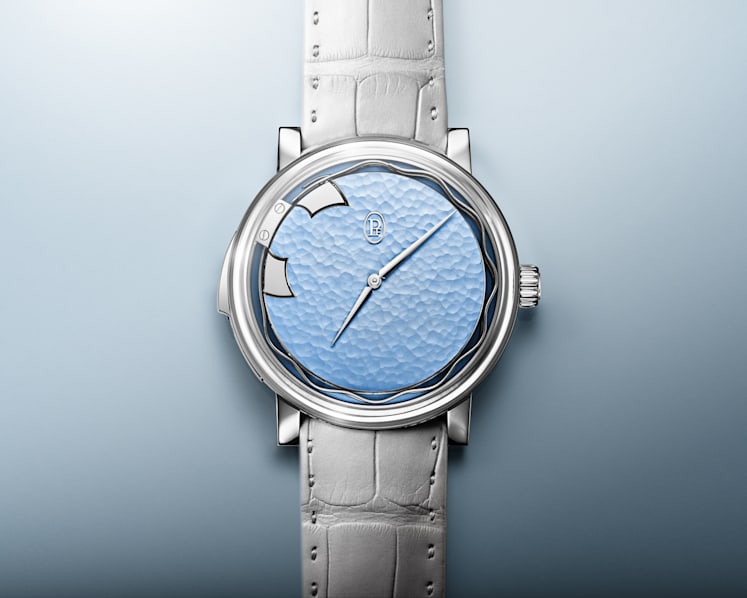
Parmigiani Fleurier is one of those low-key, insider names familiar mainly to serious watch collectors. Fewer still will know much about its short – but illustrious – history.
The company was founded in 1996 by master restorer Michel Parmigiani, who had spent decades restoring everything from clocks and pocket watches to automatons. That breadth of knowledge served the company well. Today, Parmigiani Fleurier is one of the industry’s most vertically integrated manufactures, producing many of its movements, dials and other components within its wider manufacturing network.
To celebrate its 30th birthday, Parmigiani Fleurier has done what it does best: Created watches that make seasoned collectors nod approvingly while everyone else wonders what, exactly, is going on.
Taking centre stage is the Carillon Tourbillon, a highly complicated minute repeater equipped with four gongs and a tourbillon. Limited to five pieces, it comes in a 41.6mm white gold case with a hand-hammered blue dial.
Alongside it is the Toric Anniversary Trilogy, comprising a small seconds model and a perpetual calendar, both measuring 40.6mm, as well as a 42.5mm split-seconds chronograph. Each comes in a 950 platinum case with a hand-hammered white gold dial and is limited to 30 pieces.
Rounding out the celebrations is the Tonda PF Platinum Anniversary Trilogy, comprising the GMT Rattrapante, Minute Rattrapante and Chronographe Mysterieux, all measuring 40mm. Each conceals its complication when it is not in use, giving the appearance of a simple three-hand watch. Once activated, hidden hands emerge to indicate a second time zone, mark split minutes or time an event.
CARTIER TANK FRANCAISE
Celebrating 30 years in 2026
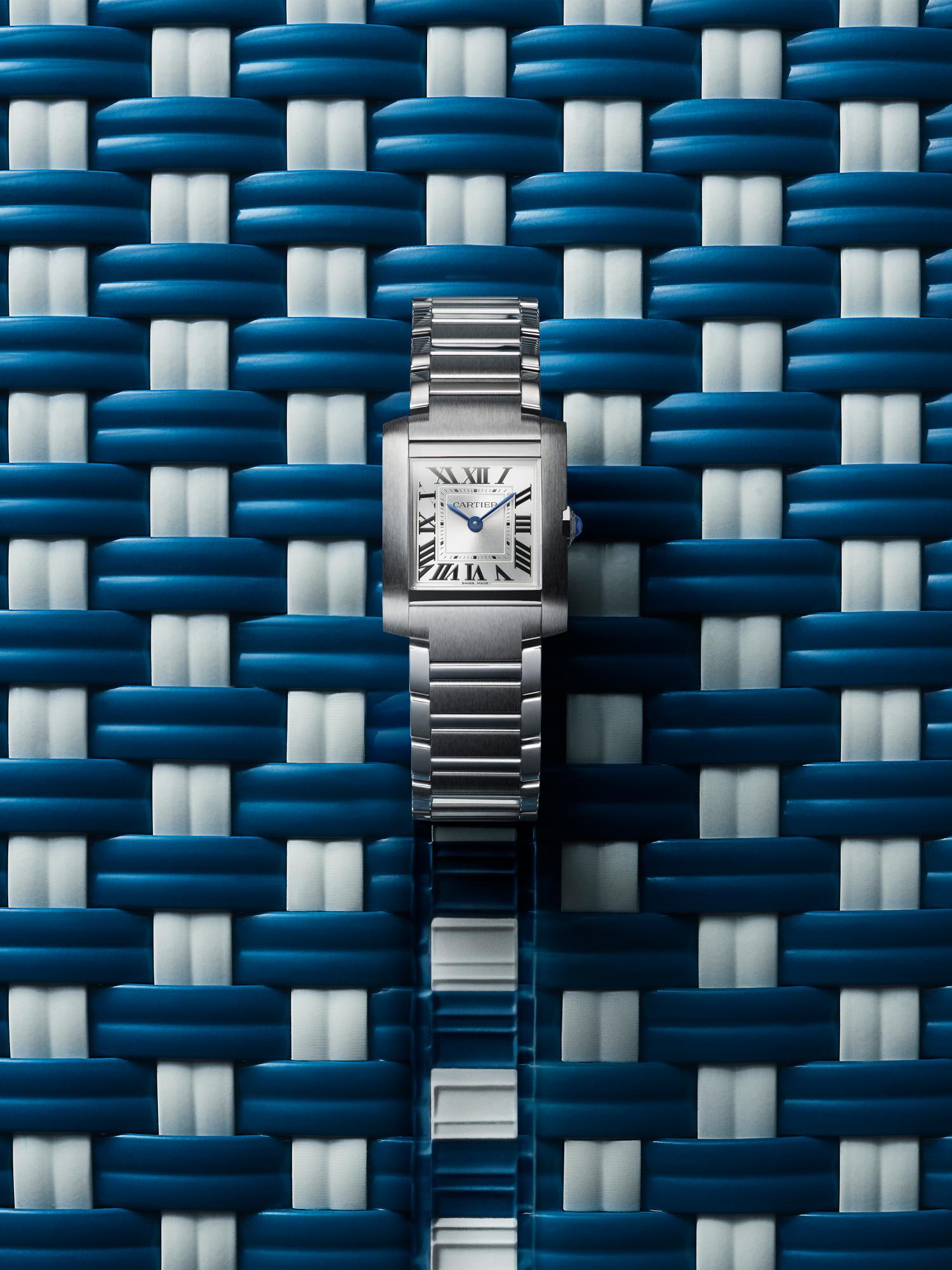
When Cartier introduced the Tank Francaise in 1996, it broke new ground within the Tank family. Earlier models were typically paired with leather straps, while the Francaise arrived with a fully integrated metal bracelet. Its bolder, squarer case also gave it greater presence on the wrist.
That combination attracted style figures around the world, most famously Princess Diana and Meghan, Duchess of Sussex. Their association with the Tank Francaise helped cement its status as one of Cartier’s defining modern designs.
Cartier has yet to announce a dedicated 30th-anniversary edition, although the year is not over.
In the meantime, the substantial 2023 refresh may offer clues to how the watch could evolve. Its seven models refined rather than reinvented the formula, introducing more integrated lugs, a subtler crown profile, enhanced finishing and updated sunray dials.
In other words, it was exactly the sort of restrained evolution one might expect from a design that was already remarkably close to the finish line.
PATEK PHILIPPE ANNUAL CALENDAR
Celebrating 30 years in 2026
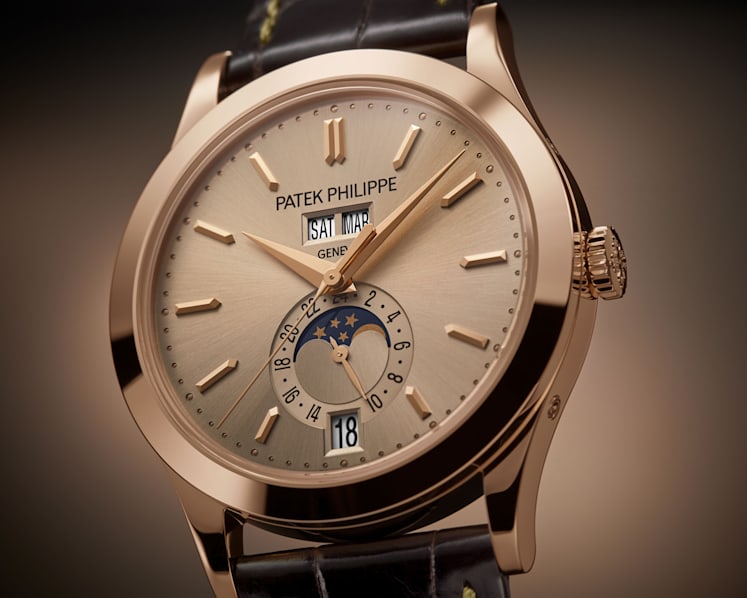
You know what they say about the little things. Patek Philippe certainly understood the assignment when, in 1996, it launched a wristwatch without triple-axis tourbillons or Westminster chimes loud enough to rival Westminster Abbey.
Instead, it solved an everyday annoyance. The result was the Annual Calendar, a world-first complication that automatically distinguishes between 30- and 31-day months and requires only one correction a year, at the end of February.
Such simplicity. Such elegance. It makes one wonder why nobody thought of it sooner. Before then, collectors who wanted a calendar watch had two main choices: Buy a basic model that required several date adjustments throughout the year or move up to a costly perpetual calendar.
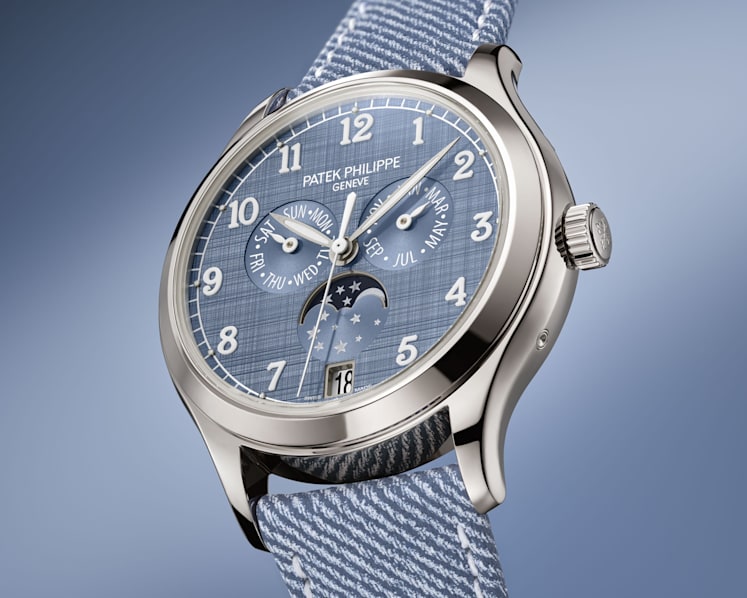
Patek Philippe’s patented solution neatly occupied the middle ground. For its 30th anniversary, the manufacture has unveiled two new references – essentially saying: “We solved a calendar problem 30 years ago. Here are two extremely tasteful reminders.”
The stately 38.5mm rose gold Ref. 5396R-016 has a sunburst sand-beige dial with a classical layout: Three windows display the day, date and month, while a subdial combines the moon phase and 24-hour indication.
The 38mm white gold Ref. 4946G-001 takes a more casual, contemporary approach, pairing a textured blue-grey dial with a calfskin strap embossed with a denim pattern. Its indications are arranged across three subdials, with a date window at 6 o’clock.
VACHERON CONSTANTIN OVERSEAS
Celebrating 30 years in 2026
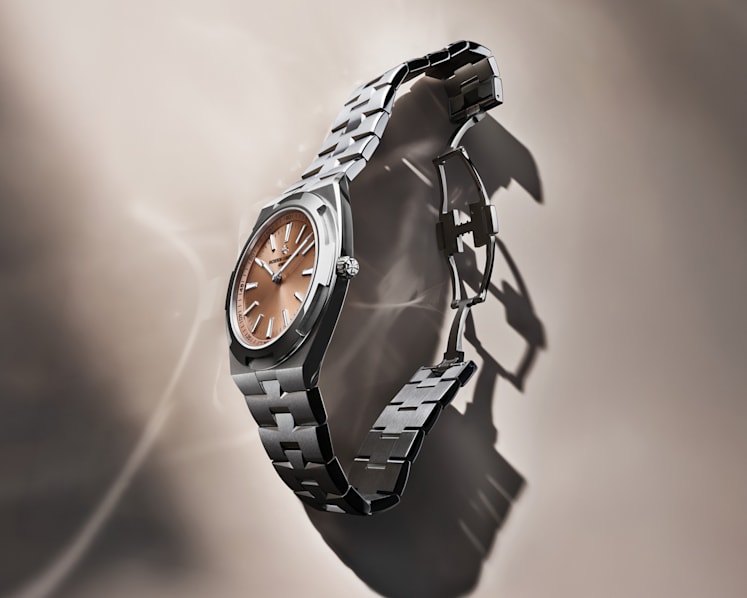
The mid-1990s was an era of accelerating globalisation, as luxury brands increasingly recognised their customers as international citizens rather than local elites. Vacheron Constantin captured that shift with the launch of the Overseas.
With its elegant appearance, robust construction and versatility, it was designed as much for the boardroom as for the airport lounge, long-haul flight or hotel lobby. In other words, it was a watch for the modern traveller.

For the Overseas’ 30th anniversary, Vacheron Constantin has taken that spirit of travel a step further. At the centre of the anniversary line-up is the Overseas Dual Time “Cardinal Points”, a quartet of 41mm Grade 5 titanium models representing the four cardinal directions.
The premise is straightforward: The watches come with white, brown, blue or green dials, each paired with a dual-time function and quick-change strap system. Easy, breezy.
Seasoned collectors, however, may gravitate towards the platinum Overseas Self-Winding Ultra-Thin, which pairs a salmon-coloured dial with the newly engineered, 2.4mm-thick Calibre 2550 and an 80-hour power reserve.
ULYSSE NARDIN THE FREAK
Celebrating 25 years in 2026
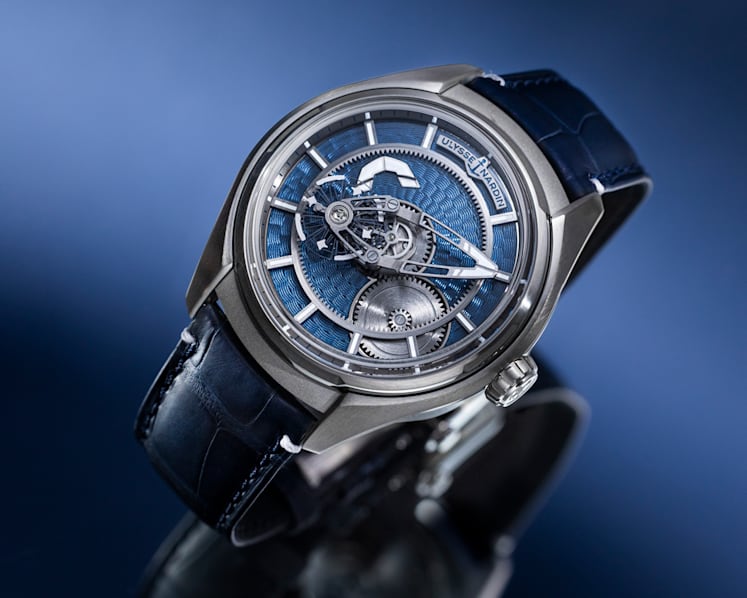
The word “disruptor” is thrown around too freely, and not always accurately. In Ulysse Nardin’s case, however, it fits – particularly when describing the arrival of the Freak in 2001.
Long-time watch enthusiasts may remember the late 1990s and early 2000s as a period when Swiss watchmaking remained largely retrospective. Many brands revisited classic designs and tried-and-tested complications, updating them with new materials, movements and proportions.
Then came the Freak, an oddball invention – from one of watchmaking’s oldest names, no less – that upended conventional ideas of what a timepiece could be. There was no dial, no conventional hands and no crown. Instead, the movement itself rotated to indicate the time, turning the mechanics into the display.
It was not merely unconventional. It was revolutionary. The original Freak also pioneered the use of silicon in mechanical watchmaking through its escapement components, helping to establish a lightweight, low-friction and antimagnetic material that has since become widely used across the industry.
Twenty-five years later, its influence extends far beyond Ulysse Nardin – itself celebrating its 180th anniversary this year.
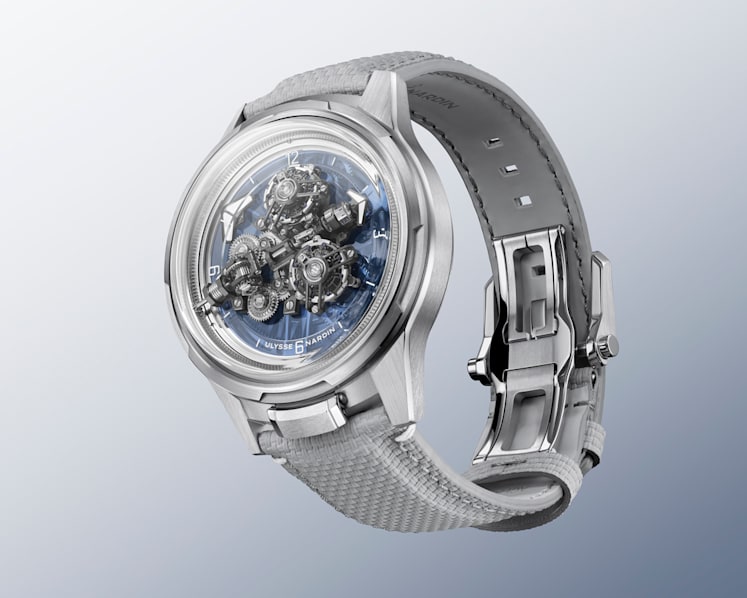
Fittingly, the brand has declared 2026 the Year of the Freak, unveiling two dramatically different interpretations of the 25-year-old icon.
At one end is the Super Freak, a 50-piece limited edition in a 44mm white gold case that pushes horological complexity to almost absurd levels. Its double-tourbillon carousel architecture, more than 500 components and several claimed micro-engineering firsts make many complicated watches look positively restrained.
At the other end is a thoroughly reimagined Freak X, now slimmer, smaller and more practical. With a new manufacture movement, improved water resistance, quick-change straps and a more wearable 41mm case, it answers a question collectors have long asked: What if the Freak could be worn every day?
With non-limited versions available in titanium, black DLC-coated titanium and 18K rose gold, many collectors may well agree.
JAEGER-LECOULTRE AMVOX2 CHRONOGRAPH
Celebrating 20 years in 2026
If the early 2000s were largely about looking back, by the middle of the decade Swiss watchmakers had turned their attention firmly towards the future.
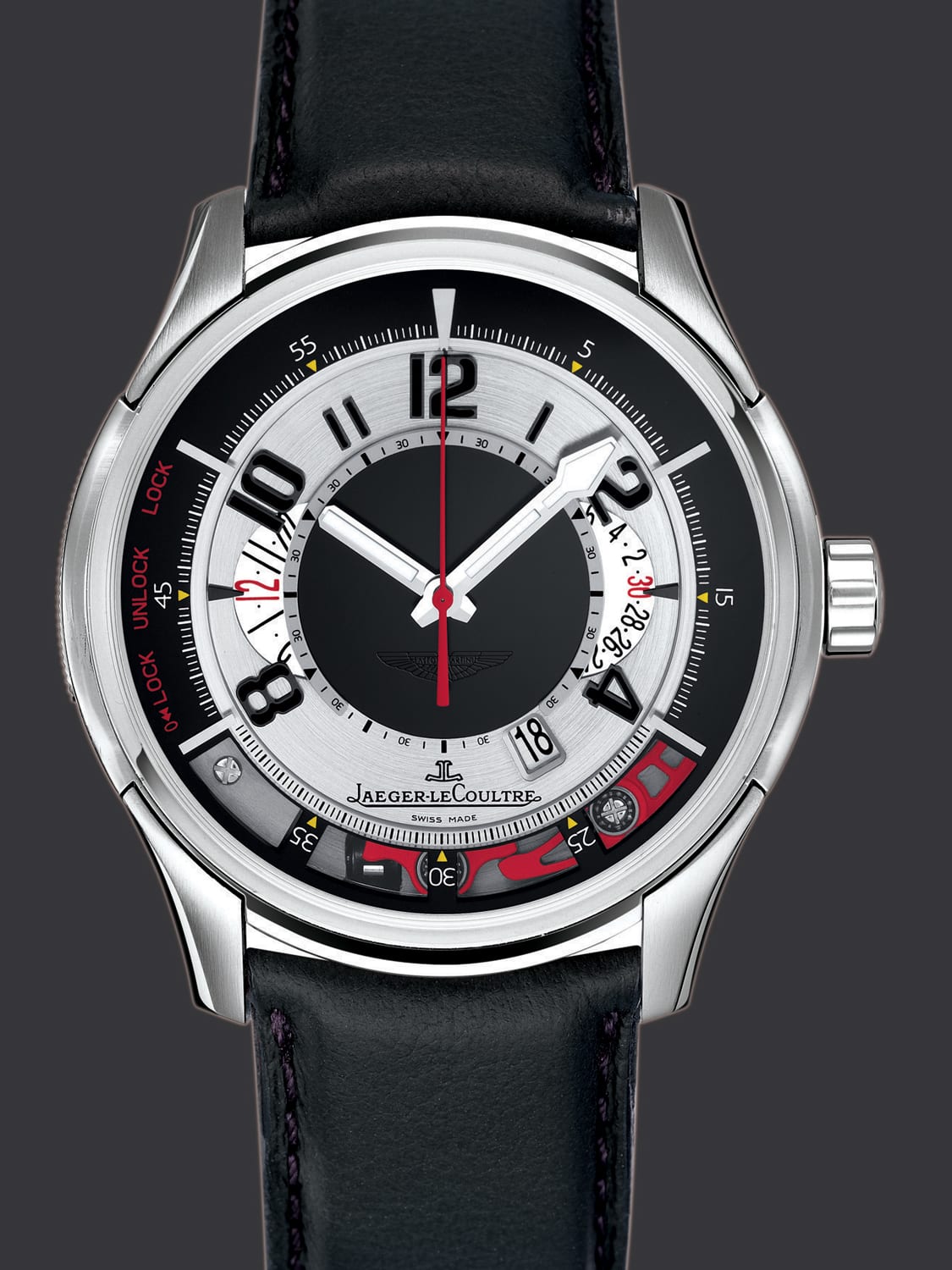
Among the innovations emerging from Swiss manufactures, one stood out: Jaeger-LeCoultre’s AMVOX2 Chronograph, introduced in 2006 through the watchmaker’s partnership with Aston Martin.
At first glance, it resembled any other sporty, automotive-inspired watch. With no visible pushers, one might have assumed that its chronograph was controlled through the crown.
It was not. Jaeger-LeCoultre had engineered an ingenious “vertical trigger” system that allowed the wearer to start, stop and reset the chronograph by pressing directly on the sapphire crystal.
Pressing the upper half of the crystal started or stopped the chronograph, while pressing the lower half reset it. The system required an elaborate articulated case construction and miniature ball-bearing mechanisms.
Twenty years later, the AMVOX2 remains a fascinating reminder of a period when watch brands were willing to take greater risks and pursue ideas simply because they were possible. It may never have become Jaeger-LeCoultre’s most famous watch, but it is undoubtedly among its most inventive.
The partnership became even more ambitious between 2008 and 2010, when Jaeger-LeCoultre unveiled the AMVOX2 Transponder, which doubled as a remote keyless-entry system for selected Aston Martin sports cars.
In other words, owners could use their watches to unlock their cars. Antennas embedded in the sapphire crystals communicated only with the specific vehicles to which the watches had been paired. It was all very James Bond – but that is another story for another day.


Source: CNA/bt
Get bite-sized news via a new
cards interface. Give it a try.
Click here to return to FAST
Tap here to return to FAST
FAST