US bond selloff resumes despite Treasury intervention
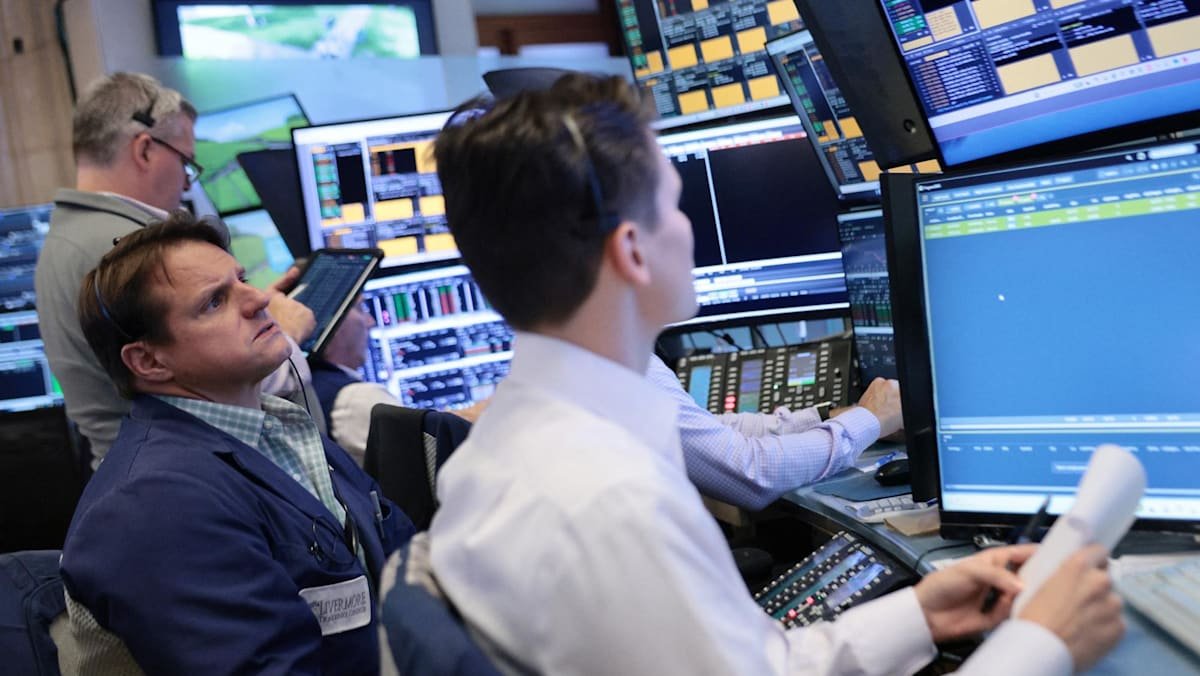
Traders work on the floor of the New York Stock Exchange during morning trading on Aug 18, 2026 in New York City. (Photo: AFP/Michael M. Santiago)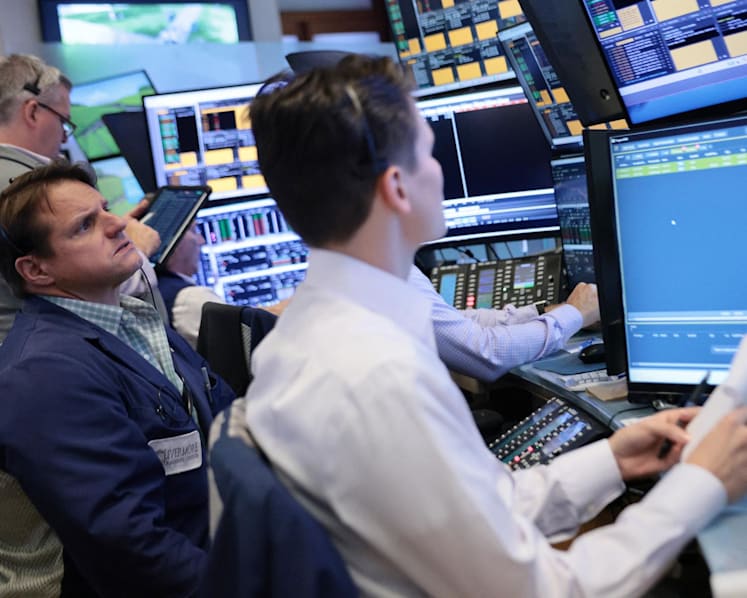
Read a summary of this article on FAST.
Get bite-sized news via a new
cards interface. Give it a try.
Click here to return to FAST
Tap here to return to FAST
FAST
NEW YORK: Yields on longterm US Treasury bonds rose Thursday (Aug 20) despite a fresh pledge from US Treasury Secretary Scott Bessent to potentially intervene further in a bid to lower borrowing costs.
All three major US indices fell decisively, following a down day on leading European bourses. Oil prices jumped more than two per cent as the US-Iran back-and-forth over the Strait of Hormuz remained stalemated.
The US Treasury Department had announced on Wednesday plans to “at least double” its sovereign bond buybacks after the 30-year yield surged Tuesday to near two-decade highs.
While the announcement had pushed rates lower on Wednesday, yields ticked higher again Thursday in a sign that analysts said showed scepticism that the plan would succeed.
In a mid-morning interview on Thursday, Bessent told CNBC that the Treasury has a “big toolkit” to address a rise in yields that it views as unmoored to financial conditions. Such measures could include increased bond purchases beyond the scale announced the day prior.
“We think that this is a thinly traded area of the market, that we’re in August, and there’s been a lot of corporate issuance that’s influenced the market,” Bessent said. “We believe that the yields don’t reflect the underlying fundamentals.”
Bessent told the network that concerns about inflation would ease once the United States gets “on the other side” of the Iran war and oil prices retreat.
The yield on the 30-year US Treasury bond bounced to 5.24 per cent, above the 5.19 per cent on Wednesday, but lower than the 5.33 peak on Tuesday.
Thursday’s increase in yields reflects the market’s view that the bond purchases “are more bandaids for deeper problems going on in the economy,” said Arun Sundaram, senior vice president at CFRA Research.

Analysts have seen the jump in yields as reflective of several dynamics, including high oil prices due to the Iran war, a surge in costly artificial intelligence investment and a flood of US government issuance because of the deficit.
Sundaram also pointed to uncertainty about new Fed Chair Kevin Warsh, who has signalled the Fed will offer less guidance on future actions.
Among US indices, the Dow fell the most at 1.3 per cent. Its biggest loser was Walmart, which slumped 9.2 percent after reporting the lowest US sales growth in six years.
Bourses in Paris and Frankfurt also retreated, while stocks in Asia rallied thanks to strong showings on Wednesday by market titans Apple, Microsoft and Amazon.
Seoul soared nearly six per cent as chipmaker SK Hynix rocketed 12.7 per cent, helped by the firm announcing a US$29 billion share buyback, and Samsung climbed more than nine percent.
Tech firms also lifted Tokyo more than one percent higher, while Hong Kong and Shanghai were also well up.
Eyes are now on next week’s annual meeting of central bankers, economists and finance chiefs in Jackson Hole, Wyoming, where investors will be hoping for some idea about Warsh’s thinking on the outlook for rates.
“The unscheduled announcement yesterday was a clear indication of the Treasury’s discomfort with the recent sell-off” of longer-date US bonds, said Fawad Razaqzada, market analyst at FOREX.com.
But “Ultimately, a more structural solution – particularly fiscal consolidation – would be needed to deliver a sustainable improvement in the bond market,” he said.
Source: AFP/fs
Sign up for our newsletters

Get the CNA app
Stay updated with notifications for breaking news and our best stories
Get WhatsApp alerts
Join our channel for the top reads for the day on your preferred chat app

Get bite-sized news via a new
cards interface. Give it a try.
Click here to return to FAST
Tap here to return to FAST
FAST