Why Bangladesh chose Malaysia and China before India for PM Rahman’s debut tour
Analysts view the decision to prioritise Kuala Lumpur and Beijing as practical rather than a direct snub of New Delhi.
New: You can now listen to articles.

This audio is generated by an AI tool.

Read a summary of this article on FAST.
Get bite-sized news via a new
cards interface. Give it a try.
Click here to return to FAST
Tap here to return to FAST
FAST
DHAKA: Bangladesh’s new leader is set to visit Malaysia and China later this month in a trip that Dhaka says reflects its independent foreign policy – with the decision to skip India seen less as a snub than a bid to strike a diplomatic balance.
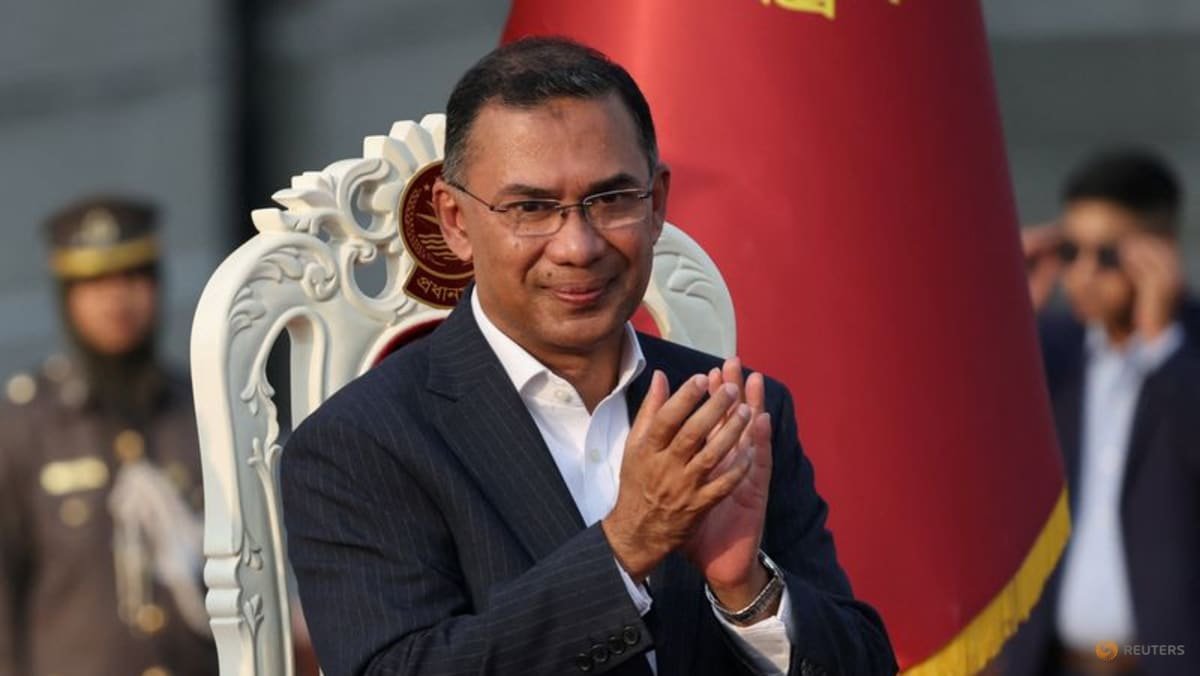
Tarique Rahman, who became Bangladesh’s 11th prime minister in February, plans to visit Malaysia on June 21–22 before a three-day official visit to China from June 23 on his first overseas trip since taking office.
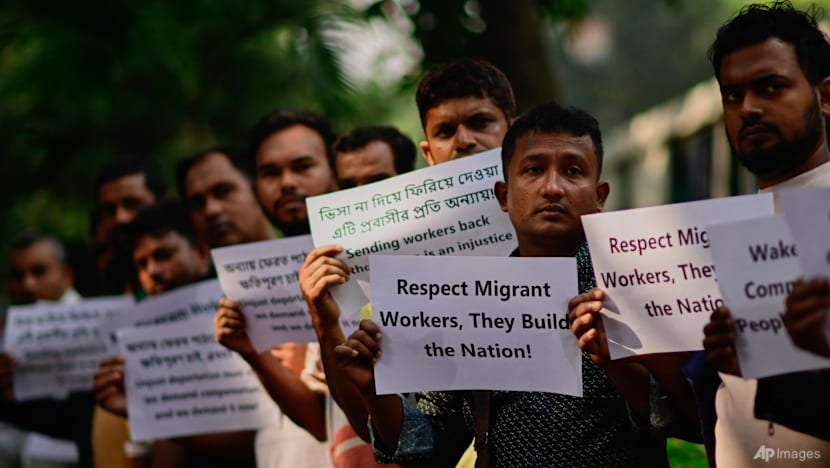
The Malaysia leg, scheduled ahead of any visit to India, is expected to focus on migrant worker welfare, labour migration, recruitment costs and legal employment channels.
Malaysia hosts around 800,000 Bangladeshi workers, accounting for some 37 per cent of its foreign workforce in the manufacturing, construction, plantations and agriculture sectors.

Guess Word
Crack the word, one row at a time

Buzzword
Create words using the given letters

Mini Sudoku
Tiny puzzle, mighty brain teaser

Mini Crossword
Small grid, big challenge

Word Search
Spot as many words as you can
In Beijing, Rahman is expected to further infrastructure projects under the Belt and Road Initiative while also seeking fresh investment in technology, renewable energy, agriculture and healthcare, according to Mohammad Shakil Bhuiyan, an assistant professor of political studies at Shahjalal University of Science and Technology in Bangladesh.
“Dhaka may also seek better financing terms and try to get some stalled projects back on track,” he said.
Analysts say the sequencing of visits reflects a deliberate “Bangladesh First” policy aimed at avoiding an early alignment with either India or China.
Ties between New Delhi and Dhaka have been strained by border tensions, unresolved water-sharing disputes and a trust deficit stemming from India’s refusal to extradite former prime minister Sheikh Hasina, who fled to the neighbouring country after mass protests in 2024.
Security studies scholar Shafi Md Mostofa, an associate professor at the University of Dhaka, said the coming visits reflected the government’s effort “to project Bangladesh as an independent foreign policy actor with diversified partnerships”, but cautioned that they did not necessarily signal a deterioration in Bangladesh–India relations.
“India remains too important a neighbour for any future government to ignore,” he said.
According to Shafi, a key objective in Malaysia would be to deepen Bangladesh’s economic integration with Asean – especially as the India-Pakistan diplomatic stand-off over Kashmir has stalled any work being done through the South Asian Association for Regional Cooperation.
He added that opportunities in AI-driven industrial development were expected to feature in discussions with Beijing.
Sohini Bose, an associate fellow at the Delhi-based Observer Research Foundation, described visiting Malaysia first as a “practical choice” that would help Dhaka avoid speculation about its geopolitical leanings.
She said Rahman’s trips were expected to build on agreements reached during former interim leader Muhammad Yunus’ visits to both countries last year – covering trade and renewable energy cooperation with Malaysia, and in China, development of the Chinese Economic and Industrial Zone in Chattogram and the modernisation of Mongla Port in southwestern Bangladesh.
Bose noted that Dhaka had turned to Delhi earlier this year for diesel supplies amid the global fuel crunch resulting from the US-Israel war on Iran, indicating Bangladesh recognised the value of stable ties.
“There is a pragmatic understanding on both sides that rebuilding Delhi-Dhaka ties should be a priority,” she said.
The coming visits are also designed to signal that Bangladesh has achieved “domestic normalcy” following the months of unrest and upheaval following Hasina’s ousting, according to Mustafa Izzuddin, a senior international affairs analyst at Singapore-based policy consultancy Solaris Strategies.
“The strategic objective is to restore economic relations with countries that matter,” he said, noting that Dhaka was seeking formal “sectoral dialogue partner” status with the Association of Southeast Asian Nations, which would allow it to engage in specific policy areas without full membership of the bloc.
Mustafa, who is also a visiting international relations professor at the Islamic University of Indonesia, added that it was only a matter of time before Bangladesh’s new prime minister visited India, which remained “vitally important” for Dhaka’s economic development.
Any Indian concerns about the order of the visits stemmed from “China threat perception and fears about losing influence”, Shahjalal University’s Mohammad said, pointing to last month’s visit to India by Bangladesh’s foreign minister as a signal that “Dhaka wants a respectful, balanced relationship”.
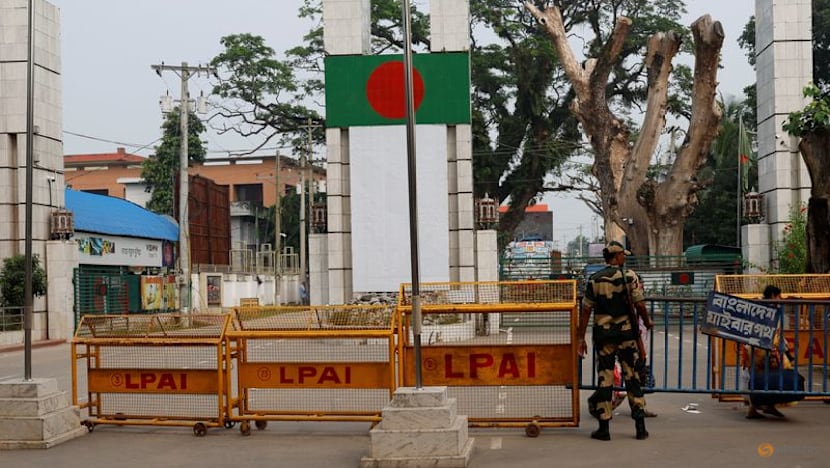
He said the coming visits “shift the focus away from the usual China-India binary and keeps things from becoming unnecessarily complicated”.
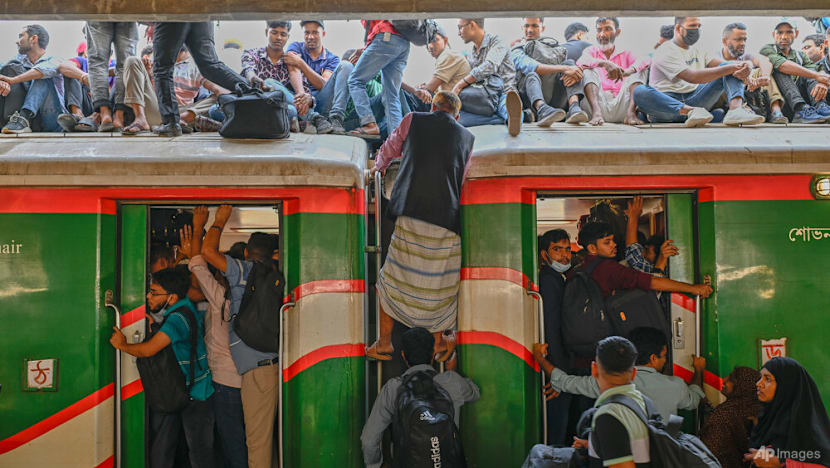
Border and migration disputes continue to weigh on ties, driven largely by undocumented crossings and alleged forced repatriations by Indian border forces.
While Delhi views such measures as essential for national security, Dhaka has insisted any deportations must follow formal verification mechanisms instead of being carried out as forced expulsions.
Strategic affairs analyst Md Himel Rahman, an international relations lecturer at the Gopalganj Science and Technology University in Bangladesh, said Dhaka was likely to push for greater access to Malaysian universities for Bangladeshi students and seek diplomatic support on the Rohingya crisis. “The reopening of the labour market is likely to be an important agenda item,” Himel said – particularly after Malaysia suspended the recruitment of Bangladeshi workers in June last year to curb rampant exploitation and human trafficking.
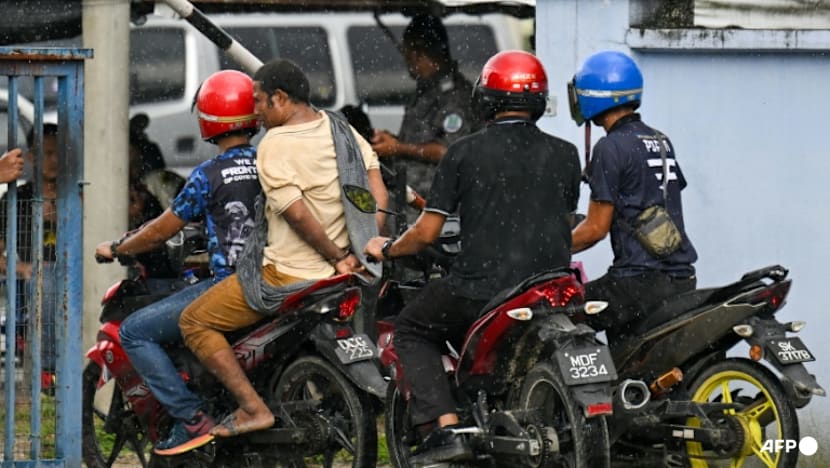
Malaysia hosts around 120,000 Rohingya refugees, who lack formal legal status in the country, while Bangladesh is home to more than 1 million Rohingya – mainly in Cox’s Bazar – placing a major financial burden on Dhaka. Desperate living conditions drive many refugees into the hands of human traffickers.
Himel added that securing more Chinese investment and soft loans would take on added urgency for Dhaka given Bangladesh’s scheduled graduation from least developed country status in 2029, alongside efforts to expand market access for Bangladeshi goods in China.
“By choosing Malaysia for the first foreign tour of the prime minister, Dhaka is sending two messages,” Himel said, with the first demonstrating “a ‘Bangladesh First’ policy” to its domestic audience and the second signalling to the international community its refusal to choose sides in the India-China rivalry.
This article was first published on SCMP.
Source: South China Morning Post/js
Sign up for our newsletters

Get the CNA app
Stay updated with notifications for breaking news and our best stories
Get WhatsApp alerts
Join our channel for the top reads for the day on your preferred chat app

Get bite-sized news via a new
cards interface. Give it a try.
Click here to return to FAST
Tap here to return to FAST
FAST
About The Author