https://p.dw.com/p/5PGagPrefer DW on Google
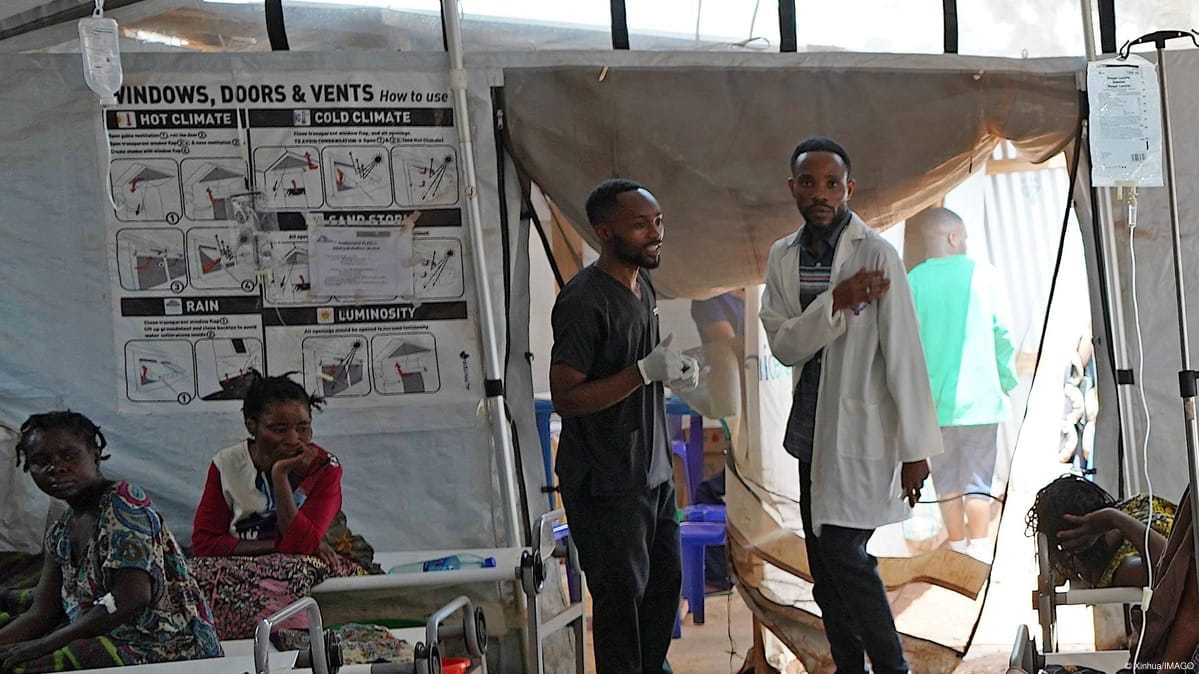
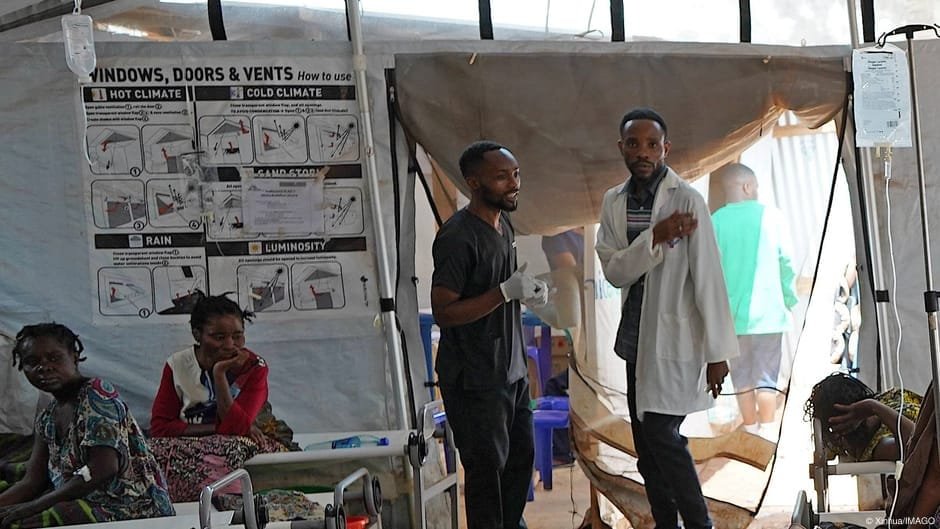
More than 60,000 cases of cholera have been recorded in the Democratic Republic of the Congo (DRC) since the beginning of the year — including 1,800 deaths.
According to World Health Organisation (WHO) Director-General Tedros Adhanom Ghebreyesus, the situation accounts for the “worst cholera outbreak in decades” in the central African country.
The mortality rate to date in 2026 stands at around 3%, which the WHO says is quite high for cholera.
Eastern DRC at particular risk
Most of the infections so far have been detected in the eastern provinces of North and South Kivu.
Both regions have long been plagued by guerilla warfare waged by a multitude of armed groups, in particular rebels belonging to the Rwanda-backed M23 militia. Parts of the region are now under the control of the insurgents, which effectively are now tasked with addressing and coordinating public health measures.
These circumstances make a nationwide, government-coordinated response to the epidemic significantly more difficult, especially in North and South Kivu.
At the same time, the DRC is also facing the deadliest Ebola outbreak in its history, making public health one of the main priorities at the moment.
Millions worried across megapolis Kinshasa
Following the cases in North and South Kivu, further reports of cholera emerged along the Congo River basin. Most recently, three cases were reported in Kingabwa in the east of Kinshasa. Many worry that now, the ongoing rainy season could further facilitate the spread of the waterborne disease.
Fears of another cholera outbreak now feel palpable on the ground. One resident in the Kingasani district of the capital Kinshasa told DW that many people “are afraid.”
“We wash our hands after every contact. Cholera is a disease that kills quickly,” the man said, not wanting to share details about his name or identity.
Another resident meanwhile told DW that he was concerned because “there are no health authorities in Kinshasa” — although strictly speaking, this isn’t true.
Kinshasa’s health authority, Division Provinciale de la Sante (DPS), is either unknown to some residents or does not have a good reputation following previous public health crises.
During the last outbreak in February 2026, over 80% of infections were concentrated in the five Kinshasa health districts of Limete, Kingabwa, Kalamu II, Binza Ozone as well as Kingasani.
The WHO fears that the diarrheal disease could spread once again across the densely populated capital city, and that the DPS could become overwhelmed.
MSF: Protective measures needed across DRC
The Deputy Country Coordinator of Doctors Without Borders (MSF) in the DRC, Esther van der Woerdt, told DW that “the underlying problem often is the lack of access to safe drinking water and adequate sanitation,” adding that “poor hand hygiene can also contribute to transmission.”
“Cholera is primarily transmitted through the consumption of water or food that has been contaminated with the bacterium,” van der Woerdt explained, stressing that MSF had significantly strengthened its response to the cholera outbreak, especially across North and South Kivu.
“Our response is providing medical care, providing access to safe drinking water to sanitation, as well as cholera prevention in the communities,” she added.
However, in her view, this was not enough.
Instead, she argued, authorities across Congo need to move away from their predominantly reactive approach to outbreaks, and focus on investing more in prevention.
Cholera: A life-threatening illness if left untreated
Cholera leads to rapid dehydration and can, without sufficient medical care, be fatal — especially among vulnerable individuals and in overpopulated, poor communities.
Bernard Nsongolo, a senior doctor at a health centre in eastern Kinshasa, urges everyone living in such high-risk circumstances to “significantly step up hygiene measures.”
“Drink safe water, especially treated water that is well protected,” he told DW, stressing also that all food should be cooked thoroughly, and that raw vegetables and unpeeled fruit should be avoided.
Esther van der Woerdt also calls for urgent action, emphasizing the importance of treating water through chlorination, protecting water sources from contamination, and rehabilitating and maintaining water systems.
Furthermore, van der Woerdt remains a keen advocate of oral vaccination campaigns against cholera. Though efficiency rates might be limited, the vaccines can nevertheless provide another important layer of protection, particularly in high-risk communities, she said.
However, there’s one challenge which seems to permeate much of the DRC: “Some areas … simply have no access to health care at all,” van der Woerdt said.
“In some areas, transporting supplies can cost approximately $15,000 (€13,500) per truck, and this can take several months due to difficult access routes and insecurity,” she added.
With that in mind, van der Woerdt told DW that for the time being, the official response to meet the scale of needs remains highly insufficient, particularly in underserved areas of the country. “Under these circumstances, communities in the DRC will continue to remain vulnerable to repeated cholera outbreaks.”
DW correspondent Jean Noel Ba-Mweze (Kinshasa) contributed to this report.
To view this video please enable JavaScript, and consider upgrading to a web browser that supports HTML5 video