Far from home, Ukrainians abroad mark 35 years of independence as war with Russia drags on
For 70,000 displaced Ukrainians living in Belgium, the hope of returning home remains, even as escalating Russian attacks and air-defence shortages put fresh pressure on Kyiv’s European allies.
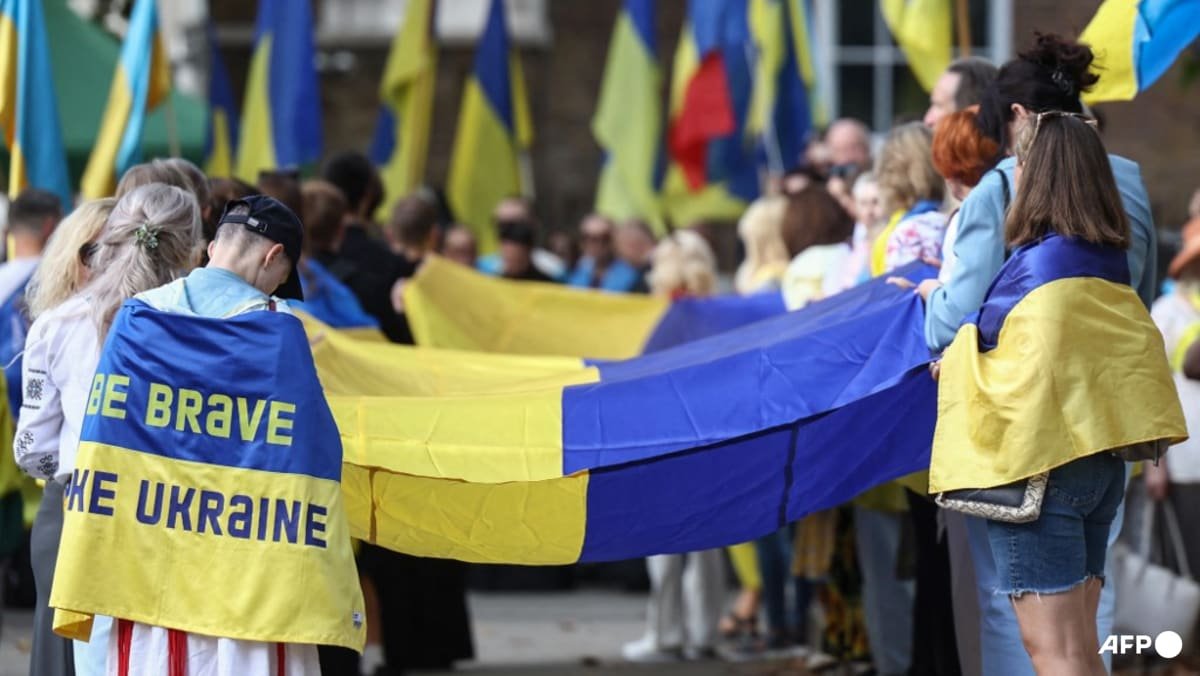
Participants hold Ukraine flags during a rally outside Downing Street in central London on Aug 23, 2026, to mark Ukraine’s 35th anniversary of independence on Aug 24. (Photo: AFP/Toby Shepheard)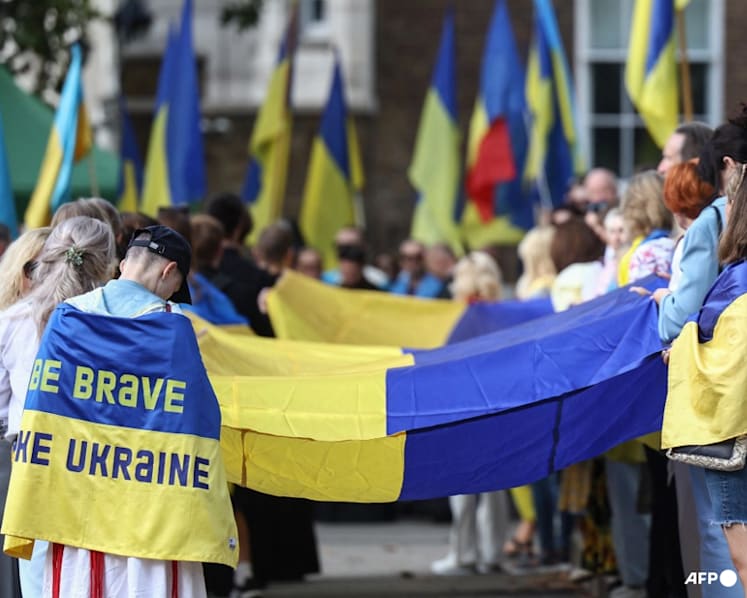
New: You can now listen to articles.

This audio is generated by an AI tool.

Read a summary of this article on FAST.
Get bite-sized news via a new
cards interface. Give it a try.
Click here to return to FAST
Tap here to return to FAST
FAST
BRUSSELS: Thirty-five years after Ukraine declared independence from the Soviet Union, the country is still fighting to preserve its sovereignty.
Ukraine’s Independence Day on Monday (Aug 24) falls exactly four-and-a-half years after Russia launched its full-scale invasion in February 2022.
For the millions of Ukrainians displaced by the war, the anniversary is both a celebration of the country they left behind and a reminder of what is still at stake.
“It’s a day where we understand that we stay in war,” said Misha Dzivitskyi, president of the Brussels-based Ukrainian Voices Refugee Committee (UVRC), which supports Ukrainians in Belgium.
“We continue to be strong. It’s difficult, but it’s a moment where we understand that we have independence.”
BUILDING LIVES AWAY FROM HOME
In Belgium, some 70,000 displaced Ukrainians are still living under the European Union’s temporary protection scheme, which allows them to live and work in the bloc and has been repeatedly extended as the war drags on.

Guess Word
Crack the word, one row at a time

Buzzword
Create words using the given letters

Mini Sudoku
Tiny puzzle, mighty brain teaser

Mini Crossword
Small grid, big challenge

Word Search
Spot as many words as you can
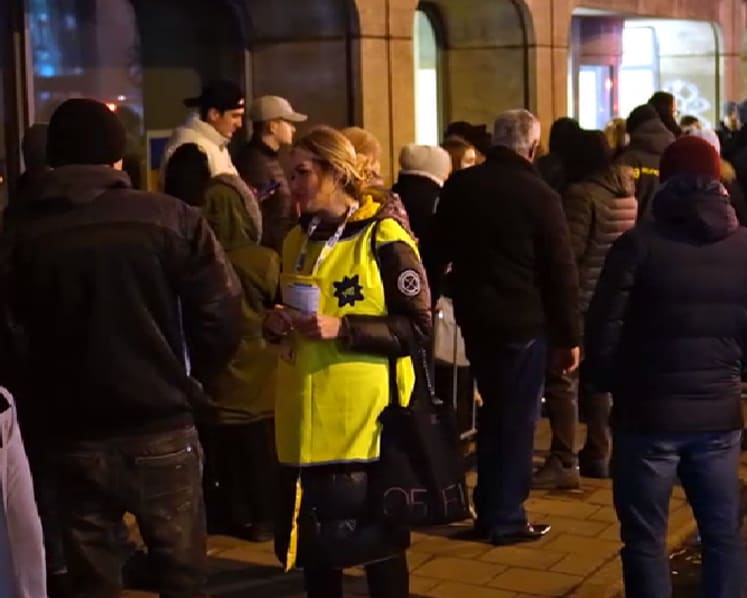
The UVRC, created just months after Russia’s invasion, continues to help displaced Ukrainians navigate life in Belgium, including with housing and employment, social services, language courses and psychological support.
But the longer the conflict continues, the harder the notion of “temporary” becomes, particularly for families whose children are growing up in Belgium.
“For big families where a child starts to live here and (goes to) school, it’s more difficult,” Dzivitskyi said.
Many families still want to return to Ukraine, he added, but the ongoing war and difficult conditions there have made that prospect increasingly uncertain.
EUROPE’S SUPPORT UNDER PRESSURE
The question of continued European support is also in focus in Kyiv, where Ukraine is hosting key European backers on Monday for talks on securing more air-defence supplies and increasing pressure on Russia.
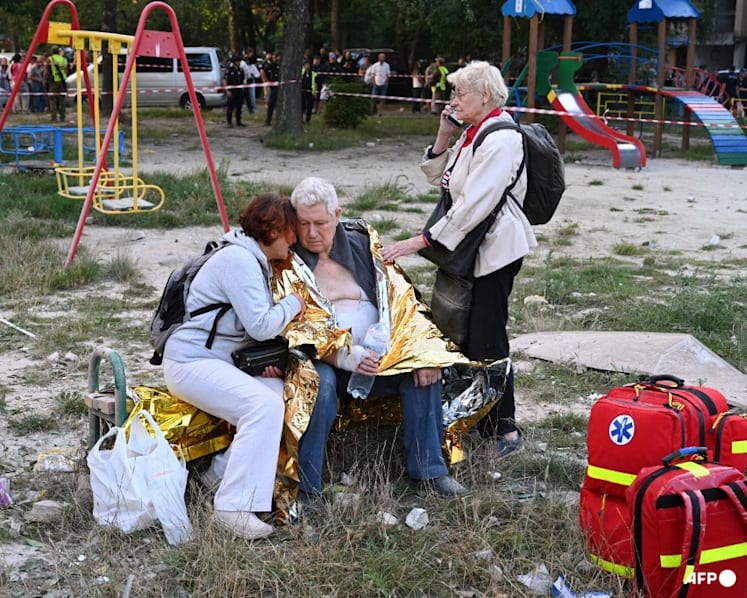
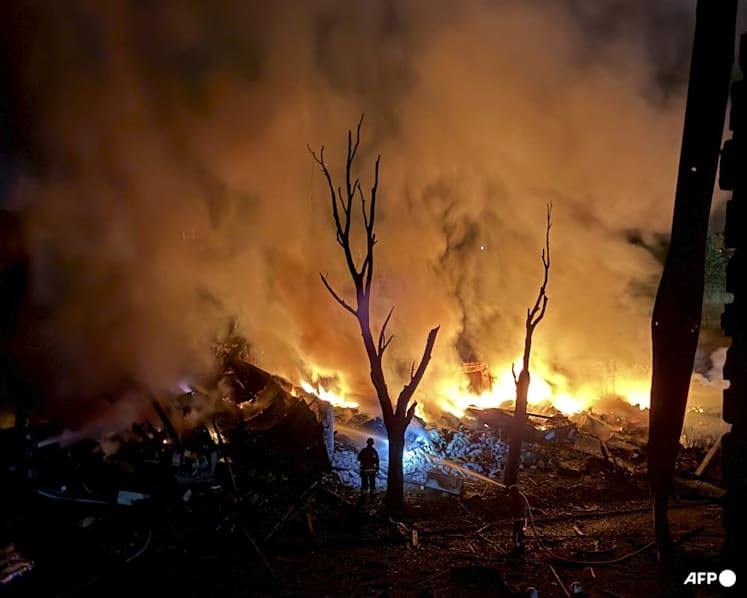
The talks come amid an escalation in Russian attacks, with Moscow pounding Kyiv with ballistic missiles in recent weeks.
The EU has repeatedly stressed that Ukraine’s security and Europe’s are closely linked.
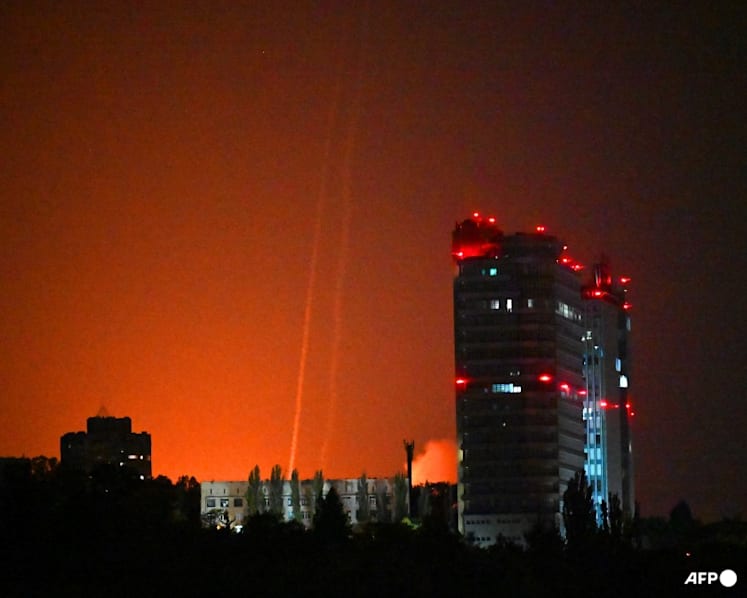
But political backing is one thing; having the military capacity to translate that support into what Kyiv needs is another.
Ukraine remains heavily reliant on the United States for critical air defences, but Washington is facing its own missile shortfall amid the war with Iran, increasing pressure on European countries to help fill the gap.
“The biggest bottleneck of air defence is anti-ballistic capacity, and it’s not only (a) Ukrainian problem,” said Lesia Orobets, founder of air defence advocacy group Price of Freedom and a former Ukrainian member of parliament.
She warned that Europe lacked sufficient capacity to intercept ballistic missiles should Russia turn such weapons against European capitals.
BEYOND THE BATTLEFIELD
Weapons are only one part of that support.
The EU has also provided billions of euros to help keep Ukraine’s economy afloat, while imposing successive rounds of sanctions targeting Russia’s financial sector, energy revenues and its so-called shadow fleet of vessels used to circumvent restrictions on Russian oil.
But maintaining pressure on Moscow has become increasingly difficult.
Phasing out Russian energy comes at a cost, and not every EU member state has been equally willing to bear it.
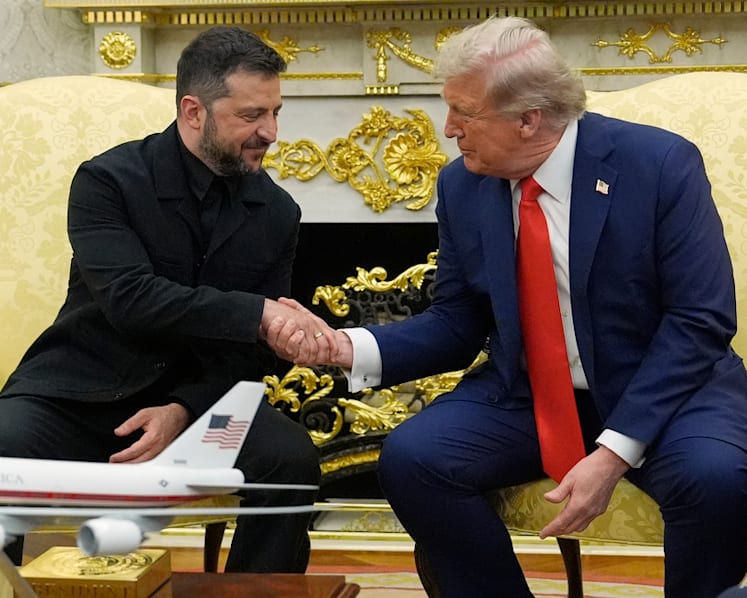
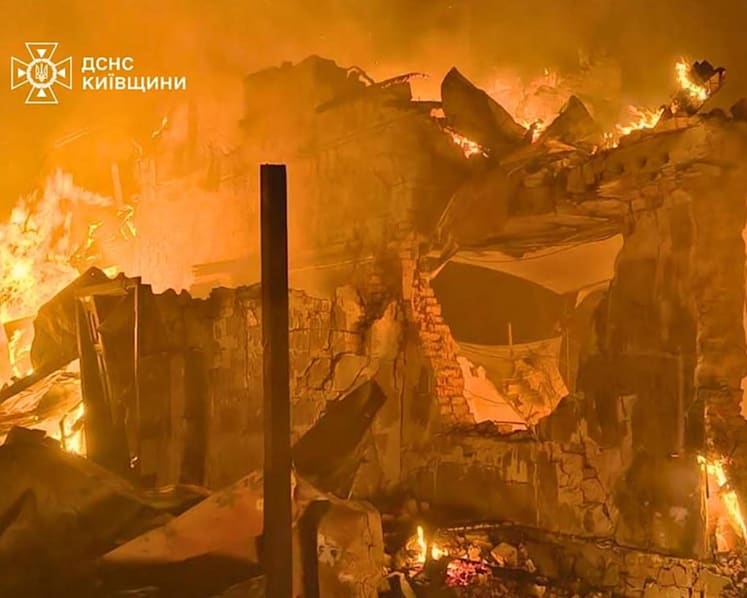
Enforcement is another challenge. Ukraine says Russia continues to find ways around sanctions, including obtaining foreign components that can ultimately be used to produce weapons.
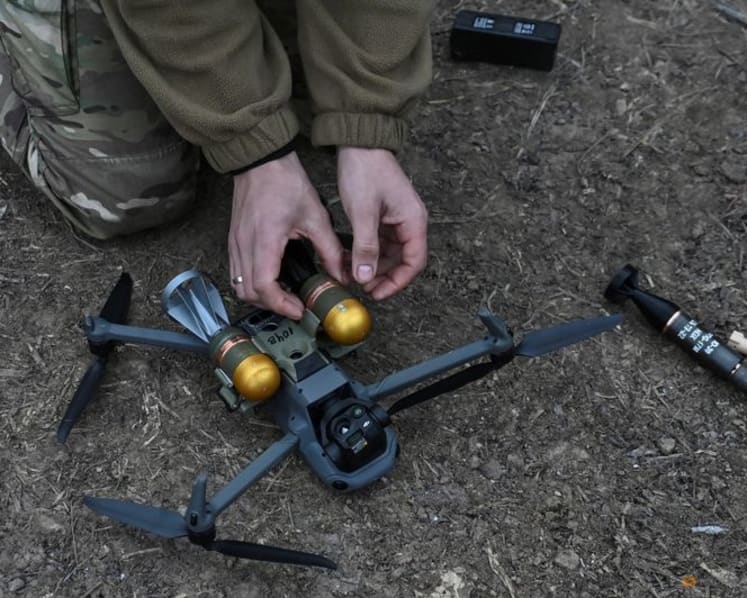
“Destroying each and every agent, companies and allies used by Russia to smuggle the spare parts, which will then become missiles and drones, is something that we’ll have to do our homework together with our allies,” Orobets said.
For Kyiv, that is work Europe cannot afford to leave undone.
As Ukraine marks 35 years of independence, the question of how long its European allies can sustain their support carries implications not only for the course of the war, but for the security of the wider region.
Source: CNA/mp(dn)
Sign up for our newsletters

Get the CNA app
Stay updated with notifications for breaking news and our best stories
Get WhatsApp alerts
Join our channel for the top reads for the day on your preferred chat app

Get bite-sized news via a new
cards interface. Give it a try.
Click here to return to FAST
Tap here to return to FAST
FAST