


9/11: The inside story of the restaurant workers on the top floor, 25 years on
Twenty-five years ago, 73 employees of the top-floor restaurant in the World Trade Center’s North Tower were trapped and left fighting for their lives on 9/11. Many of them were Asian migrants, seeking a better future. This is their story.
A group shot of staff at Windows on the World, the iconic restaurant at the top of the World Trade Center’s North Tower.
New: You can now listen to articles.

This audio is generated by an AI tool.

Read a summary of this article on FAST.
Get bite-sized news via a new
cards interface. Give it a try.
Click here to return to FAST
Tap here to return to FAST
FAST
NEW YORK: On Sep 11, 2001, Jupiter Yambem needed to be at work at about 6am. As he left home, the 41-year-old kissed his wife goodbye. He always did.
What was different that Tuesday from most of the days that had come before was the early start. He used to work the night shift, leaving home in the afternoon and returning at 2am or later.
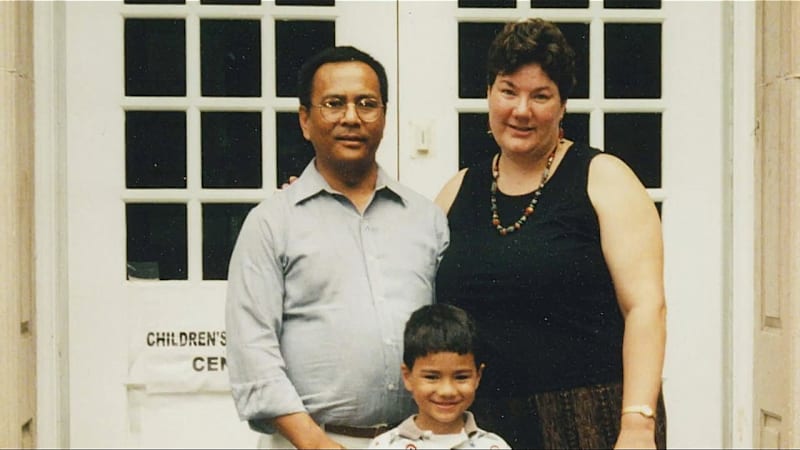
His son, Santi, was five at the time. His wife, Nancy Yambem, was working full-time.
“I felt like a lot of that child rearing was on me. So about a week before 9/11, we decided together that it’d be best if he worked …” she trailed off, wiping the tears from her cheeks.

Guess Word
Crack the word, one row at a time

Buzzword
Create words using the given letters

Mini Sudoku
Tiny puzzle, mighty brain teaser

Mini Crossword
Small grid, big challenge

Word Search
Spot as many words as you can
“… if he worked the morning shift, because he wanted to spend more time with his son.”
He was a banquet manager at Windows on the World, the dining and conference complex sitting at the top of the World Trade Center’s North Tower.
Often profiled in magazines, it was world-famous for its food and views. The whole of New York City could be seen from its windows.
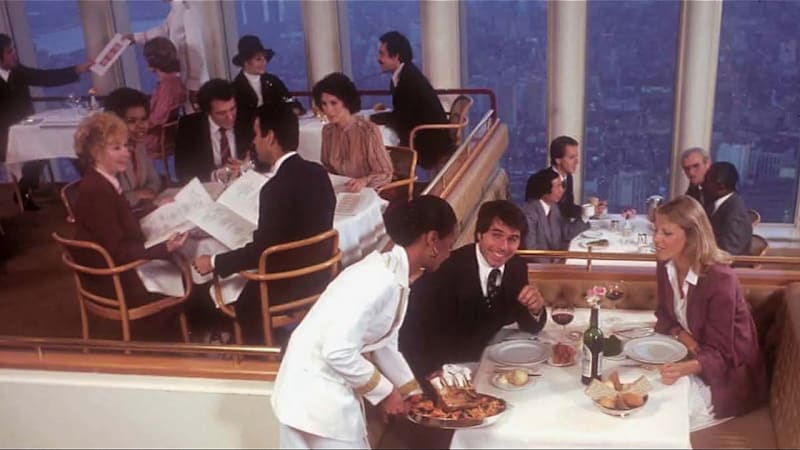
New York was where Jupiter built his career after coming to America at age 21 from Manipur state in northeast India. Young and ambitious, he worked in Manhattan’s biggest hospitality venues before reaching the jewel in its culinary crown.
“He loved his job,” said Nancy, 65. “He loved doing it well. Between celebrity events, weddings, elaborate affairs, he made sure that everyone that he served and that his staff served had the ultimate best experience that they could.”
The Windows complex occupied 50,000 sq ft of space, nearly the size of an American football field. On the 107th floor were two restaurants, a wine cellar and a bar named the Greatest Bar on Earth.
On the 106th floor were conference rooms, banquet halls and the company’s corporate offices. In total, the complex was staffed by over 400 people.
As a former Windows hostess, Nathalie Tolentino remembers that when people walked in, many of them would “immediately run to the windows to look at the city”. She said: “It was magical. You could see it in their eyes.”
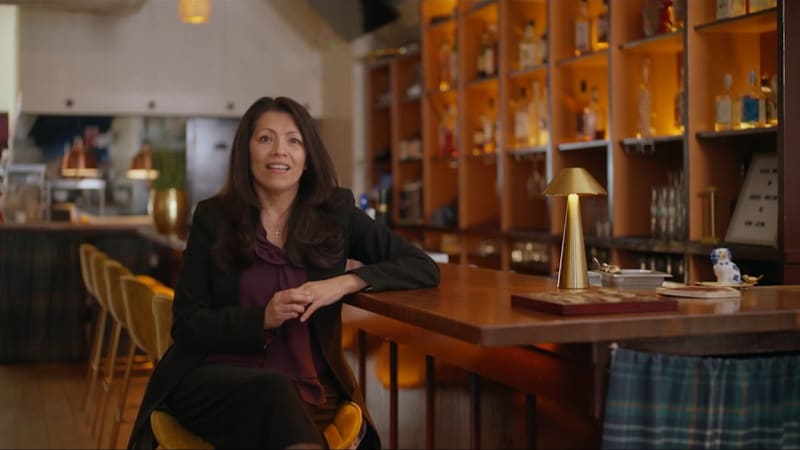
She was working the night before 9/11 and helped to close the restaurant. “I didn’t think that was going to be the last time I’d see the restaurant as it was: beautiful, on top of the world,” she recalled.
The next morning, another Windows employee, Chen Yu Li, was planning to leave home 30 minutes early to reach her office, where she worked as a secretary, at 8.30am. Her daughter, nine, was waiting for her as she got ready.
“She had very beautiful long hair, and she asked, ‘Mummy, can you braid my hair, please?’” Yu Li recounted.
“I just took my time. By the time I looked at the time, it was almost … my regular time to (go to) work.”
At 8.46am, American Airlines Flight 11 crashed into the North Tower, ripping through the 93rd to 99th floors, leaving 73 restaurant workers trapped above the impact zone.
The documentary, Windows On The World, tells the story of those whose lives have irrevocably changed and those who narrowly escaped.
WATCH: Trapped above 9/11 impact zone — The inside story of 73 restaurant workers (46:16)
THE PEOPLE WHO WORKED THERE
The restaurant was a diverse company, with immigrants from more than two dozen countries, such as the Philippines and India.
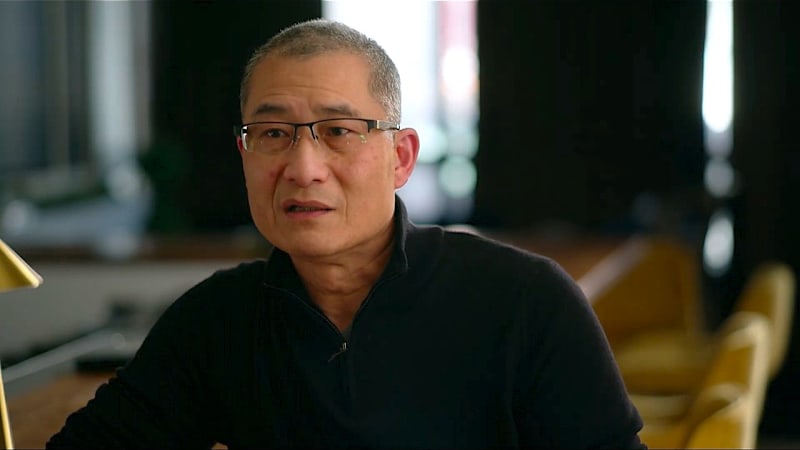
There was sushi chef Richard Fong, whose family was from Hong Kong. They immigrated to the United States in 1983, when he was 13.
“Once I got the job at Windows, my mum was like, ‘Let’s buy me a house! You made it!” he recalled.
That’s the American dream that we all thought about when we first moved here. We’re going to buy a big house, have a yard, have a dog, a nice car.”
Once he started working, he saw what the American dream really was. “You work, you get paid, and you pay bills,” he said with a chuckle.
Still, he “loved everything” about his job at Windows, where the food and wines were “out of this world”.
“(It) didn’t matter if you were a superstar or you were just an average Joe who came up — you always got the same service from us,” he said.
“We spent so much time together at Windows on the World, it just naturally felt like a second family.”
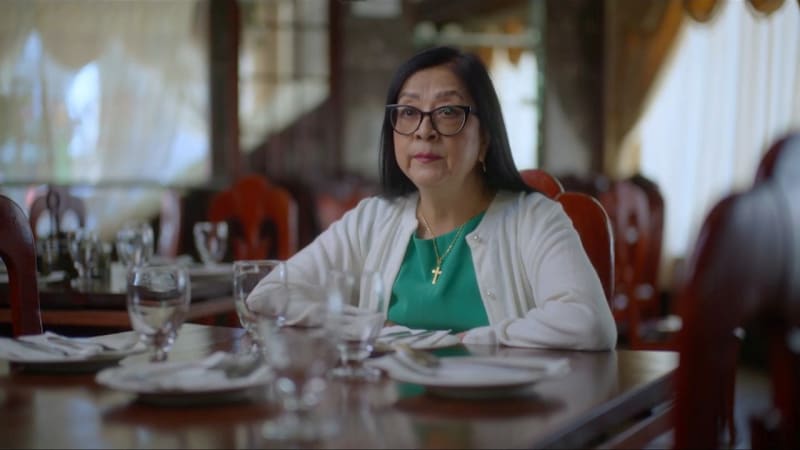
For 50-year-old Tez Termulo, her first job was at Windows as a public relations manager.
Born in Baltimore to parents from the Philippines, she grew up in a place where there were “very few” Asians. It was one reason why she wanted to come to New York.
“For once, people saw me more than my colour and my sex,” she said.
It is a sentiment shared by Yu Li, who did not expect people to be so complimentary about her work. “They always felt my work was important,” she said.
She arrived in New York in 1983. Then in 1999, she met her childhood friend Jupiter, who had attended boarding school in her home town of Darjeeling, India.
“He was a very good athlete, and he was well-known,” she recalled. “Luckily, we met again in New York.”
By then, he was working at Windows. He was the one who suggested she apply for a job there, in the catering sales department.
“Jupiter was an awesome person. He was very helpful. He’d go out of his way to help you,” she described. “He was like my brother.”
His wife met him at university in 1981, and they got married in 1991 in an “amazing” wedding in Manipur’s state capital, Imphal. The story goes that she was the first Westerner to go through the traditional Manipuri ceremony there.
“It was completely traditional. You don’t deviate by a hair,” said Nancy. “There was no smiling — very straight-faced.”
His Manipuri heritage was “extremely important” to him, and she was aware early on in their relationship that she would have to embrace it too. “I just loved being a part of that,” she said.
It was exciting to go to India and learn about this very unique culture.”
Her acceptance of the culture is something Laba Yambem, the fourth of five sons, remembers well about his younger brother’s wife.
“If you want to get married to an Indian, first thing you must learn is how to eat with your hands. So … when she came here, she started eating with her hands,” the 71-year-old said, chortling.
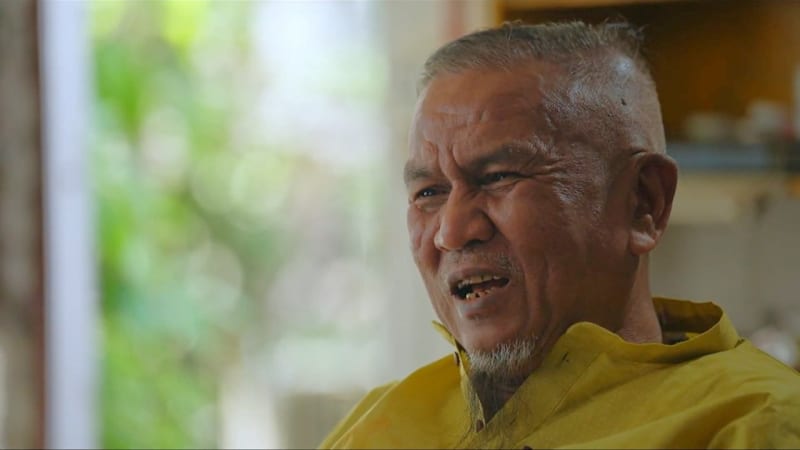
The Yambem family was “rich by Indian standards” and could afford education “anywhere” in India but not in the US. That, however, did not stop the youngest of the siblings.
“He chopped wood, washed dishes, cleaned restaurants, and he even slept on the subway. And he financed his way through college,” recounted Laba. “After his graduation, he became manager of the restaurant where he’d worked as a waiter.
He was ambitious, no doubt about that.”
When he started working in the World Trade Center, his brother thought there could be no easier way to tell their friends how to find him.
“You go to the tallest building in New York, you’ll find the (highest) restaurant in the world, called Windows on the World. You can ask for Jupiter Yambem, and he’ll come and meet you,” said Laba.
“That’s what I thought was the easiest address in America. But that was also the easiest target for the terrorists.”
BEFORE AND AFTER THE PLANES STRUCK
The morning of 9/11 was a busy time for Jupiter, with a financial technology conference being held on the 106th floor by the Risk Waters Group.
“He was probably overseeing the breakfast service as folks arrived, … looking after the banquet lines and making sure all the guests were taken care of,” said Kenneth Womack, the author of The Restaurant At The End Of The World.
One floor above, the breakfast crowd in the main restaurant was thinning out as guests — who mostly worked in the World Trade Center — returned to their offices.
Assistant general manager Christine Olender, 39, was in charge of the restaurant’s breakfast service and preparing for the rest of the day as more staff arrived for work.
“Anyone who’s ever worked in restaurants or, quite frankly, in administration knows that the assistant general manager does it all,” said Kenneth.
“She knew every nook and cranny of the operation, which included more than just those two floors. She was simply integral to everything that happened there.”
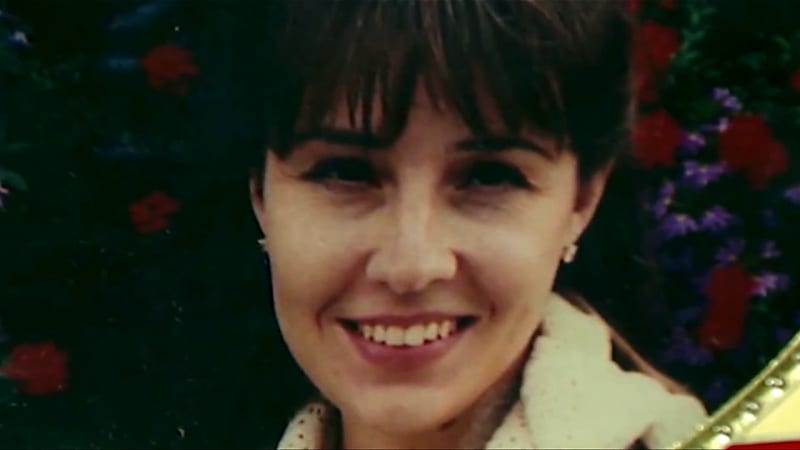
Tez knew Christine “fairly well”. “She was very dedicated to her job and to the restaurant. And she loved every last bit of it,” said Tez. “That restaurant was home for her.”
At 8.46am, there were 170 people on both floors: 73 Windows staff, 87 conference delegates, four diners and six contractors doing renovation work for the restaurant.
Yu Li made it to the World Trade Center at 8.50am and saw people running out and screaming. “I looked up,” she recounted. “My building, my tower, was burning.”
Twelve minutes after Flight 11 hit the tower, the New York City fire department received a call from Christopher Hanley — a financial sales representative attending the Risk Waters conference — as emergency call transcripts showed.
“We just had an explosion up here. Yeah, there’s smoke, and we have about a hundred people up here,” he said. “I can see the smoke coming up from outside the windows now.”
Told by the dispatcher that help was on the way, he replied: “All right, please hurry.” That was the last time his voice was heard.

The conference delegates, diners and Windows workers were gathering in a hallway on the 106th floor, led there by Christine. Then she called the Port Authority Police — the first of four emergency calls she made that morning.
“We need direction as to where we need to direct our guests and our employees as soon as possible,” she said. “The stairways are full of smoke — A, B and C. And my fire phones are out.”
In accordance with the building’s fire safety and evacuation procedures, she had to wait for instructions on where to go. “Because we don’t want to go into stairwell that may be filled with smoke,” explained Tez.
There were three stairwells and 99 lifts in the core of each tower, with the lifts going to different floors.
“When my firefighters checked for a working elevator, they couldn’t find one in the North Tower,” recounted Joseph Pfeifer, the first fire department chief on the scene. “That meant they had to climb.”
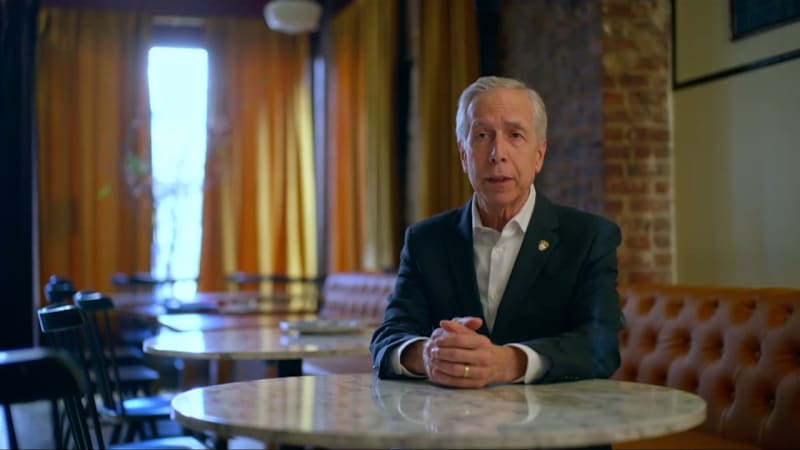
The fire department considered the possibility of using rescue helicopters. “(But) because of the smoke and the heat, … they made the decision that they couldn’t land the helicopters on the roof,” he said. “It was too dangerous.”
At 9:02am, Christine made her second emergency call. “We’re still waiting for direction,” she pleaded. “We need to find a safe haven on 106 where the smoke condition isn’t so bad.”
A minute later, the second plane hit the South Tower.
Richard was supposed to have been at work by then but was late. He was on a subway train when it simply stopped at the station before the World Trade Center.
“I’m like, ‘I’ve got to get out.’ And I was running to the building. When I was doing that, I saw the second plane hit,” he recounted.
“I was in shock. I didn’t know what to do — just standing there trying to figure things out, and then you see bodies flying down. And it’s just too much.”
Yu Li was watching the same terrifying scene. As people on the streets started running away, she ran too and fell “so badly” she was bleeding. “I thought I was going to die,” she recalled.
A policeman helped her up. All she remembers telling him was, “Don’t let me die. I have two kids.”
On the 106th floor, Christine was speaking to police officer Ray Murray, who could only promise as before that he had “notified everybody to get up there”.
At 9.12am, she called again. “The fresh air is going down fast. I’m not exaggerating,” she gasped. “What are we going to do for air?”
It was the last recorded call for help from Windows.
More than 8,000 people were estimated to have been inside the North Tower when the attacks began. The vast majority managed to escape, but not the 1,344 people or more on the 92nd floor and above.
WRESTLING WITH GRIEF
Nancy watched the North Tower fall on television in her workplace, a residential centre for adults with mental illness. “I felt scared. I felt confused,” she recalled, tears rolling down her cheeks. “I just felt panicked.”

Her son was in kindergarten — it was his first week — and she had followed his school bus to the school before making her way to work, listening to a compact disc and not a radio updating listeners about events unfolding.
“As I was coming in, the TV was on in the living room,” said Nancy, who watched a plane hit the World Trade Center. “I’d never ever imagined that something like this could happen.”
She tried calling her husband’s office phone. She tried his pager too. She could not get through to him.
In the Bronx, the northernmost part of the city, Nathalie was alerted to the breaking news. She was scheduled to be on the afternoon shift.
From the top of her building, the tops of some Manhattan skyscrapers could be seen, so she went up using the emergency stairs. “Far away, you could see some smoke,” she said.
I just had the need to see it with my own eyes.”
The South Tower collapsed at 9.59am. “I was wondering, ‘Where did it go?’ And I just couldn’t believe it,” she recalled.
“All I remember thinking was, ‘My tower isn’t going to fall. That tower can’t fall.’ And then it just fell.”
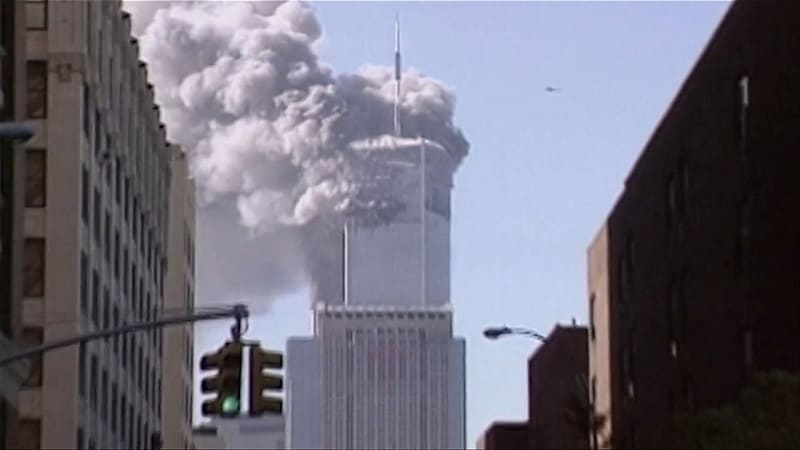
The North Tower collapsed at 10.28am. Yu Li was walking home at the time and took three hours to make it back to her children, whereupon she hugged them tightly and “didn’t want to leave them”.
“I was alive, and I was there for my kids,” she said. “In my heart, I just felt … it wasn’t meant for me to go.”
At the Yambem home, mother and son also held on to each other after they got back.
“(He) said to me, ‘Mama, why would the tourists want to hit the World Trade Center where Papa worked?’ And I said, ‘No, Santi, it’s not tourists, it’s terrorists,’” Nancy recounted.
At that stage in his life, he had no clue what a terrorist was. Now he does.”
The next day, while she was “pretty sure” her husband was not going to be found alive, there was “hope here and there”. She said: “We still didn’t actually know that nobody got out above where the planes hit.”
It was a disturbing time for the remaining Windows staff. Yu Li pretended to her children that everything was fine. “But in my mind, I was basically struggling. I was going through a lot,” she recalled.
“When I found out Jupiter was there, my whole heart was broken. I said, ‘Oh God.’”
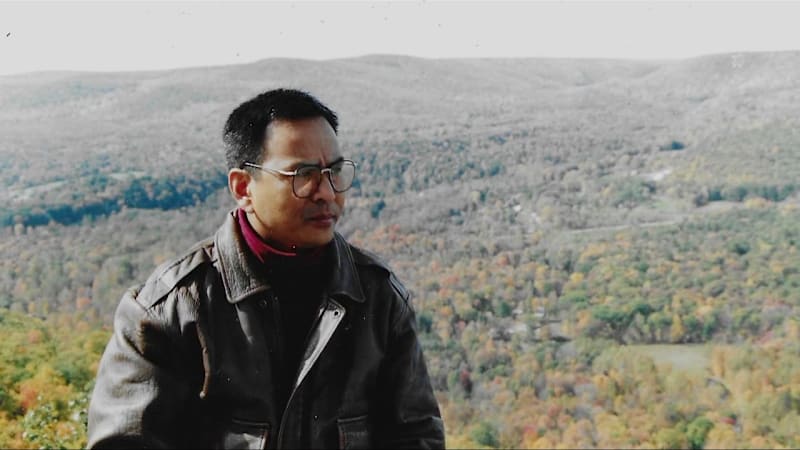
Confirmation of his death came within a few days. Nancy had been asked to submit his DNA — hairs from his hairbrush — and she was told on Saturday of the same week that his body had been identified.
“The police came to the front door, and I was incredibly upset. But I knew I had to tell our son. That was what hurt the most,” she said, choking with emotion.
The toughest part for Richard, meanwhile, was going to all the funerals, more than 70 of them in the space of a month, he recalled.
That left a scar on me big time. When our niece got married, they had a service in church. And as soon as I walked in the church, I started crying, and I just couldn’t be there.”
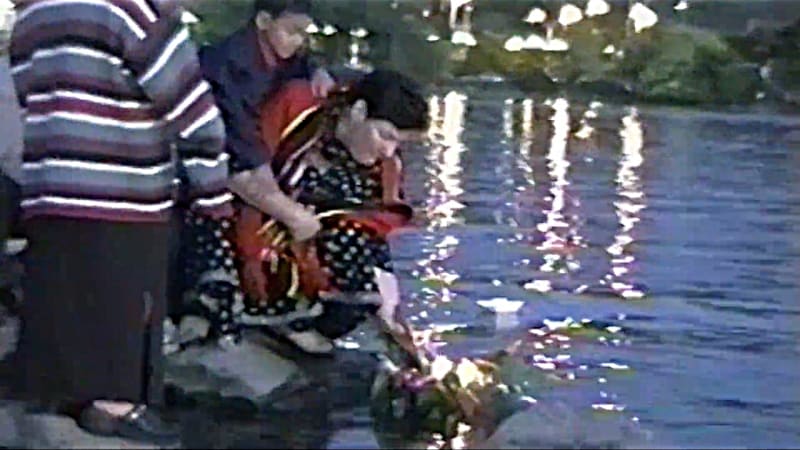
One of the memorials, held in a riverfront park, was for Jupiter.
“It was important to me that it wasn’t a mournful time. People brought blankets and folding chairs to listen to the stories of Jupiter’s life and who he was,” said Nancy.
He was someone, she added, who “embraced being a father above everything”. While she has remarried, she still has his picture in the house “for Santi to know who his dad was”.
“It’d been really difficult for Santi growing up. Like why did this happen to me? Why did it have to be my father?” she shared.
A lot of times, he’s not ready to ask the questions. Even at 29, it’s a little upsetting for him.”
After the memorial for Jupiter in New York, his ashes were brought back to India and scattered in Loktak Lake, on whose banks the Manipuri civilisation evolved. And his father was there to say goodbye.
“My father was a very tough man. He’d seen his father die, he’d seen his mother die, he’d seen his uncles die,” said Laba.
“He’d seen his own wife, my mother, die. He never cried. But when Jupiter died, my father cried for the first time in his life.”

CONFRONTING MEMORIES
Twenty-five years on, Laba is back at the lake to remember his brother’s soul. “It gives me a euphoric feeling,” he said. “Now he’s in his happy hunting grounds, and his spirit roams among the peaks of the Himalayas.”
The passage of 25 years has also brought some Windows staff back to the World Trade Center site, where the names of their dead colleagues are inscribed at the 9/11 Memorial and Museum among the 2,977 victims of the attacks.
Before this, Richard had been back only once. “To go back to a place where you lost so much is very hard,” he said. “A lot of bad memories, but a lot of good memories with that.”
As for Yu Li, she could not bring herself to confront those memories until now.
“If I’m travelling in the car, if I’m passing the area, I’d never look. It hurts me to realise that I was almost there. I nearly died,” she said.
“It took me a while to realise I have to move on, … at least let my kids know I’ve become brave (enough) to face the reality of 9/11.”

She visited the site with Nancy, laying flowers on Jupiter’s name and expressing her “love and respect” for the man who was like a brother to her.
Every time Nancy is at the memorial, she also lights a candle and says a prayer for him. Whenever she sees his name, “it’s between surreal and the most real thing that can be”.
“Jupiter loved life. He loved to dance and to celebrate with his friends, cook big meals for them. And he was a lot of fun to be around,” she described. “He loved his family. He loved his job.
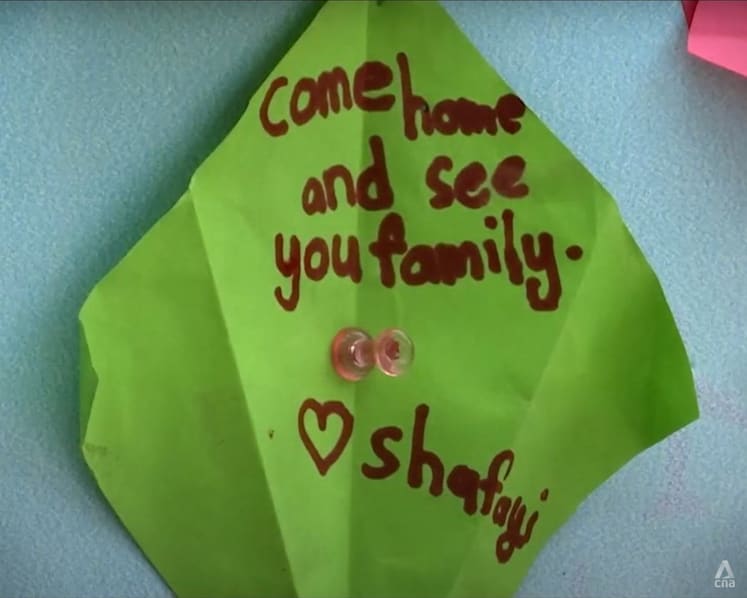
“I don’t want him just to be a name. I so want his story to be told — of who he was — and for him, of course, to not be forgotten.”
Watch the documentary, Windows On The World, here.
Source: CNA/dp
Sign up for our newsletters

Get the CNA app
Stay updated with notifications for breaking news and our best stories
Get WhatsApp alerts
Join our channel for the top reads for the day on your preferred chat app

Get bite-sized news via a new
cards interface. Give it a try.
Click here to return to FAST
Tap here to return to FAST
FAST







