From water hyacinth to award-winning gin: The unlikely story of Cambodia’s Mawsim
A Japanese recycling company’s failed bioethanol project in Tonle Sap led to a Phnom Penh micro-distillery using fresh Cambodian botanicals – and a World’s Best Flavoured Gin title.
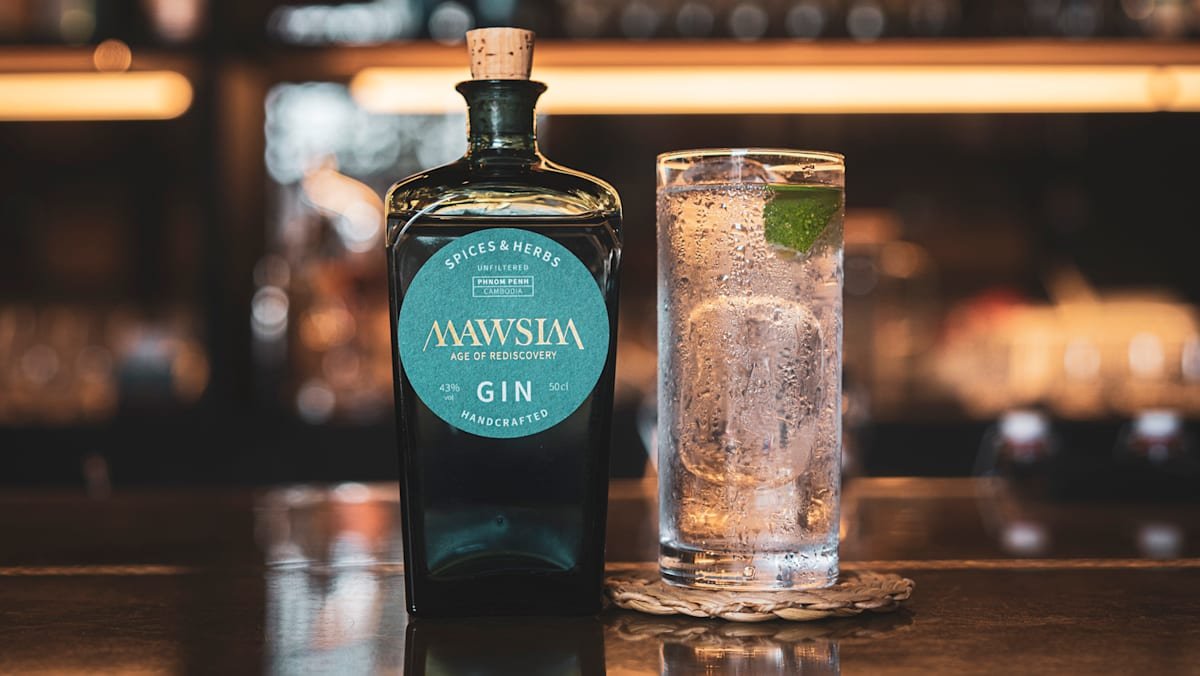
Mawsim grew out of an attempt to create biofuel from invasive water hyacinth, before evolving into a Phnom Penh gin distillery built around fresh Cambodian botanicals. (Photo: Mawsim)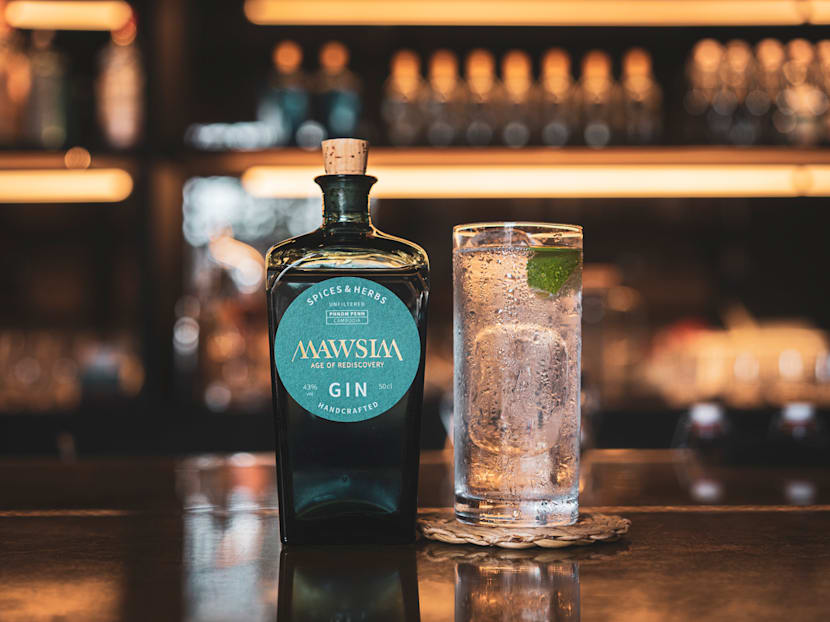
New: You can now listen to articles.

This audio is generated by an AI tool.
By
Read a summary of this article on FAST.
Get bite-sized news via a new
cards interface. Give it a try.
Click here to return to FAST
Tap here to return to FAST
FAST
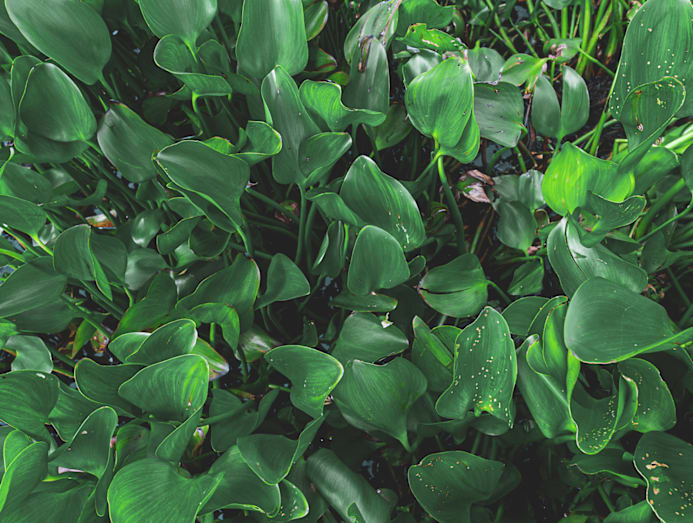
Picture a lake choked by a plant that can reportedly multiply two millionfold in just seven months. As it spreads, it blocks waterways, tangles fishing-boat propellers and eventually washes ashore to rot, sending the smell of decaying vegetation through nearby villages. Now imagine confronting this environmental menace and deciding that one possible solution is to drink it.
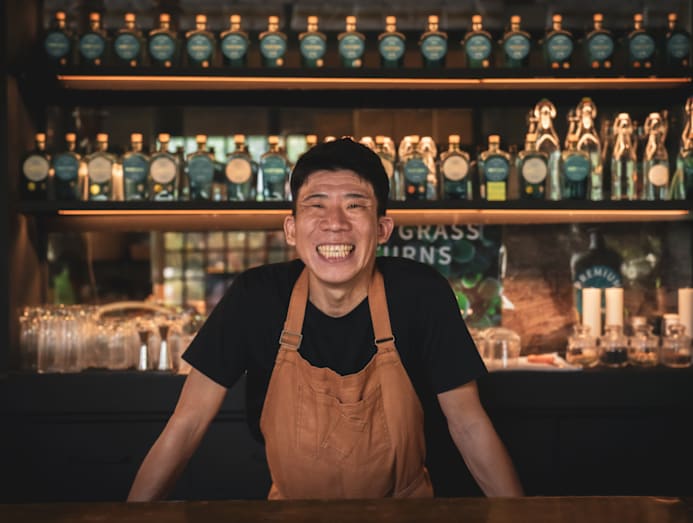
That unlikely idea led to Mawsim, a micro-distillery in Phnom Penh. Behind it is Sunwaspa Inc, a Japanese recycling company founded in 1969 that has spent more than half a century collecting and wholesaling wastepaper in Gifu. The operation is overseen by Mawsim COO and master distiller Kenji Tsuzaki. Before joining the project, neither he nor lead distiller Ryuji Nukata had distilled alcohol.
Both came from the recycling industry but shared an interest in craftsmanship and a willingness to learn from scratch. Tsuzaki was already qualified as a sake sommelier in Japan, giving him a grounding in fermentation. Developing a gin recipe, however, required the team to build its knowledge through trial and error. In 2023, less than two years after it began making spirits, Mawsim’s Tropical Citrus was named World’s Best Flavoured Gin at the World Gin Awards.
FROM WASTEPAPER TO WASTE NOT
The journey from Japanese waste management to Cambodian gin began with paper. As the volume of recyclable paper in Japan declined, Sunwaspa began researching bioethanol made by breaking down and fermenting cellulose, the structural material in plant cell walls. Unlike conventional grain-based ethanol, it does not rely on food crops and can be produced from a wide range of plant matter, including green waste.
Strict alcohol-production regulations made it difficult to scale the project in Japan, prompting the company to look to Southeast Asia, according to Tsuzaki. In Cambodia, he encountered waterways choked with water hyacinth, a plant native to South America and widely regarded as one of the world’s most damaging invasive species.
Because producing cellulosic alcohol from water hyacinth involves a process similar to that used for wastepaper, Sunwaspa saw a way to apply its expertise.
Tonle Sap, Southeast Asia’s largest freshwater lake, supports one of Cambodia’s most important fisheries and the livelihoods of communities across its basin. To Tsuzaki, its contradictions were immediately apparent. From a distance, it appeared an idyllic expanse. For communities living on and around the water, however, dense mats of hyacinth could obstruct boats and interfere with fishing.
The initial plan was to harvest the invasive plant, turn it into bioethanol and sell it as an affordable renewable fuel for boats used by the lake’s communities. The economics, however, proved difficult. Producing cellulosic bioethanol with existing technology was far more expensive than using fossil fuels and would have required sustained public-sector support.
After years of researching more effective enzymes and less costly processing methods, the team had to reconsider the project’s commercial viability.
“Projects like bioethanol often require many years – sometimes decades – of research and development,” Tsuzaki said. “At the same time, we are a private company, and generating sustainable revenue is also part of our responsibility.”
Rather than abandon the project, Sunwaspa reconsidered its business model. The company calculated that ethanol used in a beverage could command up to 100 times the value of ethanol sold as fuel.
“We began asking ourselves how we could create greater value from the alcohol we had developed. And the answer was craft gin,” Tsuzaki said.
THE CASE FOR FRESH BOTANICALS
Gin as we know it developed in Europe, with juniper providing its defining piney bitterness. Traditionally, distillers also relied on dried botanicals that could be stored through the colder months.
Tsuzaki saw an opportunity in the origins of many ingredients now used in craft gin. Spices such as cassia, cardamom and black pepper have long been grown in tropical Asia, yet they typically reached Western distillers in dried form. Producing gin in Cambodia allowed Mawsim to use some of these botanicals fresh.
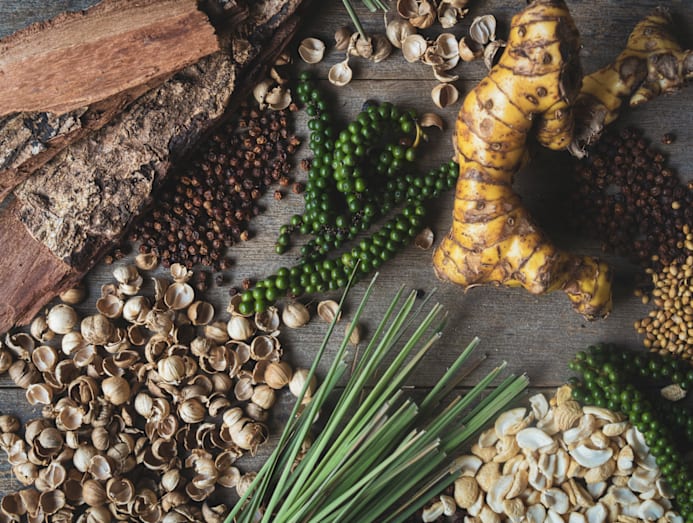
“Europe is defined by its four seasons,” Tsuzaki said. “As a result, Western distillers have traditionally relied on dried botanicals. While dried ingredients standardise easily across large production runs, they sacrifice the volatile, juicy top notes that only raw, living flora can deliver.”
Cambodia has its own growing seasons but not the freezing winters experienced farther north, giving Mawsim access to fresh botanicals throughout the year. Over two years of experimentation, Tsuzaki catalogued more than 300 local botanicals and built a library of tropical distillates before finalising Mawsim’s two core expressions.
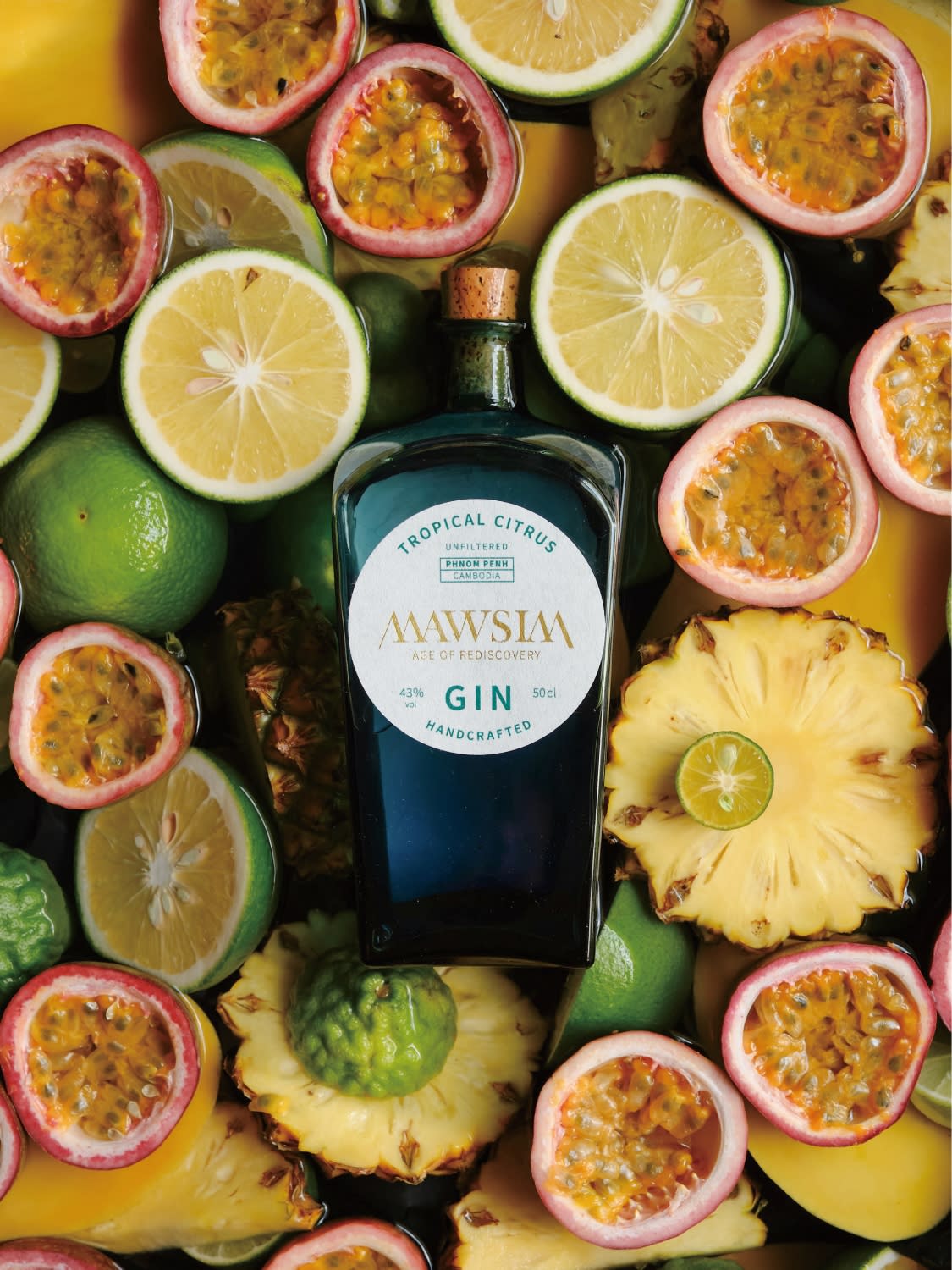
The first, Tropical Citrus, uses fresh fruit rather than relying solely on dried peel. Its botanicals include Battambang oranges, limes, makrut limes, calamansi, passion fruit, mango and pineapple, all distilled fresh. The gin scored 95 points and won gold at the International Wine & Spirit Competition before being named World’s Best Flavoured Gin at the 2023 World Gin Awards.
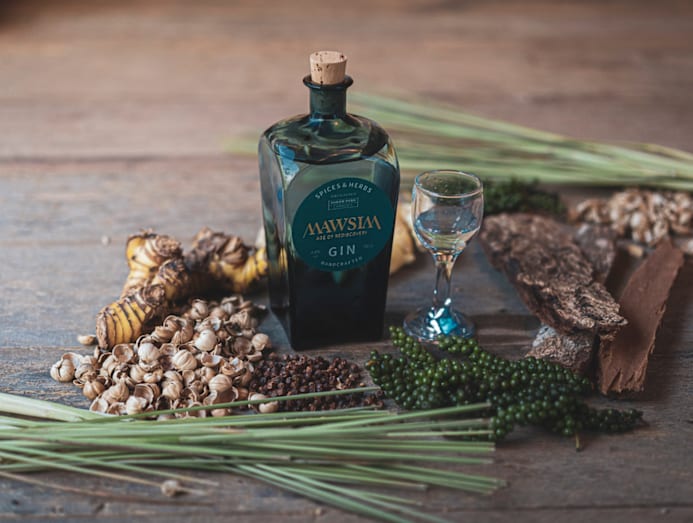
The second expression, Spices & Herbs, uses ingredients sourced through direct relationships with farmers, including wild Cambodian cardamom and fresh green Kampot pepper. The gin won gold at the 2023 World Gin Awards.
The production process requires close manual oversight. For every botanical except pepper, the distillers visit the market themselves and choose ingredients by sight and touch. Because fresh fruit and herbs contain varying amounts of water, weight alone cannot guarantee a consistent flavour. To preserve their delicate oils, the botanicals are prepared without machinery, using knives, peelers, cleavers and mortars.
“If we are committed to using fresh botanicals, then this level of care becomes non-negotiable,” Tsuzaki said. “We believe great gin begins not in the still, but in the market.”
The same approach shapes the distillation process. Using 200-litre and 60-litre stills, Mawsim makes the “hearts cut” – separating the central, most desirable portion of the distillate – earlier than is typical.
“We intentionally prioritise aroma and flavour, even if it means sacrificing volume,” Tsuzaki said.
The team also finds uses for material left over from production. Rather than discarding the “tails” – the final portion of the distillate, which can contain heavier or harsher notes – it blends them into the base spirit for the next batch to reduce flavour variation.
Other unused distillates are turned into sanitising solutions, while citrus pulp is made into cocktail syrups. Leftover nuts are used to make vegan cheese, and spent wild-cardamom pods become smoking chips for a smoked Negroni served at Mawsim Bar in Phnom Penh.
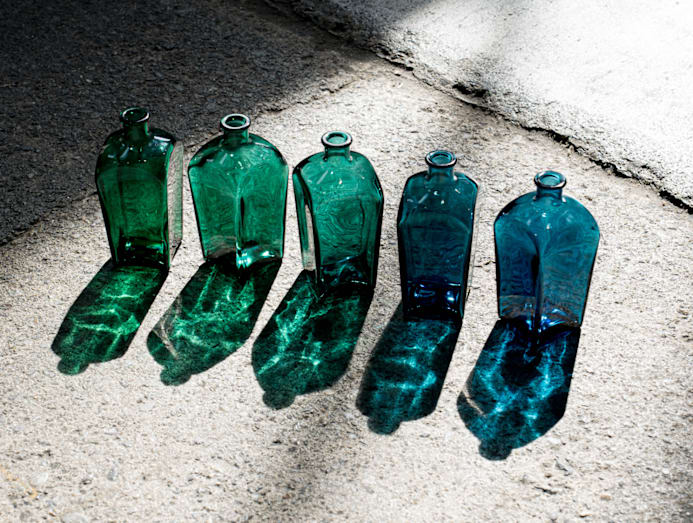
The packaging follows the same approach. Mawsim’s square bottles are made from colour-shifted glass, which is difficult to recycle, and fade from bright green to deep blue. Their shape draws on the kelderfles, or case bottle, used to transport Dutch spirits to Japan during the Edo period.
Designed to be reused as carafes or vases, the bottles can also be packed without additional polyurethane foam.
A BLIND-TASTING BREAKTHROUGH
Mawsim entered the World Gin Awards primarily to gauge its progress. Tsuzaki said the team had little expectation that Tropical Citrus would win the flavoured-gin category.
The entries were judged blind, without brand names or origin stories, meaning the panel knew nothing of the Cambodian gin’s connection to a Japanese recycling company.
“It was neither disbelief nor relief,” Tsuzaki said of hearing the result. “It was simply a profound sense of gratitude and joy.”
Mawsim says it was the first Asian gin to win the World’s Best Flavoured Gin title, a result that gave the young Cambodian distillery international recognition.
Mawsim is now pursuing expansion into Asian markets including Japan, the Philippines, Vietnam and China. In Singapore, its gin is available at Atlas, with wider distribution expected by the end of 2026.
Expansion raises the question of whether Mawsim can preserve its labour-intensive methods as production grows. Tsuzaki is confident that it can.
“There is one thing we will never compromise on: our production philosophy,” he said. “Growth should never come at the expense of identity.”
The water hyacinth, meanwhile, continues to spread across Tonle Sap far faster than Mawsim can remove it. The distillery’s direct effect on the lake remains small, as Tsuzaki acknowledges.
“Our impact may be small,” he said. “But if Mawsim can serve as a catalyst – encouraging researchers, entrepreneurs, and communities to engage with these issues – then we believe we are fulfilling an important role.”
Mawsim has not solved Tonle Sap’s water-hyacinth problem or made cellulosic bioethanol commercially viable. It has, however, found another expression of Sunwaspa’s philosophy of creating value from discarded materials.
What began as a search for affordable renewable fuel ultimately led to an award-winning Cambodian gin – and a reminder that environmental innovation does not always follow a predictable path.


Source: CNA/bt
Get bite-sized news via a new
cards interface. Give it a try.
Click here to return to FAST
Tap here to return to FAST
FAST