Proposed Hormuz deal would give Iran control of inbound traffic: Sources
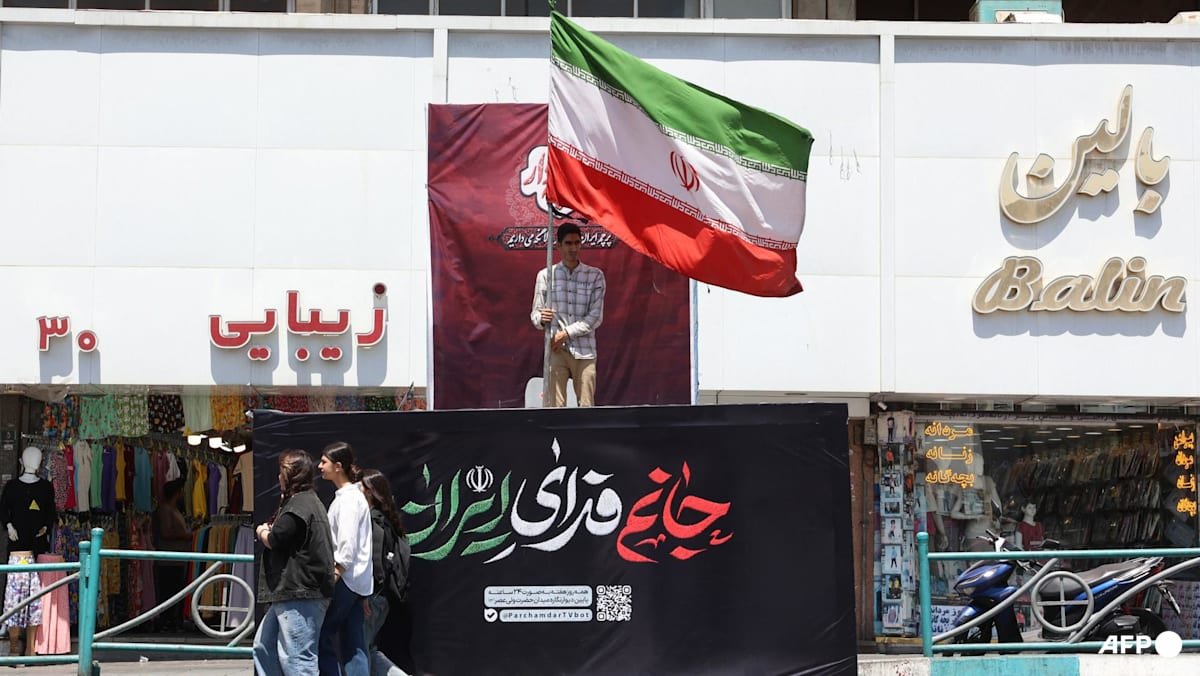
An Iranian man holds Iran’s national flag at Valiasr Square in Tehran on Jul 16, 2026. (File photo: AFP)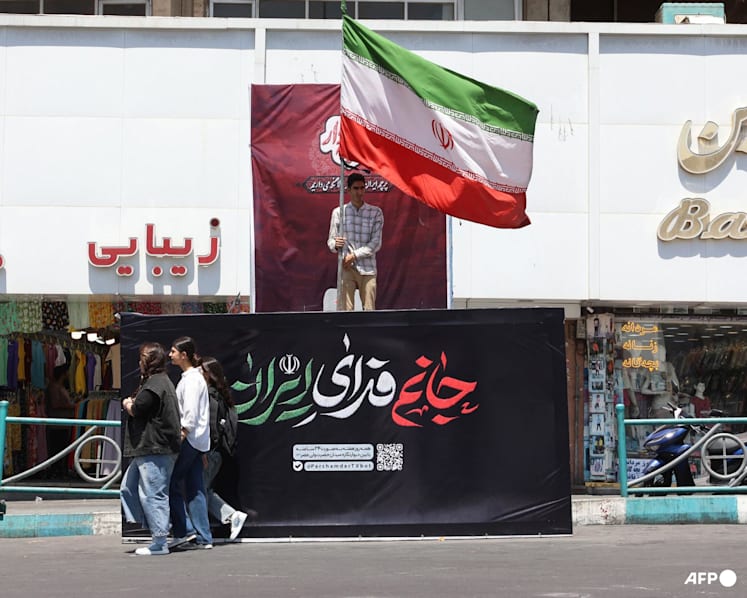
Read a summary of this article on FAST.
Get bite-sized news via a new
cards interface. Give it a try.
Click here to return to FAST
Tap here to return to FAST
FAST
DUBAI: A proposed deal between Iran and Oman would give Tehran control over ships entering the Gulf through the Strait of Hormuz, a senior Iranian source and two regional officials told Reuters on Wednesday (Aug 5), in one of the biggest concessions yet to Iran.
Despite the apparent step towards yielding to Iranian demands, the sources pushed back against assertions by United States President Donald Trump that a deal reopening the strait was imminent, saying important details still had to be agreed.
“The concession has already been made regarding some form of control over Hormuz,” one of the regional sources told Reuters.
The other regional source said there were still details to be determined about how “control” would be defined, with Gulf negotiators insisting regional countries supervise inspections of ships, and that any payment of fees be voluntary.

Guess Word
Crack the word, one row at a time

Buzzword
Create words using the given letters

Mini Sudoku
Tiny puzzle, mighty brain teaser

Mini Crossword
Small grid, big challenge

Word Search
Spot as many words as you can
The senior Iranian source said that the text of an agreement already on the table envisioned Iran having control of ships heading into the Gulf through the strait, and that one of the main sticking points was what role Iran would also have over ships heading in the opposite direction.
There was no immediate reply from Washington to the disclosures about the proposed agreement.
US officials have repeatedly insisted that they would never accept any arrangement that lets Iran control access to the world’s most important trade route for energy supplies.
But Trump and senior officials in his administration have said in recent days that a deal is imminent to end the war he launched in February and which polls show most US voters oppose.
OIL PRICES TICK HIGHER AFTER RED SEA ATTACK
Oil prices ticked higher on Wednesday after the Iran-aligned Houthi movement in Yemen said it had fired on a Saudi-flagged tanker in the Red Sea, the latest attack on Middle East shipping that has disrupted global energy supplies.
But global crude prices remain close to their lowest levels since early July, having plunged sharply over the past two days after Trump called off fresh attacks on Iran, citing new talks he said could end the conflict.
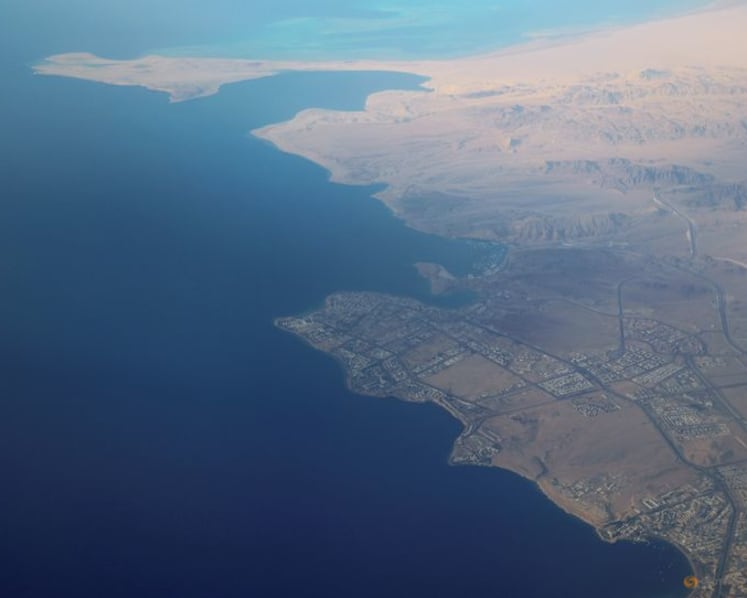
While there are no direct talks between Tehran and Washington, Iran has been negotiating with Oman, which controls the opposite shore of the strait. Iran rejected an earlier Omani proposal last week as giving it too little say.
TRUMP SAYS TALKS “MOVING ALONG NICELY”
Trump told Fox News overnight that talks were “moving along nicely” and “an all-day negotiation” had taken place on Tuesday.
The Strait of Hormuz “is going to be open very soon”, Trump added. “If they back out again, they are going to get hit really hard.”
Over the weekend, Trump cited the negotiations as the reason for a decision to call off plans for “massive attacks” on Iran, a pattern he has repeated numerous times throughout the war.
The senior Iranian source downplayed the suggestion that a deal would be finalised quickly, noting that Iranian Foreign Minister Abbas Araghchi was on holiday.
“Talks are continuing, but it is too early to say that a deal with Oman has been finalised,” the senior Iranian source said.
Another Iranian source said: “The devil is in the details. A single tweet from Trump could cause the whole thing to collapse.”
An agreement that gives Iran any control over access to the strait would mean the war launched by the US and Israel had resulted in a major shift in the balance of regional power in Tehran’s favour. Before the war, the strait was freely open to all ships with no fees.
But Trump, who initially said “Operation Epic Fury” would end in Iran’s “unconditional surrender” with him approving the choice of its leader, has been under pressure to find a way out of a war US voters now oppose two-to-one.
According to the senior Iranian official, Iran was seeking fees of between 5 per cent and 7 per cent of the price of cargoes from ships using the strait. Oman was discussing smaller fees of around 3 per cent, while Washington wants no fees at all.
Making any fees voluntary, at least nominally, could be a way out of the impasse, although an implied threat of Iranian attacks could mean shippers would be unlikely to risk transit without paying.
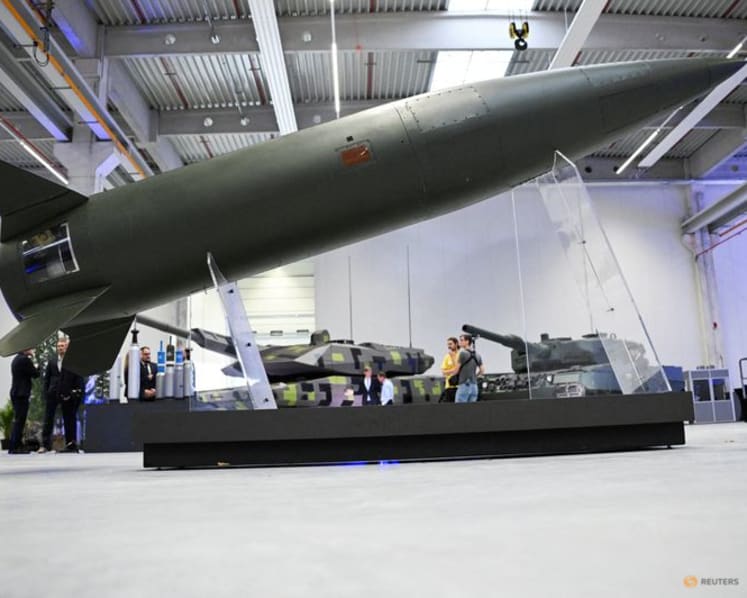
Months of US military efforts, including a two-week campaign of strikes in July, have not broken Iran’s grip on the strait. US commanders advised Trump in July that they were running low on supplies of some munitions. Reuters reported on Tuesday that the US Army had used up nearly all of its long-range precision missiles.
Periodic US military escalations have been met by stronger responses from Iran and its proxies, including the Houthi fighters who control much of Yemen as well as a second major regional shipping chokepoint at the mouth of the Red Sea.
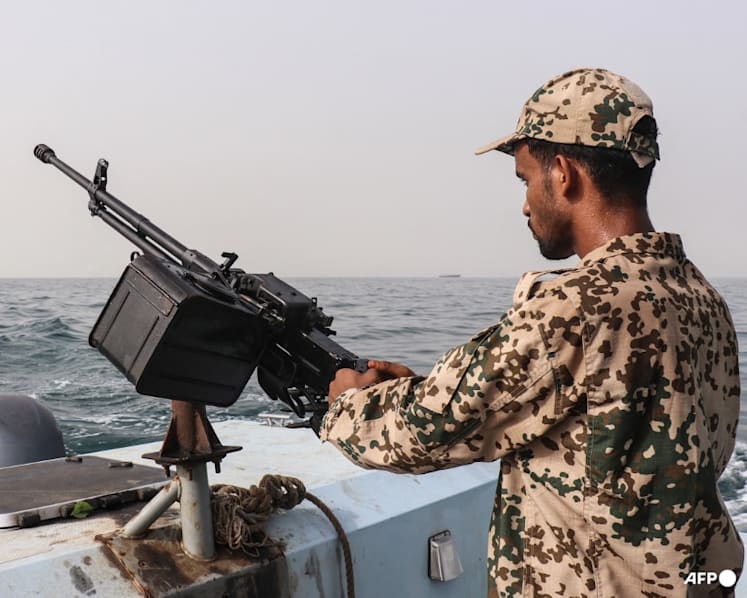
On Wednesday, the Houthis said they had again struck a Saudi tanker in the Red Sea, their latest attack to enforce what they say is a blockade of Saudi oil shipments through the main route used to bypass the Strait of Hormuz.
On Tuesday, a projectile sank an Indian-flagged vessel near Yemen, Indian officials said. All 14 crew members, 13 of them Indian, were rescued. The Houthis’ rivals for control of Yemen, a government based in the south of the country, blamed that attack on the Houthis.
Source: Reuters/rl
Sign up for our newsletters

Get the CNA app
Stay updated with notifications for breaking news and our best stories
Get WhatsApp alerts
Join our channel for the top reads for the day on your preferred chat app

Get bite-sized news via a new
cards interface. Give it a try.
Click here to return to FAST
Tap here to return to FAST
FAST
About The Author