Does holding your pee really harm your bladder? What can go wrong?
Urologists explain how the bladder works, what happens when you ignore the urge to urinate, and when it may be time to see a doctor. Also, can it lead to kidney stones, cancer and urinary tract infections?
A normal, functioning adult bladder can comfortably hold about 300ml to 500ml (about 1 to 2 cups) of urine. (Photo: iStock/baona)
New: You can now listen to articles.

This audio is generated by an AI tool.

Read a summary of this article on FAST.
Get bite-sized news via a new
cards interface. Give it a try.
Click here to return to FAST
Tap here to return to FAST
FAST
You know the feeling when you just have to go. But in the busy, fast-paced life that you’re living, that’ll sometimes have to wait as you commute to work, reply an email, or you just can’t find a clean bathroom. So, you grit your teeth, cross your legs a little tighter, and try not to think of the Jewel Rain Vortex.
But as you get a little older and a little more incontinent (pregnant women and male seniors with prostate issues would know), you might wonder: Is holding off the urge to urinate making you pay back now? What harm have you done to your bladder over all those years of delaying your loo visits? We find out from urologists.
HOW MUCH URINE CAN A BLADDER HOLD ON AVERAGE?
It varies but a normal, functioning adult bladder can comfortably hold about 300ml to 500ml (about 1 to 2 cups) of urine, according to Adjunct Assistant Professor Karthik Thandapani, a consultant urologist at Ng Teng Fong General Hospital.
That is also typically the amount of urine that triggers a strong urge to head for the bathroom, said Dr Chong Weiliang, a specialist urologist at Advanced Urology Associates – although other urologists such as Dr Lee Yee Mun from Nexus Surgical Associates said the initial urge could start at about 200ml to 300ml; the “got to go” feeling comes at about 300ml to 400ml, he said.
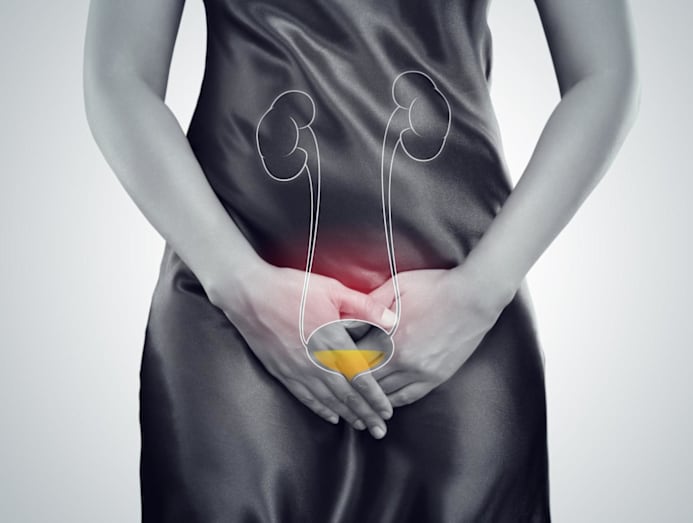
In other individuals, their bladder capacity may even go up to 600ml to 800ml. “Beyond this, significant discomfort usually develops,” said Adj Asst Prof Thandapani.
Do men have bigger bladders than women and so, they don’t have to visit the bathroom as often? “Men may have slightly larger average bladder capacities due to body size differences, though individual variation is more important than sex differences,” said Dr Chong.
Dr Lee added another perspective. “It is believed that men have greater bladder outlet resistance due to a longer urethra and a prostate (the muscles in this gland help to start and stop urine flow) that may contribute to the differences in bladder capacity,” he said.
HOW LONG DOES YOUR BODY TAKE TO PRODUCE URINE?
It takes about 15 to 30 minutes after drinking water for it to appear as urine in a healthy, well-hydrated person, said Adj Asst Prof Thandapani.
Water can reach the bladder surprisingly quickly as the body is continuously filtering blood through the kidneys, he explained. “Urine production is an ongoing process rather than a simple drink-to-bladder pathway.”
The process could also take as long as 30 minutes to 2 hours, said Dr Lee – especially if you’re dehydrated. “In a dehydrated situation, the body works to conserve water, which is needed to replenish the cells and tissues; thus, urine production will be slower.”

Here’s a look at some of the activities that can influence how soon you need the bathroom:
Sipping versus gulping: “Gulping may result in a sharp drop in sodium concentration in the blood, which triggers diuresis or increased urine production and excretion by the kidneys,” said Dr Lee.
Consuming certain drinks: Diuretics such as caffeine and alcohol inhibit an antidiuretic hormone (ADH) in the body known as vasopressin, said Dr Lee. “This hormone regulates how much the kidneys re-absorb water that has been filtered out from blood plasma. When its action is inhibited, more urine production is the outcome.”
Generally, said Adj Asst Prof Thandapani, plain water, caffeinated drinks and alcohol are the quickest to convert into urine. On the other hand, milk-based drinks, high-protein shakes, very sugary beverages, and fluids consumed together with large meals take the longest.

Sitting a lot: “Sedentary behaviour, and prolonged sitting or standing may result in fluid pooling in the legs and feet – which is why our ankles appear swollen by evening,” said Dr Lee. “When we lie down in the evening, this pooled fluid moves back into blood stream circulation and results in increased blood volume, which stimulates the kidneys to increase urine production.”
On the plane: The cabin’s cold temperature and low humidity may make you want to visit the loo more often. That’s because “cooler temperatures decrease ADH, while warmer environments increase ADH levels”, explained Dr Lee. However, it is not well understood how cabin pressure affects urine production, he said.
Another reason could be the dry cabin air, which can lead to mild dehydration. If you recall reading earlier, dehydration can indeed slow down urine production – initially, explained Adj Asst Prof Thandapani. “But concentrated urine can irritate the bladder and create a sensation of urgency.”
WHAT HARM CAN HOLDING YOUR PEE CAUSE? CAN YOUR BLADDER RUPTURE?
If you habitually delay urination over long periods, you may end up stretching the bladder beyond its usual capacity known as overdistention, cautioned Dr Chong.
When overdistention occurs, your bladder muscle is weakened and unable to completely empty itself of urine. That spells bad news as stagnant urine may increase the risk of urinary tract infections or UTIs, warned Adj Asst Prof Thandapani. Overdistention may also cause you to lose sensitivity to bladder fullness and not recognise the urge to urinate early enough, he said.
As for the bladder rupturing, all the urologists agreed that it is rare. “(Bladder rupturing) is uncommon and usually occurs in the context of severe trauma, intoxication, obstruction or major urinary retention, rather than ordinary, day-to-day ‘holding it in’ situations,” said Adj Asst Prof Thandapani.
Other specific circumstances that may rupture the bladder, added Dr Lee, include psychiatric disorders that impair the sensation of bladder fullness. Also, “prior surgery or radiation weakens the bladder wall, and/or cause dysfunction of the nerves resulting in decreased bladder sensation.”
Can urinary tract infections, cancer or kidney stones be caused by delaying loo visits?
Urinary tract infections: The bladder protects against infection by regularly flushing bacteria out during urination, explained Adjunct Assistant Professor Karthik Thandapani, a consultant urologist at Ng Teng Fong General Hospital. When urine stays in the bladder for prolonged periods, bacteria has more time to multiply and cause infections.
Incontinence: “Repeated overdistension of the bladder can interfere with its normal muscle and nerve function,” said Adj Asst Prof Thandapani. “Over time, the bladder may become less efficient at sensing fullness and contracting properly.”
Weakened pelvic floor muscles: Dr Lee opined that holding your pee doesn’t directly weaken your pelvic floor muscles. The weakness, he said, is more likely due to ageing, postmenopause, obesity, neurological disease and childbirth trauma.
However, Adj Asst Prof Thandapani believed there may be a connection. “When people repeatedly suppress the urge to urinate, they often tighten their pelvic floor muscles for prolonged periods,” he said. “Over time, this may lead to poor coordination of the pelvic floor and bladder muscles.”
Kidney stones: “Voluntary delayed voiding does not cause stone formation,” said Dr Lee Yee Mun from Nexus Surgical Associates. Rather, chronic low fluid intake concentrates the urine, which increases the risk of crystal and stone formation.
“Dehydration is one of the major modifiable risk factors for kidney stones,” said Adj Asst Prof Thandapani.
Bladder cancer: “There is no evidence linking bladder cancer with the act of holding urine,” said Dr Lee. The strongest established risk factors are smoking, age, chronic bladder inflammation and exposure to certain industrial chemicals, said Adj Asst Prof Thandapani.
Collapse
Expand
BUT ISN’T THE BLADDER A MUSCLE? WOULDN’T HOLDING YOUR PEE HELP TO STRENGTHEN IT?
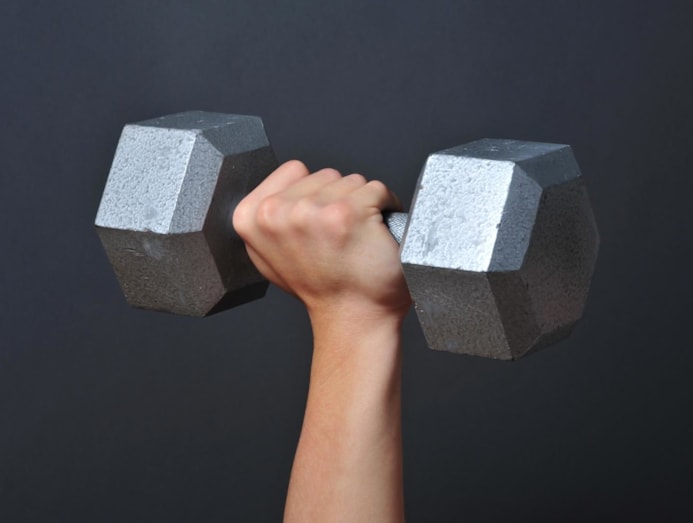
No, it doesn’t work that way with your bladder. Resistance training, such as lifting weights, can strengthen skeletal muscles, explained Dr Lee. But your bladder muscle is different.
“The bladder’s detrusor muscle is a smooth muscle (a type of involuntary muscle tissue found in the walls of hollow organs such as the bladder) that is designed to contract and empty – and not strengthen through prolonged stretching,” he said. “Chronically overstretched bladder muscle becomes damaged and dysfunctional, not stronger.”
HOW SOON SHOULD YOU VISIT THE BATHROOM THEN?
A typical healthy urination frequency is about four to eight times per day, according to Dr Chong. “Many adults void approximately every three to four hours while awake. But regularly waking more than once nightly to urinate (aka nocturia) may warrant medical review if it’s bothersome.”
As for how long you can safely put off visiting the bathroom, Dr Lee said that “there is no scientific basis to recommend a time limit”. “The recommendation is to respond to the urge rather than routinely or repeatedly delaying it.”
Dr Chong added that “most healthy adults can safely delay urination occasionally for a few hours”.
In fact, Adj Asst Prof Thandapani advocated cultivating healthy urination habits, including:
- Emptying the bladder after waking up.
- Not delaying urination for excessively long periods.
- Urinating before long journeys or bedtime.
- Maintaining adequate hydration throughout the day.
“What is most important is consistency and listening to your body’s natural signals rather than following a rigid schedule,” he said. “A healthy bladder is one that can comfortably store urine and empty fully without urgency, leakage, pain or significant disruption to daily life.”
This means that the other extreme of urinating too frequently is just as bad. “Going ‘just in case’ too frequently may reduce functional bladder capacity over time,” he said.
WHEN SHOULD YOU SEE A DOCTOR?
The presence of blood in your urine, urinary retention (inability to pass urine), or recurrent UTIs are signs that you need the doctor’s attention, said Dr Lee. These signs could point to stones or malignancy of the kidney, bladder or prostate; kidney failure; bladder distention; or underlying structural abnormality or obstruction.
“Importantly, blood in the urine – even if painless and occurring only once – should always be evaluated by a doctor, especially in older adults or smokers,” said Adj Asst Prof Thandapani. “Persistent urinary symptoms should not simply be dismissed as ‘normal ageing’, as many bladder and urinary conditions are treatable when identified early.”

In addition, he said, you should seek medical attention if you experience:
- Pain or burning during urination
- Blood in the urine
- Frequent urinary tract infections
- Sudden changes in urinary habits
- Difficulty holding urine or leakage
- Difficulty passing urine
- Weak urine stream
- A sensation of incomplete emptying
- Needing to urinate very frequently without obvious cause
- Waking multiple times at night to urinate
- Lower abdominal pain or bladder distention
- Fever associated with urinary symptoms
Source: CNA/bk
RECOMMENDED
Get bite-sized news via a new
cards interface. Give it a try.
Click here to return to FAST
Tap here to return to FAST
FAST