From North Korea in 1966 to Japan in 2022: Asia’s greatest World Cup runs
They may not have lifted the trophy, but Asian teams have delivered some of the World Cup’s greatest shocks and most inspiring underdog runs.
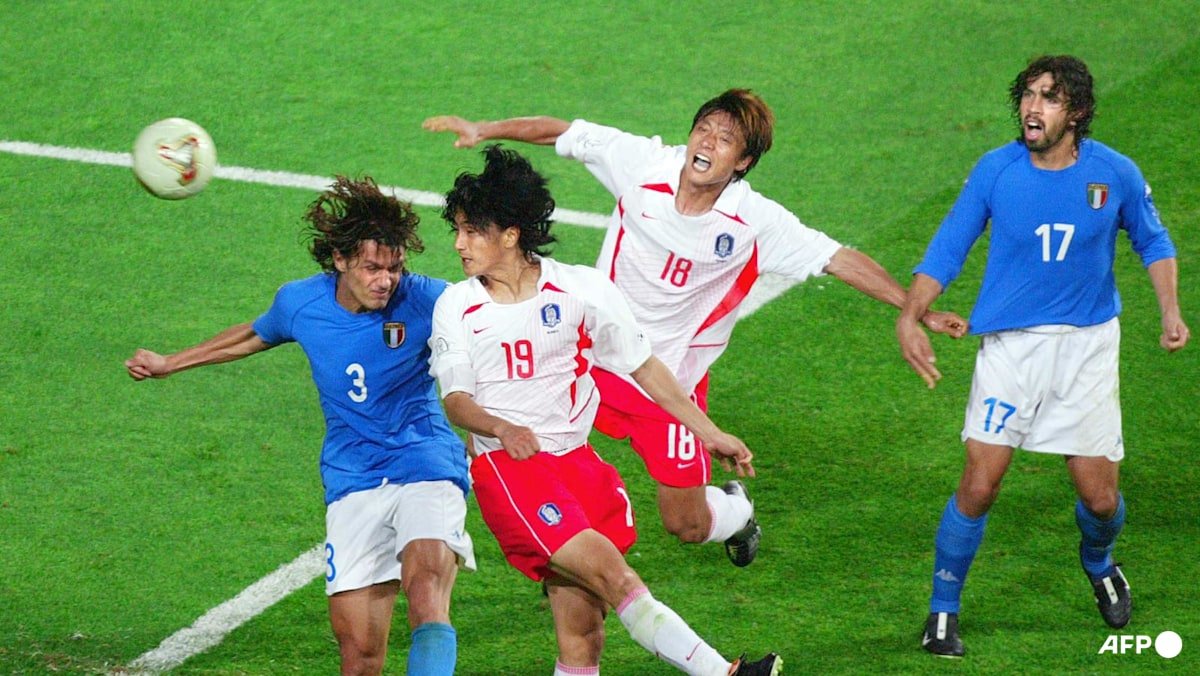
South Korean forward Ahn Jung-hwan heads the ball as he scores the golden goal in their round-of-sixteen match against Italy at the 2002 FIFA World Cup in Daejeon, Jun 18, 2002. (Photo: AFP/Jacques Demarthon)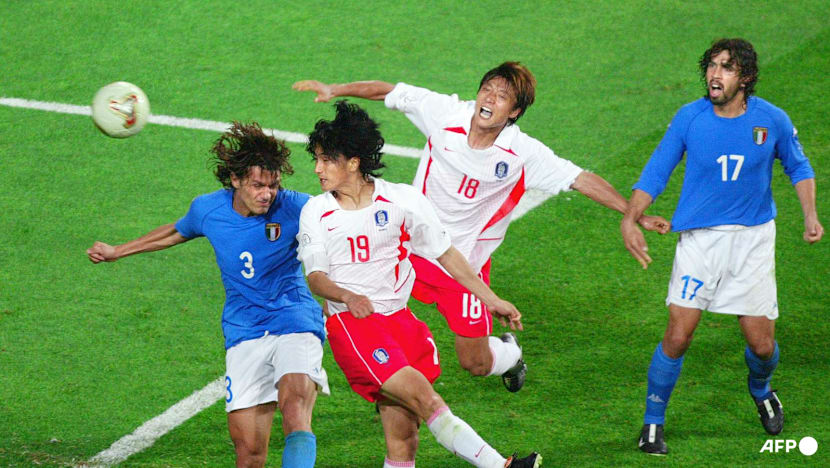
New: You can now listen to articles.

This audio is generated by an AI tool.

Read a summary of this article on FAST.
Get bite-sized news via a new
cards interface. Give it a try.
Click here to return to FAST
Tap here to return to FAST
FAST
SINGAPORE: Asian teams have rarely made deep runs at the World Cup, but the continent has produced some of the tournament’s most memorable underdog stories.
For decades, victories on football’s biggest stage were hard to come by. Asia’s first World Cup win came in 1966, and it had to wait another 28 years for the next.
Yet, despite those challenges, some have defied expectations with giant-killing acts that remain etched in World Cup history.
The 2026 tournament will mark a new chapter. With the competition expanded to 48 teams, the Asian Football Confederation will have a record nine representatives: Australia, Iran, Iraq, Japan, Jordan, Qatar, Saudi Arabia, South Korea and Uzbekistan.
When the tournament kicks off on Jun 12 (Singapore time), they will attempt to write their own piece of history.
CNA looks back at four of the greatest World Cup campaigns by Asian sides – from North Korea’s stunning run in 1966 to Japan’s exploits in 2022.
North Korea 1966: Asia’s first win
North Korea’s World Cup qualification turned out to be a headache for the host, England.
At the time, Britain did not recognise the communist government of North Korea. British officials feared that allowing North Korea’s attendance at the tournament would cause problems, particularly with South Korea, the BBC reported.
With the risk of losing the hosting rights of the World Cup, England relented. To prevent further problems, it also tweaked the rules to ensure that national anthems were only played before the opening game and the final.
On the field, North Korea faced a mountain to climb.
Grouped alongside heavyweights the Soviet Union, former world champions Italy and the third-placed team from the previous World Cup Chile, North Korea were not expected to get anywhere near the knockout stages.
Their opening match was a disastrous 3-0 defeat by the Soviet Union. Against Chile, an equaliser two minutes from time earned them a 1-1 draw – and a lifeline.
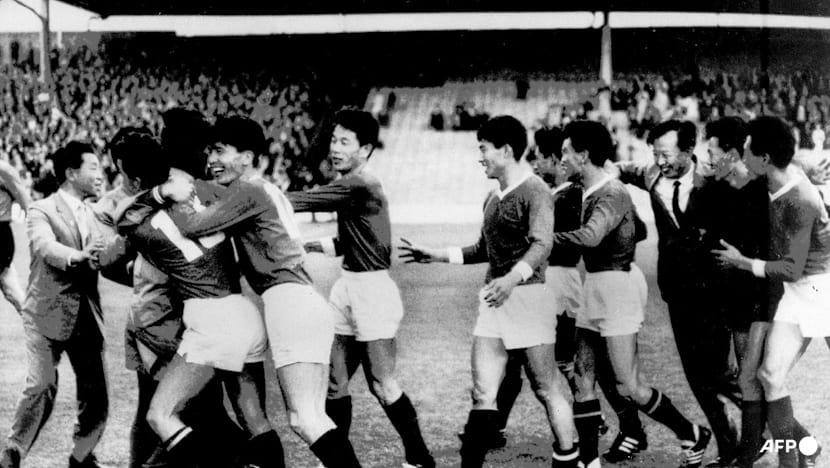
They then did the impossible by beating two-time world champions Italy in the last group game.
In the 42nd minute, a header found striker Pak Doo-ik at the edge of the box, and he smashed the ball past the Italian goalkeeper. The North Koreans then held on for their first World Cup victory, and Asia’s first as well.
With the 1966 edition featuring just 16 teams and the top two teams from each group advancing to the quarter-finals, the result saw North Korea through to the last eight.

Guess Word
Crack the word, one row at a time

Buzzword
Create words using the given letters

Mini Sudoku
Tiny puzzle, mighty brain teaser

Mini Crossword
Small grid, big challenge

Word Search
Spot as many words as you can
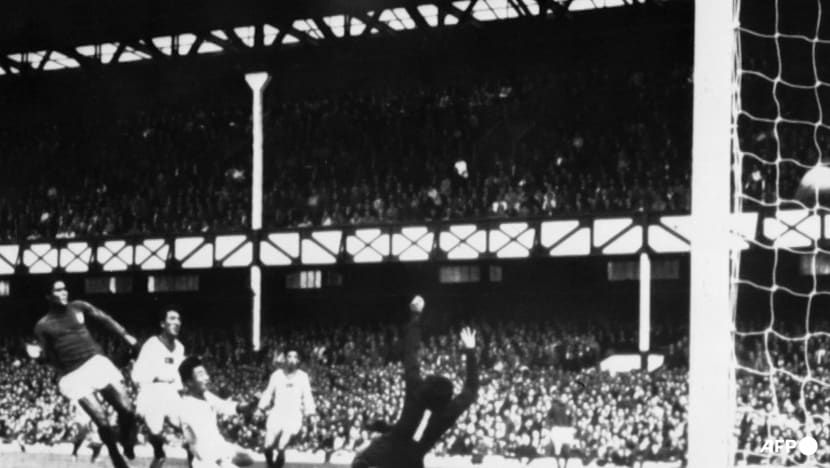
Their second-place finish in Group 4 set up a clash with Portugal.
What followed was one of the World Cup’s great matches. North Korea shocked the Goodison Park crowd by racing to a 3-0 lead inside 25 minutes, only for legendary striker Eusebio to score four times as Portugal fought back to win 5-3.
North Korea and Portugal would face each other in a rematch 44 years later, at the 2010 World Cup. This time, the Portuguese came out 7-0 winners.
Saudi Arabia 1994: Green Falcons land on the big stage
After North Korea’s heroics in 1966, Asia’s next win at a World Cup would again come from a team making its debut – Saudi Arabia.
The Green Falcons were drawn into a group with the Netherlands, Morocco and Belgium.
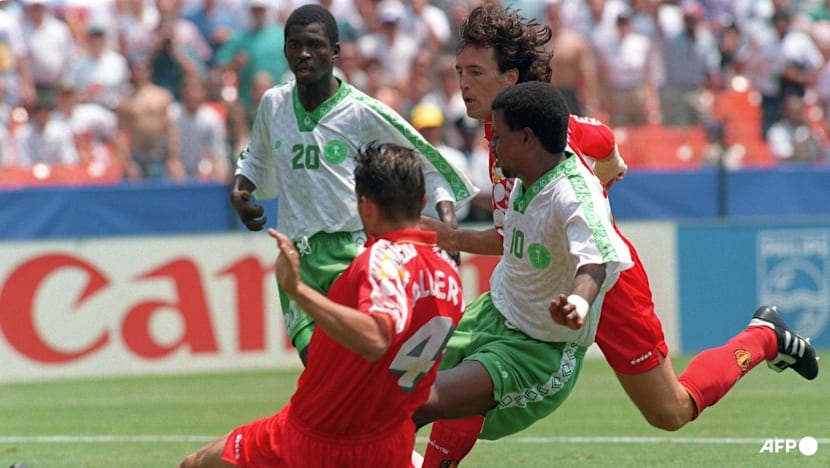
The team lost 2-1 in their opening fixture to a Dutch team that included Frank Rijkaard, Dennis Bergkamp and Ronald Koeman, before bouncing back in their next match to beat Morocco 2-1 for their first World Cup victory.
In their final group game, they defeated Belgium 1-0 to qualify for the knockout stages.
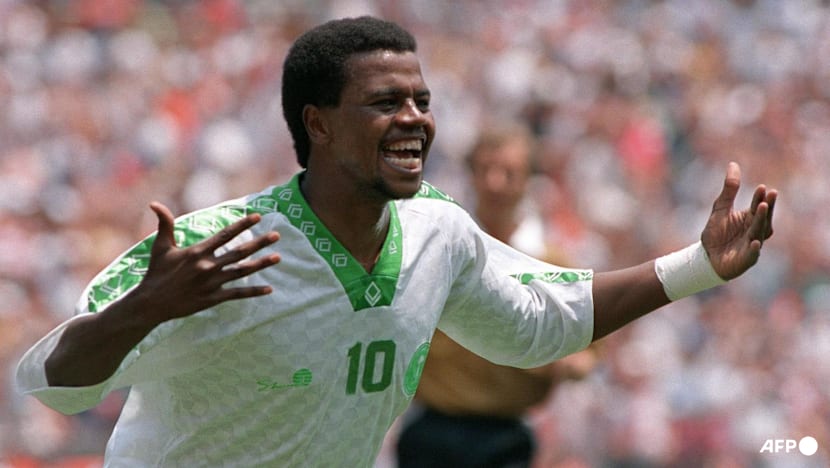
Yet that Belgium game is best remembered for Saeed Al Owairan’s mazy solo goal, reminiscent of Diego Maradona’s effort against England in 1986.
Picking up the ball in his own half, Al Owairan dribbled through the heart of the Belgian midfield and defence, going past multiple players before slotting the ball past the goalkeeper.
During an interview with FIFA in 2024, Al Owairan recalled predictions that Saudi Arabia would lose 12-0 to Belgium.
He described his winning goal as “mythical” – a moment that secured a round-of-16 berth and cemented its place in World Cup folklore.
There was to be no upset against Sweden, however, as the Scandinavians claimed a 3-1 victory on their way to a third-place finish.
Nearly three decades later, Saudi Arabia would produce another famous World Cup shock, defeating eventual champions Argentina 2-1 in Qatar 2022.
South Korea 2002: Asian co-host makes it to the semis
South Korea and Japan were co-hosting the first World Cup on Asian soil.
The Taeguk Warriors were led by Dutch coach Guus Hiddink, who had guided the Netherlands to a fourth-place finish four years earlier.
With a team of Asia-based players and captained by Hong Myung-bo, South Korea were drawn into Group D with the US, Poland and Portugal.
They had played in five World Cups without winning a match. But in front of a home crowd, they ended that run in emphatic fashion.
First, they beat Poland 2-0, before drawing 1-1 with the US. They then dumped a Portugal side including Rui Costa and Luis Figo out of the tournament by winning 1-0 to top their group.
Standing in their way next, in the round of 16, was an Italian team boasting generational talent such as Gianluigi Buffon, Paolo Maldini, Francesco Totti and Alessandro Del Piero.
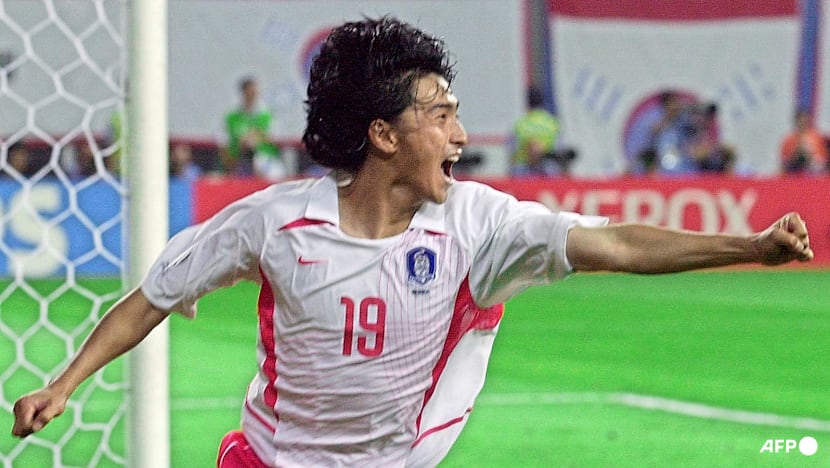
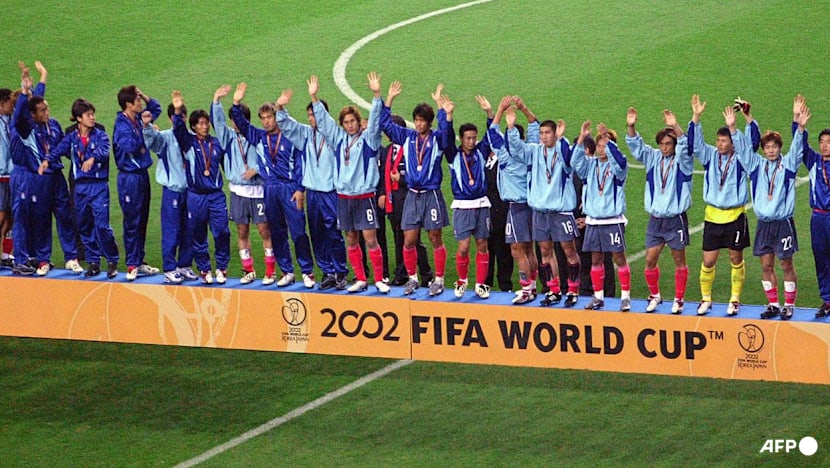
In a physical affair, Italy took the lead, only for South Korea to equalise two minutes from time. Then came Ahn Jung-Hwan’s golden-goal header, sparking euphoria across South Korea.
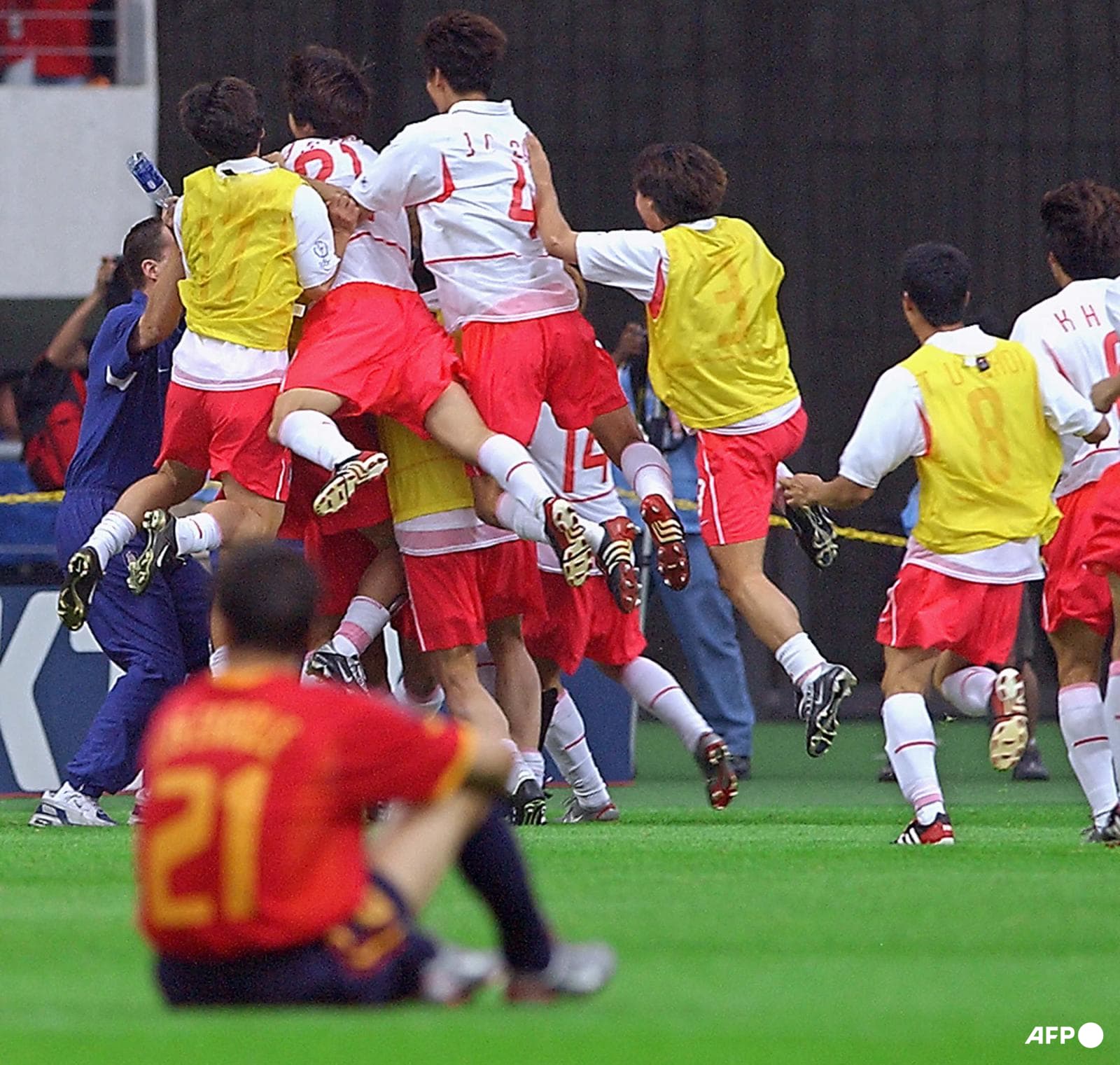
Against Spain, the match ended goalless and had to be decided by penalties.
After goalkeeper Lee Woon-jae saved Joaquin’s spot-kick, captain Hong slotted his penalty past Iker Casillas to send South Korea into the semi-finals.
However, South Korea fell 1-0 to Germany in the last four and went on to lose to Turkiye in the third-place play-off.
Ahn’s winner against Italy also had repercussions off the pitch. The striker’s loan contract with Italian club Perugia was reportedly terminated after his exploits against the Azzurri.
“I regard such behaviour not only as an affront to Italian pride but also an offence to a country which two years ago opened its doors to him,” Perugia president Luciano Gaucci was quoted as saying in sports daily Gazzetta dello Sport.
Gaucci later backed down from his decision but Ahn’s football career remained in limbo due to contractual issues.
A Japanese firm eventually paid the compensation Perugia demanded, and Ahn subsequently joined Japanese league club Shimizu S-Pulse.
The South Korean side of 2002 remains the only Asian team to have made a World Cup semi-final to date.
Japan 2022: Samurai Blue slay giants to top group
Heading into Qatar 2022, Japan had the experience of progressing to the round of 16 on three occasions – 2002, 2010 and 2018.
But few fancied their chances of making it out of the group stage this time around, with heavyweights Germany and Spain favourites to go through instead.
Yet the Samurai Blue pulled off the impossible – not only did they qualify from their group, they topped it.
Japan came from behind in both their 2-1 wins against Germany and Spain. The results were a testament to their resilience, especially after a 1-0 defeat to Costa Rica on matchday two threatened to derail their campaign.
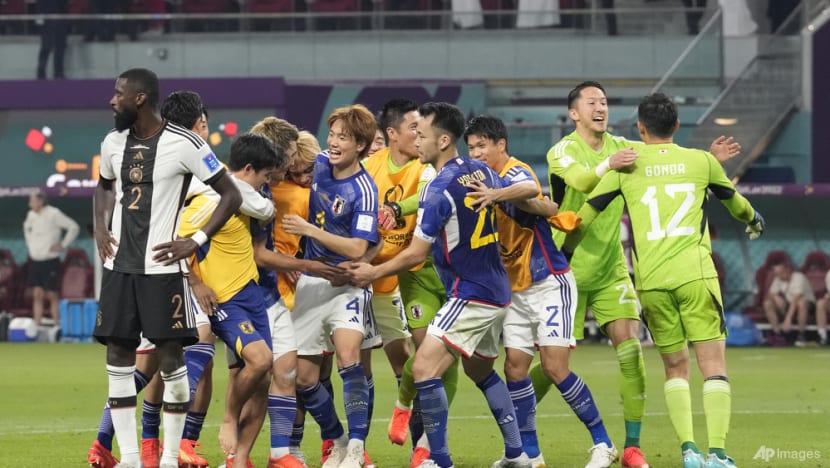
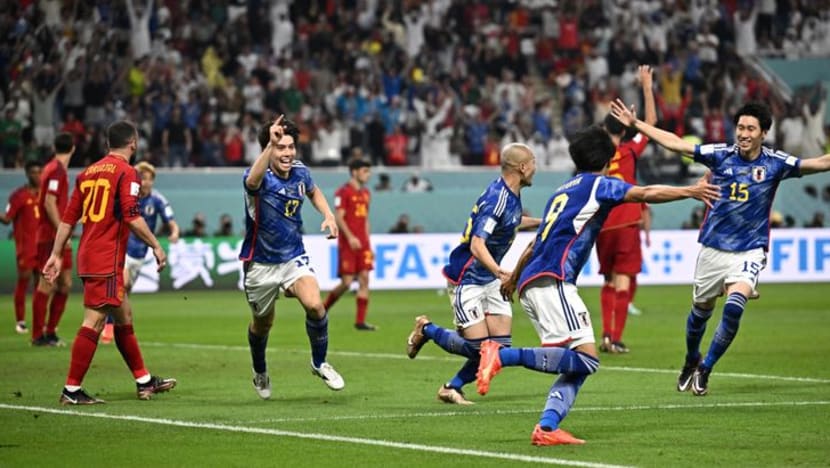
In the win against Spain, Japan had only 18 per cent ball possession – the lowest recorded for a winning team in a World Cup game, according to FIFA.
Japan coach Hajime Moriyasu had said before the tournament that the target for Japan was to get beyond the round of 16 for the first time.
However, that was not to be, as they lost to 2018 finalists Croatia in the next round. After a 1-1 draw over 120 minutes, Japan bowed out on penalties to the eventual third-placed team.
Although Japan fell short of a first World Cup quarter-final, victories over Germany and Spain signalled the country’s growing stature in the game.
Reflecting on the campaign, Moriyasu said: “The players showed us the future, a new era of Japanese football.
“We beat Germany, we beat Spain … If we take confidence in that, and if we think about overtaking these teams rather than just catching up, the future is bright.”
Source: CNA/fh
Sign up for our newsletters

Get the CNA app
Stay updated with notifications for breaking news and our best stories
Get WhatsApp alerts
Join our channel for the top reads for the day on your preferred chat app

Get bite-sized news via a new
cards interface. Give it a try.
Click here to return to FAST
Tap here to return to FAST
FAST