


Stuck in low gear at home, Singapore’s electric motorcycle firms find traction abroad
Challenges such as limited battery capacity and high prices have made electric motorcycles a hard sell to the everyday rider in Singapore.
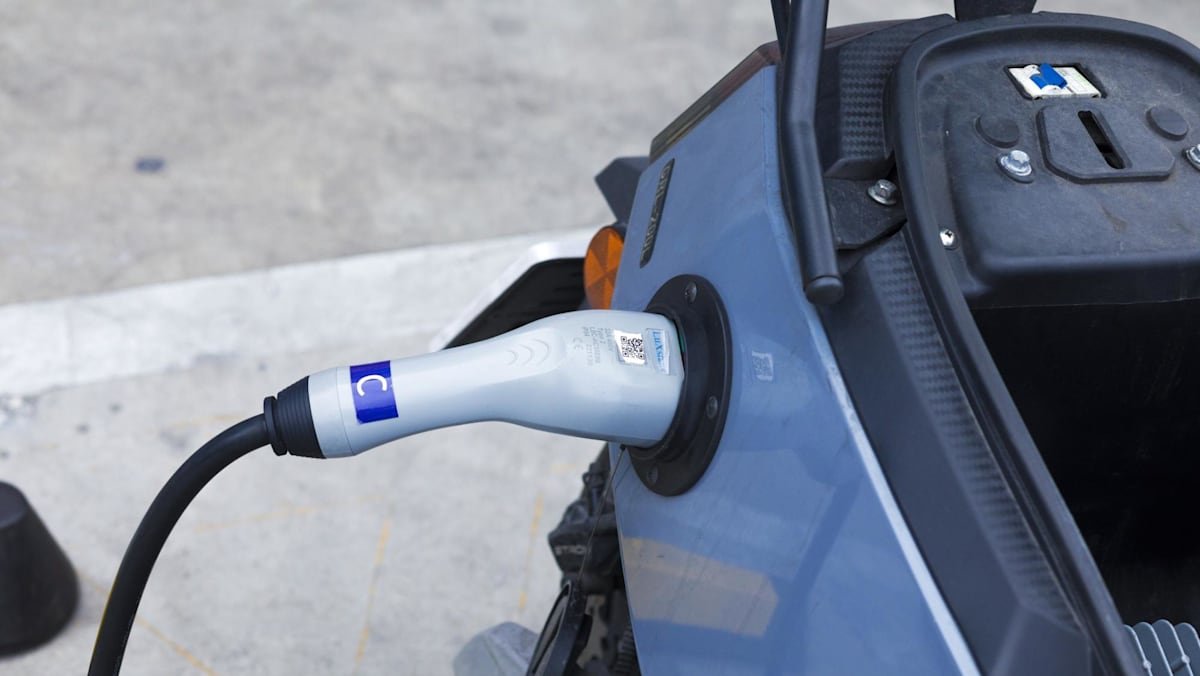
An electric motorcycle being charged. Singapore firms are looking to invest in plug-in charging for electric motorcycles, taking advantage of the wide network of charging points. (Photo: iStock)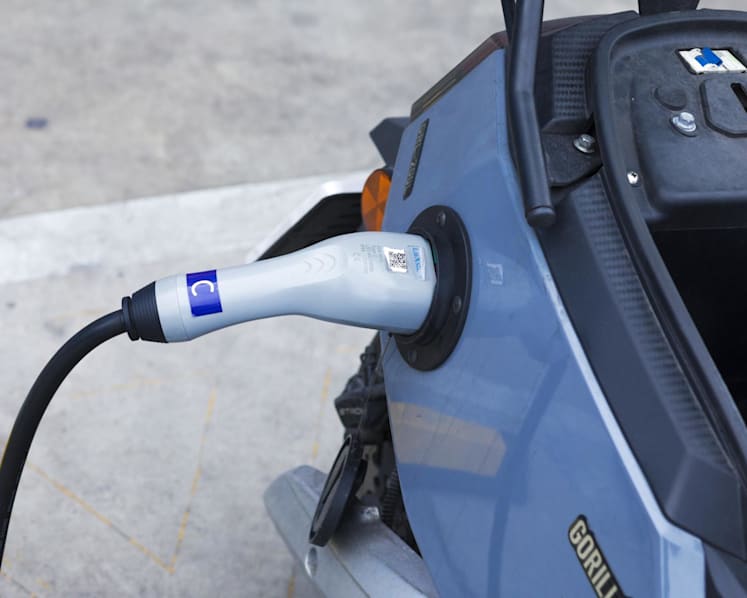
New: You can now listen to articles.

This audio is generated by an AI tool.

Read a summary of this article on FAST.
Get bite-sized news via a new
cards interface. Give it a try.
Click here to return to FAST
Tap here to return to FAST
FAST
SINGAPORE: When Singapore launched trials of battery “swap and charge” stations for electric motorcycles in 2022, the technology was seen as one possible route towards getting cleaner-energy motorcycles on the roads.
Two years later, one of the companies involved, Mo Batteries, abandoned plans to launch its battery-swapping service, citing the significant time and investment needed to meet regulatory requirements. The firm has since been deregistered.
Electric motorcycles have meanwhile barely made a dent in Singapore, with 433 on the roads as of July, accounting for 0.2 per cent of the motorcycle population. Electric cars, by comparison, have grown to more than 69,000, or over 10 per cent of the car population.
Yet Singapore’s electric motorcycle companies are not standing still. Several have looked overseas for growth, targeting countries where motorcycles are far more widely used.

Guess Word
Crack the word, one row at a time

Buzzword
Create words using the given letters

Mini Sudoku
Tiny puzzle, mighty brain teaser

Mini Crossword
Small grid, big challenge

Word Search
Spot as many words as you can
Some are now turning their attention back to Singapore with a different approach: motorcycles that plug into existing electric vehicle (EV) charging infrastructure instead of battery-swapping stations, and corporate fleets to make the economics work before mass-market consumers come onboard.
The Land Transport Authority (LTA) told CNA it is “progressively encouraging the electrification of different vehicle segments, including motorcycles”, as part of Singapore’s push towards 100 per cent cleaner energy vehicles by 2040.
It added that electric motorcycle adoption remains “at an early stage” compared with four-wheelers.
GOING WHERE THE MOTORCYCLES ARE
For some firms, the answer to a sluggish domestic market has been straightforward: go where the motorcycles are.
Indonesia has the world’s second-largest motorcycle population, estimated at 112 million to 139 million units and accounting for 85 per cent of all motorised vehicles there.
Singapore, in comparison, has more than four times as many cars as motorcycles.
Electric two-wheeler firm Kilats has operated in Indonesia since 2024, renting almost 700 electric motorcycles to Grab in Bali and Bandung, supported by 44 battery-swapping stations.
Co-founders Vincent Yap and Sheldon Lee said the scale of the Indonesian market prompted him to start there. The firm plans to expand within Indonesia, move into Thailand by the end of this year, and enter Vietnam and the Philippines in 2027.
Mr Yap currently has no vehicles operating in Singapore, which he described instead as a “springboard” for regional expansion.
“Using Singapore as the funding and brain-base allows companies to scale faster across the region, in terms of permits, partnerships and capital deployment,” he said.
“Singapore is our ‘mothership’ and investment holding vehicle where we plan to have direct shareholding interests in all operations overseas.”
Local firm Charged Asia gets all of its current revenue from Indonesia and is looking to expand into Malaysia. CEO Joel Chang said the firm has deployed more than 5,000 motorcycles in Indonesia and is on track to deploy over 300,000 across the region in the “next few years”.
Leo Electric also looked overseas first, exploring deployments in Nigeria and the Middle East, though those plans were held back by infrastructure and geopolitical challenges.
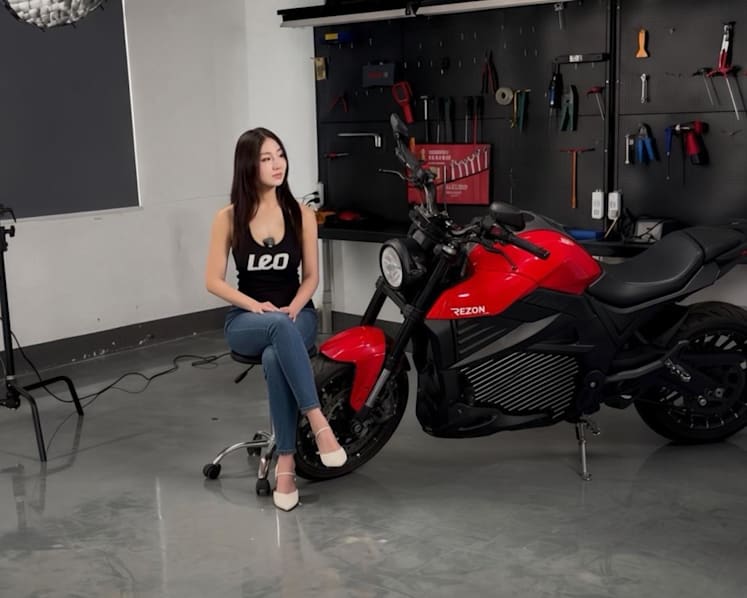
While it looks to launch its bikes in Nigeria next year, it is also turning its attention closer to home, working with Kilats to introduce an electric motorcycle model in Singapore this year – one designed to plug into the charging infrastructure already used by electric cars.
“Beyond vehicle sales, we are also exploring opportunities in charging infrastructure as a potential area of expansion,” said chief operating officer Nicholas Ng.
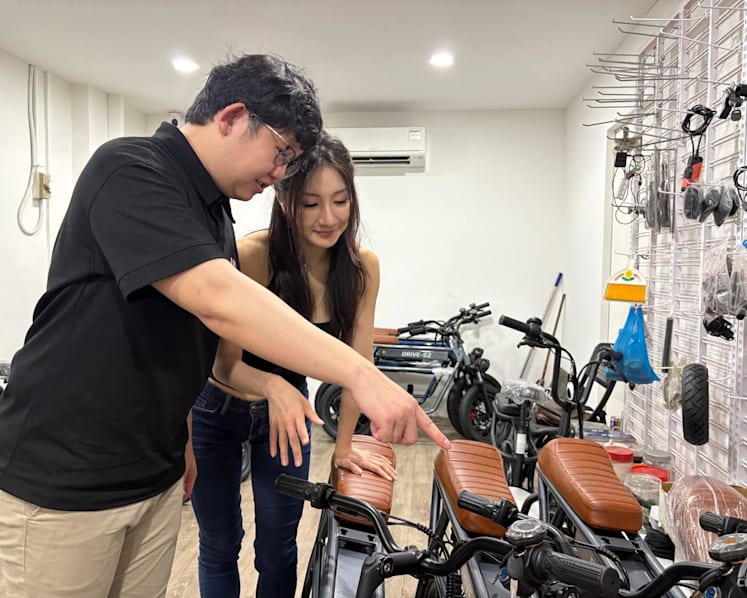
Prices have not been firmed up, but Mr Ng said the new model will cost “slightly more” upfront than a typical petrol bike of its class.
“But it will save more in the long run due to petrol and maintenance, like a typical electric car to petrol car comparison,” he said.
Mr Chang said Charged Asia also plans to launch a new model here this year that can draw on existing charging infrastructure.
Singapore’s motorcycle population, though small, is still “meaningful” to the company since it was founded here, he added, and motorcycles remain a necessity for “certain mobility use cases”.
WHY BATTERY-SWAPPING MAY NOT WORK HERE
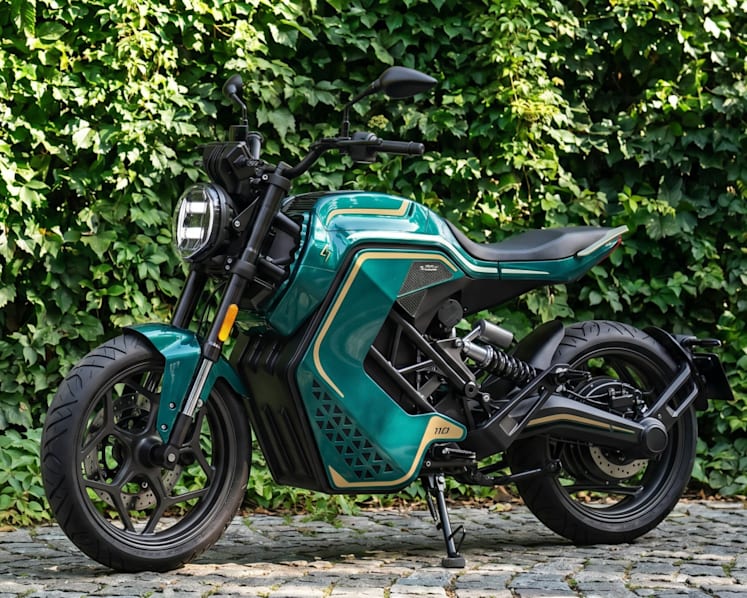
Both Kilats and Leo Electric said battery-swapping may not be feasible for electric motorcycles in Singapore.
“Singapore is a charging market, as electric two-wheelers need higher capacity batteries and motors to accommodate use on Singapore’s highly efficient road and highway infrastructure,” said Mr Lee.
Frequent highway travel means motorcycles often run at high speeds, which drains a swappable battery faster than a heavier, in-built one, he said. “As such, we don’t foresee us building swapping infrastructure in Singapore for the next few years.”
Transport economist Walter Theseira from the Singapore University of Social Sciences agreed, noting that the dominant battery-swapping models use “very small batteries” light enough to hand-swap.
“Where the usage model is within a neighbourhood for delivery, and so on, I would say there’s no problem,” he said. “But if you are talking about a courier going from Tuas to Changi multiple times a day, you can see that you have got to swap basically every couple of hours.”
Low ridership is a related problem, said transport analyst Terence Fan, assistant professor at the Singapore Management University.
“For innovations like battery-swapping to work, we need to have a sufficient number of users to begin with – we don’t seem to quite have that for motorcycles,” he said.
Leo Electric CEO Jeelian Leong said building a swapping network and the wider ecosystem around it would take “a few years”, noting that plug-in charging points also took years to reach their current scale.
Plug-in charging comes with its own hurdles, Associate Professor Theseira said, including public uncertainty over whether electric motorcycles can legally charge at public EV charging lots.
LTA confirmed to CNA that electric motorcycle users can charge their vehicles at EV charging points across the island.
02:55 Min While the number of electric motorcycles on Singapore roads has jumped by more than 20-fold in the past year, most of these vehicle are from companies looking to green their fleets. So why are consumers holding back? Jeraldine Yap explains.
THE PATH TO MASS MARKET
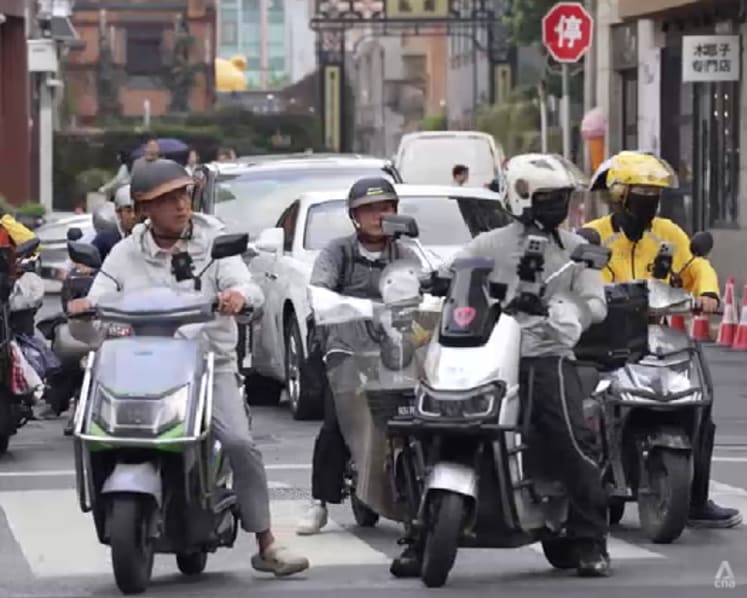
Electric motorcycles are not yet economically viable for the general consumer, said Mr Lee.
“Brands have been trying to sell to retail consumers, who are just not convinced yet as many aspects such as range anxiety, access to energy, battery life-cycle and costs are not yet proven to them,” he said.
He expects electric motorcycle firms to find better traction over the next two to three years selling to businesses instead – government-related entities, logistics, last-mile and quick-commerce companies – whose gig workers would feel immediate savings on petrol, and which face growing pressure to meet sustainability targets.
“Hence it is the business-to-business model and experiencing the immediate cost savings will be key to driving adoption in the near term,” he said.
“With more electric two-wheelers on the road in use by businesses, the visibility of their use becomes apparent and hopefully will bring credibility and instil confidence in consumers.”
Mr Chang suggested government policies could help, similar to those for cars – a vehicle emissions scheme penalising new pollutive motorcycles, alongside subsidies for electric ones.
“Just like electric cars versus internal combustion engine cars, there should be some sort of carrot-and-stick approach,” he said.
Affordability remains a hurdle, said Asst Prof Fan. Electric motorcycles with a decent range and battery capacity come at a premium, while traditional motorcycle users “may have thinner budgets than the sedan counterparts, and so would be less likely to increase their cash outlay now to lock in future gains in operating costs”.
WHAT’S NEXT?
LTA said it has been supporting adoption by establishing pathways for the homologation – the official certification process confirming a product meets regulatory standards – and deployment of electric motorcycle models, and by building more charging infrastructure.
It has also worked with the industry to facilitate the roll-out of swappable batteries at battery swap-and-charge stations islandwide. Even so, LTA said, adoption remains low partly because of motorcycles’ shorter driving range and lower power compared with their petrol equivalents.
Assoc Prof Theseira said battery capacity has held the industry back. Cars can carry heavier, larger batteries to extend their range, but motorcycles are more limited.
“For motorcycles to achieve the same range, you need to put in batteries which will greatly increase the weight as well as greatly increase the cost,” he said.
Still, Leo Electric’s Mr Ng is hopeful technology can shift the balance.
“As electric motorcycle technology continues to improve and costs become more competitive, I would not be surprised to see more ambitious electrification targets for motorcycles in the next decade,” he said.
“Ultimately, every electric vehicle on the road contributes towards Singapore’s sustainability goals.”
Source: CNA/jx(cy)
Sign up for our newsletters

Get the CNA app
Stay updated with notifications for breaking news and our best stories
Get WhatsApp alerts
Join our channel for the top reads for the day on your preferred chat app

Get bite-sized news via a new
cards interface. Give it a try.
Click here to return to FAST
Tap here to return to FAST
FAST
About The Author



