


‘They watch and leave’: China’s rocket hub Wenchang wants launch-day crowds to stay longer, fuel tourism
As rocket launches draw crowds to Wenchang, the coastal city in Hainan is trying to turn the spectacle into something more lasting – from tourism and manufacturing to satellite data, businesses and jobs.
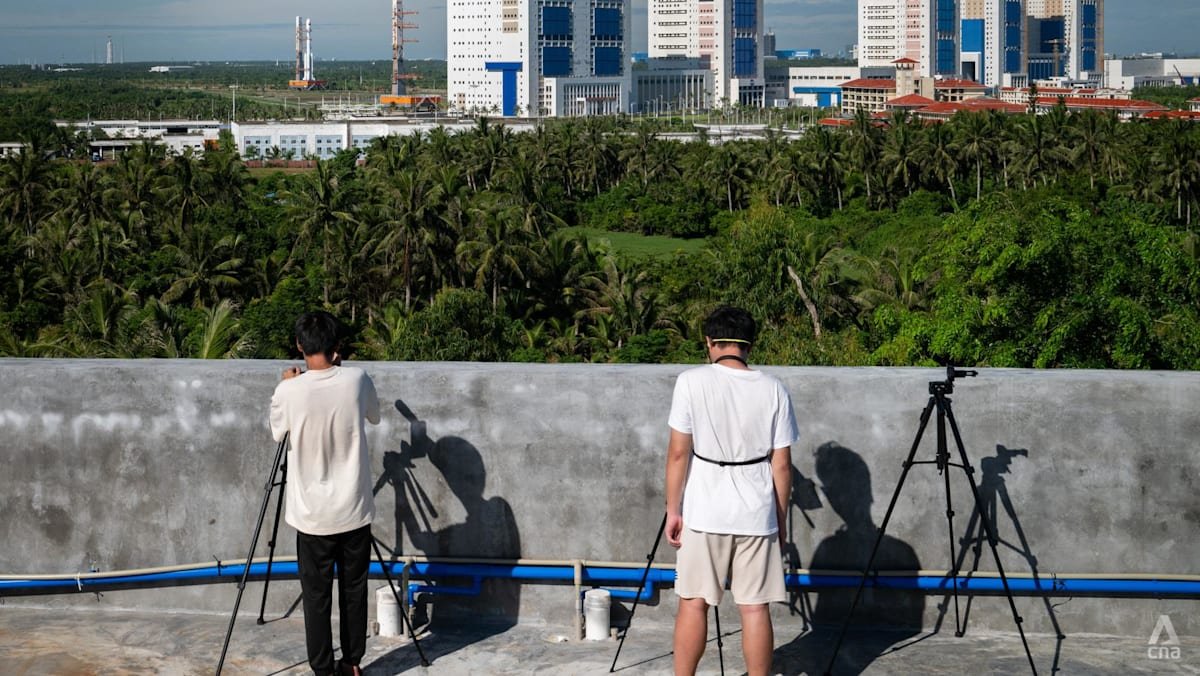
Rocket enthusiasts capturing photos and videos of the Long March-7A rocket as it is being rolled out to the launch pad in Wenchang, China on Aug 8, 2026. (Photo: CNA/Lan Yu)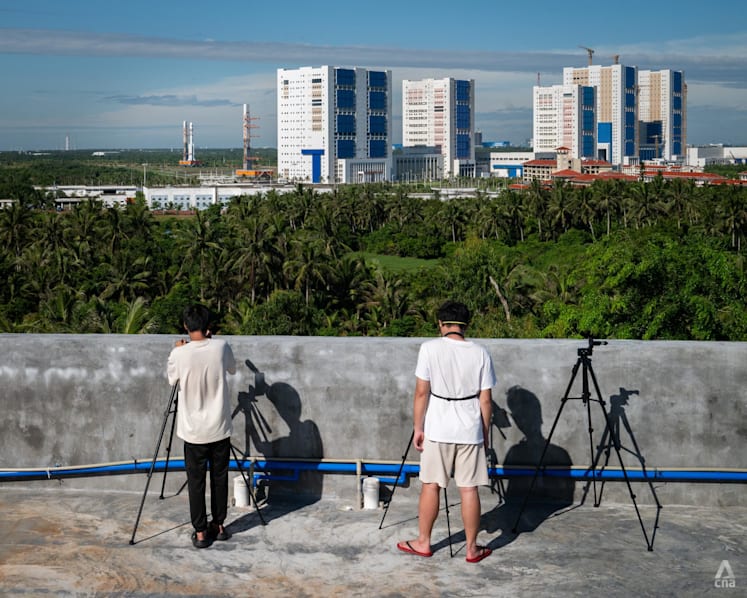
New: You can now listen to articles.

This audio is generated by an AI tool.

Read a summary of this article on FAST.
Get bite-sized news via a new
cards interface. Give it a try.
Click here to return to FAST
Tap here to return to FAST
FAST
WENCHANG, Hainan: The rocket has not launched yet, but Chen Huanpeng is already chasing it.
Days before liftoff, the 23-year-old and a group of young enthusiasts criss-cross Longlou, a coastal area of Wenchang city known locally as ‘Rocket Town’, tracking the launch vehicle as it makes its way overland towards the pad.
They know where to wait for the best shots. On one recent chase, Chen watched as the rocket passed coconut trees and grazing cattle – a scene that captured Wenchang’s unusual new normal.
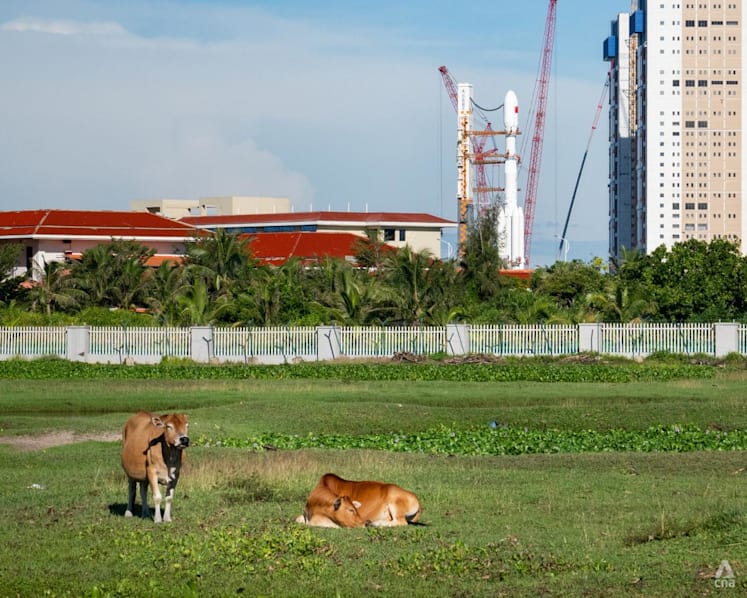
“It shows that rocket launches in Wenchang have already become part of everyday life,” he said.

Guess Word
Crack the word, one row at a time

Buzzword
Create words using the given letters

Mini Sudoku
Tiny puzzle, mighty brain teaser

Mini Crossword
Small grid, big challenge

Word Search
Spot as many words as you can
Between filming stops, the group gathers over laoba cha – literally “old dad’s tea”, a Hainan tradition of lingering over inexpensive tea and snacks – to replay footage, discuss upcoming launches and, increasingly, talk business.
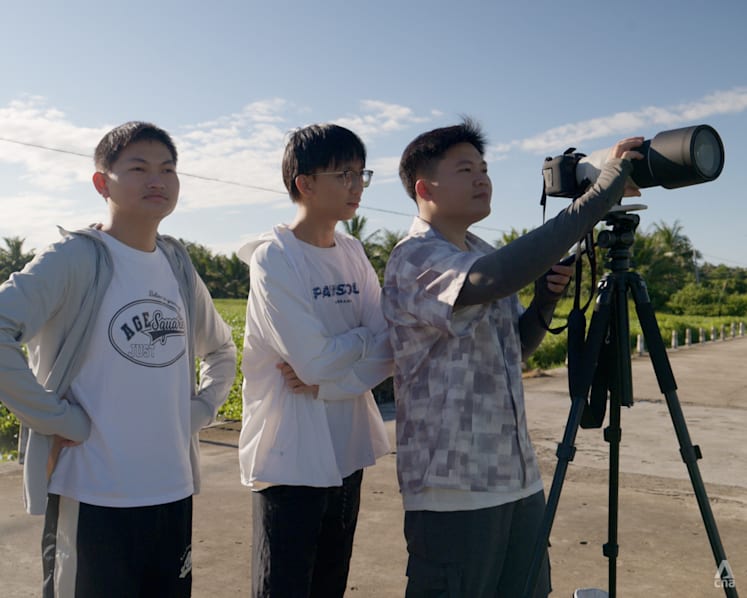
Chen makes 3D-printed rocket models and aerospace education products. The money is modest for now – enough, he says, to cover little more than basic living expenses – but he hopes eventually to start his own company and remain in Wenchang.
His ambitions reflect a much bigger bet being made by his hometown.
Long known for its coconut groves and famous Wenchang chicken, the city is now betting on rockets to power its next chapter.
For Wenchang, experts said, the challenge is no longer just getting rockets into space – it is getting the economy around them to take off too.
Officials are pursuing that goal by building an aerospace ecosystem spanning rockets, satellites, data applications and tourism, as part of China’s broader national push to develop aerospace as a strategic emerging industry.
The harder test is whether that ecosystem can create lasting businesses, investment and jobs.
WHY WENCHANG?
Wenchang’s advantage starts with where it sits.
At about 19 degrees north, it is relatively close to the equator, where the Earth’s rotation gives rockets an extra boost during the launch, Gregg Li, professor and ambassador for NewSpace at the University of Hong Kong’s (HKU) Laboratory for Space Research, told CNA.
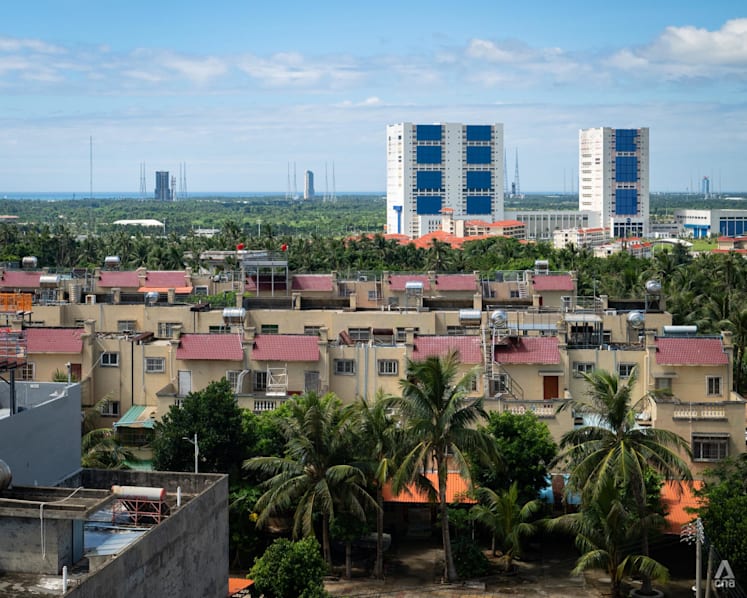
Its coastline offers another advantage. China’s older launch sites – including Jiuquan, Taiyuan and Xichang – remain active, but are located far inland, making rocket transport more complicated and expensive, said Blaine Curcio, founder of space industry consultancy Orbital Gateway Consulting.
“Wenchang, being coastal, you can put a rocket on a ship and send it down there,” he said.
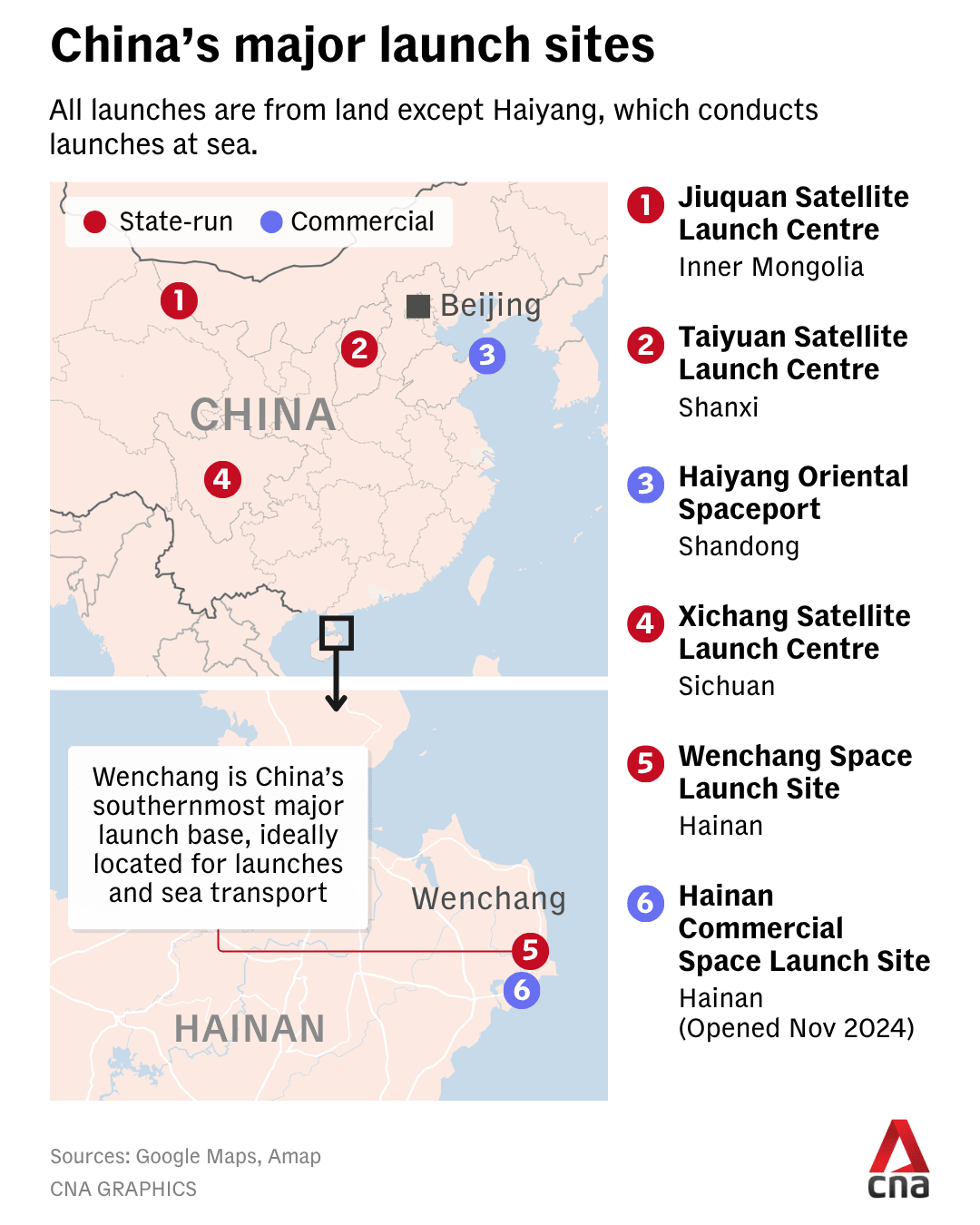
That geography helped make Wenchang a launch hub.
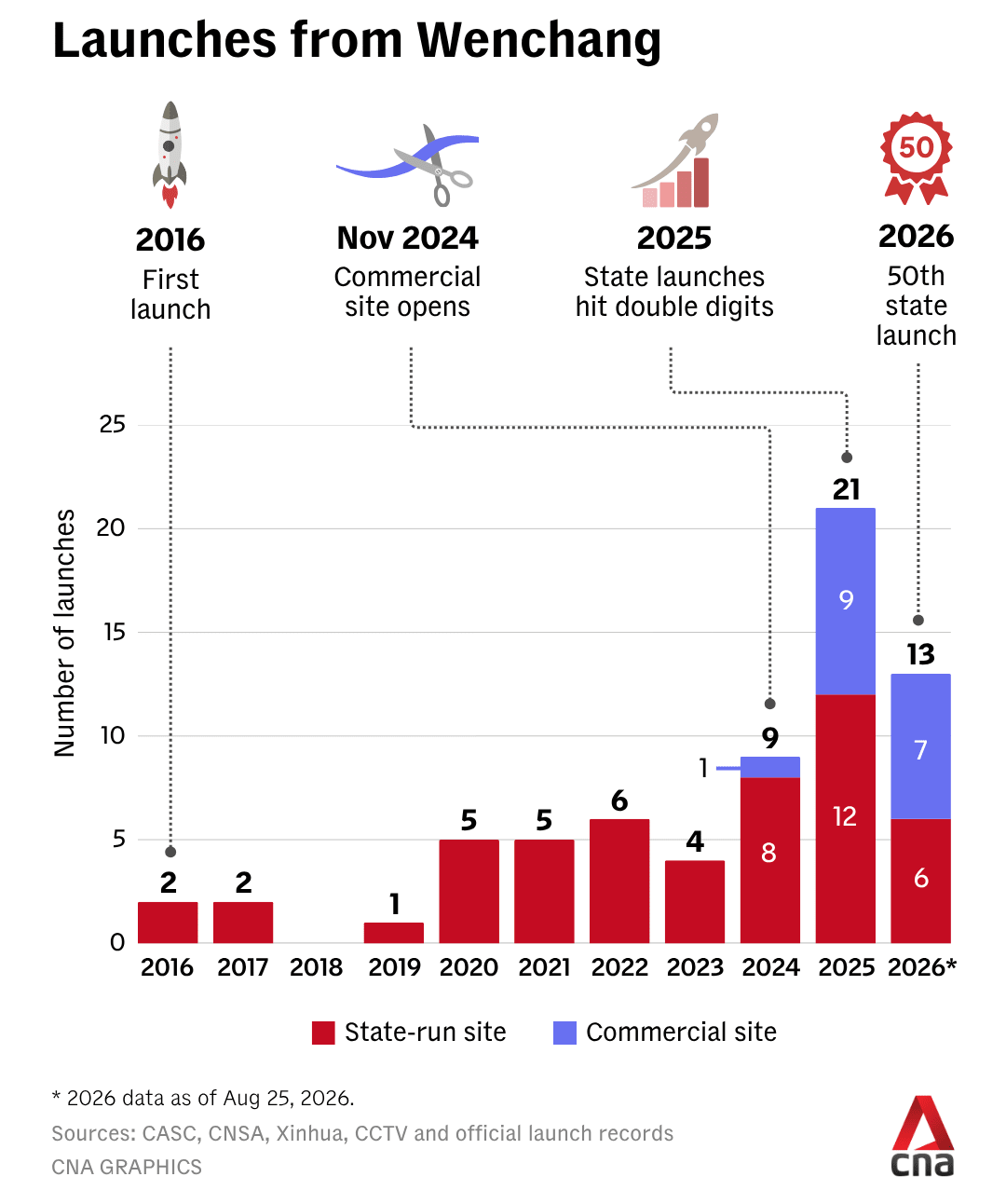
Wenchang’s state-run launch site conducted its first mission in 2016. Nearly a decade later, the city added China’s first dedicated commercial space launch site in November 2024 – making it the only place in China with both state-run and commercial launch facilities.
But its ambition goes beyond launches. Authorities want to build an aerospace economy, with a focus on tourism and a broader industrial chain from manufacturing and operations to downstream applications, said Professor Xie Xiangxiang of Hainan University’s School of International Tourism and Public Administration.
Wenchang’s mayor Cao Shuyu said at an Aug 17 press conference that the city aims to become an “internationally first-class aerospace city” and build an aerospace cluster with global influence.
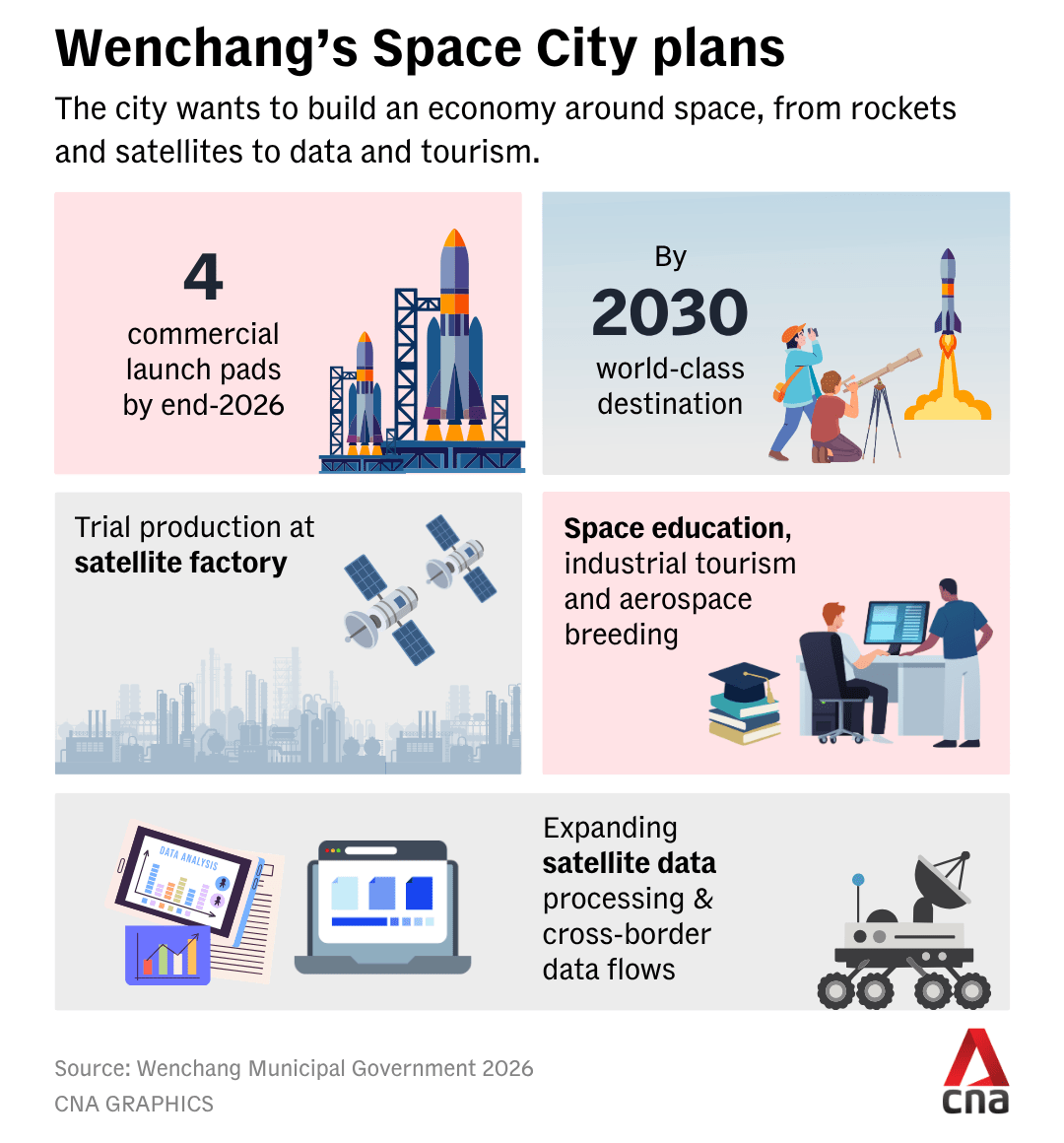
As of April, Wenchang International Aerospace City was home to 673 aerospace companies, up from 30 in 2021. It recorded 23.53 billion yuan (US$3.5 billion) in revenue last year, more than double the 2022 figure of 10.7 billion yuan, according to official data.
But HKU’s Li cautioned that infrastructure alone is not enough.
“It’s not there yet, but Wenchang is becoming the base,” he said.
YEARS OF WAITING
For Liang Qihang, 38, founder of Xingjian Seaview Hotel and a lifelong Longlou resident, the excitement around Wenchang’s space ambitions is familiar.
He has seen it before.
“It was a remote little fishing village,” he said.
When China began developing the Wenchang state-run launch site in the late 2000s, investors followed, betting that rockets would bring visitors to Longlou and the surrounding coast.
Hotels were among the earliest bets. The Hilton Wenchang opened in 2015, as local investors positioned themselves for an expected launch boom that year, becoming the city’s first internationally branded high-end hotel. Other projects planned for nearby Qishui Bay were slower to materialise.
“Many people invested in hotels,” Liang said. “But later, because the launch was delayed, many hotels were left unfinished.”
Some never got beyond their concrete shells, he said.
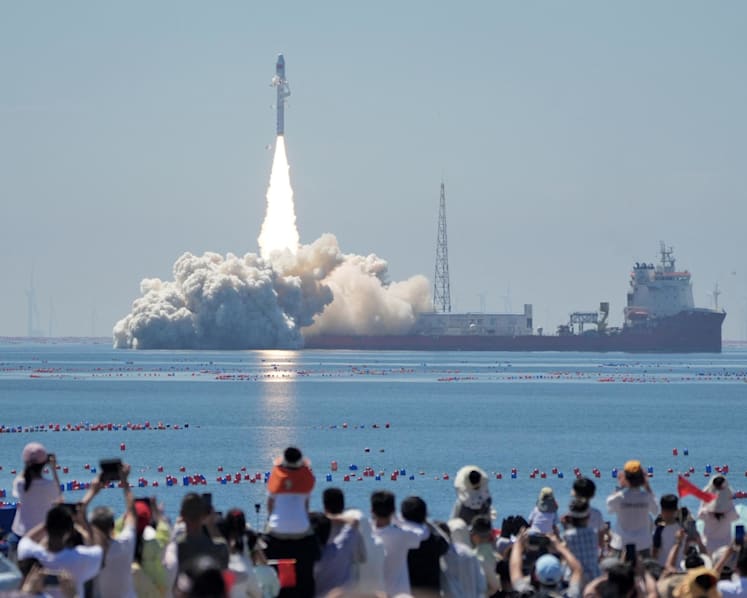
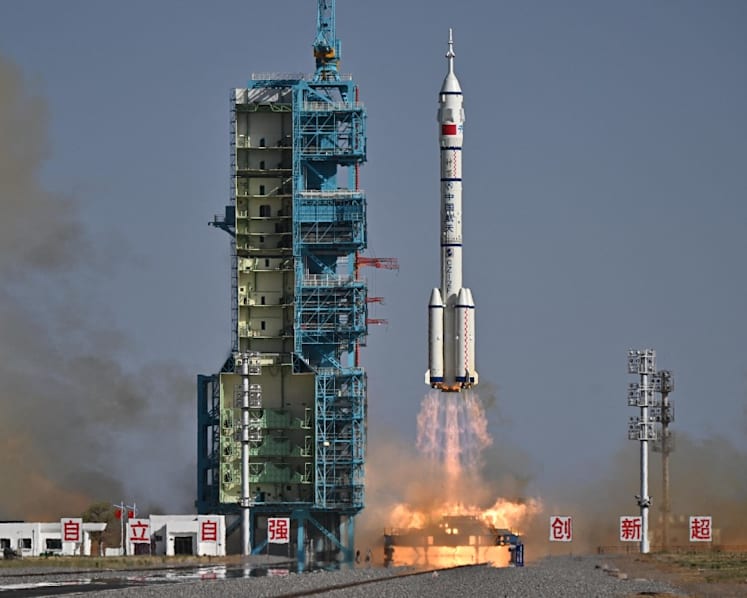
That maiden launch finally arrived in June 2016, about a year later than the timeline that many local businesses had anticipated. But missions remained sporadic in the early years.
Liang remembers aerospace-related development around him going through “two or three waves of big rises and falls”. He was referring to the initial investment rush after Wenchang was selected as a launch site, another wave of optimism after the first launch, and subsequent periods of slower growth.
Those earlier waves remain visible around Longlou and Qishui Bay, where unfinished buildings stand alongside completed resorts. At Nanyang Meilihui, a commercial complex completed in 2020, CNA found most shops shuttered even on launch days.
During CNA’s visit, some previously stalled developments showed signs of activity again, while new projects were taking shape.
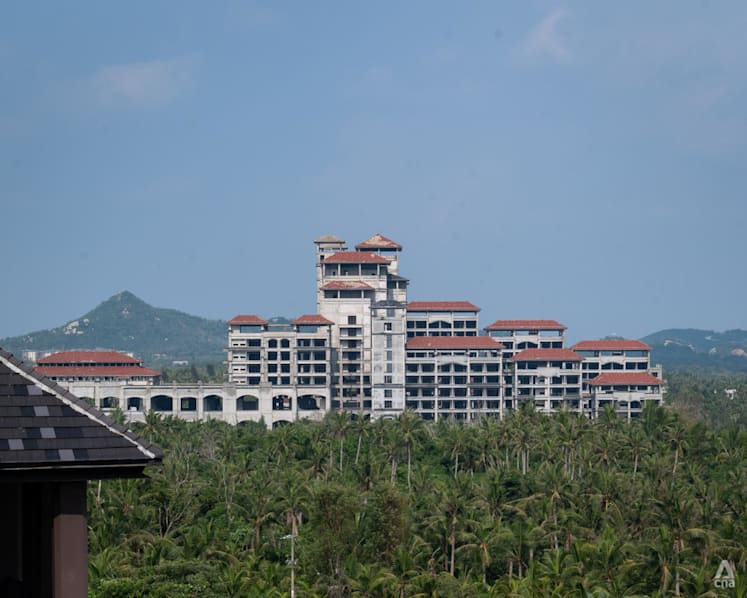
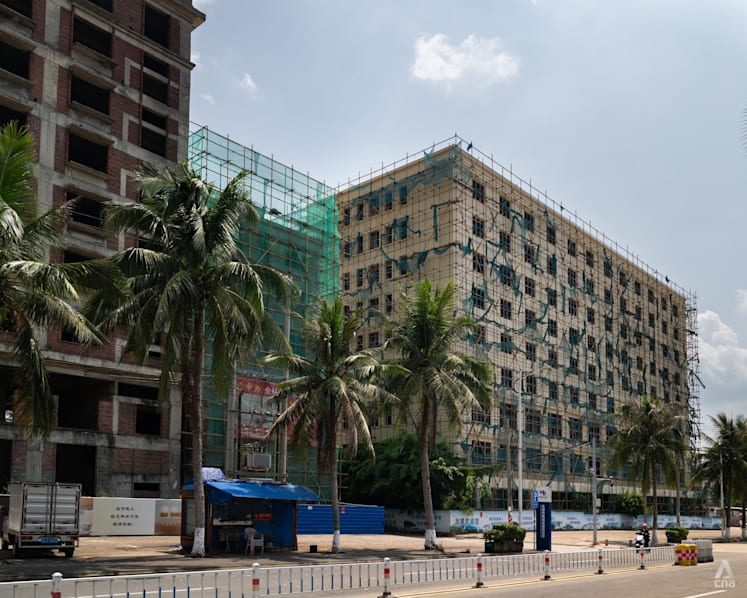
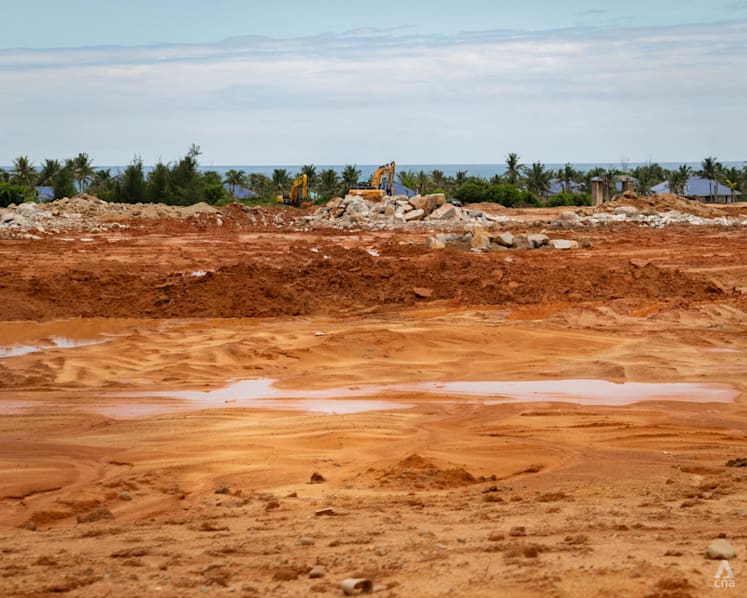
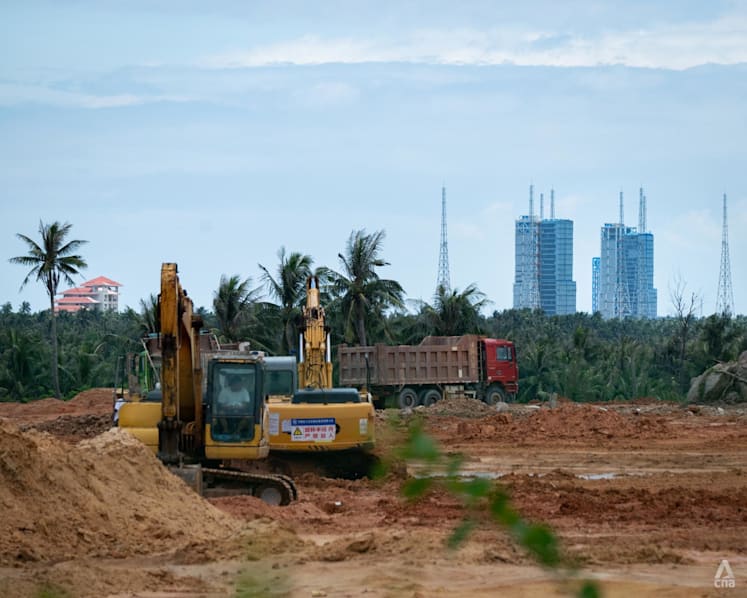
One difference this time is clear: more rockets are flying. Wenchang’s state-run and commercial sites together recorded 21 orbital missions in 2025, a sharp rise from the city’s previously occasional launches.
For Huang Bodong, 24, that has created a business opportunity.
He remembers hearing Wenchang’s first launch from his high school about 30km away.
“All the students ran to the windows and kept looking at the sky,” he said.
As launches became more frequent, Huang began travelling to Longlou to film them. Now his hobby is a business: his Lanyue No. 1 Rocket Launch Viewing Platform was fully booked well ahead of the Aug 10 launch.
But the changes have also disrupted older livelihoods.
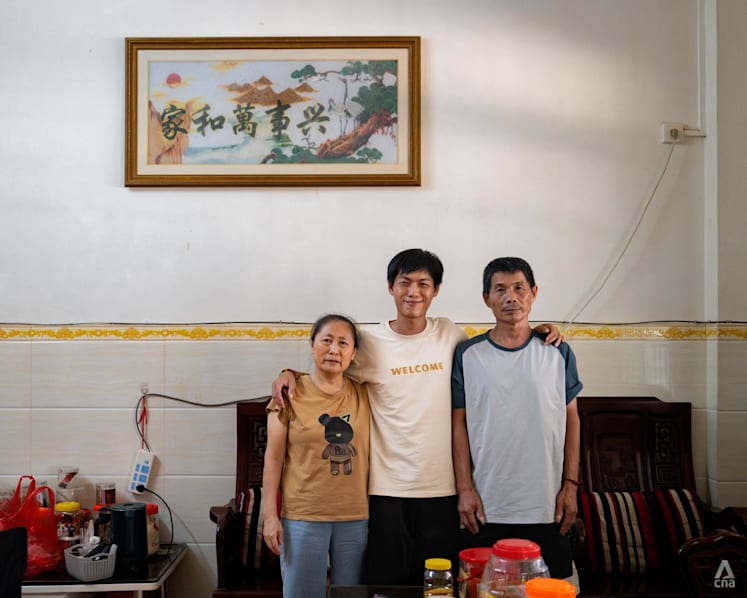
Chen Yao, 26, and his mother, 60-year-old Wu – who asked to be identified only by her surname – live in a resettlement community in Longlou for residents relocated from villages near the state-run launch site.
Their family moved there in 2011 after their home and farmland were acquired.
Now, they are expanding their rooftop into a launch-viewing space, hoping it can provide work for Chen, who previously left Hainan for a job in Jiangsu.
For Wu, that could mean having her son closer to home.
“We are getting old,” she said. “I hope he can find a job nearby so he can also look after us.”
CAN THE BOOM LAST?
Building tourism around rockets comes with an inherent uncertainty: launch dates can change or missions can fail, disrupting plans built around them.
Wenchang offered a stark reminder on Aug 10, when a Long March 7A rocket failed shortly after liftoff.
From the rooftop viewing platform at Liang’s Xingjian Seaview Hotel, CNA watched with Chen, Huang and other rocket chasers as it lifted off from the state-run launch site.
About 85 seconds later, cheers turned to startled exclamations as the rocket appeared to break apart in the sky. The mission failed, and the cause remains under investigation.
“It’s still a little bit too early to say,” Orbital Gateway Consulting’s Curcio said, noting that the impact on Wenchang’s ambitions would depend on what caused the failure. If it was not linked to a wider issue affecting other launches, he said the failure “doesn’t really impact the prospects for the city as a space hub”.
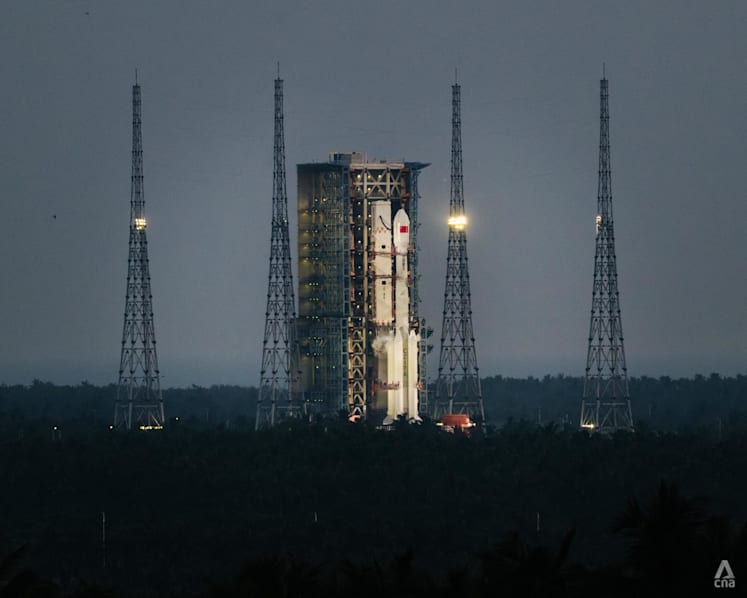
For tourists, the more common challenge is less dramatic: launch schedules can change.
Four families travelling from Chongqing had planned their Hainan holiday around the Aug 9 launch, before continuing to other destinations. When the mission was pushed back a day, they could not rearrange the rest of their itinerary.
“We had already made all our plans around seeing the launch,” said Maggie Zheng, who was travelling with her six-year-old son.
“But (our) plans can’t keep up with the changes. Our rooms and itinerary were already booked, so we had no way to move everything to the next day.”
Hainan University’s Xie said Wenchang needs alternatives for visitors who miss a launch, from aerospace museums and simulations to its beaches, food and cultural attractions.
Zhao Shan, deputy planning director of the Wenchang Aerospace Supercomputing Cultural Tourism Zone, told CNA the zone’s aerospace attractions – including museums focused on satellite data and meteorological science – give visitors another way to experience Wenchang beyond the launch itself.
“For tourists who didn’t manage to wait for the launch, it is a good supplementary experience,” she said.
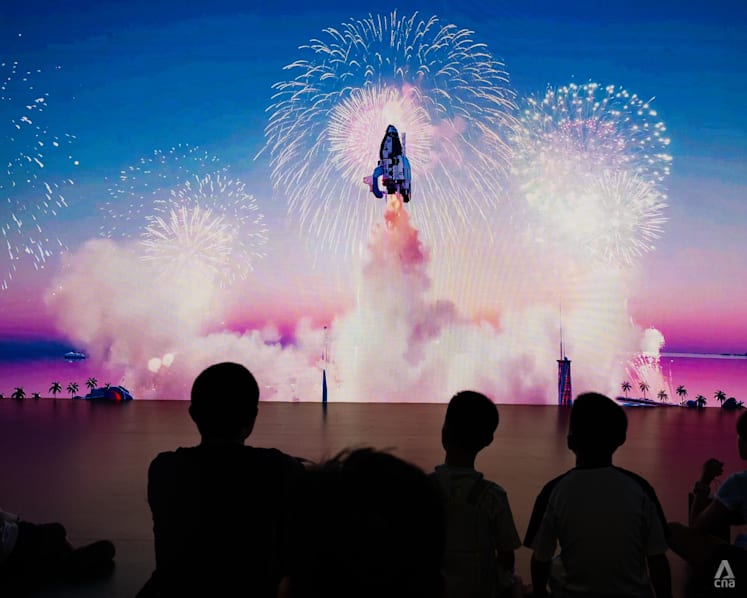
The bigger question is whether those experiences can keep visitors in Wenchang after the rocket has lifted off, experts said.
Wang Long drove from Guangdong with his family of 14 to Wenchang, hoping to catch a launch after missing the chance to see it on a previous trip.
This time, the timing worked out: the family’s flexible two-week Hainan road trip allowed them to adjust their itinerary and catch the rocket launch in Wenchang.
“The main reason we came to Wenchang was to see the rocket,” he said.
But Wenchang was only one stop on their Hainan itinerary. The family did not plan to stay overnight. After the launch, they were heading to Wanning, where his children could surf.
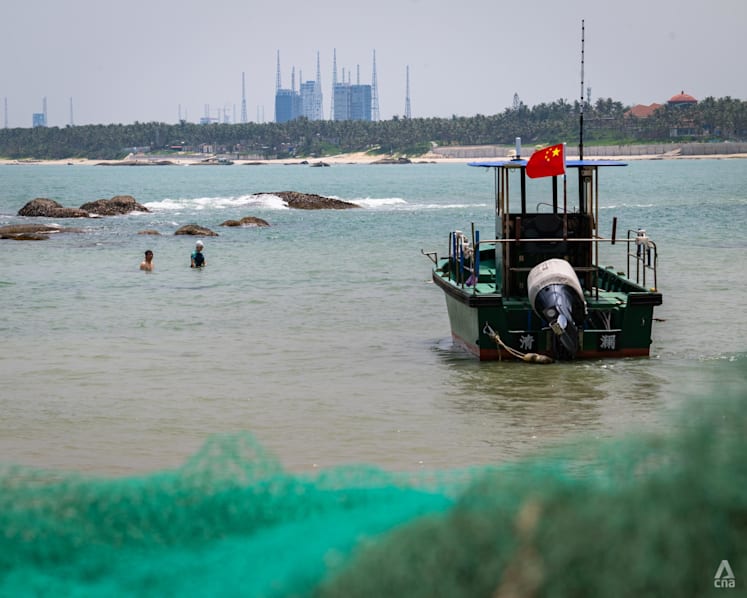
For local operators, that is a familiar pattern.
“If there is no need to stay overnight, most people don’t,” Liang said. “They watch and leave.”
To change that, businesses are trying to give visitors more reasons to stay.
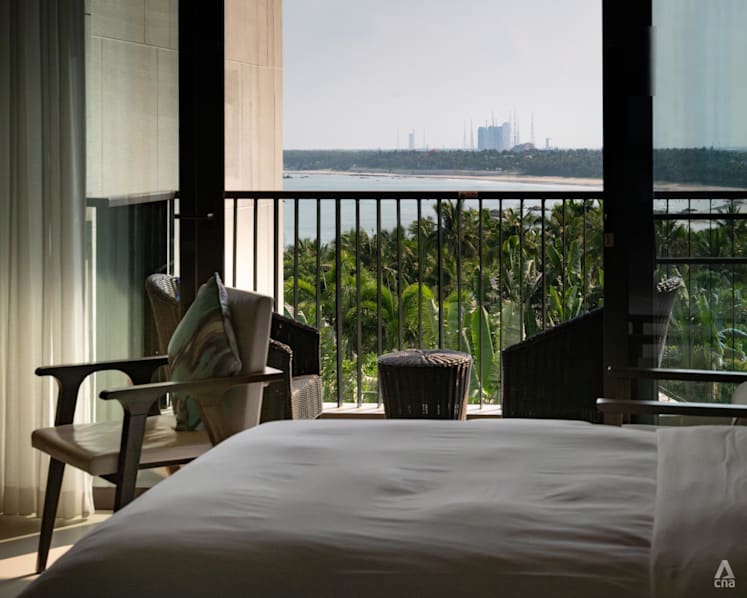
At Hilton Wenchang, about 120 of its 435 rooms can offer launch views, general manager Peter Dai told CNA. The hotel has also added activities such as climbing and children’s programmes, hoping to turn launch trips into longer stays.
“Previously, people might stay one day just to see the rocket launch,” Dai said. “Now, it has basically extended to two or even three days.”
BEYOND LAUNCHES
For Wenchang, the real prize is not the launch itself, but what can grow around it.
At iSpace’s Wenchang facility, CNA saw one piece of that taking shape. The commercial rocket company is building manufacturing and testing facilities there, with parts of its rocket production incorporated into visitor tours.
Professor Xie said Wenchang’s opportunity lies in building a broader aerospace industrial chain, from manufacturing and launches to satellite operations and data applications.
“Making aerospace more refined, deeper and more complete may become a necessary choice in Wenchang’s development as a city,” he said.
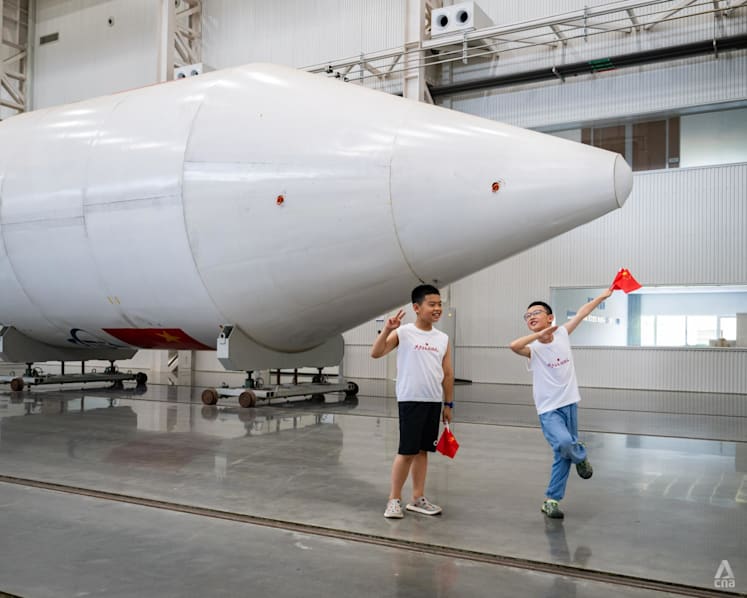
Beyond rockets, Wenchang is also betting on what happens after satellites go into orbit.
The aerospace supercomputing centre provides infrastructure for processing and applying satellite data. HKU’s Li said data could become one of the most important parts of the commercial space economy, as more of the industry’s value comes from putting satellite data to use on Earth, from mapping and monitoring to other data-driven services.
But building that economy will require more than infrastructure. Li said Wenchang still needs entrepreneurs, talent, financing, insurance and companies that can commercialise satellite data.
He sees Hong Kong and Singapore playing complementary roles in areas such as capital, data applications, insurance and arbitration, drawing on their strengths in finance and professional services.
Early links are already emerging: Wenchang’s supercomputing centre has worked with HKU researchers on satellite remote‑sensing and AI applications, while local operators have explored Singapore for overseas satellite-data services.
“They need business, they need data, they need money, and this is where Hong Kong and Singapore can both offer (support),” he said.
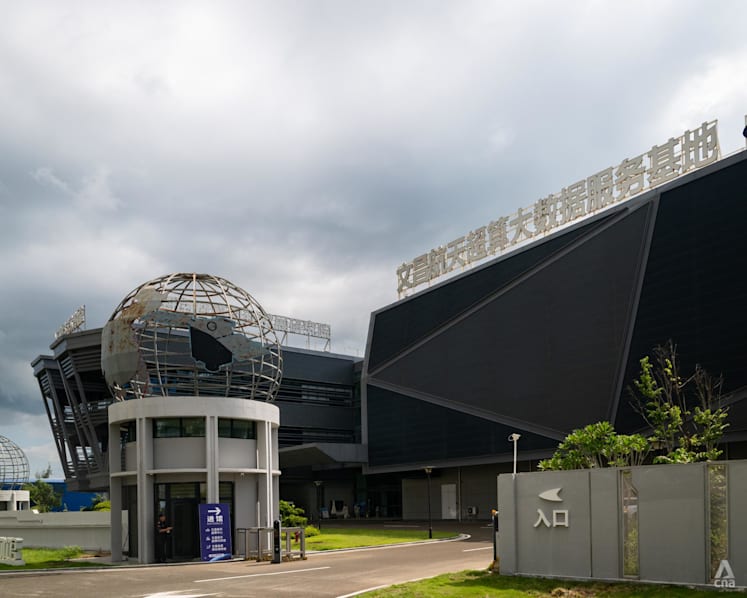
Manufacturing presents a tougher test.
By 2035, officials want both rockets and satellites made in Wenchang to be launched from the city’s two launch sites.
But analyst Curcio questioned how much of the satellite manufacturing ecosystem can realistically shift to Wenchang from established aerospace centres around Beijing and Shanghai, where supplier networks and skilled workers are already concentrated.
Unlike rockets, satellites can be built elsewhere and shipped to Wenchang for launch, he said.
“The challenge is that you need to build that whole ecosystem,” he said.
And that means attracting the people needed to make it work.
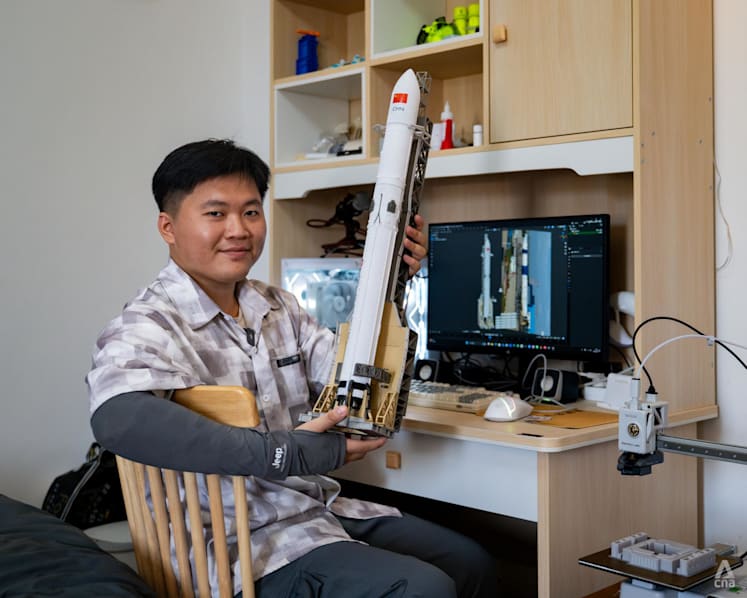
Chen, the rocket chaser, knows the pull of bigger cities. Young graduates, he said, may choose places with more opportunities.
Average private-sector wages in 2025 illustrate that pull, with workers in Hainan earning about 5,500 yuan a month on average, compared with about 8,300 yuan in Shenzhen, according to official data.
For now, Chen’s aerospace work brings in little money. He is still chasing rockets, making models and trying to turn that interest into a business.
“I don’t have a very specific plan,” he said. “Maybe I’ll just take it one step at a time.”
But he knows where he wants to try.
“Because we have a passion for aerospace, we chose to put down roots here,” he said.

in Wenchang, China on Aug 8, 2026. (Photo: CNA/Lan Yu)
Source: CNA/mc (cf)
Sign up for our newsletters

Get the CNA app
Stay updated with notifications for breaking news and our best stories
Get WhatsApp alerts
Join our channel for the top reads for the day on your preferred chat app

Get bite-sized news via a new
cards interface. Give it a try.
Click here to return to FAST
Tap here to return to FAST
FAST
About The Author



