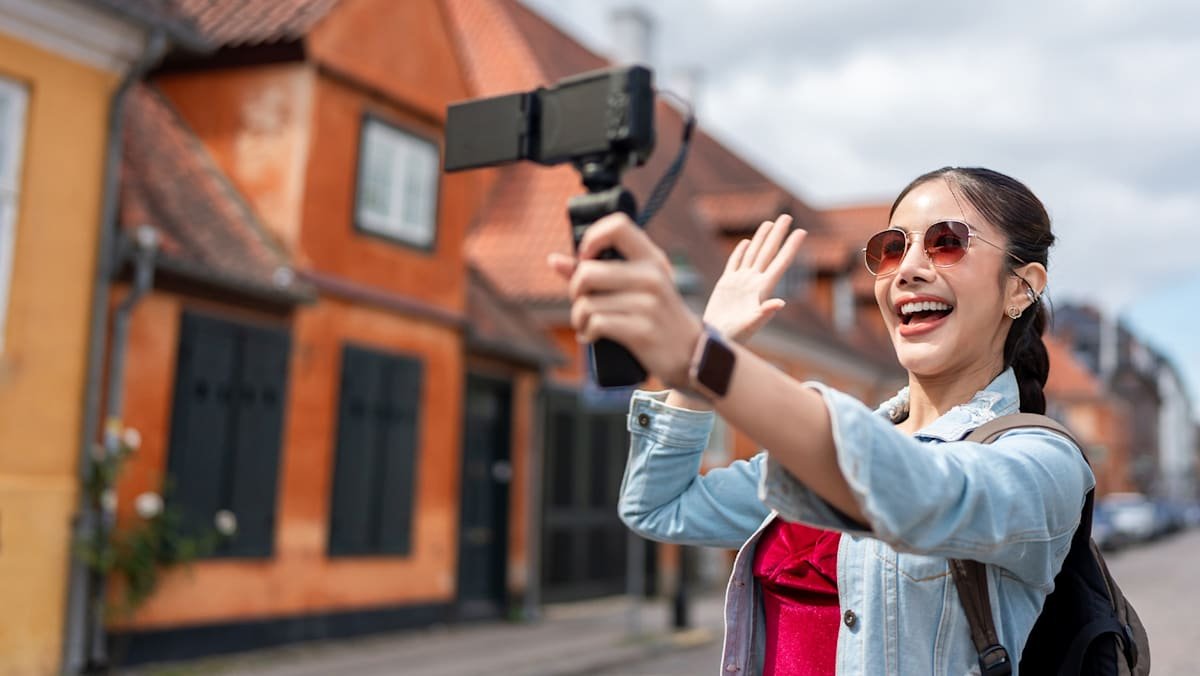
Travel influencers are big business. But do they really drive bookings?
Airlines, hotels, tourism boards and online travel agencies are investing more heavily in creators as younger travellers turn to social media for holiday inspiration. Now comes the harder question – whether that influence delivers measurable returns.
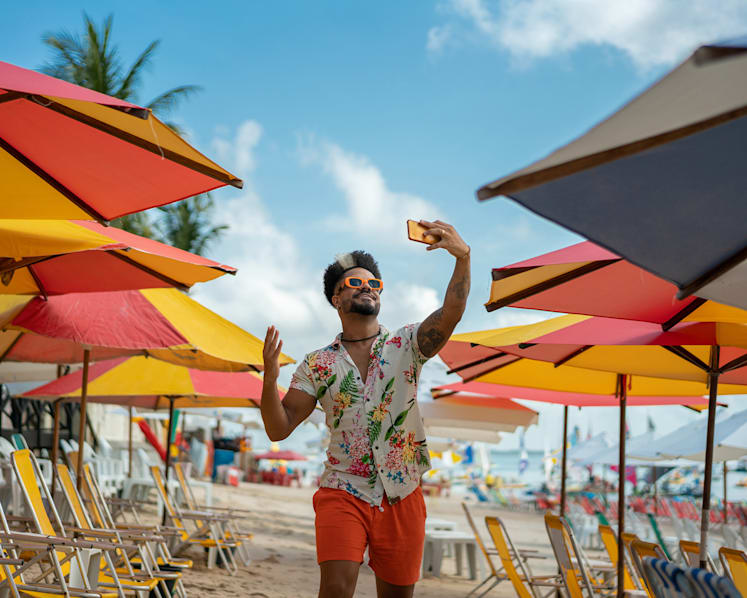
Social media creators are playing a growing role in how travellers discover destinations – and how travel companies market to them. (Photo: iStock)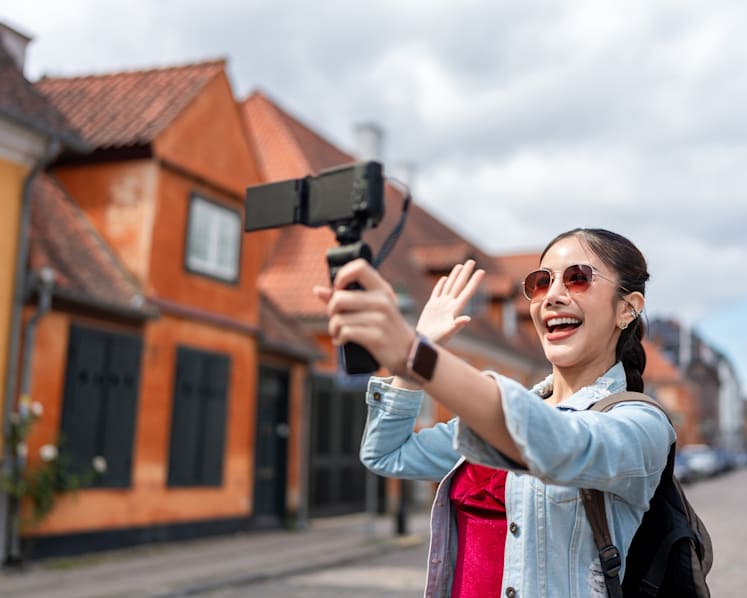
Read a summary of this article on FAST.
Get bite-sized news via a new
cards interface. Give it a try.
Click here to return to FAST
Tap here to return to FAST
FAST
Expedia has worked with thousands of social media influencers over the past decade, but a decision to partner with Darren Jason Watkins Jr set off a frisson of nervousness at the travel portal.
Watkins, known to his 50 million followers on both YouTube and Twitch as IShowSpeed, specialises in livestreaming — a chaotic and unscripted environment where anything can go wrong. His subscribers view everything from real-time travelogues to video gaming marathons. Sometimes, they even watch him sleep.
After the deal was first mooted, there was “a lot of concern” at Expedia’s headquarters in Seattle, acknowledges chief communications officer Lauri Metrose. “When you do anything live there’s stuff you can’t control and there’s so much risk involved from a brand perspective that people tend to shy away from it.”
But the company’s leadership ultimately judged that missing out on a chance to reach younger audiences, via one of the most watched people in the world, was an even greater risk. “You can’t age yourself out,” Metrose says.
The first event of the partnership was a 12-hour livestream in April that followed the 21-year-old content creator as he took in five different countries in the Caribbean. Expedia simultaneously launched a customised travel booking website, dubbed “Exspeedia”.
The campaign is emblematic of a broader shift away from the polished posts and “beautiful photos of sunsets” that have long dominated tourism marketing, says Kayla Gilchrist, founder of influencer marketing agency Iguana Growth Studios.
Companies ranging from digital travel agencies such as Expedia to the group behind the luxury Claridge’s hotel are diverting more dollars into social media.
Emarketer, a research group, estimates that US travel companies spent around US$1.5 billion (S$1.92 billion) on social media marketing in 2025, and forecasts that it will reach US$2 billion by 2027. Across all sectors, US companies paid influencers around US$10.7 billion in 2025, up 15.8 per cent on 2024.
Online travel agencies Expedia, Booking Holdings and Airbnb collectively spent more than US$18 billion on marketing in 2025, with influencer spending a small but growing segment of that outlay.
As media is upturned by the rise of AI, travel and tourism groups have to decide whether such increasingly expensive campaigns are the way to make their mark — and produce a lasting financial return on investment — or instead merely lead to a short-term sugar rush of clicks and likes, sometimes to the detriment of the places they are promoting.
Travel companies and tourism boards hoping to capture what is often a consumer’s largest single annual purchase have good reason to focus on younger audiences. The latest card-spending data from Bank of America showed that Gen Z travel spending rose around 8.5 per cent year on year in June, outpacing all other generations in the US.
Such consumers look to social media for inspiration. A survey last year by travel aggregator Skyscanner found that 59 per cent of travellers between 18 and 24 used Instagram as a starting point for planning holidays, while 54 per cent watched travel videos on YouTube.
But approaches to capturing those eyeballs diverge. Adult-only cruise line Virgin Voyages went for volume, hosting more than 1,000 influencers on an invite-only “Creator Voyage” in partnership with TikTok in April.
The company says the three-night round trip from Miami to the Bahamas generated more than 20,000 pieces of content and netted more than 200 million views, and it is already planning another sailing for 2027.
Similarly, Metrose says Expedia is continuing to invest in “hundreds” of smaller influencers alongside its marquee deal with IShowSpeed, betting that smaller creators can win higher trust and engagement from their followers.
“We’re expanding globally and we feel very strongly that a good way to do it is leaning into creators, because they create that local authenticity that you can’t get in other places,” she adds. “If we’re going after Japan, [we want] people who resonate in Japan and people from Japan — not just a bunch of Americans going to Japan.”
Others have chosen to be more selective. “We have real debates about whether we’ll bring this or that person to an event,” says Dan Ruff, chief executive of the LVMH-owned luxury hospitality company Belmond, which operates the Villa San Michele hotel in Florence and the Venice Simplon-Orient-Express train. “Brand is everything, so we’re very picky.”
Maybourne, the owner of Claridge’s, is “inundated” with social media content creators offering their services in exchange for free accommodation at properties where rooms typically cost well over £1,000 (US$1,355; S$1,730) per night, says chief executive Marc Socker.
Filtering through that barrage is critical, he adds, because “for the younger community in particular, that’s how they make their travel decisions”. But he warns that “if you invite them in, they’re going to be representing your brand afterwards”.
We’re expanding globally and we feel very strongly that a good way to do it is leaning into creators, because they create that local authenticity that you can’t get in other places.” – Expedia spokesperson
Molly Cookson, a social media manager for Tui-owned online travel agency First Choice, says companies like hers are increasingly pursuing longer-form partnerships with more niche creators and micro-influencers — typically defined as accounts with fewer than 100,000 followers. That can offer access to more targeted audiences and lower prices.
AT THE SHARP END

Influencers are feeling the shift. Gabby Beckford, who has been a full-time social media content creator since 2020, says travel brands used to place “a huge emphasis on follower count” but now tend to prioritise engagement and creativity.
With 300,000 followers on TikTok and almost 170,000 on Instagram, Beckford sees herself as a “mid-tier” influencer. Her first paid deal as a content creator in 2018 was US$50 to include an image of a packing cube travel organiser in a blog post, but Beckford says most brands now want unique videos and “more storytelling” rather than simple one-off deals.
Destination marketers work with people like Beckford in an attempt to tap into social media’s ability to quickly transform a location’s popularity among a certain audience group.
Visit Finland, for example, is currently seeking to partner with content creators in target markets such as China, Japan and Australia, where “there’s a lot of people who don’t know anything about Finland”, according to senior director Heli Jimenez.
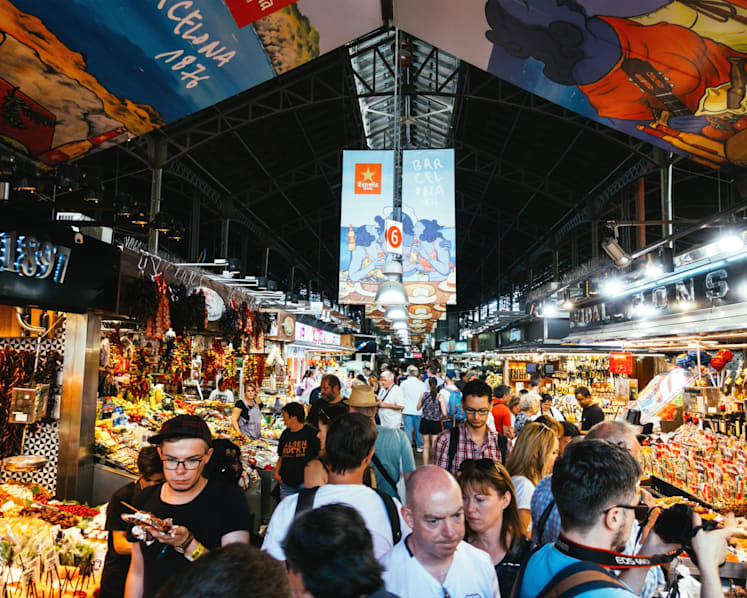
Choose Chicago is this year focusing on “mommy influencers” and budget travel content creators in cities such as Detroit and Kansas City, which are less than a day’s drive from Chicago.
The move comes as international tensions such as the war in Iran weigh on consumer confidence and international traveller numbers. “We have to be creative on the types of travellers that we connect with,” says chief marketing officer Lisa Nucci.
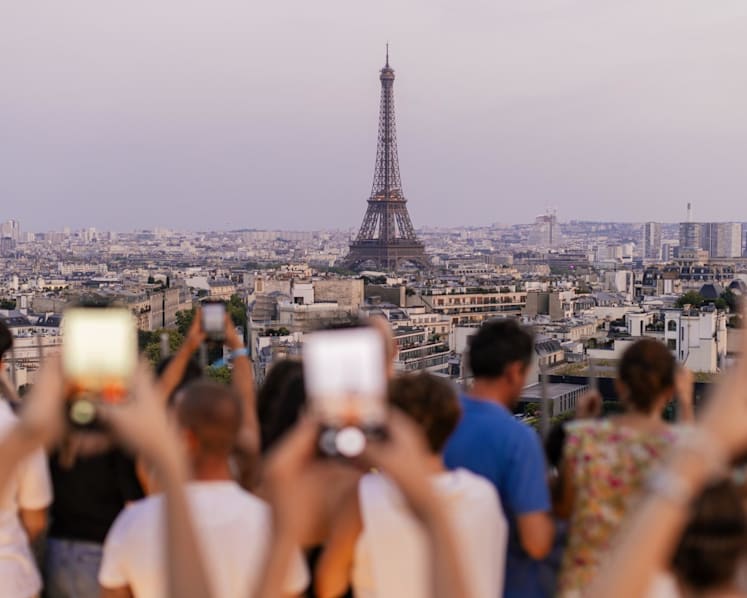
But while a viral social media post can quickly boost a business or a region, it can also strain resources. Residents of smaller Greek islands dread them being hyped as the new Santorini, while in north-eastern Italy locals have protested against a surge of tourists rushing to take photographs at viewpoints that have been popularised online.
Authorities in the municipality of Funes told CNN they would install barriers to restrict vehicle access to the popular Santa Maddalena church over the peak summer season.
“The problem with Instagram is that it ends up concentrating the interests in a few places,” says Glenn Fogel, chief executive of Booking Holdings, which owns travel agencies including Booking.com, Agoda and Priceline. “People start putting these pictures of themselves in these places and it looks so pretty,” he says. “Then everyone wants to go there, you end up with over-saturation, and then the place isn’t so pretty.”
The impact is not just economic, but could also taint the basic appeal of travelling the world and seeking new experiences, not to mention conditions for local residents.
In June, Antoine Armand, mayor of the French Alpine city of Annecy, encouraged local influencers to promote alternative local destinations rather than Lake Annecy, which had become packed with tourists thanks in part to Instagram. He told Le Monde that the city needed to “act now” to avert “the risk of overcrowding”.
But others argue that social media can help disperse travellers and counter overtourism. On sites like Instagram, travellers are “discovering what were secondary and third-tier cities and making them very popular”, says Dimitris Manikis, president of Europe, Middle East and Africa for Wyndham Hotels & Resorts.
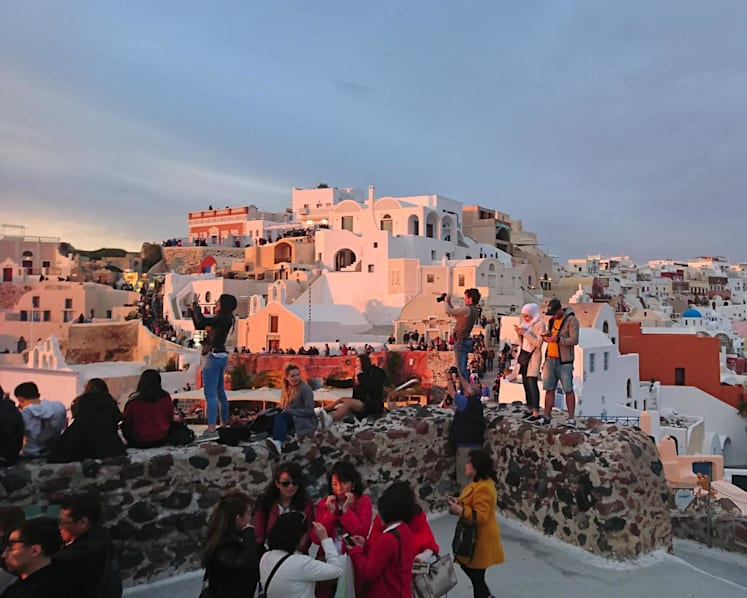
That has shaped the group’s recent growth strategy in Europe, where it is investing in “smaller boutique hotels” outside traditional holiday hotspots. Manikis speculates that the rise of AI will accelerate this trend as people “will go to ChatGPT and say: ‘Give me a less busy island.’”
There is evidence of this appetite already; more than a third of respondents to Skyscanner’s 2025 survey said they would “actively seek out quieter destinations”.
MEASURING INFLUENCER IMPACT
Affecting people’s decisions on where to travel is only part of the challenge. Marketing executives are also under pressure to prove that increasingly expensive influencer campaigns translate into measurable commercial returns.
Visit Finland’s Jimenez warns that content creators’ prices “are much higher than they used to be”, which “gives a lot of pressure to prove their impact”. But assessing the outcome of any investment can be tricky, particularly for tourism boards that do not sell anything directly to clients. “We are promoting Finland and trying to show what we have on offer but we don’t know if this person ever comes to Finland,” she adds.
Tourism New Zealand faced a backlash earlier this year after freedom of information disclosures revealed it had spent NZ$6.1 million (US$3.6 million; S$4.6 million) on influencer partnerships in the 2024-25 financial year.
The agency estimated that these partnerships were worth close to NZ$400 million in so-called equivalent advertising value, the amount it would have cost to purchase comparable exposure through traditional advertising. But Rhys Hurley, investigations co-ordinator at the Taxpayers’ Union of New Zealand, said that, beyond “likes, views and follows”, the agency had been unable to show what these influencers delivered in “hard numbers” and financial benefits for New Zealand.
Beckford, who has worked with brands including United Airlines, Expedia, Intrepid Travel and Skyscanner, defends the rising costs of influencer marketing, arguing that many brands have historically underestimated the costs of creating social media posts. A video lasting fewer than 30 seconds can take six hours of processing and editing, she explains.
Her priciest-ever content deal to date was more than US$100,000. Since going full-time as a travel influencer, Beckford does not typically post anything for less than US$5,000 but does allow herself to accept one unpaid trip each quarter if she’s “particularly excited” about a destination.
Some companies use “affiliate links” that track how many bookings directly arise from an individual influencer. Beckford says these unique URLs — which often give influencers a cut or a flat fee for sales made using them — have become “more of an expectation” as both marketing teams and content creators like herself face pressure to prove their worth.
Beckford declined to reveal how much she makes per year, but in general influencer earnings vary dramatically depending on the size and profile of their audience. Tourism boards, which are typically government funded, pay her far less than technology companies, she says.
A survey by CreatorIQ, published in January, found that the average social media content creator earned around US$44,000 a year in 2025, with just 11 per cent making more than US$100,000.
Metrose declines to comment on the estimated value of Expedia’s partnership with IShowSpeed, but says its goal is “more cultural relevancy than anything about seeing if the conversions will work”.
Expedia did record a surge in search demand for the island destinations featured in IShowSpeed’s first partnered livestream — up as much as 70 per cent for Sint Maarten and 50 per cent for Guadeloupe — but Metrose insists that the priority was creating a long-term “halo effect” that leads IShowSpeed’s fans to think positively about Expedia.
She declines to break down how much of its marketing spend — US$7.4 billion in 2025, up from US$6.8 billion the previous year — goes towards social media, but says the company is “doubling down” on its influencer programme and in talks over extending its partnership with IShowSpeed.
Rival Booking Holdings says it increased its social media marketing spending by 13 per cent in 2025 as it targeted growth in the US and Asia.
For all that investment, the best social media promotions may still be the ones that travel groups do not pay for, according to Marc Jacheet, president for Europe, Africa and the Middle East at hotel group Hyatt.
Investing in distinct and photogenic spaces within their properties, such as communal dining areas and ornate lobbies, can offer built-in marketing backdrops that turn ordinary guests into unpaid promoters on Instagram.
In an indication of how much social media has transformed the business — whether for good or ill — he adds that every such client could be “worth a million-dollar campaign”.
By Stephanie Stacey © 2026 The Financial Times.
This article originally appeared in The Financial Times.
Source: Financial Times/bt
Get bite-sized news via a new
cards interface. Give it a try.
Click here to return to FAST
Tap here to return to FAST
FAST